
Dealing with denied warranty claims is one of the most frustrating parts of your job. It costs you money, damages your reputation with your customers, and wastes your valuable time. I know you want to avoid that stress and understand exactly where you stand before you place an order.
Dingtai's track shoe assembly warranty specifically covers manufacturing defects, such as abnormal breakage due to faults in raw materials or workmanship. This coverage typically applies for 12 months or 2,000 operating hours. It includes issues like internal casting voids, structural cracking, and seal leakage, provided the parts were used under normal conditions.
However, the difference between a factory defect and job site abuse is not always clear. You need to know exactly what is protected so you can manage your fleet or your customers with confidence. In this article, I will explain what we cover, what falls outside the warranty, and how we handle specific technical failures.
What do you define as "normal wear and tear," which is not covered by the warranty?
It is very annoying when a supplier rejects a claim by simply saying "that is just normal wear." You need a clear, honest definition of where the warranty ends so you can explain it to your own clients without looking like the bad guy.
We define normal wear and tear as the expected physical loss of material due to friction and daily use. This includes the reduction of grouser bar height, the external wearing of bushings, and the stretching of the track chain pitch. These are natural results of operation, not manufacturing defects.
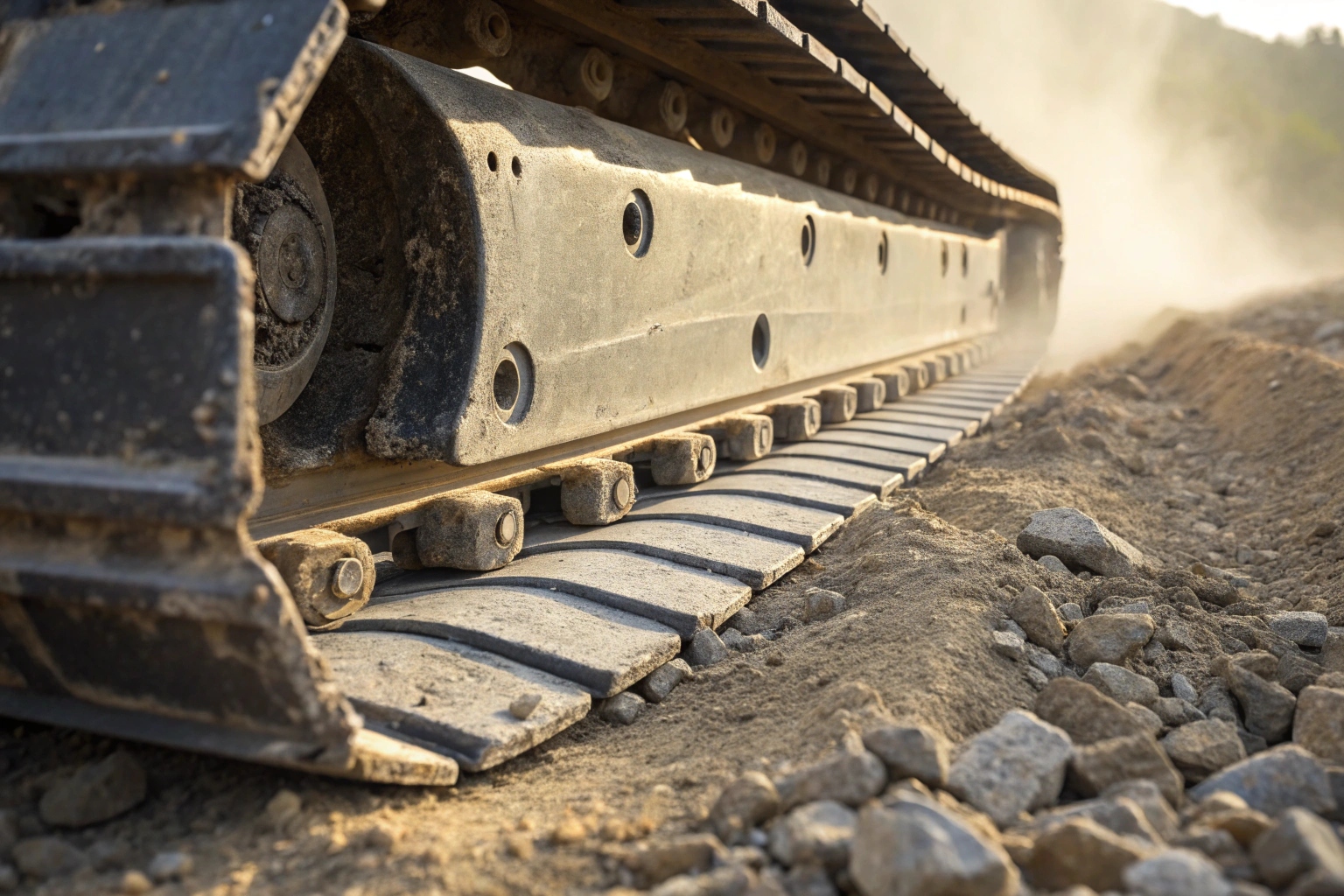
Distinguishing between a defect and normal wear 1 is the most important part of warranty management. Every undercarriage part is a "wear part." They are designed to sacrifice themselves to protect the expensive main frame of the machine. Therefore, simply wearing out is not a failure; it is the part doing its job correctly.
The Role of Friction
Every time an excavator or dozer moves, metal rubs against metal or the ground. Over time, this friction removes steel from the part. The grouser bars 2 on the track shoes will get shorter and rounder. The rails on the links will get thinner. This is unavoidable. If a customer runs a machine for 1,500 hours in highly abrasive sand or quartz, the shoes might be completely worn out. This is not a defect in the steel quality; it is the reality of the job site conditions. We do not reimburse for parts that have lived their expected life, even if that life was shorter than usual due to harsh soil.
Pitch Extension
"Pitch extension" is the technical term for the track chain pitch 3 getting longer. This happens because the pins and bushings wear down internally (or externally on dry chains). As they wear, the space between them grows, making the track loose. This is a natural result of use. Unless this wear happens instantly due to a failed seal (which is covered), gradual stretching is considered normal wear.
Abuse vs. Wear
There is also a difference between "wear" and "abuse." If a standard single-grouser track shoe is used in a jagged rock quarry, it will likely bend or crack. This is not a manufacturing defect; it is the wrong application choice. Standard shoes are not built for high-impact zones. We also do not cover damage caused by operator habits, such as spinning the tracks while digging or "walking" the machine over long distances at high speed.
Comparison Table: Defect vs. Wear
To help you decide if a claim is valid, I have created this simple comparison table.
| Condition | Verdict | Reason |
|---|---|---|
| Shoe breaks in half (New condition) | Defect | Likely a material void or casting error. |
| Shoe breaks in half (Thin/Worn) | Wear | The part exceeded its fatigue life. |
| Grouser bar is flat | Wear | Natural result of ground friction. |
| Track chain is too long | Wear | Internal pin/bushing wear from use. |
| Seal leaks oil (Early hours) | Defect | Assembly error or bad seal lip. |
If a bolt breaks and the shoe falls off, is that covered under warranty?
Nothing stops a construction project faster than a track shoe falling off in the middle of a shift. You need to know if we will pay for the replacement and the damage, or if this responsibility falls on your maintenance crew.
If the bolt breakage is caused by a defect in the bolt material or improper torque applied at our factory, it is covered. However, if the bolts loosen due to lack of maintenance, under-torquing during field repair, or running with loose hardware, that is not covered.
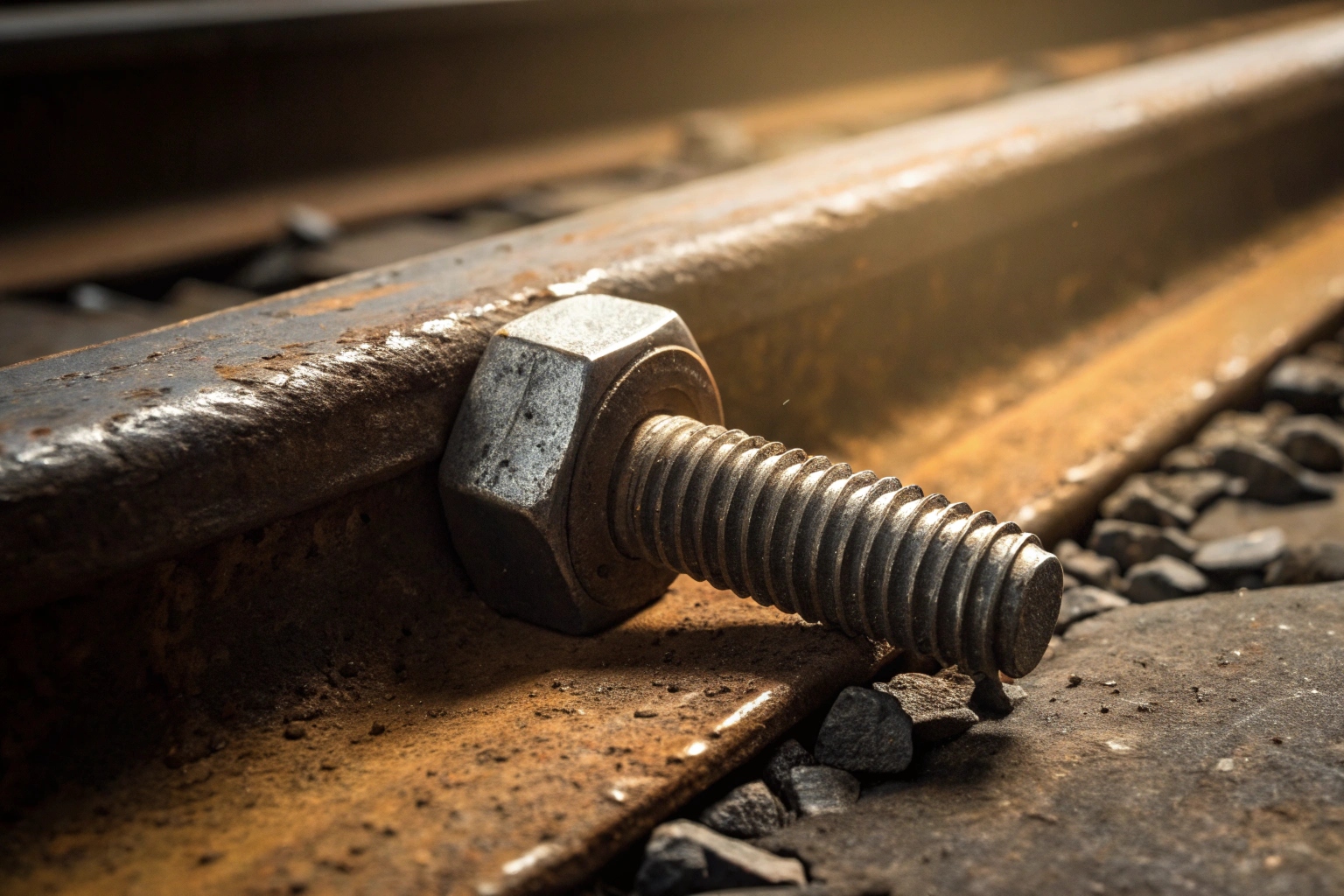
Bolts are the most common point of failure in track assemblies, but they are also the most misunderstood. A broken bolt tells a clear story if you know how to read it. We can look at the break and tell you exactly why it happened.
Factory Torque vs. Field Maintenance
When we assemble the track groups in our factory, we use computer-controlled tools to set the exact torque specifications. If a bolt snaps shortly after you install the new track group, it is possible we made a mistake. Maybe the machine set the torque too high (stretching the bolt) or too low. If the failure happens early and we find evidence of a "tensile failure" (the bolt pulled apart), we will cover it.
The "Loose Bolt" Phenomenon
Most bolt failures happen because they were loose, not because they were weak. When a bolt is loose, the track shoe can shift back and forth on the link. This creates a scissoring action that snaps the bolt. This is called a fatigue failure 4. If we inspect the track and find that the mating surfaces (where the shoe touches the link) are shiny and polished, it is proof that the shoe was moving. This proves the bolts were loose. We do not cover this because keeping bolts tight is a maintenance requirement.
Bolt Material Quality
We also inspect the bolt material itself. A high-quality track bolt should be strong but have a little bit of flex. If the bolt is too brittle due to bad heat treatment, it will snap like glass. This is a material defect, and we cover it. We check the grain structure 5 of the metal:
- Defect: The break is clean, sudden, and the metal looks grainy.
- Loose Bolt: The break has "beach marks" or smooth waves. This shows the crack grew slowly over time as the bolt wiggled.
The Importance of the 50-Hour Check
We strongly recommend a torque check 6 after the first 50 to 100 hours of operation. Paint on the parts can wear off, causing the clamping force to drop. If your customer skips this check, the warranty might be voided for those specific bolts. It is a shared responsibility. We provide high-quality hardware, but the operator must ensure it stays tight.
Bolt Failure Analysis
| Failure Sign | Likely Cause | Warranty Status |
|---|---|---|
| Polished Mating Surface | Loose bolts (Maintenance) | Not Covered |
| Elongated Bolt Holes | Running loose for long periods | Not Covered |
| Cup/Cone Fracture | Over-tightening (Tensile stress) | Covered (if Factory assembled) |
| Flat, Grainy Fracture | Brittle material (Heat treat) | Covered |
You cannot test every single track shoe for hardness before you sell it. You rely on us to get the chemistry right. You need assurance that if a hidden recipe error causes a crack, we will step up and fix it without hesitation.
Yes, cracking due to improper heat treatment is absolutely covered. If the shoe is too brittle from being cooled too fast, or too soft from poor tempering, it is a manufacturing fault. We take full responsibility for these metallurgical inconsistencies.
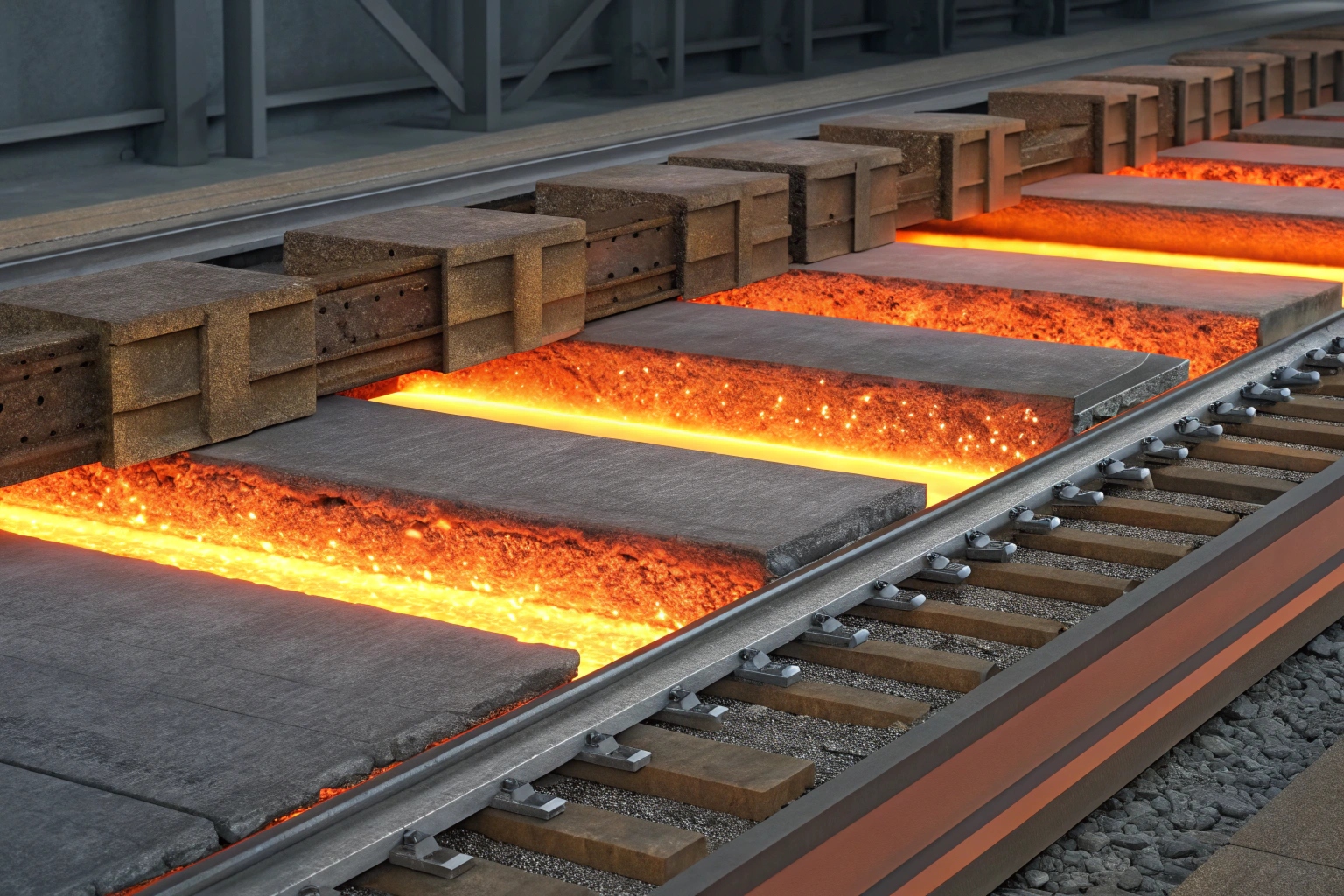
Heat treatment 7 is the heart of a durable track shoe. It is the process where we heat the steel and cool it to make it hard. If we get this wrong, the shoe is useless, even if the steel grade is correct.
The Science of the Crack
A track shoe needs a hard surface to resist wear, but a tough core to absorb impact. This is a delicate balance.
- Too Hard: If we quench (cool) the shoe too aggressively, it becomes like glass. It is very hard but very brittle. The first time the machine hits a rock, the shoe will shatter or crack all the way through. This is called a "brittle fracture" 8.
- Too Soft: If we do not heat it enough, the shoe is soft. It won't crack, but it will bend or wear out in half the time.
Both of these are invisible defects. You cannot see them until the part fails. Because you cannot prevent this through maintenance, it is 100% our responsibility.
Analyzing the Fracture Face
When you send us a photo of a cracked shoe, we look at the face of the crack.
- Defect: A brittle crack is usually straight and happens through the thickest part of the metal. It indicates the core hardness was too high.
- Overload: If the shoe is bent and then cracked, it means the steel was tough enough to bend, but the force was just too huge (like dropping the machine on a rock). That might not be a defect.
Heat Treatment Inconsistencies
Sometimes, a batch of shoes might have "inconsistent" heat treatment. This means some spots are hard and others are soft. This leads to uneven wear and stress points. If a shoe wears down unevenly in a way that doesn't match the soil conditions, it points to a furnace issue at our factory.
Batch Tracking
We keep detailed records of our heat treatment batches. If you claim a defect, we can often trace it back to the specific time and temperature of the furnace run to verify the issue. This data helps us confirm your claim quickly.
Common Heat Treatment Failures
| Symptom | Cause | Warranty |
|---|---|---|
| Shattering / Snapping | Excessive hardness (Brittle) | Yes |
| Bending / Deformation | Low hardness (Soft) | Yes |
| Rapid, Uneven Wear | Inconsistent Tempering | Yes |
| Cracking at Bolt Holes | Stress Riser from Machining | Yes |
What evidence (e.g., photos, videos, operating hours log) do I need to submit with my claim?
Filing a claim often feels like a battle where you have to prove you are innocent. You want a simple checklist of what to send so that the process is fast, fair, and successful without endless back-and-forth emails.
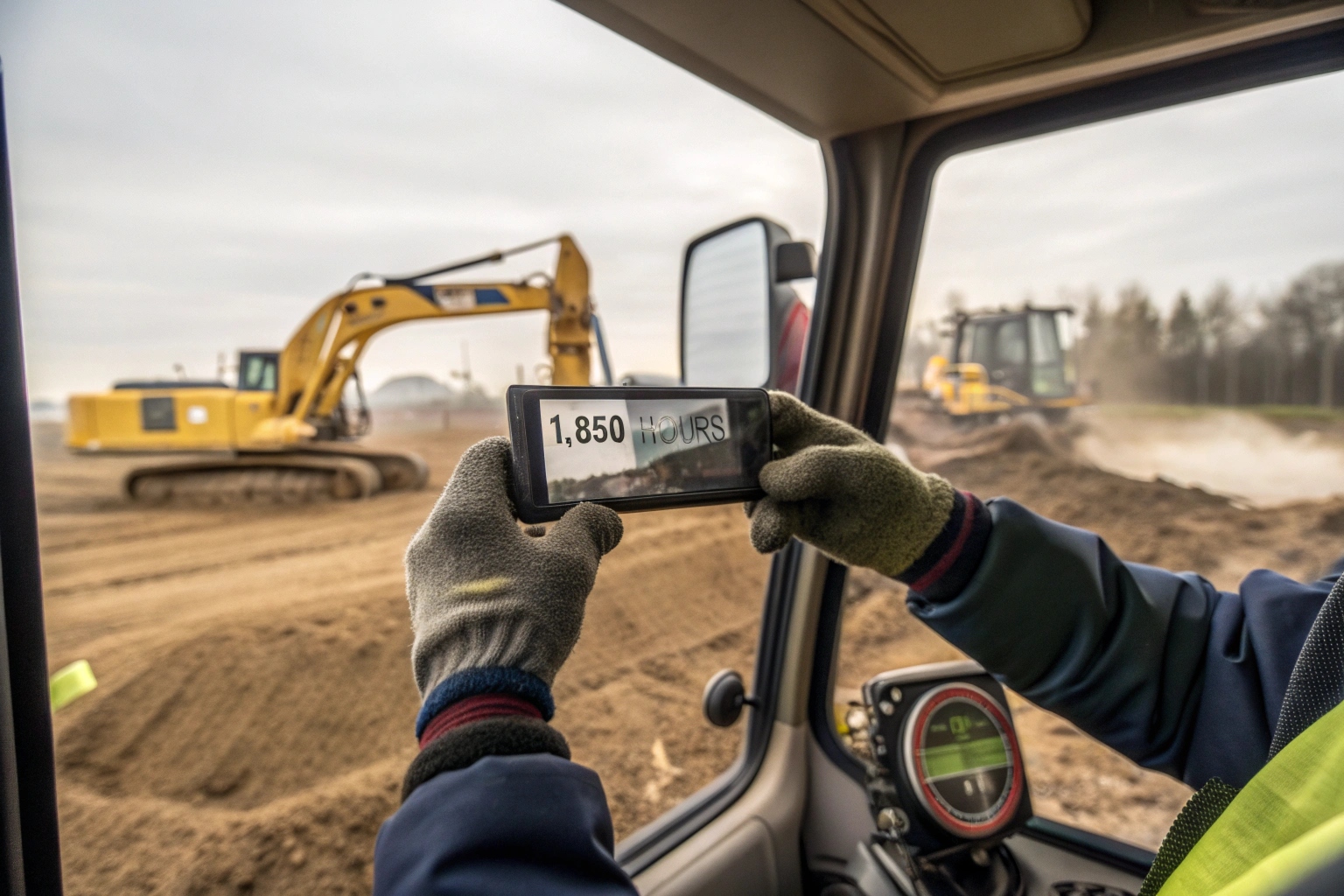
To process a claim quickly, we need clear photos of the failure, a photo of the machine's serial plate, and a picture of the hour meter. We also require a brief description of the working conditions and, if possible, maintenance logs showing regular tensioning and inspection.
We want to approve your claim. We really do. But we need evidence to show our engineers that the part failed due to a defect and not abuse. The more information you provide upfront, the faster we can ship you a replacement or issue a credit.
The Visual Evidence (Photos)
Photos are the most critical part. Please do not just send a zoomed-in blur of a crack. We need context to understand the failure.
- Wide Shot: Show the whole machine and the ground it is sitting on. Is it in mud? Rock? Swamp? This helps us rule out application errors.
- Component Shot: Show the broken part in place on the machine before you remove it. This shows us the orientation of the break.
- Macro Shot: Take a close-up, clear photo of the fracture surface 9 (the break itself). This allows us to see the grain structure. We can see if it was a sudden snap (defect) or a slow fatigue break (loose bolt).
- ID Plates: We need a photo of the machine serial number and the part's identification code (if visible).
The Data Evidence (Logs)
We need to know how old the part is in "machine years."
- Hour Meter: A photo of the cabin hour meter is mandatory. This proves the part is within the 2,000-hour limit.
- Installation Date: A copy of the work order or invoice showing when the part was installed.
- Maintenance Records: If the claim involves bolts or tensioners, we need to see that you checked them. A simple log showing "Track tension checked at 50 hours" helps your case immensely. Providing accurate maintenance logs 10 serves as proof of responsible equipment care.
Why We Ask for This
We do not ask for this to be difficult. We ask because we analyze every failure to improve our manufacturing. If a shoe cracked, we want to know why so we can fix our furnace settings. Your evidence helps us make better products for you in the future.
Claim Evidence Checklist
| Item Needed | Why it is important |
|---|---|
| Photo of Fracture | Reveals if the break was brittle (defect) or fatigue (loose). |
| Photo of Hour Meter | Verifies the part is within the warranty period. |
| Photo of Undercarriage | Shows the overall wear level of other components. |
| Machine Serial Plate | Confirms the correct machine application. |
| Work Environment | Helps us rule out application abuse (e.g., standard shoes in mines). |
Conclusion
Understanding warranty coverage protects your bottom line. At Dingtai, we cover material defects, workmanship errors, and heat treatment faults, while distinguishing them from normal wear and maintenance issues. We stand behind our quality.
Would you like me to send you a sample copy of our formal Warranty Policy document so you can review the specific terms with your technical team?
Footnotes
1. Definition of expected physical depreciation in assets over time. ↩︎
2. Overview of grouser bar types and their specific applications. ↩︎
3. Guide to measuring pitch extension to determine chain life. ↩︎
4. Technical explanation of how stress cycles cause metal fatigue. ↩︎
5. How microscopic metal structures influence strength and failure modes. ↩︎
6. Best practices for verifying proper clamping force in bolts. ↩︎
7. Industrial processes for hardening steel to improve durability. ↩︎
8. Characteristics of sudden failure in materials without plastic deformation. ↩︎
9. Analyzing breakage surfaces to identify the root cause of failure. ↩︎
10. Importance of record-keeping for warranty validity and asset health. ↩︎