
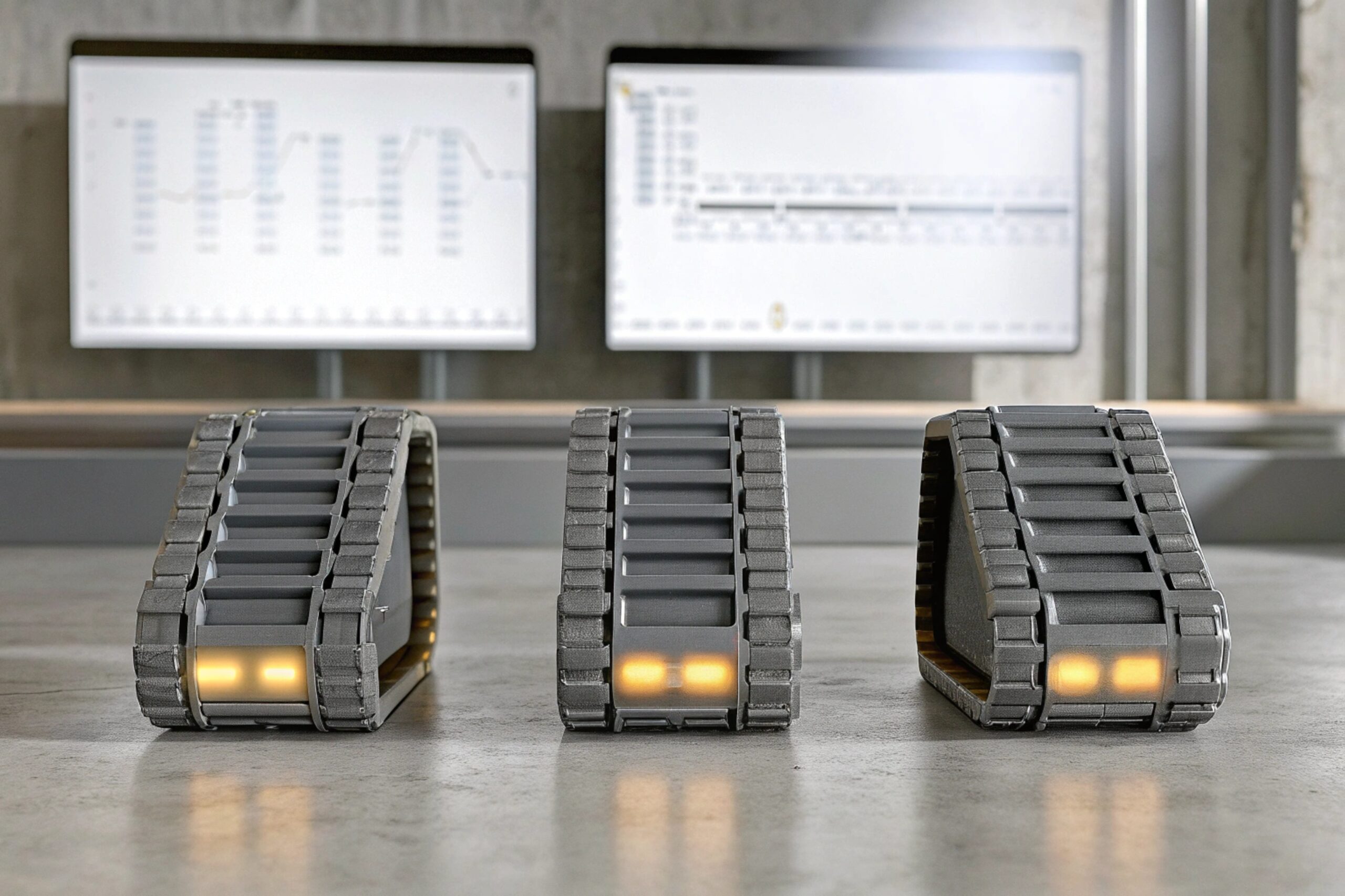
Choosing the correct material for track shoe assemblies 1 often perplexes many due to the myriad options available. As a manufacturer keen on providing optimal parts, I've been there, weighing the strengths of carbon, boron, and manganese steel.
Different steels such as carbon, boron, and manganese cater to unique needs within track shoe assemblies. Their performances vary in characteristics like hardness, toughness, and application suitability based on their composition and treatment. Understanding these differences helps in making informed decisions ensuring longevity and efficiency under varying conditions.
Each material has distinct advantages and drawbacks, influencing your decision when selecting the optimal material for specific applications.
Which material offers the best balance of wear resistance (hardness) and impact toughness (strength)?
Opting for the right material often confounds me. I strive to find a balance that minimizes wear while maximizing durability. This search frequently leads me to scrutinize hardness and toughness 2.
While manganese steel offers excellent impact toughness, boron steel strikes a commendable balance between wear resistance and overall strength. It’s often preferred for challenging environments due to its ability to withstand wear and tear without compromising toughness.
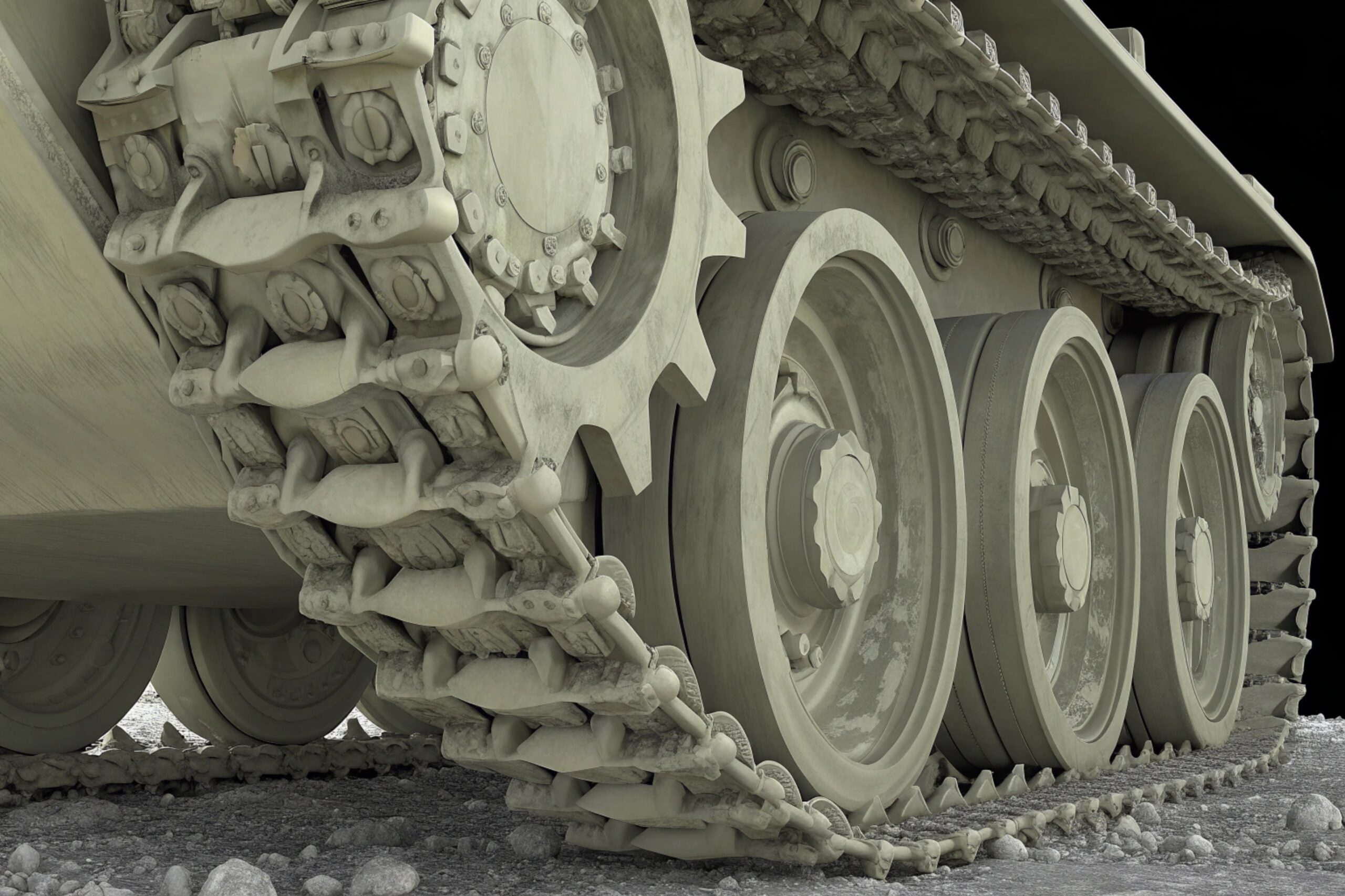
Choosing materials involves understanding their distinct properties and how they affect performance. Here's a breakdown:
Material Comparison
| Material | Hardness (HRC) | Toughness | Application Example |
|---|---|---|---|
| Carbon Steel | 30-40 | Medium | Standard applications, regular wear |
| Boron Steel | 35-40 | High | Heavy-duty, high-abrasion environments |
| Manganese Steel | 45-50 (work-hardened) | Very High | High-impact, shock-absorbing applications |
Carbon Steel: Often chosen for its strength and cost-effectiveness. It's great for general applications but might falter in high-abrasion conditions.
Boron Steel: Known for enhanced hardness and wear resistance, especially after heat treatment 3. It suits heavy-duty uses but can be pricier due to its superior qualities.
Manganese Steel: Best when shock absorption 4 is essential. It hardens upon impact, making it quite tough for difficult terrains.
By selecting based on hardness and toughness, each material serves a particular function. This balance can significantly aid in maximizing performance and minimizing premature failures.
Is boron steel (e.g., 23MnB) always the best choice for my high-abrasion applications?
Considering boron steel for high-abrasion tasks 5 intrigues me. But is it the infallible choice? This question often weighs heavy.
Boron steel, like 23MnB, excels in high-abrasion settings, thanks to its high hardness and wear resistance. While it offers superior performance compared to others, it also comes with increased costs. It may not be necessary in every scenario, depending on impact toughness requirements.
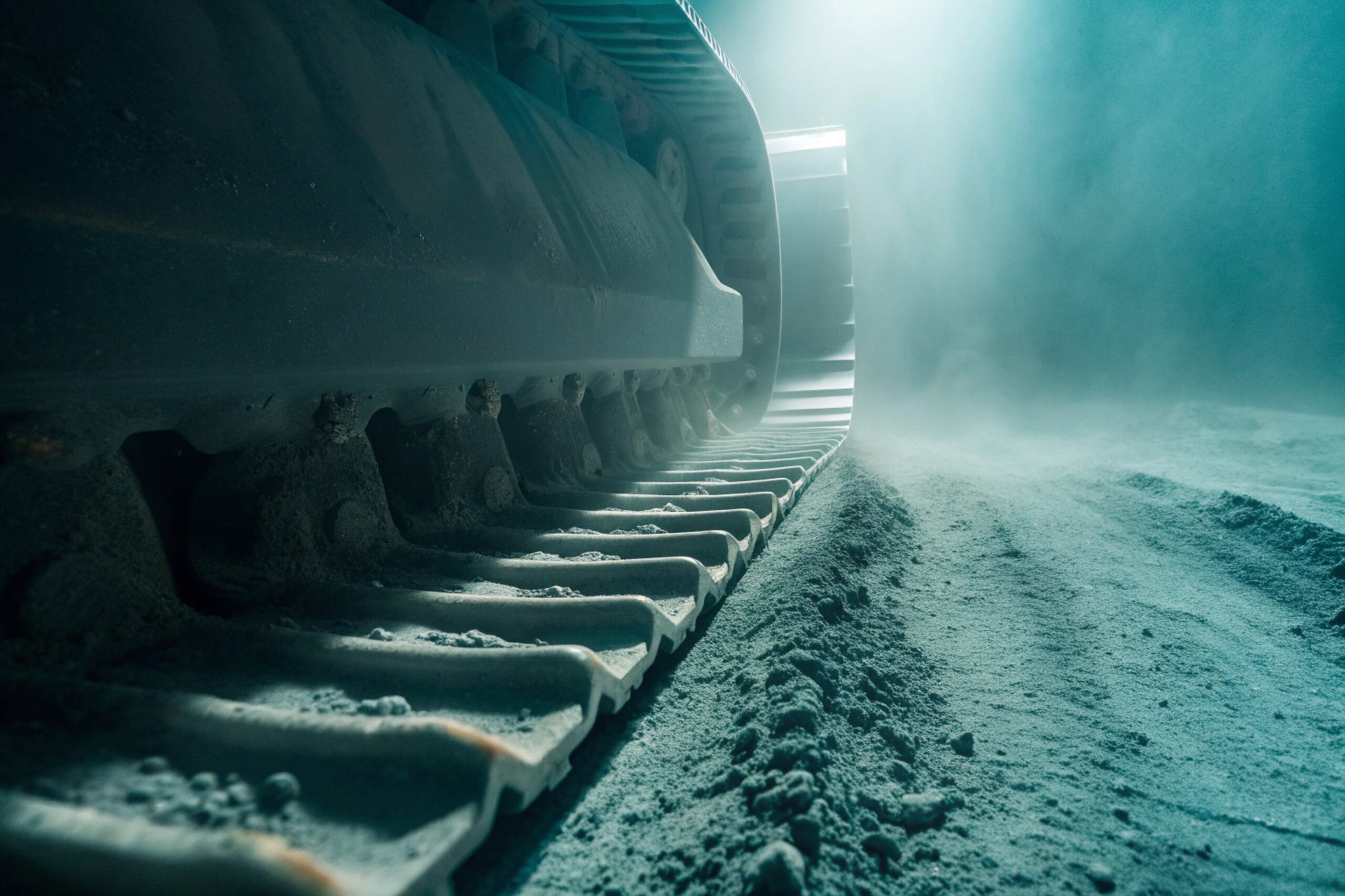
Performance in High-Abrasion Environments
Boron steel, when considered for high-abrasion purposes, stands undefeated due to:
- Superior Wear Resistance: Ensures longer service life and reduced replacement frequency.
- Heat Treatment Suitability: Offers uniform hardness, enhancing longevity in abrasive settings.
- Optimal for Load-Bearing: Capable under consistent heavy loads without deformation.
However, boron steel can be less forgiving where high-impact toughness is imperative. Manganese might be more feasible in scenarios where impact resistance 6 outweighs mere wear resistance.
Financial Aspect
While understanding material properties is crucial, keeping an eye on budget constraints and material costs is equally vital.
| Material | Cost Implications | Ideal Applications |
|---|---|---|
| Carbon Steel | More budget-friendly | General-purpose installations |
| Boron Steel | Higher costs, premium performance | Critical, high-stress areas |
| Manganese Steel | Costlier than carbon, reasonable | Impact-heavy environments |
Boron steel, with its superior qualities, commands a higher price. However, its investment often turns valuable in high-stress applications, ensuring reduced downtime and increased productivity.
How does the raw material choice (e.g., boron vs. carbon steel) affect the final price of the track shoe?
Facing budget constraints 7, I often ponder how material choice tilts the final cost. Assessing costs vs. benefits aids in such decisions.
The material choice significantly influences track shoe costs. Boron, although pricier, often provides better value in the long run in demanding conditions. Whereas carbon is more budget-friendly initially, it may require quicker replacements due to wear.
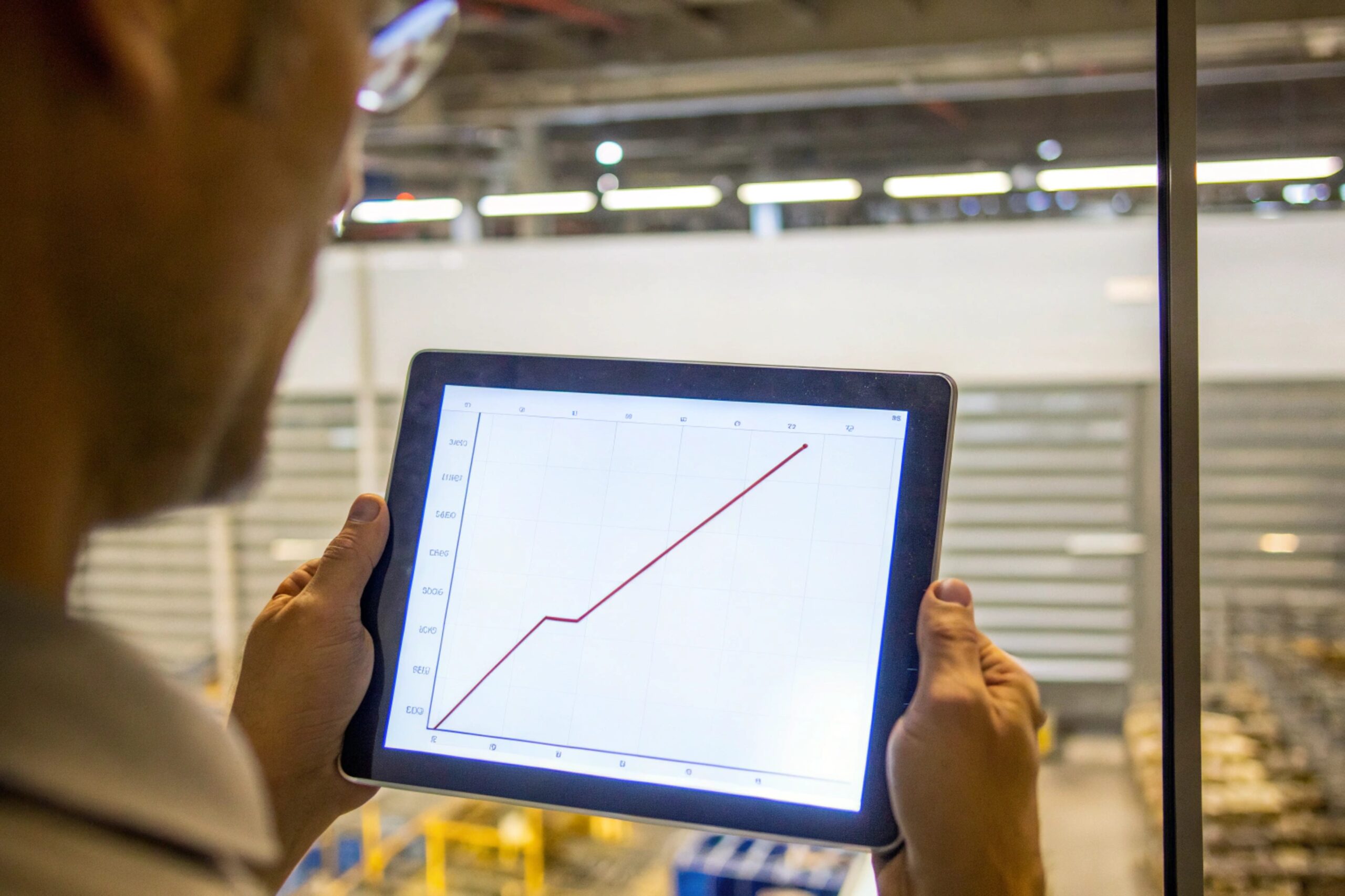
Cost Analysis
Choosing between boron and carbon steel for track shoes involves:
- Material Cost: Boron is inherently more expensive, but offers extended life and reduced maintenance.
- Processing and Treatment: Boron requires specific Processing and Treatment 8 adding to the cost, whereas carbon is comparatively less intensive.
- Overall Durability: Boron’s capabilities may justify its initial high cost over time through enhanced durability.
Yet, carbon steel shouldn't be discounted entirely. Where conditions aren’t overly taxing, it provides a viable, cost-efficient solution.
Investment vs. Savings
Evaluating price involves balancing initial costs against long-term savings 9 brought on by reduced wear and downtime.
| Aspect | Carbon Steel | Boron Steel |
|---|---|---|
| Initial Cost | Lower | Higher |
| Maintenance & Replacement | Frequent | Less frequent |
| Operational Savings | Moderately low | Potentially high |
Though investing in boron might strain budgets initially, the longevity and reduced maintenance offer cost benefits over time.
Can I request a specific material composition (like higher manganese) for my custom order?
Customization opportunities excite me, offering flexibility to enhance performance as needed. But is requesting custom specs always feasible?
Custom material compositions, like higher manganese content, are generally possible, aligning with specific performance demands. It involves discussions with manufacturers to understand capacity and costs associated with custom modifications.
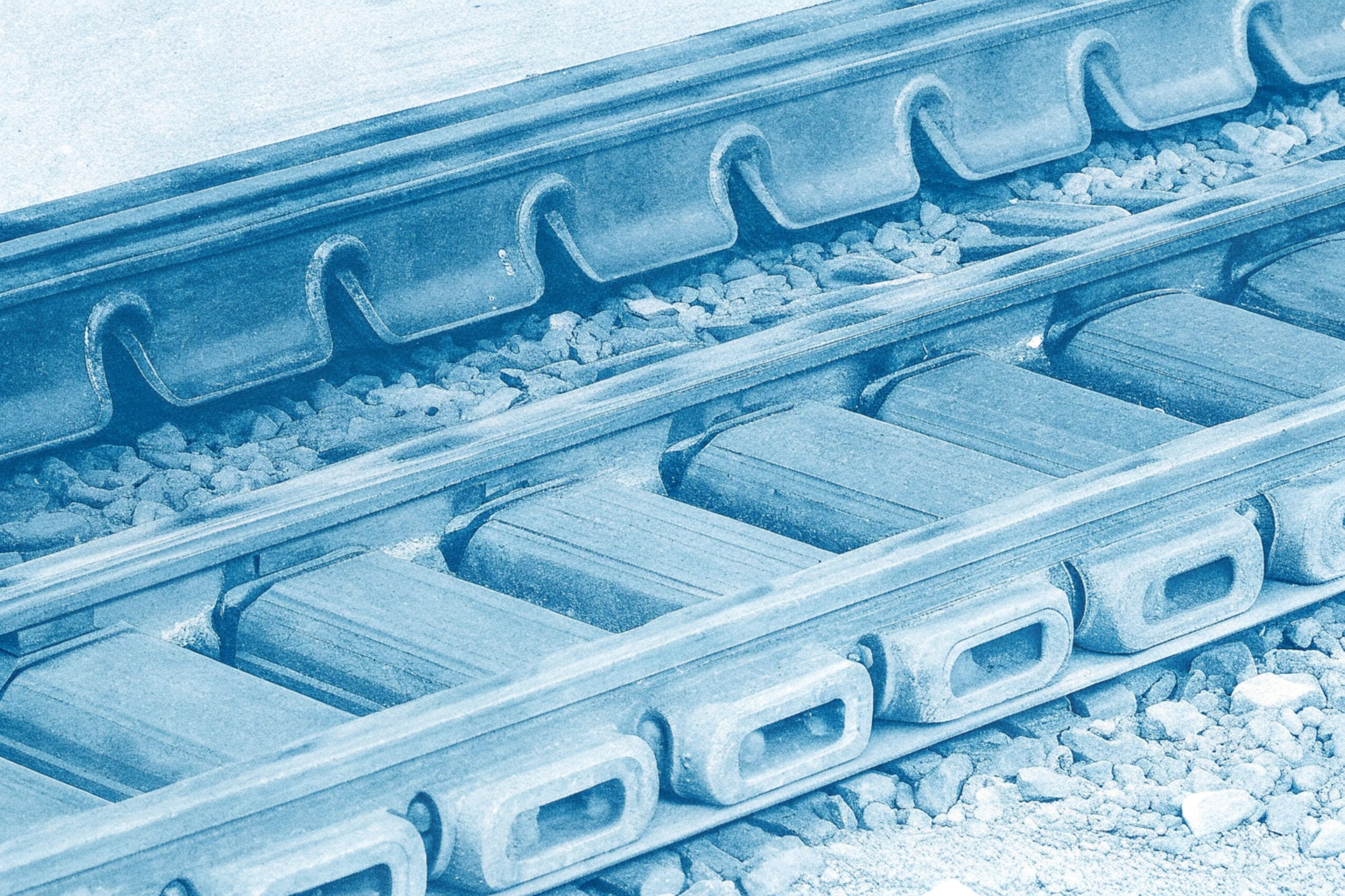
Deciding on Customization
Customization allows for more tailored solutions but needs clear comprehension of implications:
- Technical Feasibility: Not all manufacturers might accommodate Technical Feasibility 10 or blends.
- Production Adjustments: May require changes in production line processes leading to possible increased lead times.
- Cost Considerations: Custom compositions, particularly with premium materials, can escalate costs due to altered production flows.
Exploring Customization Options
Material adjustments may include:
- Increased Manganese: Excellent for shock resistance and longer service life in high-impact areas.
- Special Coatings: Enhancing surfaces for added protection against specific threats like corrosion.
| Custom Options | Typical Benefits | Potential Trade-offs |
|---|---|---|
| Higher Manganese Content | Greater toughness | Possible cost increase |
| Specialized Alloys | Tailored for specific needs | Production complexity |
These considerations can help in weighing potential performance benefits against cost constraints, enabling strategic decisions according to unique requirements.
Conclusion
Choosing the optimal material for track shoe assemblies involves balancing cost with performance demands specific to the environment they will operate in.
Footnotes
1. Explore the components and functions of track shoe assemblies. ↩︎
2. A guide explaining the difference between material hardness and toughness. ↩︎
3. See how heat treatment processes enhance steel properties. ↩︎
4. Understand the role of shock absorption in heavy-duty applications. ↩︎s
5. Learn about solutions for machinery in high-abrasion environments. ↩︎
6. Explaining the importance of impact resistance in industrial materials. ↩︎
7. Strategies for managing budget constraints in industrial procurement. ↩︎
8. Overview of steel processing and treatment costs and methods. ↩︎
9. How initial investments in quality materials lead to long-term savings. ↩︎
10. Assessing the technical feasibility of custom material manufacturing. ↩︎