
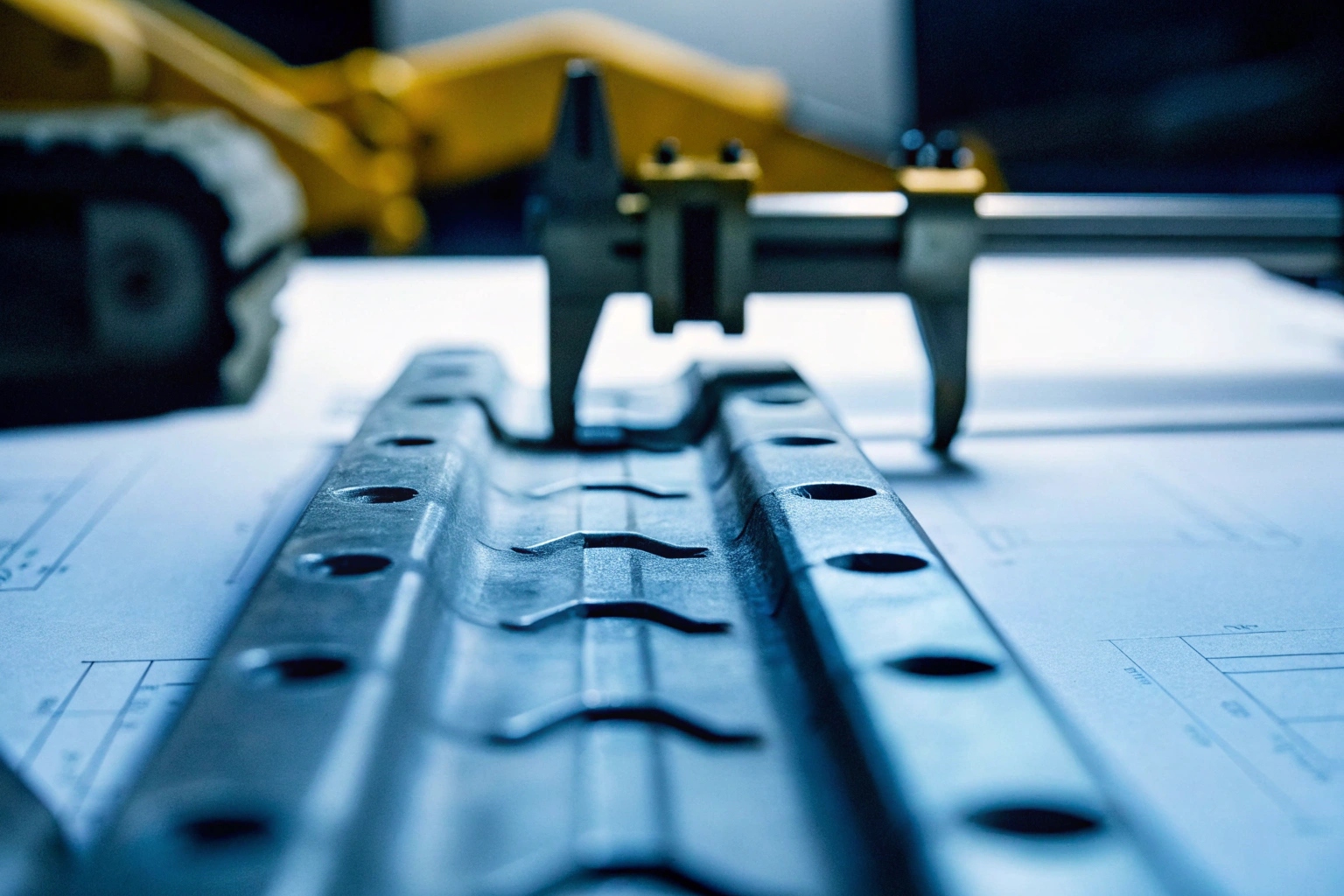
Have you ever found yourself uncertain about how to get started with a track shoe assembly sample? I have, and it's actually simpler than you'd think.
In order to receive a sample for a track shoe assembly, the buyer must specify technical requirements related to design specifications 1 and overall needs for evaluation and testing. The sample typically involves processes such as mold making 2, material preparation, machining 3, and inspection before shipment as per the agreement.
Understanding how these two things interplay is key to ensuring you receive a track shoe assembly sample that meets your technical evaluation needs.
| Step | Action | Details |
|---|---|---|
| 1 | Inquiry | Determine needs and select suppliers with certifications 4. |
| 2 | Specification Confirmation | Provide detailed requirements such as material and thickness. |
| 3 | Payment & Production | Pay sample fee and arrange production or sample dispatch. |
| 4 | Sample Inspection | Inspect or test samples through third-parties 5 if needed. |
How long will it take for me to receive a sample for my technical evaluation and testing?
Curious about the timeline for receiving your sample? You're not alone. Many wonder how long they'll need to wait.
Typically, the lead time for receiving a sample varies based on manufacturer capacity and product complexity. It may take anywhere from a few days to several weeks for the sample to be produced and shipped to you.
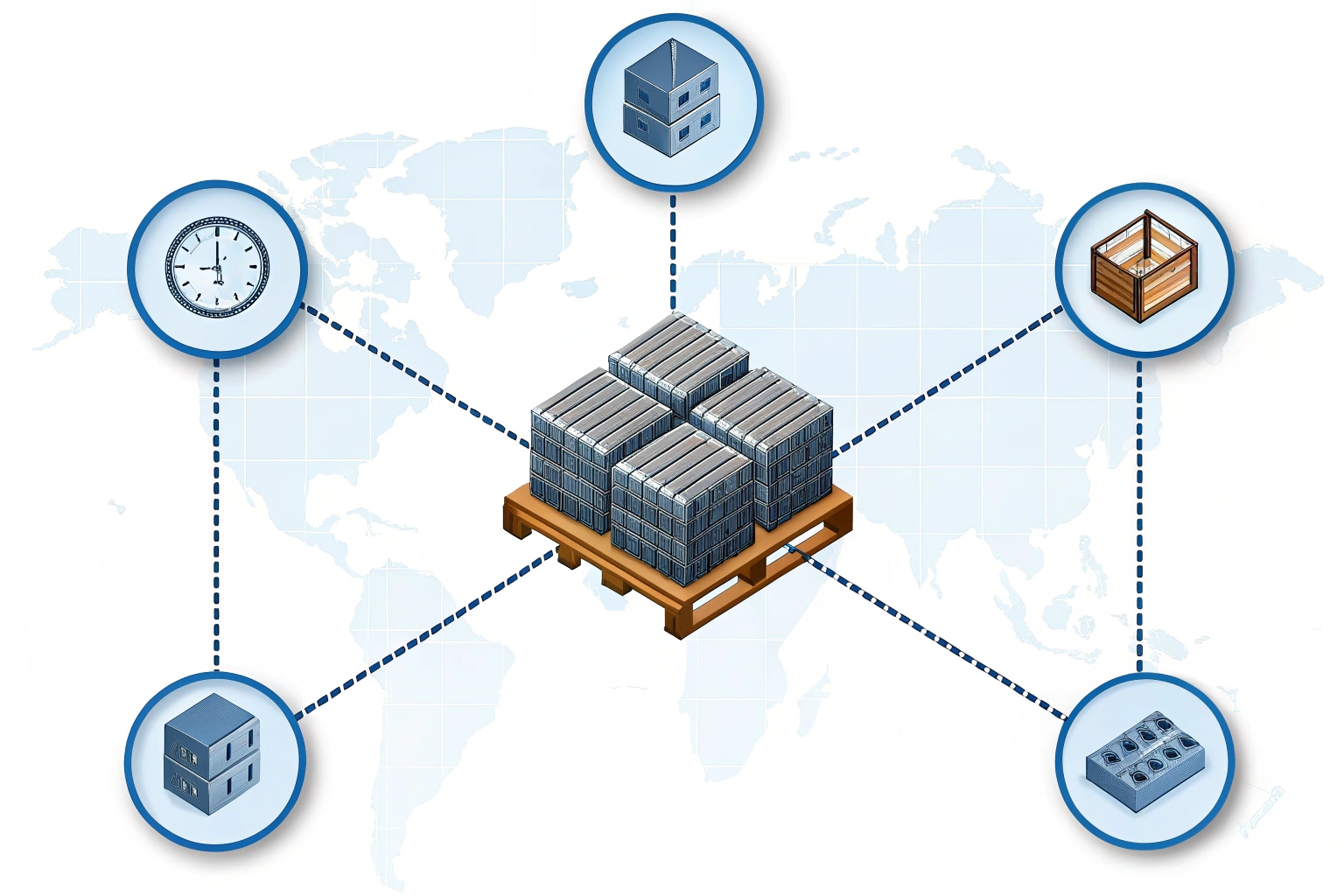
While some manufacturers may offer expedited services, the intricate production of track shoe assemblies may naturally lead to longer periods. High quality often requires patience, particularly if customization is involved. It’s wise to plan for contingencies and clear communication about delivery expectations with suppliers or manufacturers.
Track shoe assemblies require meticulous attention to detail. This means taking full consideration of materials, design, standards, and more. Upfront consultation helps in clarifying requirements, allowing manufacturers to craft samples specifically tailored for evaluation and testing. Efforts towards transparency in the production timeline 6 ensure no surprises, and better tracks communication across all stakeholders involved.
| Factor | Time Range | Details |
|---|---|---|
| Manufacturer Capacity | Few days to weeks | Depending on production load. |
| Complexity | Varies | More complex designs take longer. |
Will the sample I receive be from your mass production line or a one-off prototype?
Imagine the difference between a mass production item and a unique prototype. Ever wondered what kind your sample would be?
The sample you receive for technical evaluation can either originate from mass production runs 7 or be a uniquely crafted prototype depending on agreement details. Many suppliers prefer using production line samples due to cost-effectiveness.
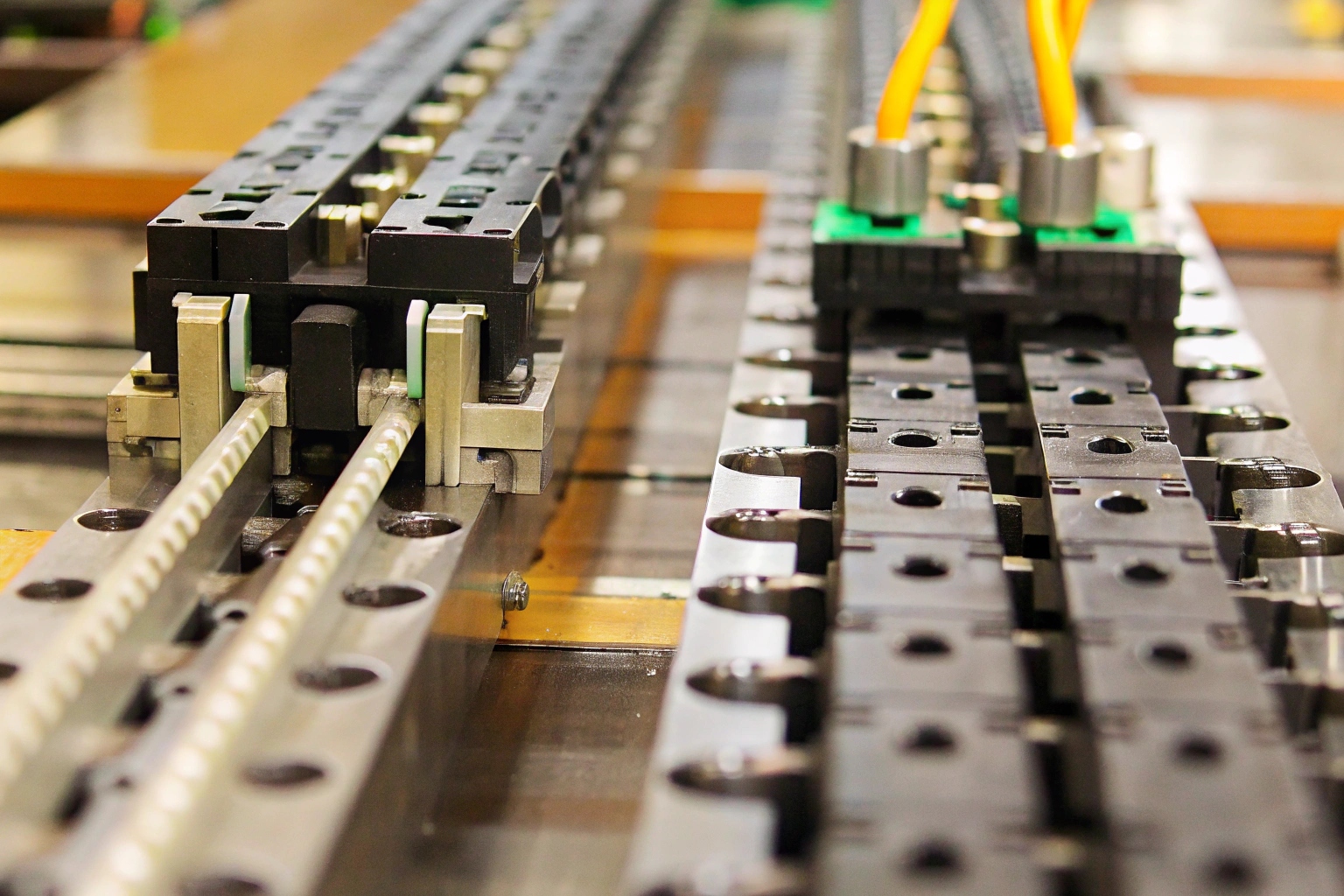
The choice between a prototype and production sample often hinges upon customer specifications. While mass-produced samples illustrate consistency and established standards, prototypes 8 showcase custom design elements facilitating technical examinations.
Engaging in thorough discussions with manufacturers helps bridge disparity, allowing insight into production methodologies favored for your sample test. Customized solutions should be transparent and outlined, ensuring clarity for the buyer. Acceptance goes hand-in-hand with proof that the sample aligns directly with what both parties consider essential for evaluation purposes.
| Sample Type | Origin | Benefits |
|---|---|---|
| Production | Mass production line | Cost-effective, consistency. |
| Prototype | Custom made | Tailored for specific needs. |
If I place a bulk order, will the sample cost (and my shipping cost) be deducted?
Have you wondered if investing in a sample and its shipping might save you money on future orders? Here's what you should know.
Yes, buyers often find that upon placing a bulk order 9, the sample fees and associated shipping costs can be deducted from the overall invoice. This deduction generally depends on supplier policies and previous agreement.
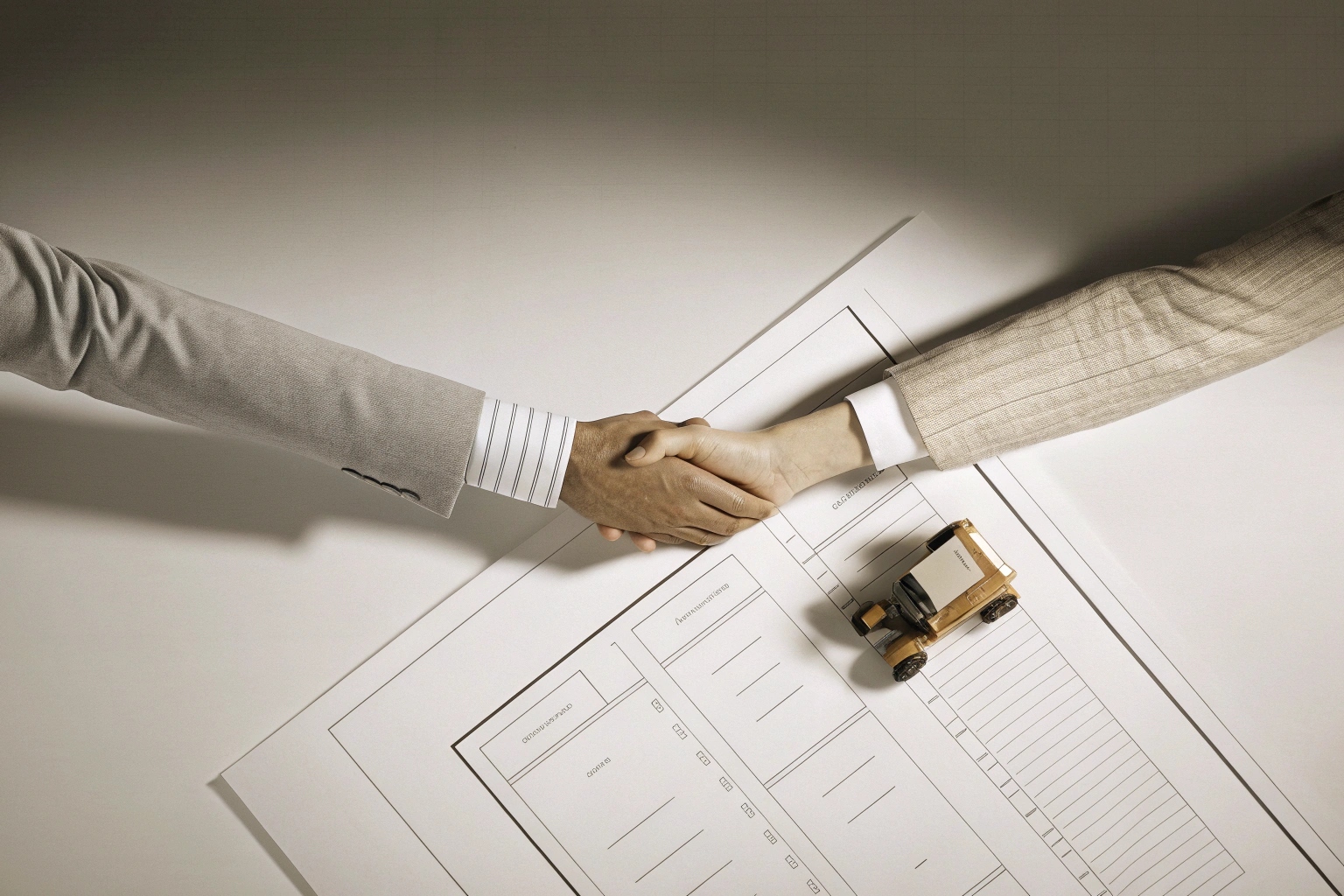
Terms of refund vary among suppliers, but the sample's cost may become negotiable when framing large orders. Supplier-friendly policies extend opportunities where sample costs impact the final pricing. Each scenario leans on pre-established agreements dictating refund conditions.
Investigating these unique aspects ahead of purchasing mitigates risk. As a buyer, gain foresight by seeking straightforward conversations with suppliers or manufacturers, clarifying deductions applicable upon bulk commitments. Craft contractual inclusivity that envisions smooth transitioning from sample acquisition to high-volume procurement.
Do I have to pay for the expensive air freight for a heavy sample, or can you cover it?
The notion of paying for hefty air freight can be daunting. What if costs could be covered by another party?
Freight costs incurred for sample shipping can become overwhelming. Often, buyers initially handle air freight 10 charges. However, manufacturers may agree to cover these fees or offer discounts when only particular preconditions are met, such as a commitment to bulk ordering.
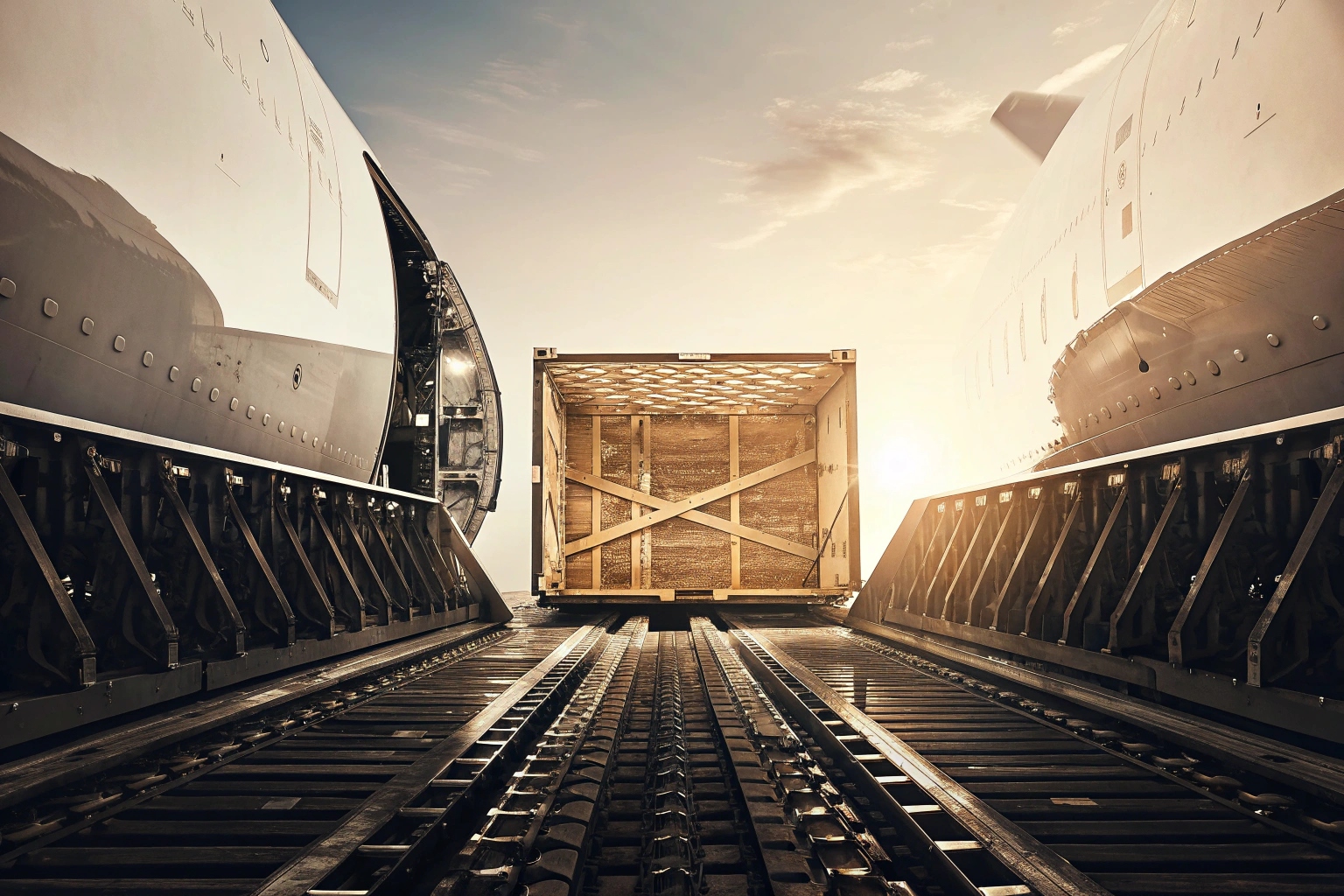
Shipping of hefty track shoe samples calls attention to logistical frailties and cost variables. It's crucial to forge partnerships that advance mutual benefits regarding transport expenses. Toward this focal purpose, dialogues with manufacturers ascertain potential for covering air freight.
Presentation of coherent claims about cost-effectiveness and benefits to suppliers might nurture agreeable terms around transportation expenses, eventually reframing delivery calculus. The realm of large equipment demands foresight coupled with authentic negotiation tactics, yielding budget-friendly shipments of products.
Conclusion
Navigating sample processes for track shoe assembly requires clear communication, understanding of supplier policies, and strategic planning. It's about getting the right sample with minimal costs involved.
Footnotes
1. Understanding technical requirements for accurate product manufacturing. ↩︎
2. Process of creating molds for shaping track shoe components. ↩︎
3. Overview of removing material to achieve precise dimensions. ↩︎
4. Importance of ISO standards in verifying supplier quality. ↩︎
5. Role of independent agencies in validating product quality. ↩︎
6. How scheduling affects delivery and supply chain planning. ↩︎
7. Manufacturing process for producing large quantities of standardized products. ↩︎
8. Benefits of early models for testing design concepts. ↩︎
9. Advantages of large-volume purchasing for cost reduction. ↩︎
10. Guide to shipping heavy goods via air transport. ↩︎