
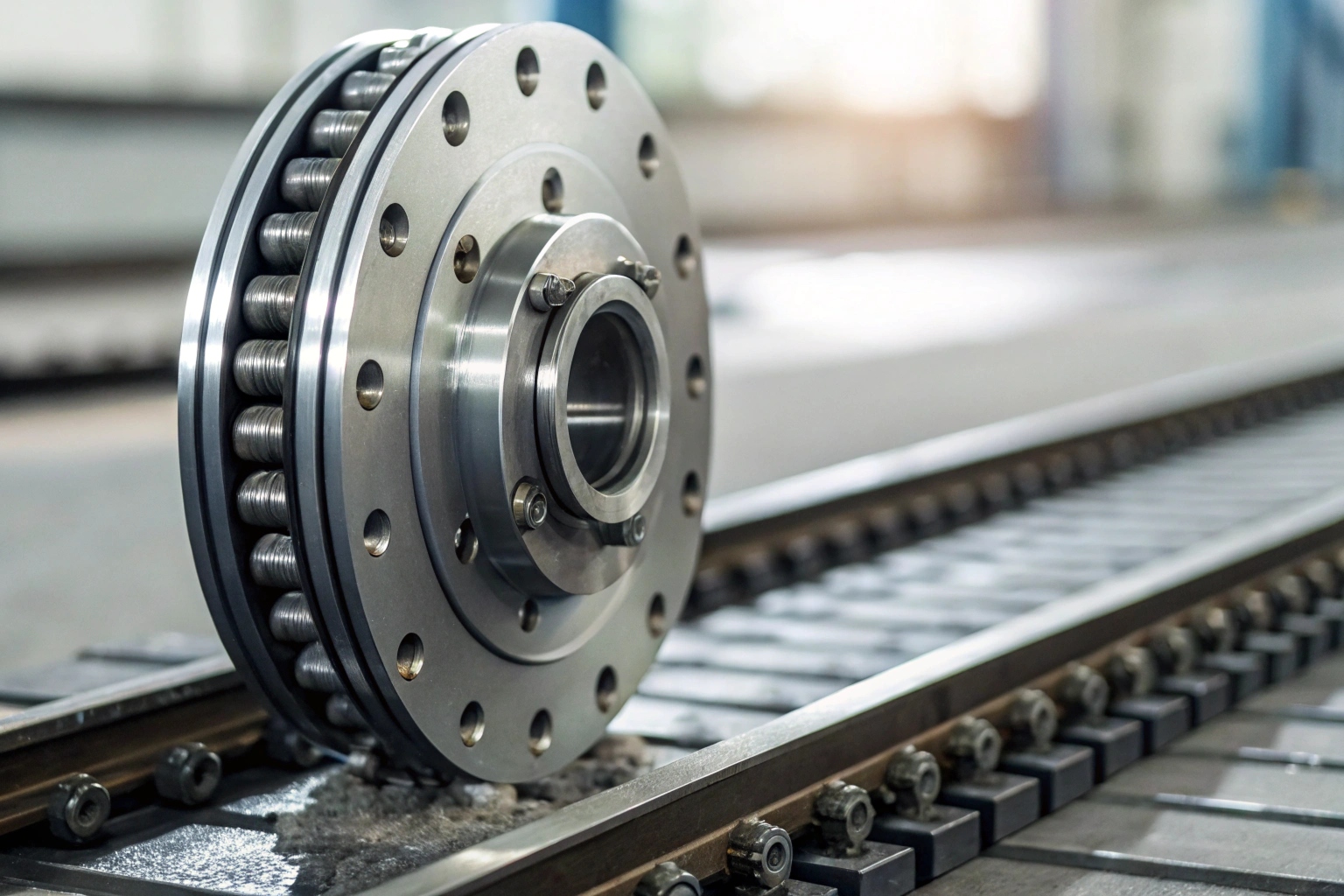
In the competitive world of construction and excavation equipment 1, understanding the lifespan of critical parts like the track shoe assembly can be crucial. I've always pondered whether the investment in a Dingtai product would give me the reliability I need.
The expected lifespan of Dingtai track shoe assemblies typically ranges from 70% to 90% of OEM parts in standard construction environments and can drop to 60% to 80% under heavy mining conditions. However, the choice between a Dingtai and an OEM product often involves more than just longevity; it’s about balancing cost, performance, and reliability.
Deciding on the best part for your equipment means understanding your working conditions and what the equipment goes through daily. This decision can have financial implications regarding maintenance cost 2, downtime, and performance efficiency.
Can you provide any real-world field test data or case studies comparing your wear life to OEM?
When it comes to verifying the quality of a product, nothing beats real-world data. I find myself asking whether Dingtai's track shoe assemblies have been put to the test, and how do they stack up against OEM standards?
Field test data reveals that OEM track shoes often surpass 4,000 to 5,000 hours in mining conditions, whereas superior aftermarket options such as Dingtai can achieve 3,200 to 4,000 hours, with standard aftermarket alternatives falling behind at 2,000 to 2,800 hours.
Gaining insights from real-world applications, especially those involving heavy machinery, can be instrumental in this comparative analysis. Let's delve deeper into the data and trends that inform decisions on track shoe assembly selection.
Case Study Comparisons
Sany Factory Data: In typical scenarios involving one-fourth of the machine's weighted load, Sany factory track shoes 3 demonstrate bending fatigue life reaching up to a million cycles, whereas aftermarket alternatives often lag with only 600,000 to 800,000 cycles.
Material Composition: The core difference arises from variations in material composition and treatment processes. OEM parts utilize proprietary alloy steel formulas 4, benefiting from advanced heat treatment, leading to improved durability.
Mining Performance Results: Actual tests on Caterpillar machines in mining operations 5 present a pronounced disparity, as OEM parts exhibit lifespans of 4,000-5,000 hours, while ordinary aftermarket parts offer only half this lifespan.
Understanding this complex set of variables can help operators make more informed decisions when choosing between OEM and aftermarket options.
How do you measure "lifespan"?
The lifespan of a track shoe assembly can often be vague unless clearly defined by objective criteria. At Dingtai, I ensure we use standardized measurements to offer clarity and precision.
Lifespan is evaluated through parameters such as hours of operation, load capacity metrics, initial wear-bar indicators, and continuous wear-and-tear assessments. Each metric helps inform users of the track assembly’s performance lifespan in various operational contexts.
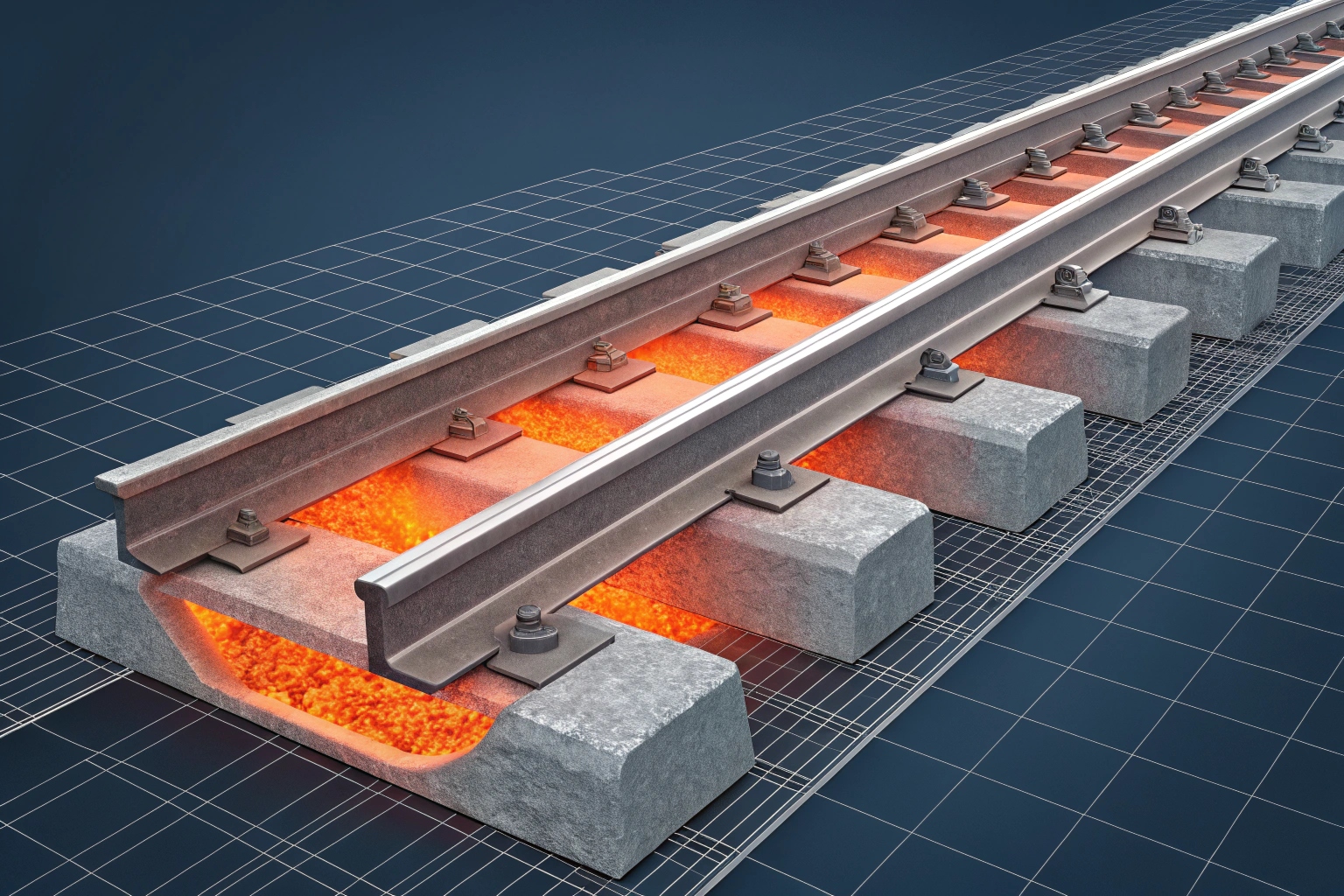
Understanding how lifespan is assessed is essential for anyone considering sizable investments in machinery parts. Let's break down these evaluation methods, shedding light on vital performance metrics.
Lifespan Metrics
Operating Hours: The duration in active service until the expectancy of replacing the assembly due to unbearable wear or performance degradation.
Load Tolerance and Cycles: Defined by the weight load tolerance 6 cycles a track shoe assembly can endure based on standard testing protocols under repeatable conditions.
Material Specifications Table:
Material Type OEM Composition Dingtai Alternative Steel Grade Boron-Alloyed 7 40MnB/45Mn2 Hardness (HRC) 52-58 48-52 Wear-Bar Indication: Regular checking of wear bars determines the impending need for replacement before catastrophic failures occur.
Failure Chronology: An assessment of which components tend to fail first among the pad, pin, and other integral parts involved.
By understanding these metrics, you can closely align the lifespan expectancy of your track shoe assemblies with your specific operational environment and objectives.
What is the average price of your part as a percentage of the OEM price?
Price plays a pivotal role in my purchase decisions regarding parts. For Dingtai parts, understanding their cost relative to OEM counterparts offers valuable insights into budget planning 8.
Dingtai parts are generally priced at about 60% to 70% of the equivalent OEM parts, offering a cost-effective alternative without compromising on the essential attributes of performance and reliability.
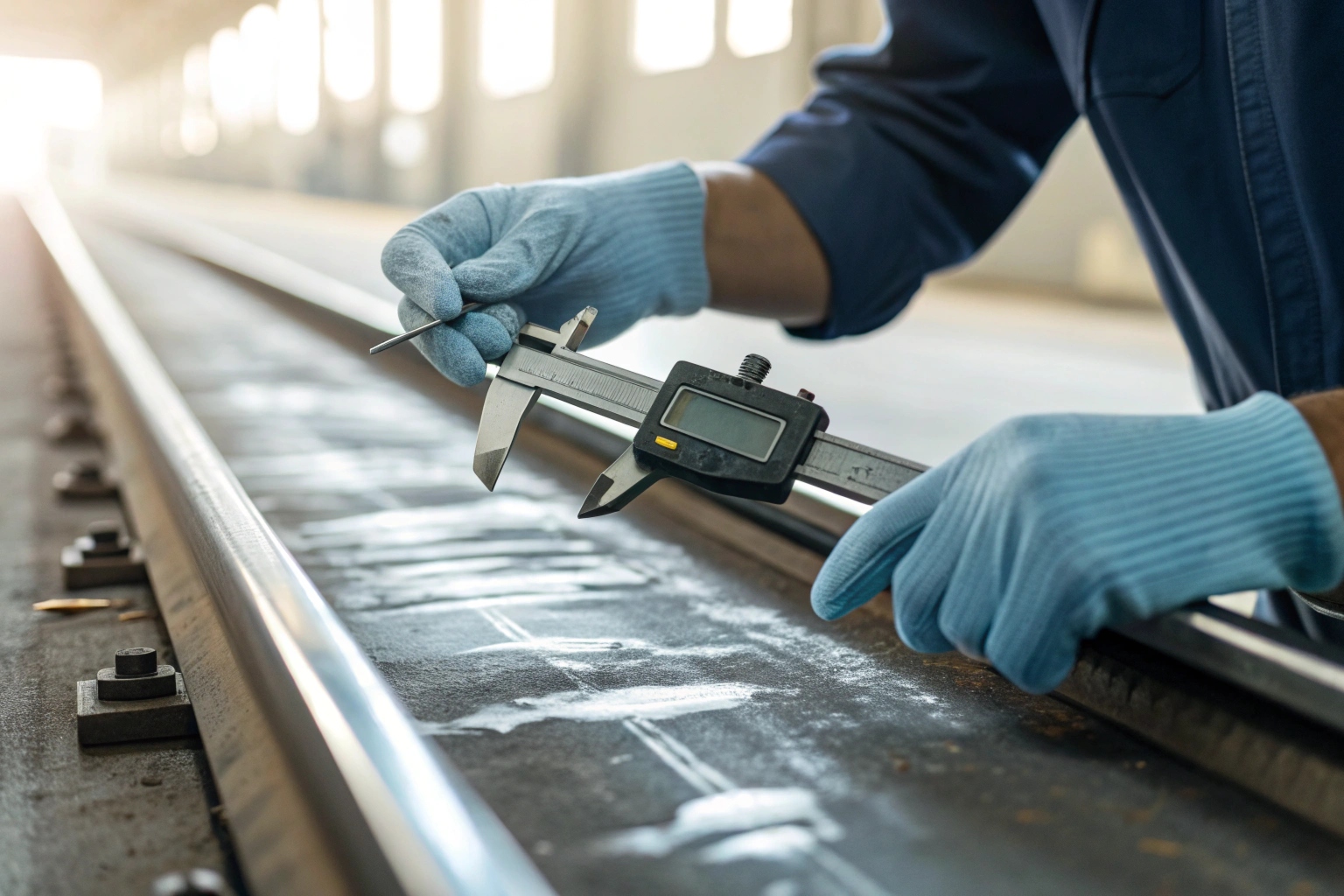
Now, let's examine how these pricing factors correlate with overall expenditure and financial planning in equipment management.
Price Comparison Analysis
Investment vs Benefits Table:
Cost Aspect OEM Dingtai Purchase Price (%) 100% 60%-70% Cost per Hour Usage $4.00 $6.00 Economics of Scale: The initial saving on part costs can be attractive, especially for large fleets needing frequent replacements due to harsh operational environments.
Performance Validation: Perhaps most crucial is understanding that reduced costs should not necessarily compromise quality. Dingtai products are rigorously tested to ensure adherence to major industry standards.
Ultimately, the economic efficiencies from opting for competitive pricing add up across large projects, particularly where a high rate of part turnover is anticipated.
How do you justify that your product provides a better "total cost of ownership" or "cost per hour" value?
Quantifying value extends beyond mere purchase prices; it encompasses consistent performance, durability, and lifecycle costs 9. I explore how Dingtai stands firm in delivering worth through its products.
Dingtai tracks deliver enhanced total ownership value by factoring in reduced downtime, less frequent replacements, and lower maintenance cycles, culminating in competitive hourly operation costs.

Apprehending the elements of total cost ownership and operation economics exposes how choices in component selection reflect broader financial planning and asset management strategies 10.
Ownership and Cost Metrics
Service Intervals: Extended repair intervals suggest fewer disruptions, enabling critical projects to maintain pace, thereby directly contributing to operational efficiency.
Downtime Reduction Analysis:
Key Metric OEM Dingtai Downtime Duration (Monthly) 5% 7% Maintenance Frequency Annually <1-2x 3-4x Reliability Metrics: Dingtai's assured testing and design standards match resilient OEM offerings, presenting an assured choice for adaptability in varied terrain conditions.
The strategic advantage of choosing Dingtai underscores that true value manifests in the union of reliability, cost efficiency, and sustainable operational capacities.
Conclusion
Thorough testing and thoughtful design align Dingtai parts as a robust choice, balancing performance and economic efficiency perfectly. These data points guide confident selection decisions.
Footnotes
1. Overview of various heavy machinery types used in construction projects. ↩︎
2. Guide to calculating and managing equipment maintenance expenses effectively. ↩︎
3. Official parts information for Sany heavy industry machinery. ↩︎
4. Explanation of alloy steel properties and their industrial applications. ↩︎
5. Solutions and equipment specifically designed for the mining industry. ↩︎
6. Understanding safe working loads and mechanical stress limits. ↩︎
7. Technical details on boron steel used for high wear resistance. ↩︎
8. Best practices for creating and managing corporate financial budgets. ↩︎
9. Definition and analysis of costs over a product's entire life. ↩︎
10. Strategies for optimizing the value and lifecycle of physical assets. ↩︎