
I know the frustration of looking at a price quote and wondering exactly where the numbers come from. You need clarity on these costs to explain the budget to your team and ensure you are getting fair value.
The final price of a track shoe assembly is driven by raw material grade, heat treatment complexity, coating specifications, export packaging, and freight logistics. Understanding these five pillars helps you negotiate better and ensures you aren't overpaying for unnecessary features or underpaying for poor quality.
Let’s break down these costs specifically so you can see exactly where your money goes and how to make smarter purchasing decisions.
What percentage of the total cost is raw material, and how volatile is it?
I know how stressful it is when suppliers suddenly raise prices due to "market changes" without a clear explanation. You deserve to know how much of your money actually goes into the steel itself.
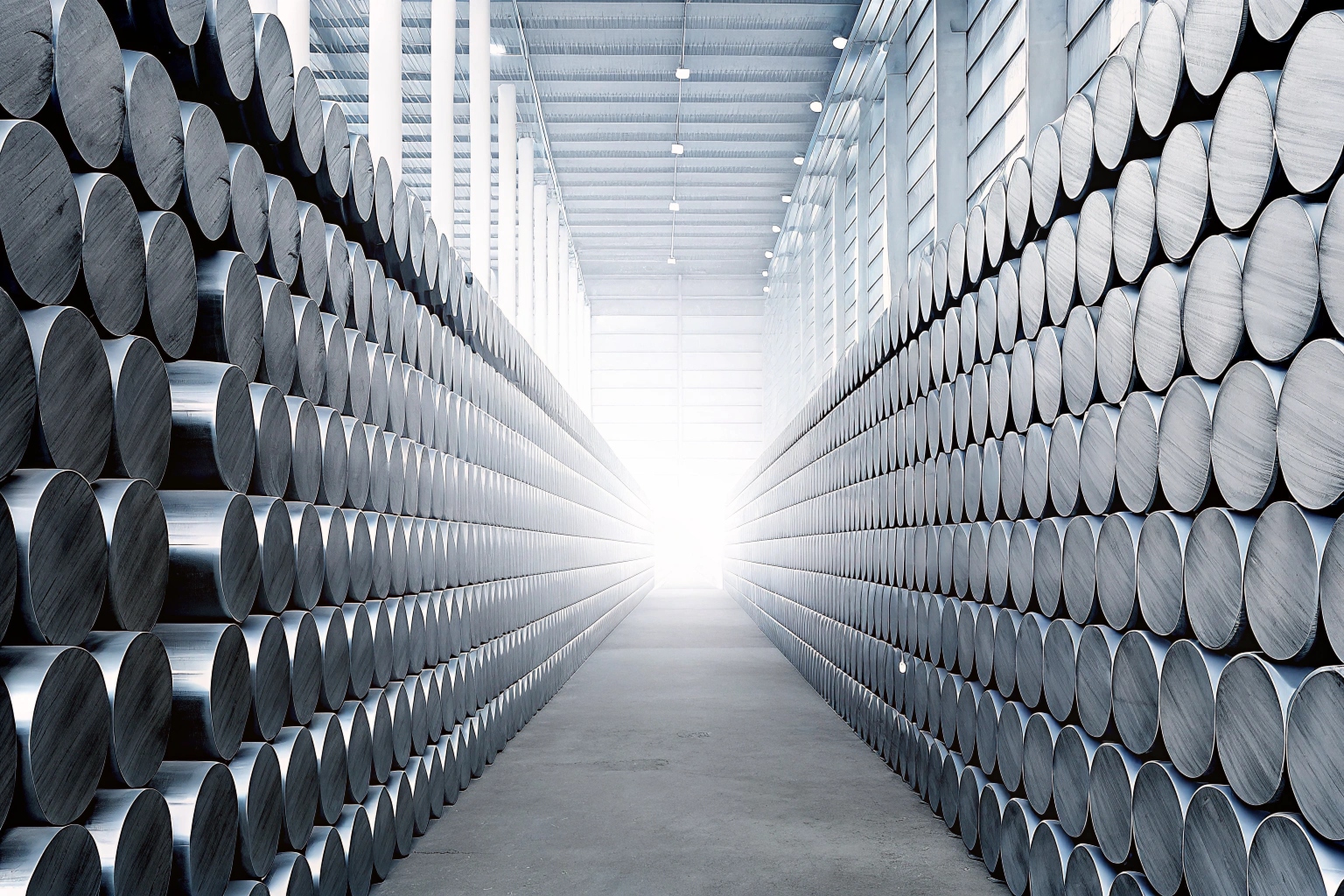
Raw material, specifically high-quality steel, typically accounts for 50% to 60% of the total manufacturing cost. This high percentage makes the final price highly sensitive to global steel market volatility, meaning quotes can change significantly from month to month based on scrap and alloy prices.
The cost of raw material is the foundation of your price. In the undercarriage industry, we cannot change the fact that track shoes are heavy, metal-intensive products. However, the type of steel we use changes the price significantly.
The Difference in Steel Grades
For high-quality track shoes, we generally use Boron steel 1, such as 35MnB, 40MnB, or 45MnB. This is not just random metal. Boron steel is an alloy that reacts very well to heat treatment. It allows the track shoe to become hard without becoming brittle. This material costs more than standard carbon steel or recycled "scrap" steel that some low-end factories might use. When a manufacturer offers a price that seems too good to be true, they are often using a lower grade of steel. This reduces their material cost by 20% or more, but it drastically reduces the lifespan of the shoe on your bulldozer or excavator.
Market Volatility
Since steel makes up more than half of the production cost, the price of a track shoe is directly linked to the global steel market volatility 2. If the price of iron ore or steel scrap goes up, the cost of the shoe goes up. We cannot absorb these costs because margins in manufacturing are tight.
Here is a breakdown of how material choice affects both cost and performance:
| Material Type | Relative Cost | Hardness Potential | Recommended Application |
|---|---|---|---|
| Scrap / Carbon Steel | Low | Low | Light duty, agricultural use |
| 25MnB Boron Steel | Medium | Medium | Small excavators (<10 tons) |
| 35MnB / 40MnB | High | High | Construction & Mining (Standard) |
| 45MnB Special Alloy | Very High | Very High | Extreme Mining / Abrasive Rock |
Why Transparency Matters
When you ask for a quote, you should ask what steel grade the factory uses. If they cannot tell you, or if they just say "steel," that is a red flag. A legitimate manufacturer knows that the material cost is the biggest part of the bill. We track the market weekly. When we give you a quote, it is based on the current price of 35MnB steel ingots. This transparency helps you understand that a price increase is not us trying to make more profit; it is the market reality of buying raw commodities.
Does the price change based on the complexity of the heat treatment or material?
You have likely seen cheap parts fail prematurely because they looked right but were not processed right. It is infuriating when "similar" parts perform so differently in the field, costing you time and money.
Yes, the price changes significantly because complex heat treatment is energy-intensive and time-consuming. Processes like quenching and tempering (Q&T) on boron steel require precise temperature control and expensive equipment, adding cost but ensuring the track shoes can withstand high-impact environments without cracking.
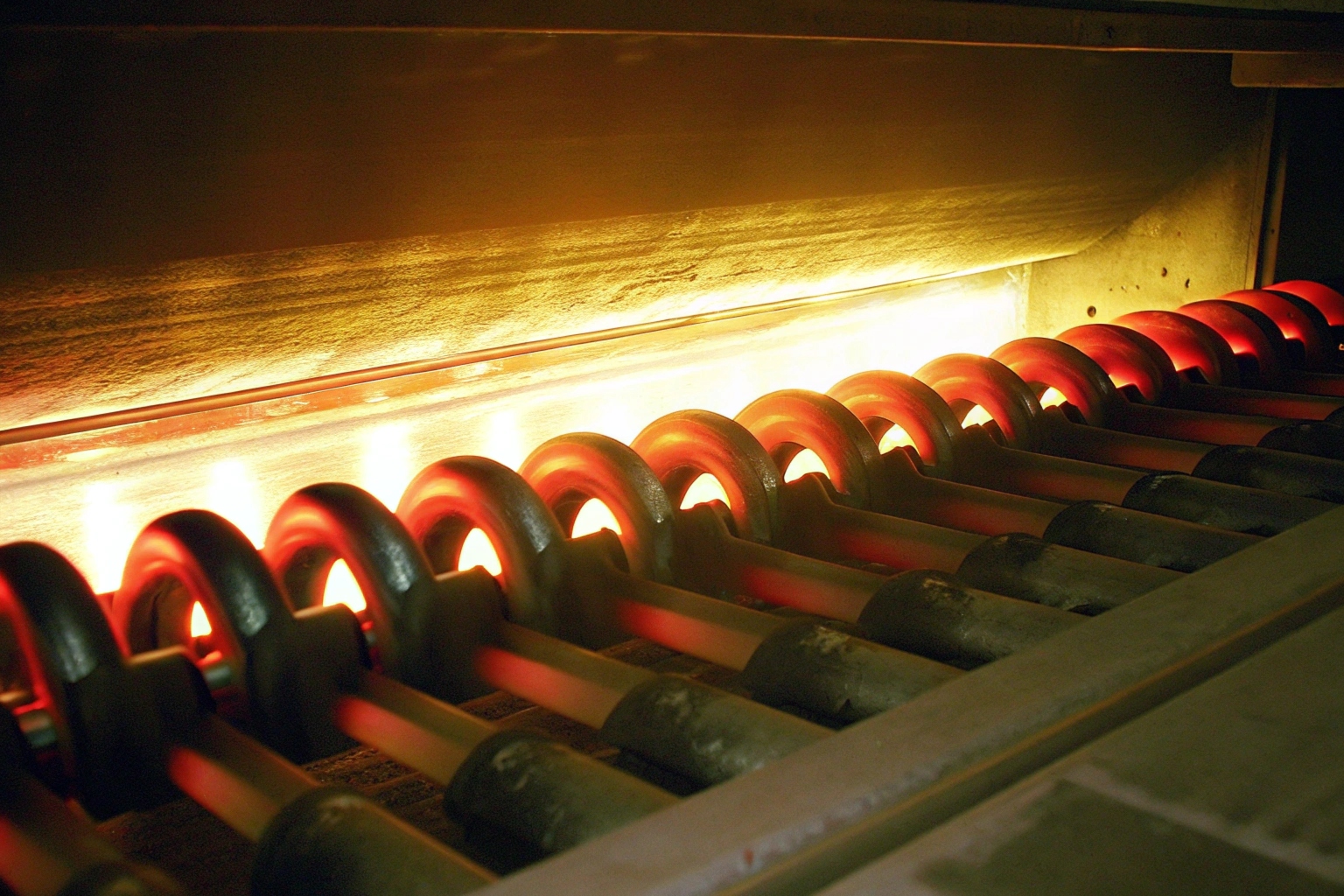
After the material cost, the processing cost is the second largest factor. This is where the difference between a manufacturer and a simple workshop becomes obvious. Processing includes forging, machining, and most importantly, heat treatment.
The Cost of Energy and Time
Heat treatment is not free. It requires massive furnaces running at very high temperatures (often over 850°C) for extended periods. This consumes a huge amount of electricity. In China, industrial electricity costs are a real expense.
To save money, some factories will skip the "Tempering" stage. They will heat the metal and cool it (Quenching), which makes it hard. But without quenching and tempering 3 (re-heating it to a lower temperature), the metal remains internally stressed and brittle.
- The Cheaper Way: Quench only. Low electricity cost. Fast production. Result: Shoes that snap under impact.
- The Right Way: Quench and Temper. Higher electricity bill. Takes twice as long. Result: Tough shoes that wear down slowly but do not break.
Machining and Assembly
Processing costs also include the labor and tooling to drill bolt holes and machine the mating surfaces. High-end track shoes need precise bolt hole alignment. If the holes are even a millimeter off, your technicians will struggle to install them. Achieving this precision requires CNC machines, which cost more to run than manual drill presses.
Additionally, if you are buying a full assembly (shoes + chain), the labor to bolt them together adds to the price. We use pneumatic torque wrenches 4 to ensure every bolt reaches the exact torque specification. This takes time. A factory that rushes this step charges less, but you might find loose bolts after fifty hours of operation.
Why You Pay for "Invisible" Processes
You cannot see heat treatment with your eyes. A properly heat-treated shoe looks exactly like a raw one. You are paying for the process, not just the visual appearance. When we quote a higher price for "Through Hardening," we are charging for the electricity and time it takes to harden the steel all the way to the core, not just the surface. This ensures that even as the grouser wears down, the metal underneath is still hard.
How do coating choices impact the final bill of materials?
Rusty parts on arrival look unprofessional and damage your reputation with your customers. I understand that you need parts that look as good as they perform, without paying for unnecessary aesthetics.
Coating adds a small but necessary layer to the cost, ranging from basic shop primer to heavy-duty marine-grade paint. While standard rust prevention is cheap, specialized coatings for high-salinity or abrasive environments require more expensive materials and labor, increasing the unit price.
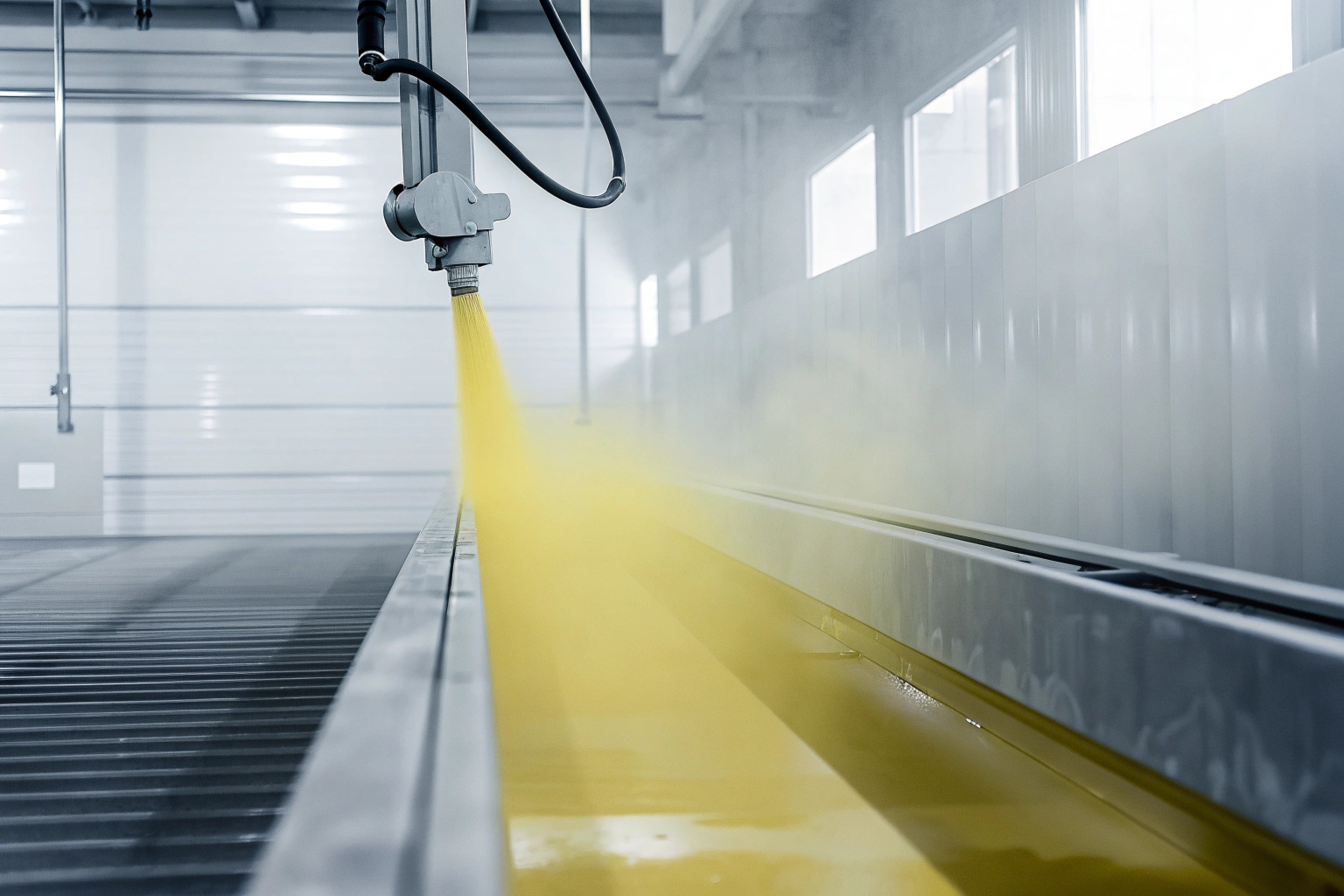
Coating is often overlooked, but it is a valid cost component. The primary purpose of coating track shoes is rust protection during transit and storage. Once the machine starts working, the paint on the ground-engaging surface wears off in minutes. However, the paint on the sides and the non-wear areas protects the steel from long-term corrosion.
Standard vs. Custom Coatings
- Standard Paint: Most track shoes come with a standard yellow or black industrial paint. This is sprayed on quickly and dries fast. The cost is minimal, perhaps 1-2% of the product price. It protects the metal while it sits in a warehouse.
- Bituminous or Marine Paint: If your parts are going to a customer near the ocean or in a highly corrosive environment, standard paint might fail. We can apply thicker, rubberized, or epoxy-based coatings. These materials cost three to four times more than standard paint. They also take longer to cure, which slows down our production line. This delay adds to the overhead cost.
Environmental Costs
In recent years, environmental regulations in China have become very strict. We cannot just spray paint into the air anymore. We must use water-based paints or have expensive air filtration systems to capture volatile organic compounds 5 (VOCs).
These compliance costs are now built into the price of painting. A small workshop might ignore these rules and offer a cheaper price, but they risk being shut down by the government, which threatens your supply chain reliability.
The Trade-off
For most construction applications, a standard electrophoretic coating 6 or simple spray paint is sufficient. It keeps the part looking new until it is sold. Asking for a "perfect, glossy finish" on a track shoe will raise the price because it requires surface preparation (like shot blasting 7) to make the metal smooth before painting. Since these parts are designed to dig into dirt/mud/rocks, we usually advise clients like you not to overspend on cosmetic perfection. The goal is protection, not decoration.
Can I reduce my total cost by changing the packaging without sacrificing safety?
Damaged goods are a nightmare for your inventory and your cash flow. You want to save money on logistics, but not if it means receiving bent track shoes or collapsed pallets that risk worker safety.
You can reduce costs by optimizing pallet density, but sacrificing essential protection like fumigated wood or steel strapping is risky. High-quality export packaging ensures parts arrive safe, and while it adds to the upfront price, it prevents expensive damage claims and logistics headaches later.
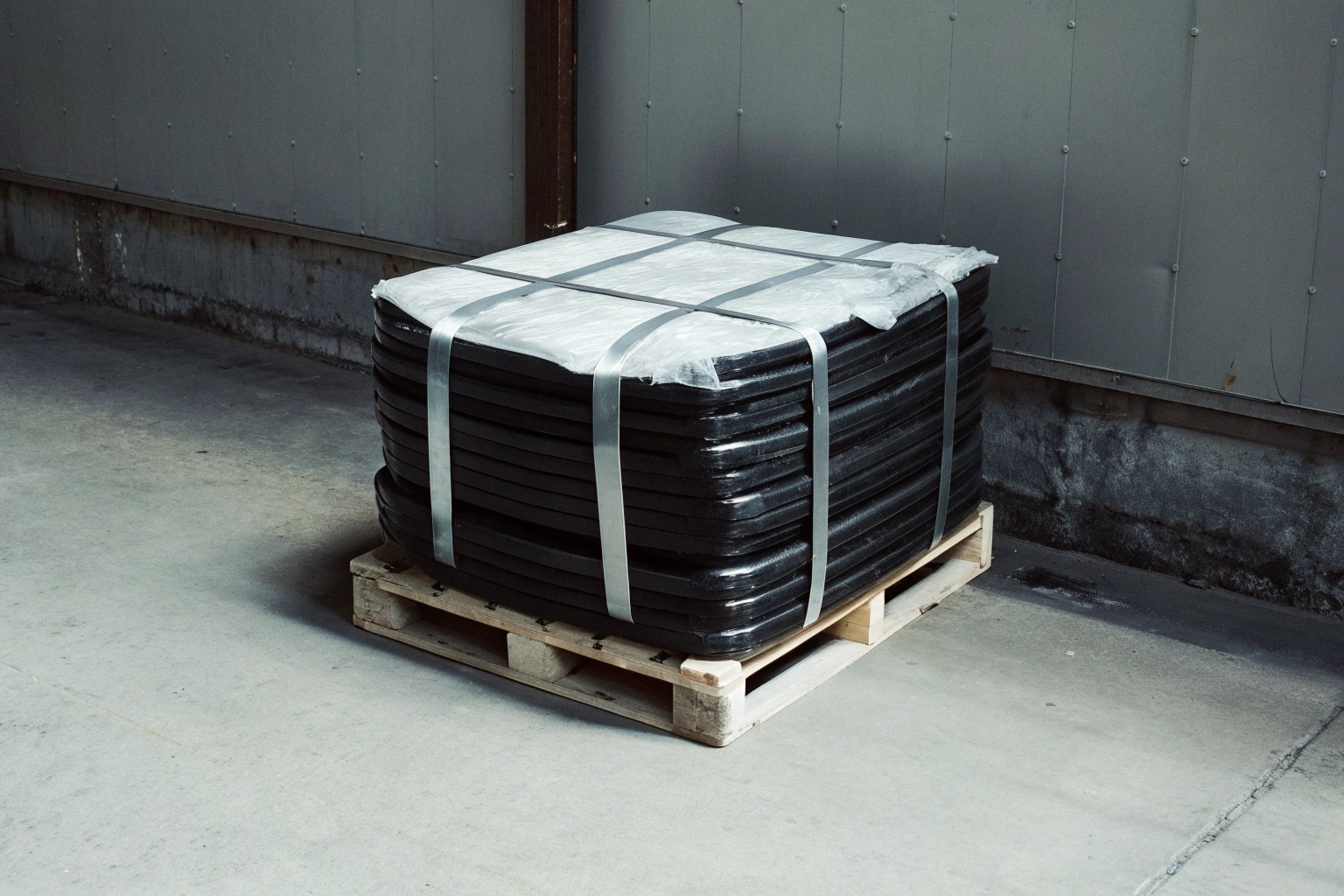
Packaging seems like a simple thing, but for heavy steel parts, it is a significant engineering challenge. A pallet of track shoes can weigh over 1.5 tons. If the packaging is weak, the pallet breaks. If the pallet breaks inside a shipping container, it is dangerous to unload and can damage other goods.
The Cost of Wood and Compliance
We use strong, fumigated wooden pallets 8. Fumigation is a mandatory requirement for shipping wood products to the USA to prevent pests. This certification costs money.
- Cheap Packaging: Some suppliers use "plywood" or thin waste wood. It is cheap and requires no fumigation certificate. However, it often collapses under the weight of steel track shoes.
- Proper Packaging: We use thick timber, heavily reinforced. We also use steel strapping, not plastic. Plastic straps snap when the ship rolls in a storm. Steel straps hold firm.
Labor and Materials
Packing is not just about the wood. It is about the labor. It takes a team of workers to stack the shoes perfectly, thread the steel straps, crimp them, and wrap the whole pallet in heavy-duty plastic to keep moisture out.
We also label each pallet clearly with your part numbers. This adds a small administrative cost but saves your warehouse team hours of time when receiving the goods.
Optimization Strategies
You can save money here by working with us on "Container Optimization." If you order a random quantity, say 150 pieces, we might have to use two pallets, one full and one half-empty. The packaging cost per unit goes up on the half-empty pallet.
If you order in full-pallet increments (e.g., multiples of 80 pieces), we maximize the density. You pay less for packaging per shoe because we are using the materials efficiently.
| Packaging Method | Cost Impact | Risk Level | Suitable For |
|---|---|---|---|
| Loose Loading | None | Extreme | Domestic / Truck only |
| Simple Pallet | Low | High | Short distance rail |
| Export Standard | Medium | Low | Int'l Sea Freight (Recommended) |
| Iron/Steel Frame | High | Very Low | Heavy Mining Parts |
How do freight and Incoterms influence the landed cost of track shoes?
Shipping fees can sometimes cost almost as much as the product itself, destroying your profit margins. It is painful to see a great factory price ruined by exorbitant logistics fees and hidden port charges.
Freight is a major variable, often dictated by weight, volume, and the chosen Incoterm (like FOB vs. CIF). Ocean freight is the most economical option for heavy track shoes, but urgent air shipments or inefficient container loading will drastically inflate the final landed cost per unit.
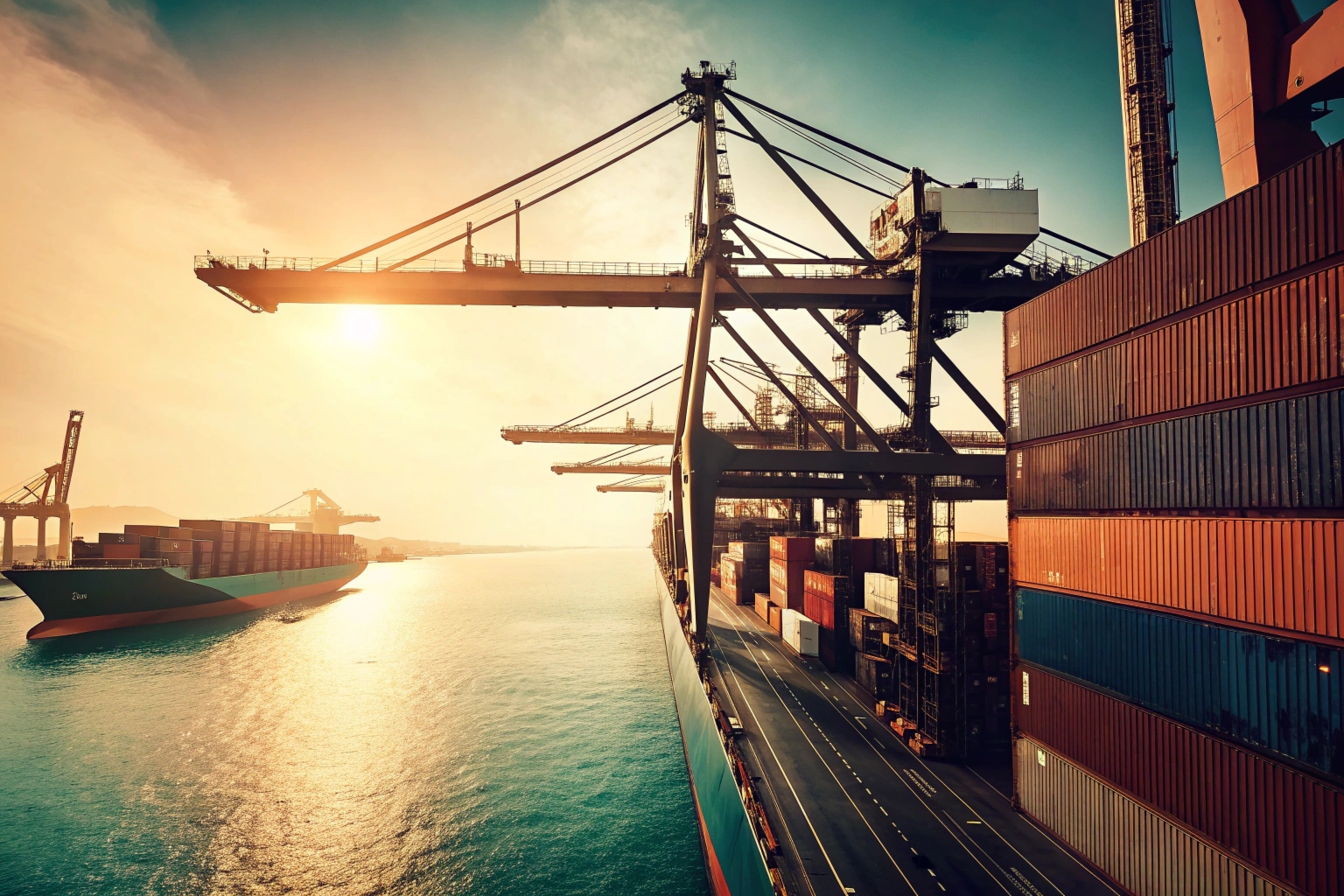
The final check you write isn't just to us; it's to the shipping line. For track shoes, the "Landed Cost" (Product + Freight + Duty) is the only number that matters to your bottom line.
Weight vs. Volume (Density)
Track shoes are incredibly dense. A standard 20-foot shipping container hits its weight limit (around 27 tons) long before it is full of space. You are paying for weight, not air.
This means we have to calculate the freight cost based on mass. If you order a small batch that does not fill a container (LCL - Less than Container Load), the freight forwarder charges you a premium for handling.
The most cost-effective way to buy track shoes is to fill a 20-foot container to its weight limit. This lowers the shipping cost per shoe to the absolute minimum.
Understanding Incoterms
The price we give you depends on the Incoterm 9 we agree on:
- EXW (Ex Works): You pay for everything from our factory door. The price looks low, but you handle all the risk and logistics.
- FOB (Free on Board): We pay to get the goods onto the ship in China. You pay the ocean freight and US import costs. This is the standard for most importers like you. It gives you control over the ocean carrier.
- CIF (Cost, Insurance, Freight): We pay the ocean freight to your US port. This is easier for you, but we might pick the cheapest (slowest) ship to save money.
- DDP (Delivered Duty Paid): We bring it to your door. This is the most expensive because we take all the risk and pay all the tariffs.
The "Hidden" Logistics Costs
Freight isn't just the boat ride. There are trucking fees from our factory to Xiamen port. There are document fees, export declaration fees, and insurance.
When we provide a quote, we try to be transparent about these. But remember, the ocean freight market changes weekly. A quote for shipping valid today might be different next month.
Also, do not forget US Customs duties. Since we are in China, specific tariffs apply to steel products. You need to factor this extra percentage into your "Total Cost" calculation to see if the import is viable. We can provide the exact HS Codes 10 so you can check the current duty rates with your broker.
Conclusion
The price of a track shoe assembly is a sum of tangible materials and critical processes. By understanding steel grades, heat treatment, and logistics, you can confidently choose value over the lowest sticker price.
Footnotes
1. Understand the properties of this alloy for high-wear applications. ↩︎
2. Monitor trends in raw material costs affecting manufacturing prices. ↩︎
3. Learn about the heat treatment process that strengthens steel. ↩︎
4. See tools used for precise assembly and bolt tensioning. ↩︎
5. Review environmental regulations impacting coating processes and costs. ↩︎
6. Explore this durable, corrosion-resistant finishing method for metal parts. ↩︎
7. Discover how surface preparation ensures proper paint adhesion. ↩︎
8. Check international standards for wood packaging to prevent pests. ↩︎
9. Read the official rules defining buyer and seller responsibilities. ↩︎
10. Look up classification codes for accurate import duty calculations. ↩︎