
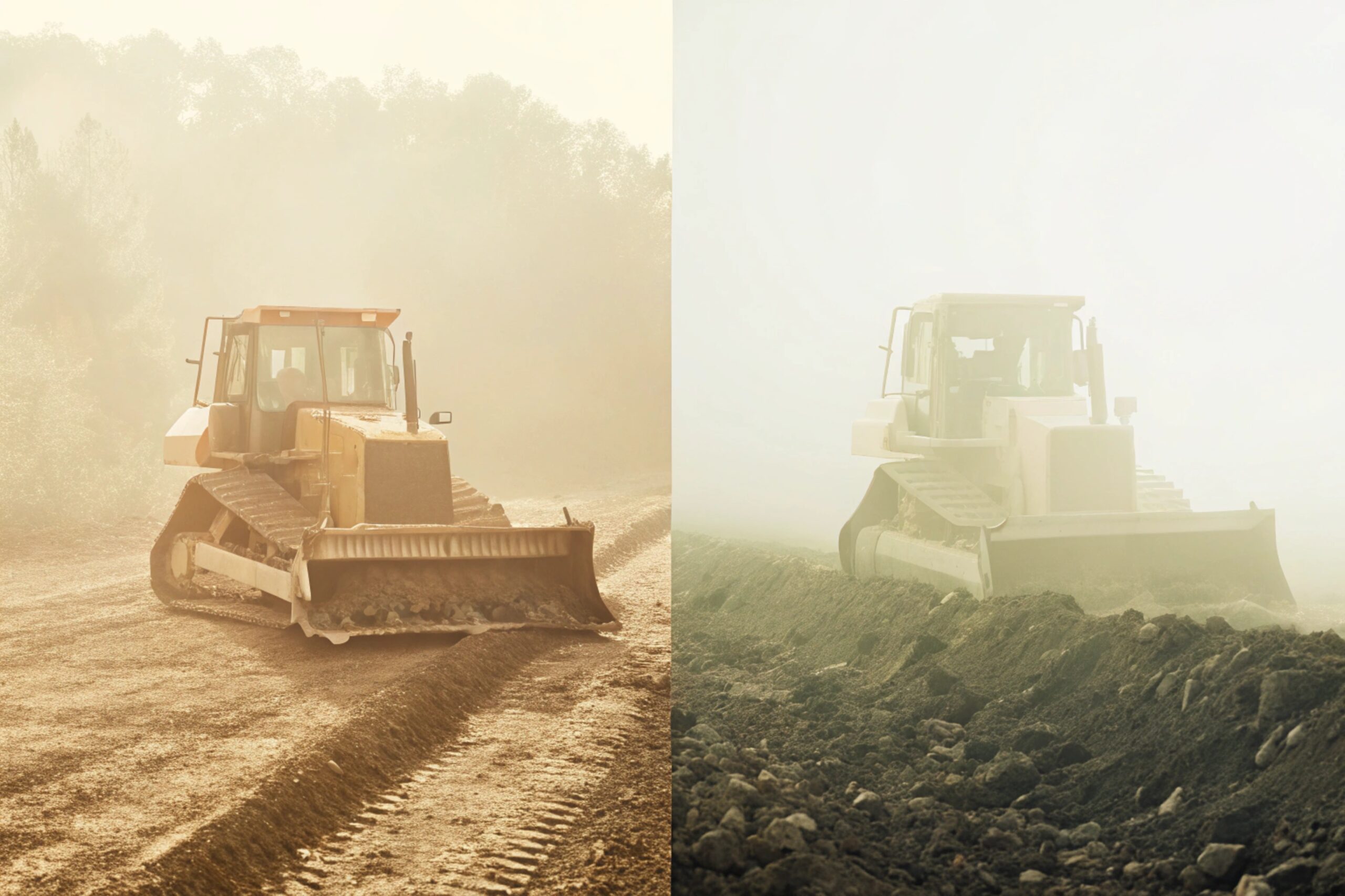
Swamp-type LGP wide track shoe assemblies, compared to standard ones, come with unique benefits and drawbacks. Personally, I found them ideal for challenging wet terrains. They provide exceptional flotation 1, reducing the machine's PSI and minimizing the risk of getting stuck. However, they do have drawbacks, such as increased fuel consumption 2 and less efficiency on hard surfaces.
Swamp-type LGP track shoe assemblies offer enhanced flotation in muddy conditions, significantly reducing ground pressure and the risk of the machine sinking. These shoes are specially designed with features such as trapezoidal holes and shallow grousers for better buoyancy. However, their increased surface area often leads to higher fuel consumption, and they may perform poorly on hard surfaces, struggling with traction and risking damage. Comparatively, standard track shoes are more maneuverable and efficient on hard terrains but may cause greater environmental disturbance in sensitive areas.
How much does a wider (LGP) shoe actually reduce the ground pressure (PSI) of my machine?
A wider LGP shoe drastically reduces the ground pressure of a machine. I always recommend these shoes for projects on soft terrains 3 where minimizing ground pressure is crucial. In muddy areas, they help avoid sinking and getting stuck.
LGP shoes can lower the ground pressure of a machine to about 30-50kPa compared to the 80-120kPa of standard shoes. Their design, with wider shoes usually 1.5-2.5 times standard width, distributes the equipment's weight over a larger surface area, minimizing soil disruption. This allows greater flotation in soft, swamp-like conditions, preventing the machine from sinking. Therefore, using LGP shoes is essential for maintaining operational efficiency on soft terrains like swamps or wetlands.
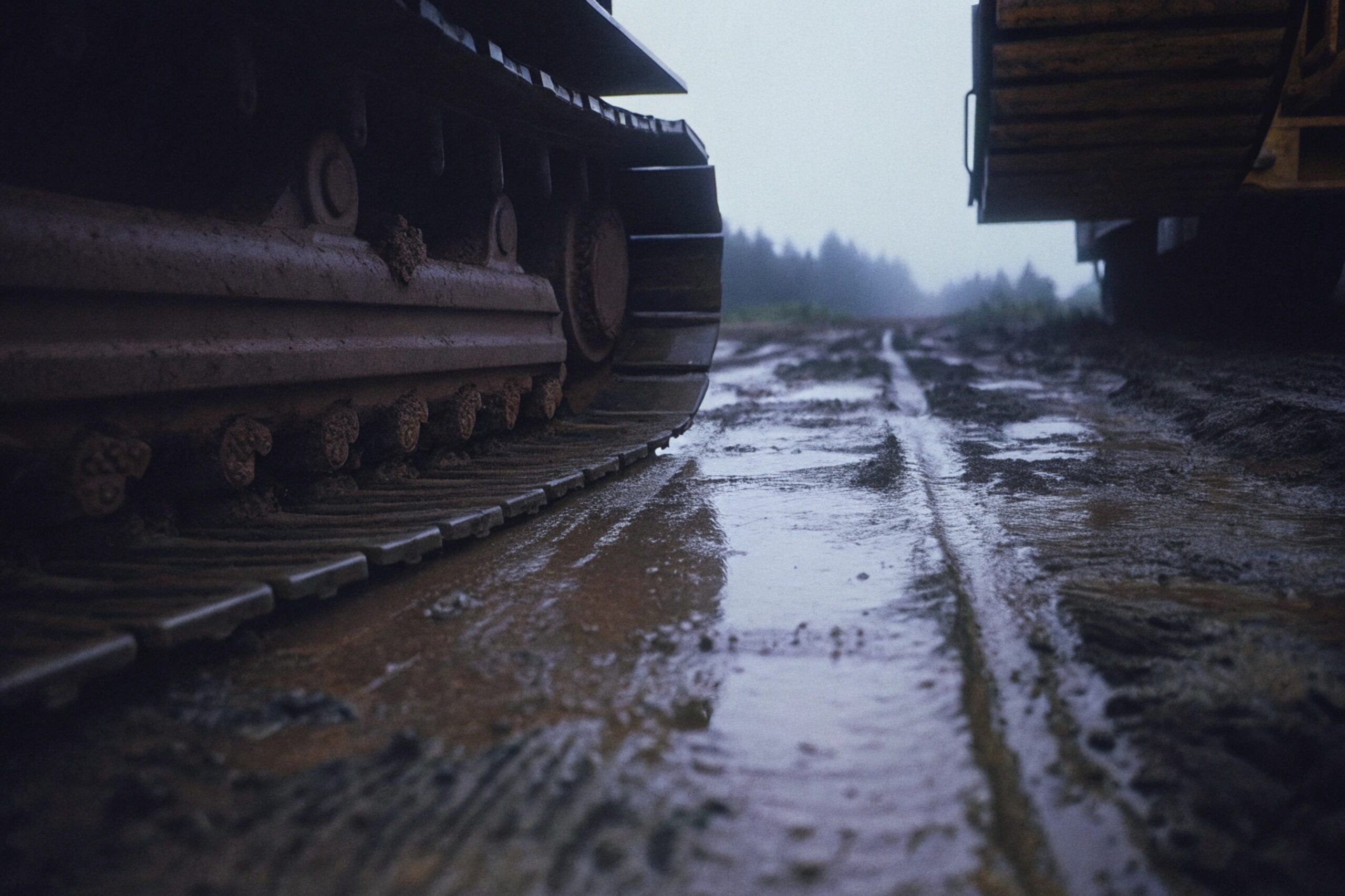
The ground pressure of a machine with LGP shoes is substantially reduced. This modification allows the machine to traverse soft, muddy conditions without sinking. Here's how the pressure distribution changes with LGP shoes:
| Shoe Type | Ground Pressure (kPa) | Width (mm) |
|---|---|---|
| Standard | 80-120 | 400-600 |
| LGP | 30-50 | 900-1500 |
Generally, LGP shoes cover a larger area, distributing weight over more ground 4 and lowering PSI. Standard shoes focus pressure in smaller zones, risking deeper soil imprints.
Will using LGP shoes put extra stress and wear on my other undercarriage components like rollers and idlers?
Using LGP shoes inevitably puts extra wear on rollers and idlers 5. I've observed increased maintenance needs and shorter lifespans for these components. The broader surface contact exacerbates the strain, demanding more frequent checks and replacements.
LGP shoes add stress on undercarriage components like rollers and idlers due to their increased width and surface area. These shoes raise rolling resistance and cause higher wear rates. The broader surface ensures more frequent contact between the shoes and terrain, accelerating the erosion of components. The heavier weight of LGP shoes further adds to this strain, impacting the machine's maintenance schedules and increasing costs over time. Therefore, regular inspections and maintenance are crucial when using LGP shoes.
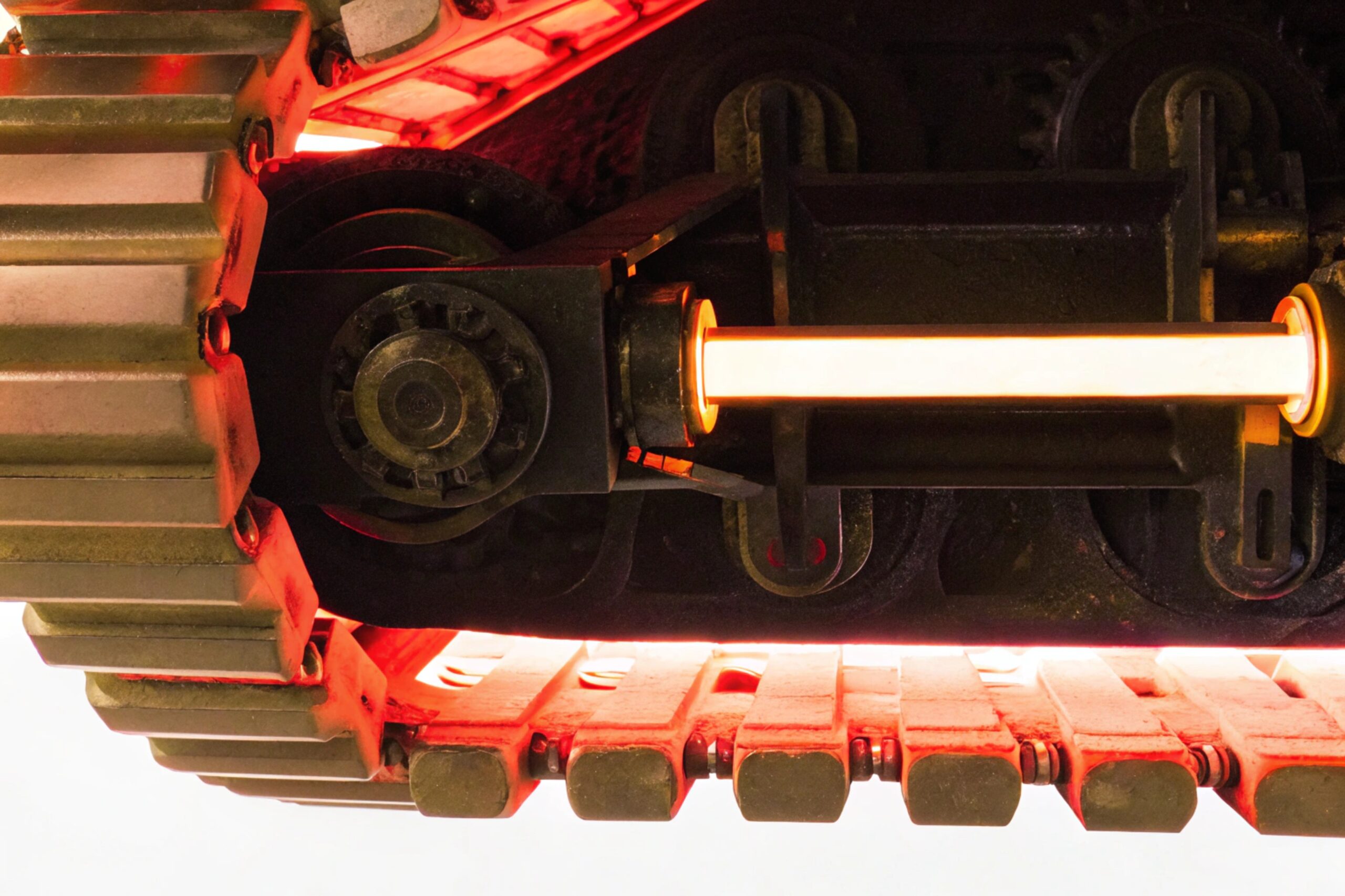
The added stress from LGP shoes is noticeable. Wider shoes impact the wear patterns 6, demanding more attention to the equipment's health. Here are key considerations for maintenance:
- Increased resistance: LGP shoes add rolling resistance, which wears out components like rollers more quickly.
- Component strain: The broader surface amplifies weight distribution stress on idlers and rollers.
- Enhanced maintenance needs: Frequent checks and replacements are necessary as wear patterns shift with wider shoes.
Understanding these factors helps anticipate maintenance needs and budget adjustments for LGP-equipped machines.
Are LGP shoes less durable or more likely to break when used on hard, uneven surfaces?
LGP shoes face durability challenges on hard or uneven surfaces. Personal experience shows they excel in soft terrains but struggle with hard ones, risking damage and reliability issues 7. Thus, careful terrain analysis is essential before deployment.
On hard, rocky terrains, LGP shoes may suffer from reduced traction and integrity, leading to potential breakage or damage. Designed for soft conditions, they lack efficiency on hard surfaces, where high friction accelerates wear and weakens bolts. Hard, uneven surfaces can lead to de-tracking or component damage, undermining the shoes' longevity and requiring thorough inspection and maintenance. Consider specialized grousers adapted for uneven terrains to mitigate risks.
When used improperly, LGP shoes face durability concerns. Adaptations or alternative setups help tackle harsh terrains. Consider:
- Breakage risk: Increased chance of component damage and shoe detachment due to design mismatches on hard surfaces.
- Traction issues 8: Reduced grip opportunities lead to wear on hard surfaces.
- Integrity jeopardy: Enhanced risk of rollers and idlers wear due to the uneven distribution of stress.
Examining these factors helps prepare for potential challenges or adjustments in equipment setup.
Do I need to modify any other part of my excavator's undercarriage to fit these wider shoes?
Installing LGP shoes often requires undercarriage adjustments 9. Based on past experiences, it's crucial to ensure compatibility between components to optimize safety and performance. Let me explain.
Wider LGP shoes necessitate undercarriage modifications for optimal function. Adjusting the frame and key components helps prevent issues like de-tracking and ensures smoother operations. The changes include expanding roller tracks and recalibrating tension systems to accommodate the wider width, altering load distribution. Taking these steps guarantees the stability and longevity of the modified equipment, securing optimal performance even in challenging environments.
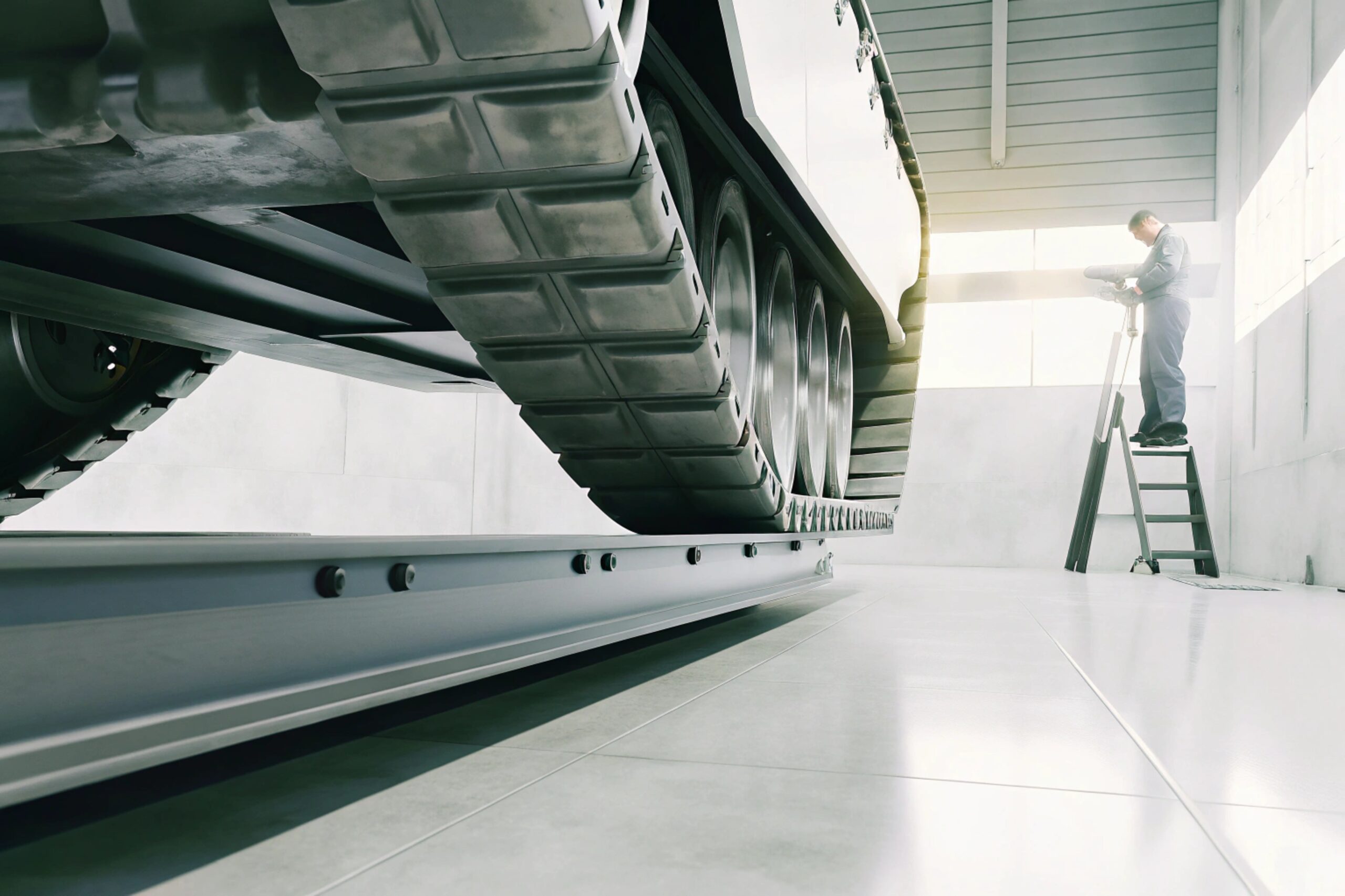
Certain modifications ensure compatibility and safety. Consider:
- Frame alterations: Expanded roller tracks, or temporarily retracting idlers, ensure seamless interaction with wider shoes.
- Component recalibrations 10: Adjust tension systems, ensuring stabilized load distribution.
- Compatibility checks: Frequent evaluations ensure all parts work harmoniously, preventing de-tracking issues.
Prioritizing these adjustments enhances the machine's overall performance. Proper modification ensures smoother transitions between terrains and optimal functionality.
Conclusion
Swamp-type LGP shoes offer flotation benefits but demand adjustments for hard terrains and maintenance refinements. Ensure terrain compatibility before deployment for consistent machine performance.
Footnotes
1. Explains the physics of flotation for LGP tracks in soft soil. ↩︎
2. Analyzes how LGP tracks can impact heavy equipment fuel efficiency. ↩︎
3. Guide to identifying and operating machinery on soft terrains. ↩︎
4. Learn how weight distribution lowers ground pressure (PSI). ↩︎
5. Maintenance guide for undercarriage rollers and idlers. ↩︎
6. Technical analysis of common undercarriage wear patterns. ↩︎
7. Explore common reliability issues and damage risks in LGP shoes. ↩︎
8. Learn why LGP shoes struggle with traction on hard surfaces. ↩︎
9. Overview of necessary undercarriage adjustments for LGP conversion. ↩︎
10. Technical details on recalibrating undercarriage components for wide tracks. ↩︎