
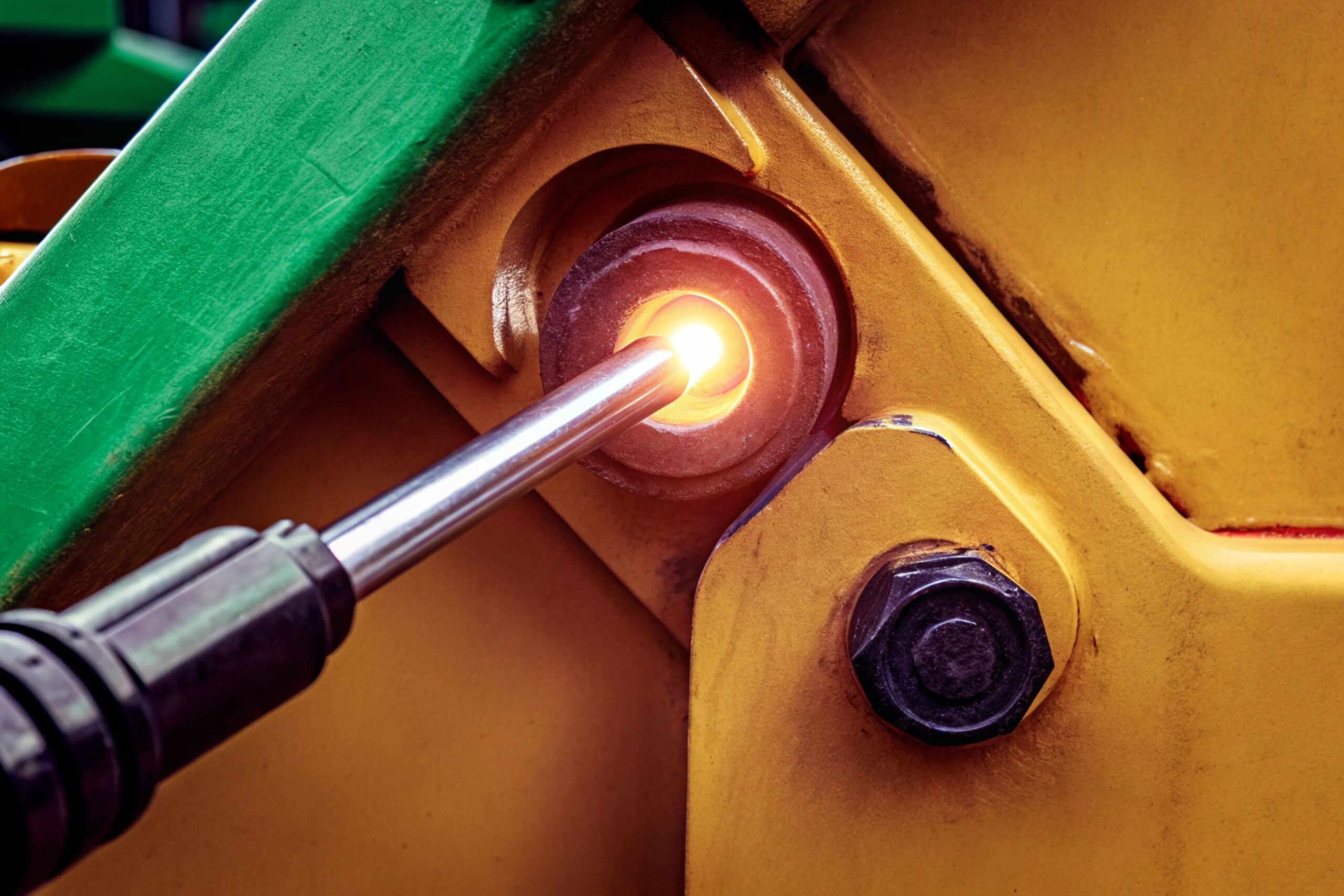
Understanding the correct torque values and precautions for track shoe assembly 1 is essential for preventing premature wear or failure in heavy equipment operations.
The specific torque values for track shoe assembly bolts vary based on bolt size and grade. Common sizes range from 500 to 1,000 Nm 2, ensuring proper stretch and secure fastening. Adhering to the manufacturer's guidelines 3 is vital for assembly success.
Ensuring the correct torque and adopting essential assembly practices 4 can significantly extend the lifespan of your equipment's track shoe assembly.
Where can I find the official, reliable torque specifications for my specific machine model?
Locating precise torque specifications for your machinery is crucial 5 for optimal performance and longevity, especially in high-demand environments.
Torque specifications should be referenced from the OEM manual 6 for your specific machine model. These manuals provide detailed guidelines in alignment with the manufacturer's engineering standards.

Accessing the official torque specifications through an OEM manual ensures that your machinery is set up with the pre-defined standards. These manuals serve not only as a guide to proper torque settings but also include detailed assembly instructions, materials to use, and maintenance schedules to be followed. In cases where the OEM manual is difficult to access or not available, reaching out directly to the manufacturer for technical support 7 is advised. Furthermore, industry forums 8, networking with other operators, or consulting with seasoned mechanics can provide practical insights and experiences regarding torque settings. It's also handy to incorporate technology like torque sensors 9, which can monitor torque settings in real-time and help in maintaining consistency across maintenance intervals.
Regularly revisiting these resources is beneficial not just for ensuring proper assembly but also for aligning with updates or changes to specifications that might arise due to newer technology or materials employed by manufacturers.
Should I use lubricant (like oil or anti-seize) on the bolt threads, and how does that change the required torque value?
Using lubricants on bolt threads can modify torque values and is essential to consider during track shoe assembly to ensure proper tension and bolt function.
When choosing to use lubricants like oil or anti-seize 10 on bolt threads, it’s necessary to adjust the torque values. Decreased friction requires modified settings to achieve appropriate tension.
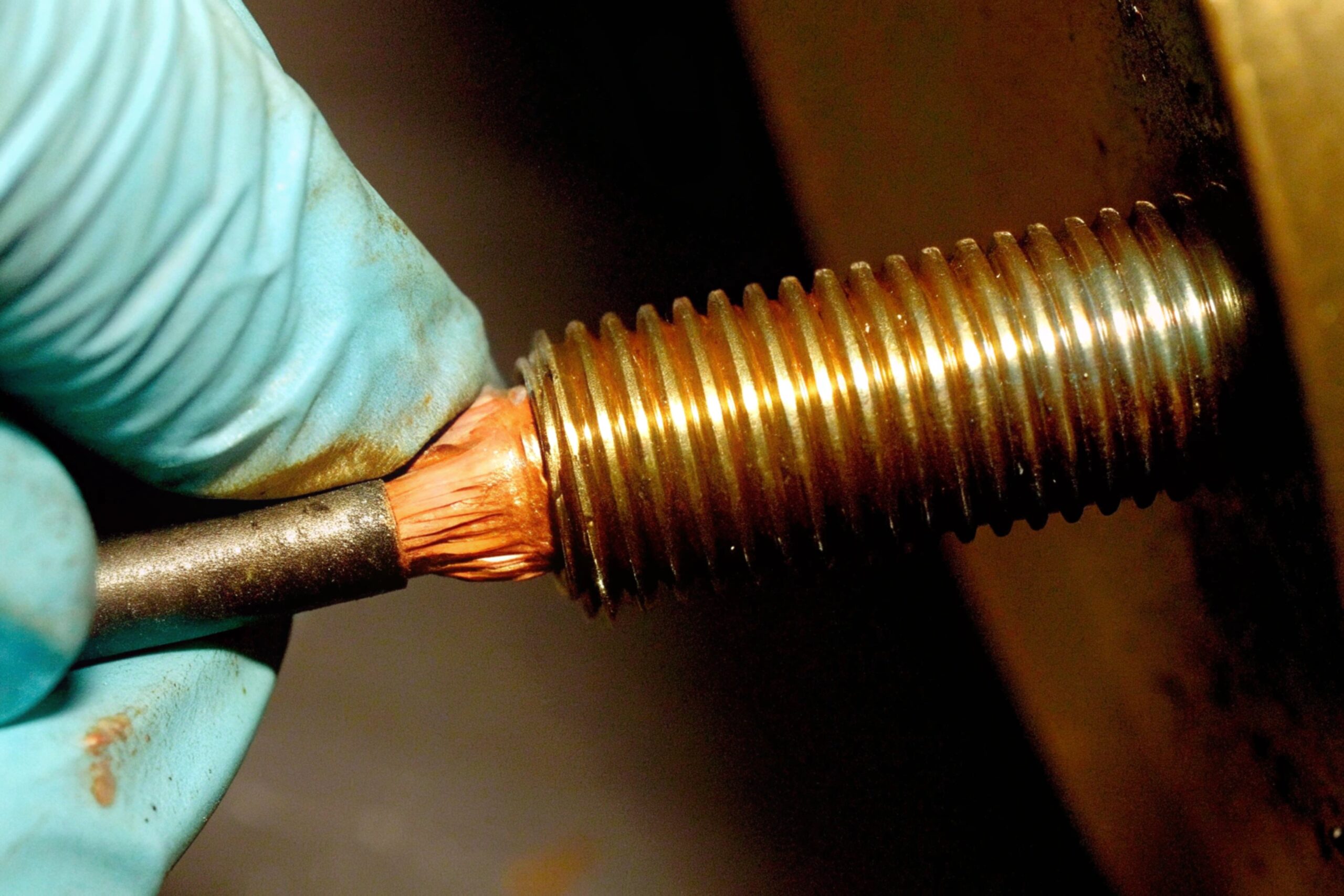
Lubricating bolt threads does reduce the friction, which effectively changes the dynamics of how torque is transformed into tension. Manufacturers will often specify if a lubricant should be used, and they may provide an altered torque specification range to account for this change. Understanding this aspect is key to preventing bolt failure due to excessive or insufficient tension. If the OEM manual specifies that no lubricant is needed, adhering to this guideline avoids unnecessary complications. However, when authorized, using oil or anti-seize can help in conditions where environmental factors such as rusting or extreme conditions may deteriorate bolt integrity. Necessary precautions such as recalibrating torque based on lubricant usage must be exercised, utilizing torque wrenches and calibration tools specific to lubricated conditions. It’s beneficial for operators to familiarize themselves with charted torque value adjustments for different lubricating scenarios, ensuring optimal bolt performance and longevity.
Understanding the implications and modifications needed when engaging lubricants can prevent assembly issues related to incorrect tension, minimize wear, and maintain the integrity of the track shoe assembly over extended operational periods.
Do I need to tell my customers to re-torque the bolts after a certain number of operating hours (e.g., 50 hours)?
Post-assembly maintenance like re-torquing is necessary for the stability and reliability of track shoe bolts, impacting field performance directly.
Advising customers to re-torque bolts 11 after initial operation, typically after 50 to 100 hours, is crucial. This practice helps identify any loosening or additional settling of components.

During initial operations, bolts can undergo certain unloading due to settling under load and vibration. This settling can lead to loosening which jeopardizes track integrity. Therefore, advising a re-torque at designated hours – often around 50 to 100 – is essential to securing the assembly. Encouraging customers to develop habitual checks ensures that no bolt loosening progresses unchecked. The nature of heavy equipment operations means repetitive stress is a factor, hence periodic inspections and torque checks must be integrated into routine maintenance schedules. Creating a customer guide 12 which details the process including step-by-step torque verification, potential symptoms of loose bolts (such as increased vibration or noise), and a troubleshooting guide can aid customers in identifying and correcting issues promptly. Employing a systematic approach in customer communication promotes proactive maintenance and aligns owners with best practices ensuring their machinery delivers optimal performance reliably under varied conditions.
What is the correct tightening pattern (e.g., star pattern) to ensure the shoe seats properly?
Following a proper tightening pattern during assembly enhances the stability and performance of the track shoe, preventing uneven fastening issues.
Correct tightening patterns such as the star or crisscross pattern 13 ensure even stress distribution across bolts, promoting proper seating and stability. This method is pivotal in assembly.
Adopting a correct tightening pattern is essential to ensure that bolts on the track shoe align evenly, preventing stress concentrations that can lead to premature wear or even failure. The star, crisscross, or diagonal patterns are commonly recommended as they allow for balanced pressure distribution. Starting at one bolt and progressively tightening to those opposite aids in achieving uniform clamping force. This is vital in achieving proper shoe to track alignment, which affects track tension and subsequently impacts equipment maneuverability. Understanding the mechanical principles behind these patterns ensures that the bolt pressure is spread out uniformly, reducing the risk of track damage due to uneven torque application.
Accompanying these metrics should be charts demonstrating recommended patterns 14 suited for bolt numbers on standardized track-shoe assemblies. Offering workshops or training focused on applying these techniques practically can further maximize results. Ultimately, adhering to recommended tightening strategies in conjunction with manufacturer guidelines ensures consistent assembly quality and operational reliability, reinforcing structural integrity over extended use periods.
Conclusion
Ensuring the correct torque values and following precise assembly procedures guarantees the longevity and optimal performance of your track shoe assembly.
Footnotes
1. Overview of track shoe assembly precautions. ↩︎
2. Common torque values for track shoe bolts. ↩︎
3. Importance of following manufacturer's guidelines. ↩︎
4. Key assembly practices for seamless operation. ↩︎
5. How to locate machinery torque specifications. ↩︎
6. Insight into OEM manuals for torque details. ↩︎
7. Direct support options from manufacturers. ↩︎
8. Community support through industry forums. ↩︎
9. Using technology to monitor torque settings. ↩︎
10. Effects of lubricants on torque values. ↩︎
11. Recommended re-torquing practices for bolts. ↩︎
12. Crafting guides to aid customer maintenance. ↩︎
13. How correct patterns ensure bolt stability. ↩︎
14. Visual aids for correct tightening patterns. ↩︎