

In my early experience navigating international logistics 1, shipping delays were a frustrating reality. Ensuring timely delivery was crucial for my venture. Therefore, comprehending common shipping routes from China to the USA was essential for optimizing my logistics processes and meeting deadlines consistently.
Shipping track shoe assemblies from China to the USA typically involves using major export ports like Shanghai, Ningbo, and Shenzhen. These routes frequently direct goods to U.S. ports such as Los Angeles/Long Beach via the Trans-Pacific route 2, which generally provides faster transit, averaging 14 to 20 days. Choosing the right route ensures efficient delivery and cost management for my business.
Transition paragraph:
Understanding these shipping routes significantly impacts delivery planning. Crucially, selecting appropriate ports influences both efficiency and cost. Knowing the intricacies of each route aids in optimizing logistics.
Which port in China (e.g., Xiamen, Shanghai, Ningbo) do you ship from?
In my quest to streamline shipment processes for industrial parts, understanding the role of starting ports became critical. I soon realized not all ports are equal in terms of handling capacity and shipping frequency.
We typically ship from major Chinese ports, including Shanghai and Ningbo-Zhoushan. These ports are key hubs for exporting construction machinery components 3, boasting high efficiency and numerous direct routes to the USA. Their strategic locations ensure speedy processing and shipping, vital for meeting urgent customer demands.

Ningbo-Zhoushan and Shanghai stand out among Chinese ports due to their robust infrastructure and ability to handle large volumes. Shanghai is acknowledged worldwide as the busiest container port 4, while Ningbo-Zhoushan frequently partners with Shanghai for extensive reach to U.S. Coasts. Together, they form a formidable duo, pivotal in shipping large industrial parts efficiently.
Shanghai, known for handling a massive number of containers daily, is particularly efficient in managing complex machinery exports due to advanced facilities and technology. Meanwhile, Ningbo-Zhoushan provides alternative routes and relieves congestion pressure from Shanghai, boosting overall shipment efficiency.
Key Characteristics of Shanghai and Ningbo-Zhoushan Ports
| Feature | Shanghai | Ningbo-Zhoushan |
|---|---|---|
| Global Rank | Busiest container port | Large container hub |
| Cargo Volume Focus | Diverse, including machinery | Machinery, consumer goods |
| Processing Speed | High | High |
| Infrastructure | Advanced, tech-savvy | Extensive, supports high volume |
| Main Trade Routes | Trans-Pacific, global | U.S. East and West Coasts |
Selecting either port can transform the logistics process, balancing speed and reliability. With their capacities, choosing between them often depends on the specific requirements of your shipment.
What is the average ocean transit time I should plan for to major US ports (like Long Beach, Houston, or New York)?
Time-sensitive shipments 5 taught me the importance of knowing transit times. Underestimating them once cost me a critical contract. Since then, calculating delivery schedules carefully became a priority.
Average ocean transit times are generally 14 to 20 days from major Chinese ports like Shanghai to U.S. ports such as Los Angeles or Long Beach via the Trans-Pacific route. For East Coast ports like New York, the transit time extends to around 30 to 40 days.

Ultimately, transit times fluctuate based on chosen routes. The Trans-Pacific route to the West Coast offers the quickest ocean travel, yet East Coast routes via the Panama Canal 6, although longer, can save on domestic transport costs. Therefore, your planning must account for both speed and overall logistics expenses.
Common Transit Times from China to U.S. Ports
| Route | Average Duration | Major U.S. Port Destinations |
|---|---|---|
| Trans-Pacific | 14 to 20 days | Los Angeles, Long Beach, Oakland |
| Panama Canal - East | 30 to 40 days | New York, Charleston, Savannah |
| Panama Canal - Gulf | 25 to 35 days | Houston, New Orleans, Galveston |
The right choice depends on proximity to your end customers and inventory strategy 7. Transparency in transit times builds reliability and trust with clients.
Are there faster (but more expensive) shipping options available if I have an urgent order?
In a high-pressure business context, I've often faced situations where urgent deliveries were crucial. Options for expedited services proved essential in these instances.
Yes, faster shipping options include air freight, which significantly reduces delivery times but increases costs substantially. For sea freight, express services across the Pacific might shave days off transit times for urgent shipments.

Air freight can deliver within days, ideal for urgent and lightweight orders, regardless of higher expenses. Alternatively, choosing express sea freight 8 trims several days off traditional ocean travel without incurring air freight costs.
Comparison: Standard vs. Expedited Shipping
| Shipping Method | Typical Duration | Cost Implications | Best Use Case |
|---|---|---|---|
| Standard Sea Freight | 14 to 40 days | Cost-effective | For regular shipments where delivery speed isn't critical |
| Express Sea Freight | 10 to 30 days | Moderate increase | Useful for faster ocean delivery without full air freight rates |
| Air Freight | 3 to 7 days | High cost | For urgent, high-value, or lightweight industrial components needing swift delivery |
Understanding these nuances empowers timely decision-making, ensuring that urgent requirements do not compromise customer satisfaction.
How does shipping port congestion in the US or China typically affect my delivery timeline?
The first time my shipment was delayed due to port congestion, the effects on my delivery timeline were hugely impactful. Accurate planning became a critical element to avert repeated setbacks.
Shipping port congestion 9 can cause significant delays, extending delivery timelines by days or even weeks. Congestion frequently arises from complex logistics, labor strikes, or holiday surges at major ports in both China and the USA.
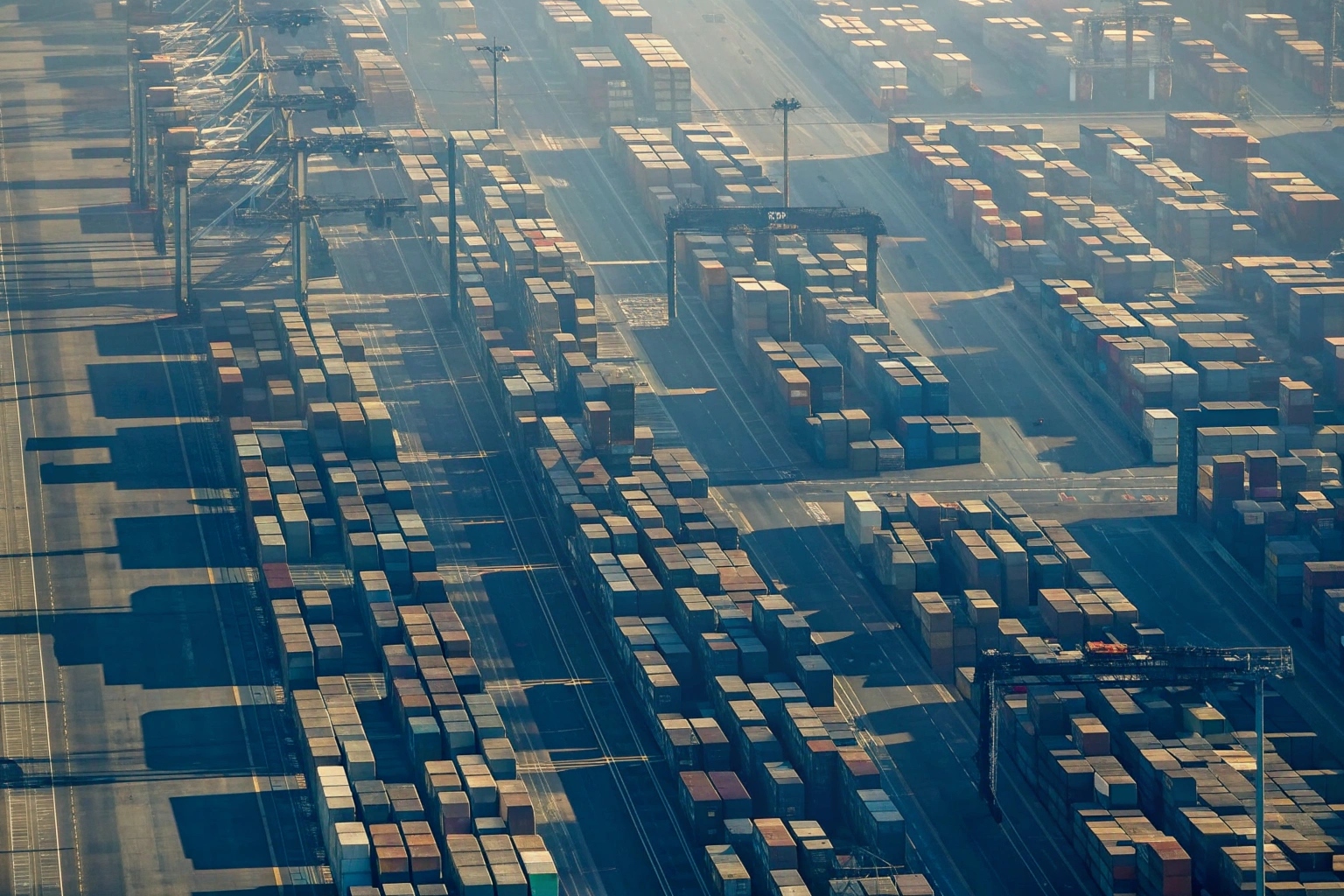
Congestion varies with seasons, trade policy changes 10, and global events. Awareness is crucial, allowing for earlier shipping or choosing alternative ports to mitigate impact.
Key Factors Impacting Port Congestion
| Factor | Impact on Congestion | Example Mitigation Strategy |
|---|---|---|
| Seasonal Peaks | Increases delays | Plan shipments well in advance |
| Labor Strikes | Halts operations | Explore alternative shipping routes |
| Global Crises | Disrupt schedules | Maintain flexible logistics arrangements |
Consistent monitoring and a proactive approach reduce congestion impact, safeguarding delivery timelines and ensuring smoother operations. By preparing contingencies, potential disruptions can be managed more effectively.
Conclusion
Understanding shipping routes, ports, and potential delays equips businesses with essential tools to control international logistics, improving delivery performance and customer satisfaction.
Footnotes
1. Explanation of international logistics terms and management. ↩︎
2. Overview of the Trans-Pacific shipping trade route. ↩︎
3. Resource guide for exporting heavy construction machinery. ↩︎
4. Ranking and statistics of top global container ports. ↩︎
5. Solutions for managing urgent and time-critical shipments. ↩︎
6. Official information on Panama Canal operations and transit. ↩︎
7. Strategies for optimizing inventory management and planning. ↩︎
8. Definition and benefits of expedited ocean freight services. ↩︎
9. Insights into causes and effects of port congestion. ↩︎
10. Information on international trade agreements and policies. ↩︎