
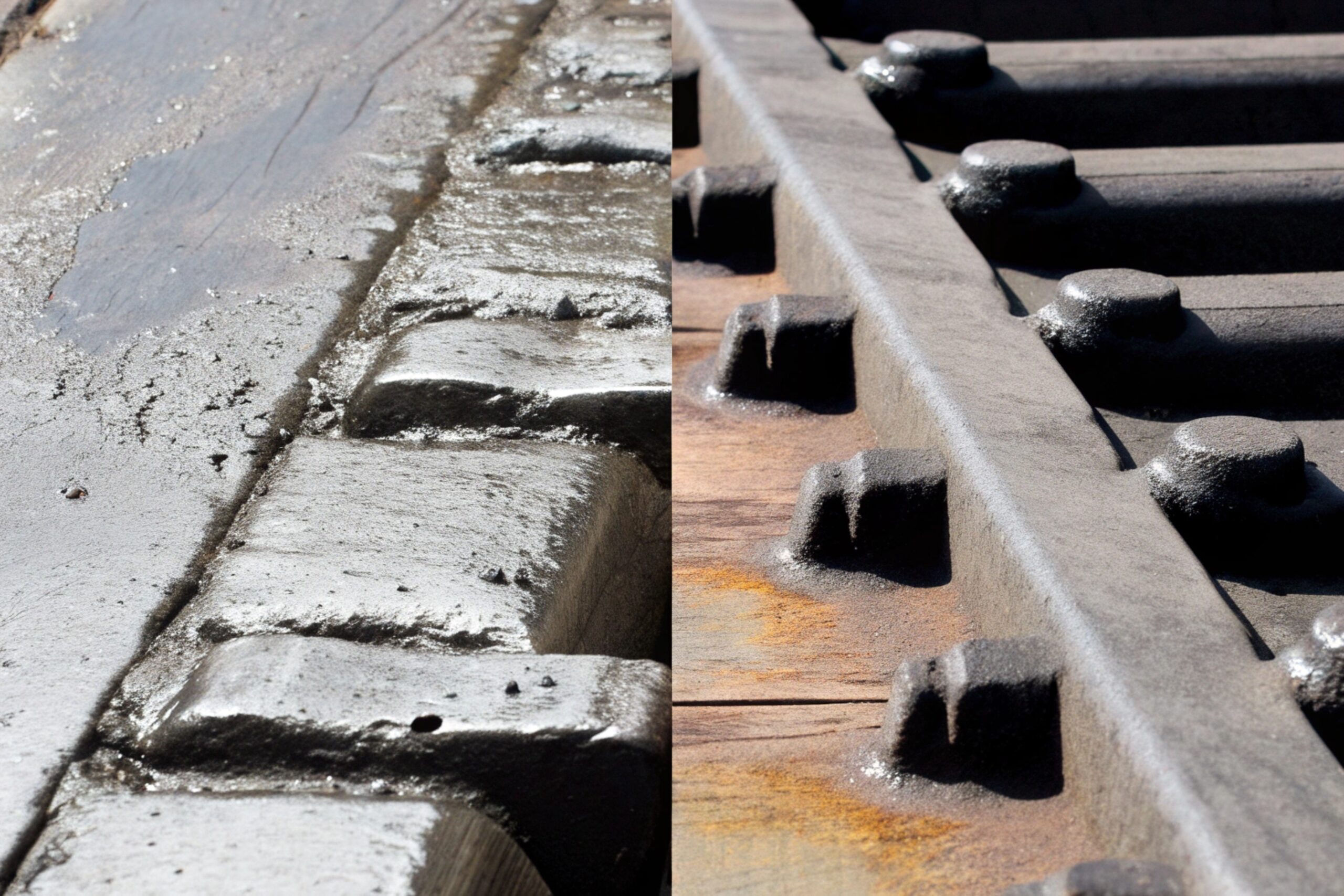
In the construction equipment industry, proper anti-corrosion treatments for track shoe assemblies can significantly boost longevity and performance. I often encounter customers wondering about the best practices, particularly in challenging environments.
Various anti-corrosion treatments, such as painting, phosphating, black oxide, and galvanizing, are applied to protect track shoe assemblies. Each treatment has distinct advantages. Understanding these treatments helps when selecting the right one for specific environmental conditions.
It's crucial to know why each treatment is used and how it protects the equipment. By doing so, we ensure not only the safety of the machinery but also maximize its investment value.
Is the paint (e.g., yellow, black) just for looks, or does it provide real corrosion protection during storage?
Painting is a common sight in track shoe assemblies. With vibrant yellows or blacks, many often wonder if this is purely aesthetic or serves a greater protective purpose.
Paint provides both aesthetic value and corrosion protection. It forms a physical barrier to moisture and corrosive elements, significantly reducing the chances of rust and degradation. Even in storage, this layer aids in protecting the machinery.
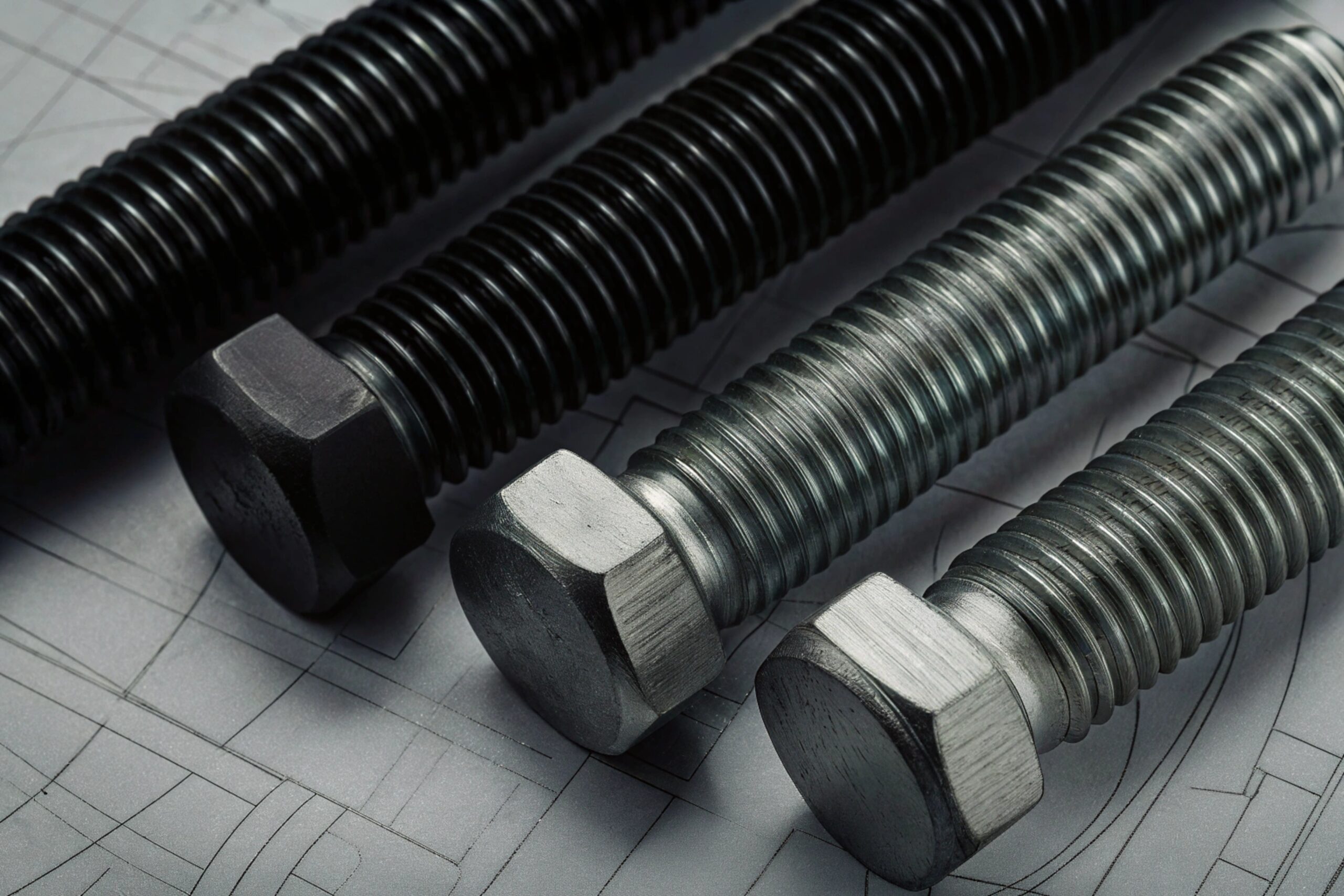
Diving Deeper into Anti-Corrosion Painting
When dealing with construction machinery, painting is not just about making it visually appealing. It serves a vital purpose, particularly when you opt for paints like polyurethane 1 or epoxy resin coatings 2. These are adept at forming a barrier around the surface.
Advantages of Painting
- Barrier Protection: Paint acts as the first line of defense against external moisture and corrosive chemicals.
- Cost-Effectiveness: Compared to other treatments, painting is relatively affordable and easy to apply, offering a balanced cost-benefit ratio.
- Versatility: Paint can be adjusted with additives to enhance specific properties like UV resistance or impact toughness.
Limitations
- Maintenance Required: Over time, the paint might chip, especially in environments with abrasive activities, requiring regular touch-ups.
- Limited Standalone Protection: While beneficial, painting alone may not suffice in high-corrosion conditions unless complemented by other treatments.
Statistical Insights: Painting Efficiency
| Paint Type | Average Durability | Cost (USD per sqm) | Typical Use |
|---|---|---|---|
| Polyurethane | 5–8 years | 5–12 | General purpose and outdoor use |
| Epoxy Resin | 8–10 years | 8–15 | High durability for severe conditions |
| Acrylic-Based | 3–5 years | 3–7 | Indoor parts, mild environments |
The protective quality of paint varies with the type used. Understanding these can greatly influence decision-making in treatment selection.
Are the bolts and nuts typically treated with a different coating (like phosphating or zinc) than the shoe itself?
In track assemblies, bolts and nuts endure a unique set of challenges. They demand specialized treatments distinct from the track shoe itself.
Yes, bolts and nuts usually undergo treatments such as phosphating 3 or zinc plating 4. These coatings enhance their resistance to corrosion and ensure they remain functional in harsh conditions.
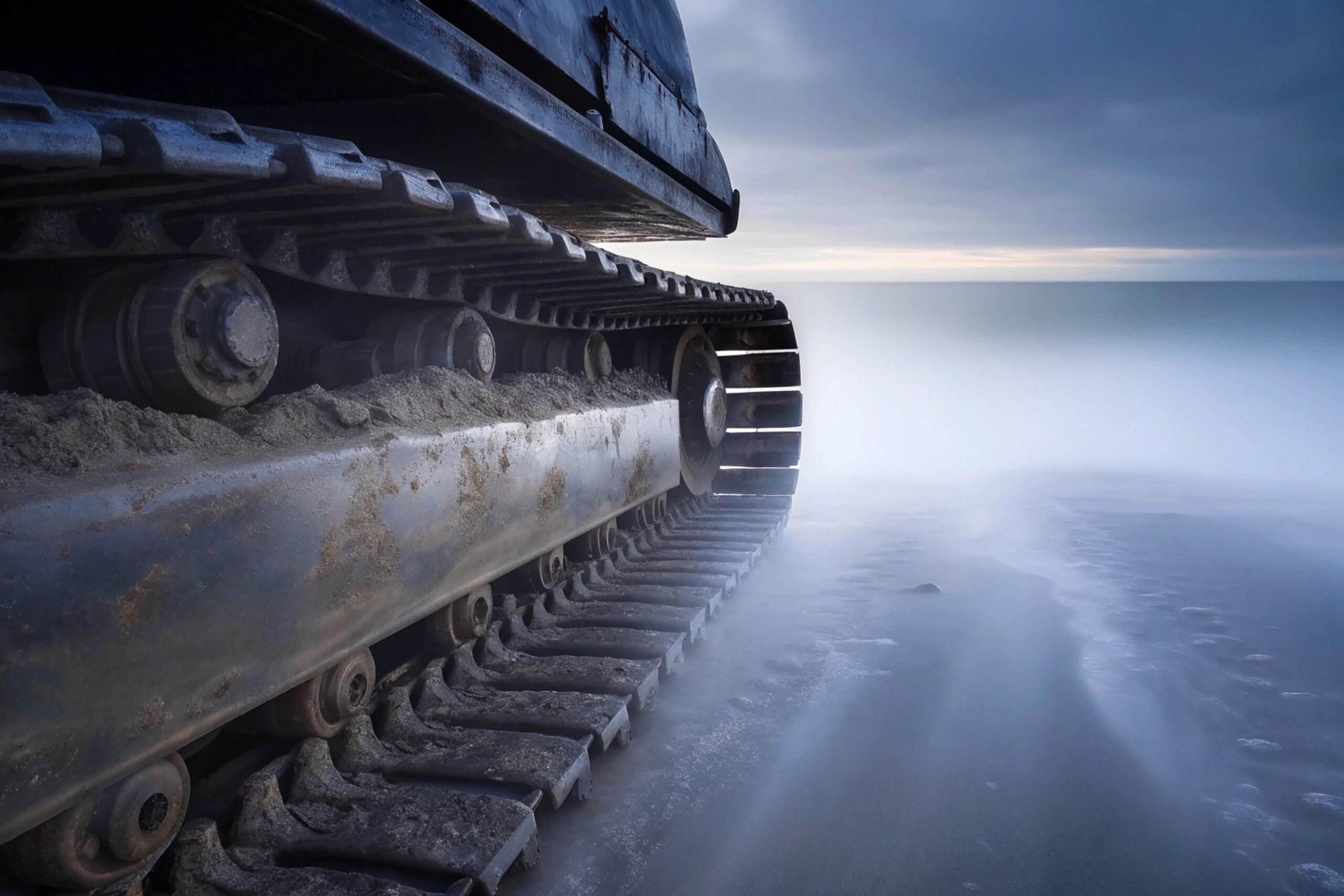
Understanding Bolt-Specific Treatments
Bolts and nuts are critical in maintaining the mechanical integrity of track shoe assemblies. Thus, they require tailored coating strategies that differ from general track shoe coatings.
Common Treatments
- Phosphating: Creates a base layer that absorbs oils, enhancing subsequent coatings and offering a foundational level of corrosion protection.
- Zinc Plating: Provides a sacrificial layer that corrodes in place of the bolt, ensuring long-term usability even in moist or saline environments.
Key Differences from Shoe Coatings
- Exposure to Stress: Bolts undergo significant mechanical stress, necessitating coatings that do not crack or peel.
- Corrosion Risk: Given their small size, any corrosion can quickly lead to failure, making robust protection essential.
Advantages and Disadvantages Table
| Treatment | Advantages | Disadvantages |
|---|---|---|
| Phosphating | Promotes adhesion, cost-effective | May require additional topcoatings for full protection |
| Zinc Plating | Strong barrier, sacrificial protection | Higher cost than phosphating, possible hydrogen embrittlement |
These coatings are chosen based on their performance in various environmental conditions and their ability to uphold mechanical integrity.
For my customers working in high-salt or corrosive environments, what is the best protective coating I can request?
Customers often inquire about the most effective protective coatings for high-salt or corrosive conditions, seeking durability and sustained performance.
Galvanized coatings 5 are highly recommended for environments with high salt or corrosive exposure. They provide excellent barrier and sacrificial protection, significantly extending the lifespan of parts.
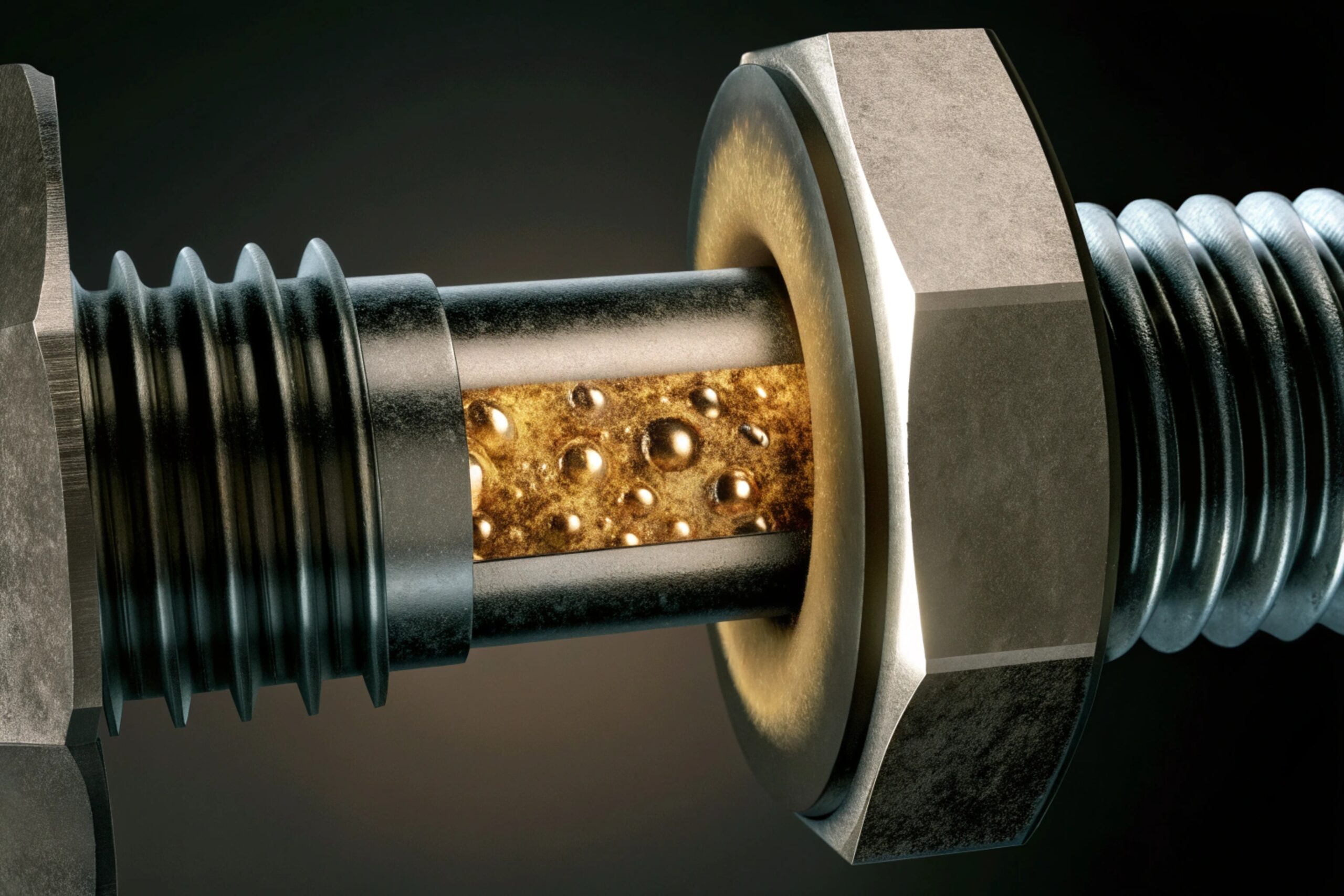
Delving into Galvanized Coatings
Galvanization, especially hot-dip galvanizing, is respected in the industry for its reliability in harsh environments. Here's why it's preferred:
Key Benefits
- Durability: Hot-dip galvanization creates a tough layer of zinc-iron alloy, protecting both the surface and any damaged or cut areas.
- Low Maintenance: Once applied, galvanized coatings require minimal upkeep, making them convenient for heavy-duty use.
- Sacrificial Protection: Even if the zinc layer sustains damage, it sacrifices itself, protecting the underlying metal from corrosion.
Ideal Applications
Galvanized coatings particularly suit bolts and components that are directly exposed to the elements. They're often used in marine or coastal environments where saltwater poses a significant risk.
Comparative Analysis: Galvanization vs. Other Treatments
| Property | Galvanization | Painting | Phosphating |
|---|---|---|---|
| Corrosion Resistance | High | Medium | Low-medium (improves with paint) |
| Application Cost | High | Medium | Low |
| Durability | 20+ years | 8-10 years (with maintenance) | N/A without topcoat |
Given the severe demands of corrosive environments, galvanized treatments offer unparalleled durability, making them the optimal choice for safeguarding your assemblies.
Does a phosphated (phosphatizing) finish help prevent bolts from seizing over time?
A critical query, especially concerning bolts, is whether phosphating effectively prevents seizing—a perennial issue in high-friction, corrosive environments.
Yes, phosphated finishes 6 help reduce metal-to-metal contact and serve as a lubricant repository, significantly lowering the chance of bolts seizing over time.
The Mechanics Behind Phosphating
Phosphating creates a layer of phosphate crystals on the metal surface, ideal for reducing friction and improving lubrication retention. Here’s how it helps:
Benefits to Bolts
- Reducing Friction: The crystalline layer acts as a micro-barrier, lowering friction between the bolt and mating surfaces.
- Lubricant Retention: Phosphate's porosity improves the retention of oils and lubricants, enhancing the bolt’s glide during tightening and loosening.
Additional Protective Roles
When combined with paints or greases, phosphating offers an extra layer of corrosion protection, making it an excellent choice for areas where bolts will face extended exposure to moisture.
Phosphating Efficacy Comparison
| Property | Standalone Phosphatizing | Phosphatizing with Oil/Lubricant |
|---|---|---|
| Friction Reduction | Moderate | High |
| Corrosion Protection | Low | High |
| Maintenance Requirement | Medium | Low |
Phosphated bolts provide additional peace of mind, especially when dealing with components that must remain operable over long durations in challenging conditions.
Conclusion
Selecting the right anti-corrosion treatments for track shoe assemblies is crucial, not just for longevity but also for economic efficiency. I always ensure that my customers opt for the most suited treatments tailored to their specific environments and operational demands.
Footnotes
1. Understanding polyurethane's role in protective coatings. ↩︎
2. Insights into epoxy coatings' durability and application. ↩︎
3. Detailed overview of the phosphating process and benefits. ↩︎
4. Zinc plating's effectiveness in corrosion protection. ↩︎
5. The importance of galvanized coatings in saline environments. ↩︎
6. How phosphating helps reduce the likelihood of seizing. ↩︎