
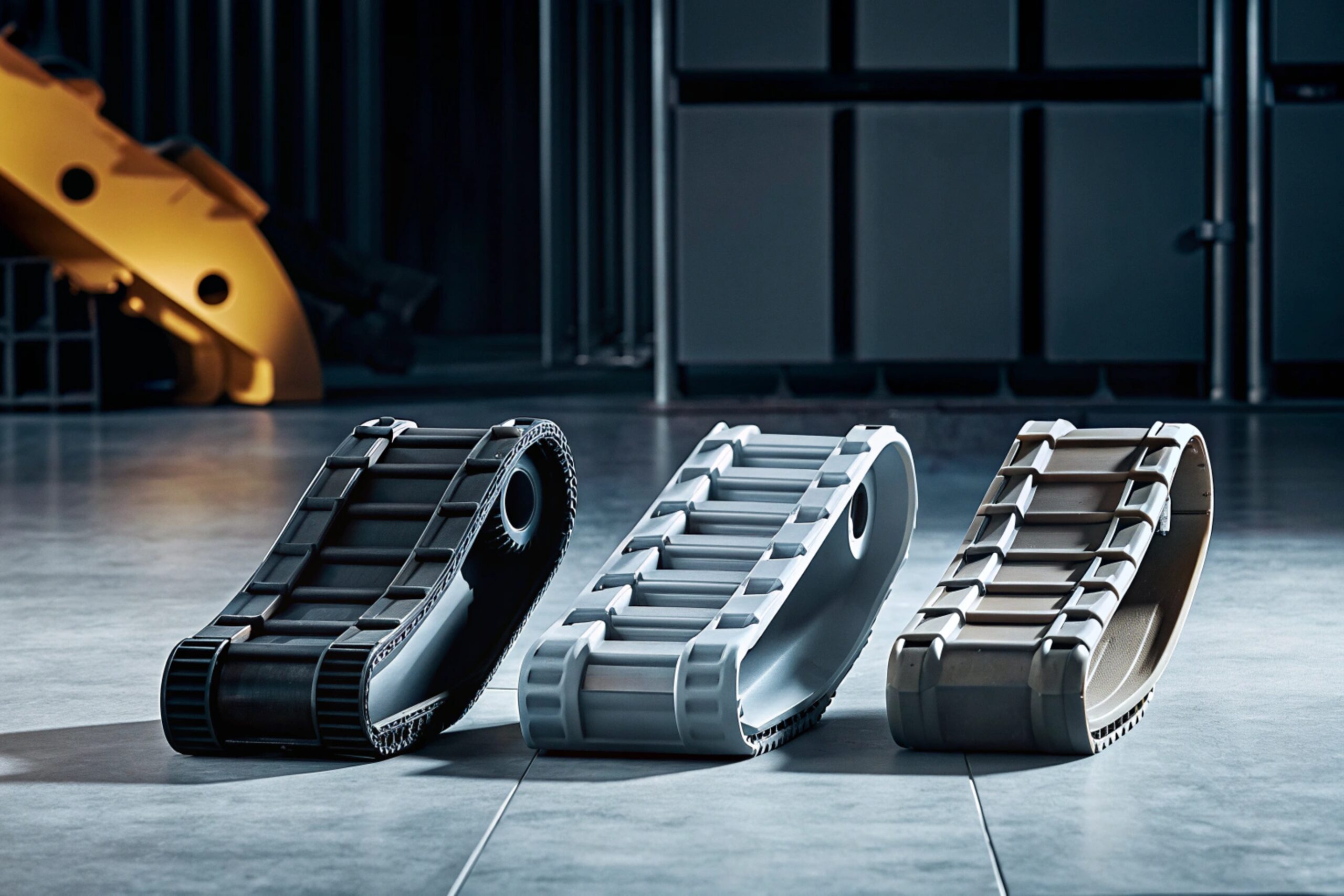
Selecting the right track shoe assembly for different conditions can be daunting. I've faced this challenge before, and believe me, it significantly impacts machine performance, lifespan, and maintenance costs.
When choosing track shoes, you need to consider the soil type 1, required traction, risk of packing, and flotation needs. Wide track shoes increase flotation in sand 2, while narrow shoes provide better grip in rocky areas 3. Self-cleaning designs excel in clay 4, and swamp shoes 5 offer superior float in wet areas.
It's a vast topic, but sticking around could save you from costly mistakes. Below, I'll break down the optimal choices for various terrains.
What Is a "Self-Cleaning" or "Mud-Hole" Track Shoe, and Is It Effective in Sticky Clay?
Self-cleaning track shoes intrigue many, and I was no exception. They promise a cleaner machine and improved performance—ideal for sticky clay conditions.
In sticky clay, self-cleaning or "mud-hole" shoes are designed to shed debris, preventing buildup between shoes and sprockets. They're effective in maintaining traction and reducing stress on track components.
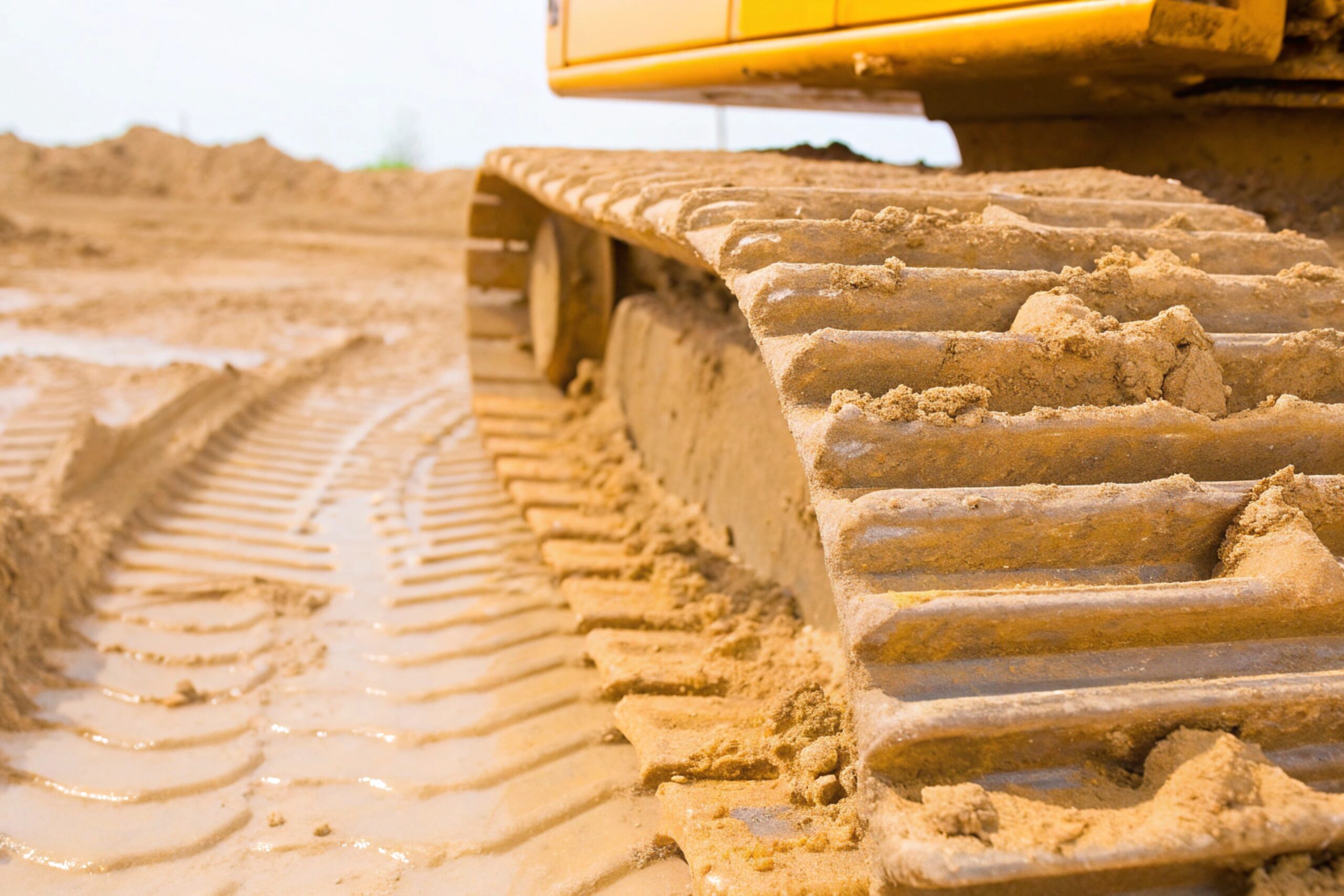
For harsh clay environments, having the right shoes can mean the difference between smooth operations or constant stoppages. Sticky soil tendencies to cling can wear down equipment, underscoring the need for self-cleaning designs.
The Science of Self-Cleaning Shoes
Self-cleaning shoes come with broader or deeper grousers and strategic voids at the base. This design helps dislodge mud and debris as the shoe rotates. The structure usually features less aggressive angles or tapered links to allow mud to escape easily.
| Feature | Advantage | Example |
|---|---|---|
| Tapered Grousers | Eases debris shedding | CAT D6N Model |
| Strategic Vents | Reduces mud accumulation | Komatsu PC220 |
| Broad Base | Increased flotation | Hitachi EX200 |
For those working in such sticky terrains, these types of shoes can be a game-changer. They mitigate common issues of weight and friction, maintaining consistent power transmission.
Are "Extreme Service" or Heavy-Duty Shoes Worth the Extra Cost for My Customers in Rocky Quarries?
In industries like quarrying 6, downtime is expensive. I often debated whether heavy-duty shoes justify their price tag until proven how they minimize interruptions.
Extreme service shoes are built for durability, featuring reinforced steel and high resilience, making them a cost-effective choice for rocky environments. They're worth the investment for prolonged machine life.
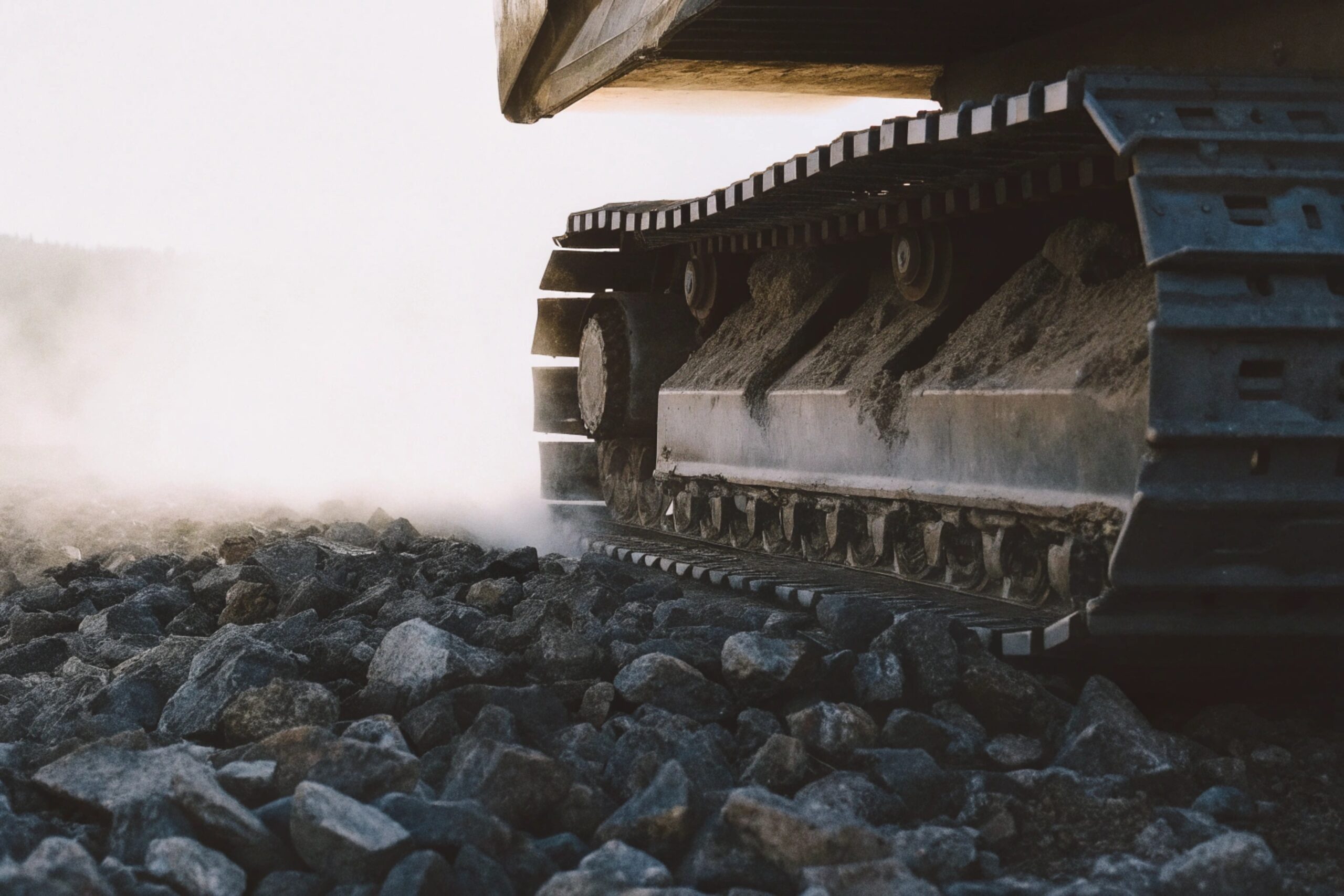
The decision often comes down to balancing upfront costs with operational savings. The additional price for heavy-duty shoes could pale in comparison to frequent replacements and repairs necessitated by standard-grade shoes' failure.
Comparing Extreme Service Shoes
Here's a closer look at what defines these shoes:
| Feature | Description |
|---|---|
| Reinforced Steel | Enhanced durability against rocks |
| Wider Grousers | Better grip and surface contact |
| Alloy Incorporation | Increased strength and resilience |
In practice, these shoes handle the rigors of rock quarries better. They not only improve a machine's lifespan but provide peace of mind, letting operators focus on productive work instead of constant maintenance.
For Mixed-Use Job Sites, What Is the Best "All-Around" Track Shoe I Should Stock?
Mixed-use sites present a unique challenge. A one-size-fits-all approach doesn't usually work, but learning from experience, it's all about balance.
Triple grouser tracks 7 offer a balance between grip and maneuverability, making them an excellent choice for varied conditions. They cater to different terrains while minimizing wear and tear.
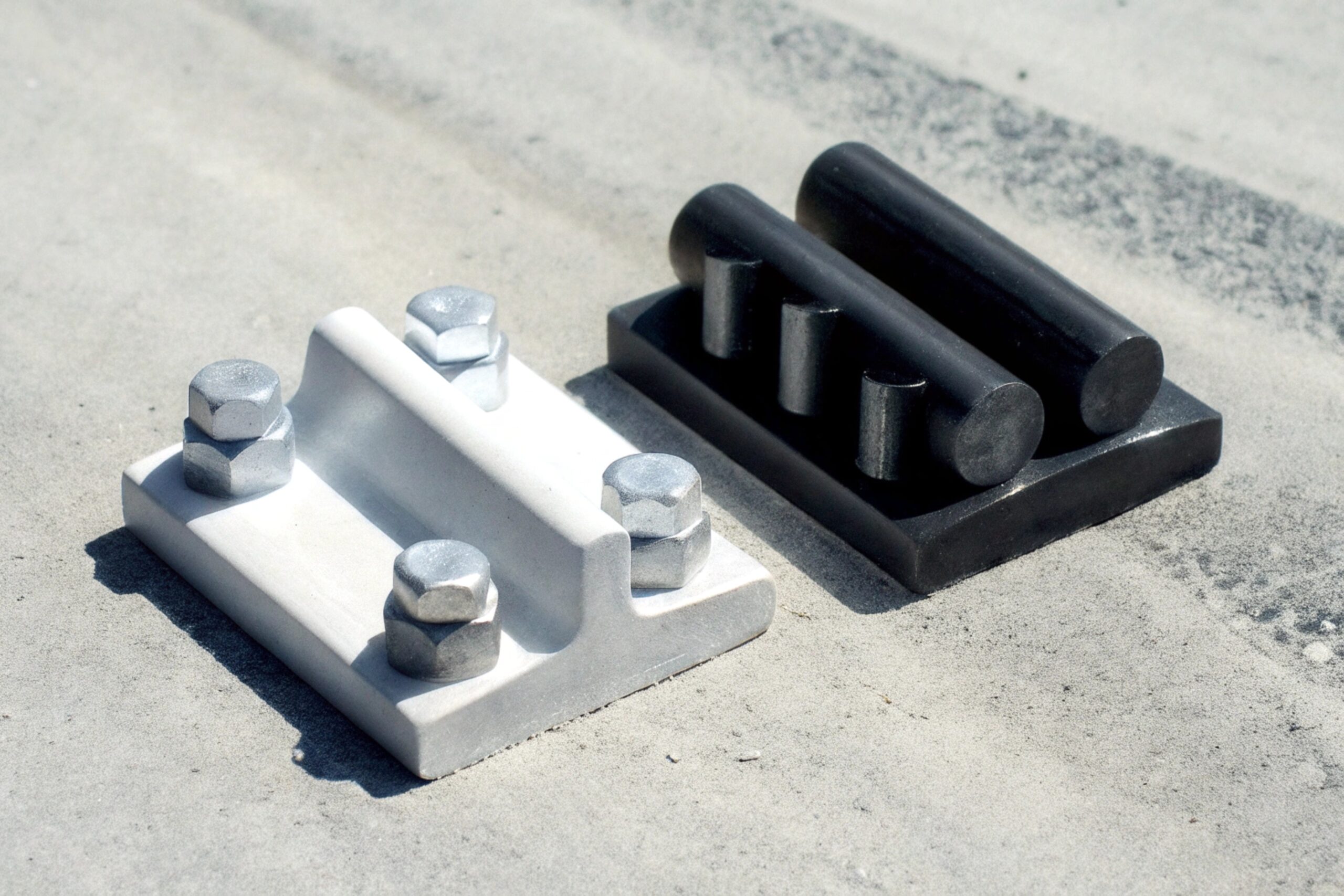
Adaptability is key in these sites. Shoes that perform well on a mix create efficiency, save time, and reduce the need for frequent changes.
The Versatility of "All-Around" Track Shoes
Versatile shoes blend features suitable for multiple terrain types:
| Feature | Function |
|---|---|
| Triple Grouser | Balance of traction and flotation |
| Moderate Width | Adaptability and less drag |
| Durable Composite | Longevity across conditions |
Such designs excel because they address multiple challenges. While they might not be top performers in any one type of terrain, their adaptability often leads to increased machine uptime and operator efficiency.
Will Using the Wrong Shoe (e.g., a Wide Shoe on Rock) Cause Excessive Wear on My Entire Undercarriage?
Mistakes are costly in this game. I've learned that the wrong shoes can lead to significant wear across your machine.
Using unsuitable track shoes, like wide ones on rock, elevates stress on the undercarriage, wearing down pins 8, bushings 9, and rollers 10. This leads to more frequent repairs and replacements, driving up costs.

Machines are only as strong as their weakest link, and in rocky conditions, wide shoes distribute weight unevenly, causing accelerated wear.
The Economics of Misfit Shoes
Here's what typically happens with mismatched shoes:
| Consequence | Impact |
|---|---|
| Uneven Wear | Accelerated part failure |
| Increased Friction | Reduced efficiency |
| Stress Concentration | Premature component breakdown |
Mistakes can become expensive, but a thoughtful approach to shoe selection can safeguard your equipment investment. In summary, selecting the correct track shoe isn't just critical for performance but also for maintaining your equipment's longevity.
Conclusion
Selecting the right track shoe system aids in maximizing your machine's efficiency and lifespan across diverse terrains and conditions.
Footnotes
1. Understand different soil types for optimal shoe selection. ↩︎
2. Discover how sand affects track shoe performance. ↩︎
3. Learn about rocky terrain and its impact on equipment. ↩︎
4. Insights on clay properties relevant to machinery. ↩︎
5. Explore swamp conditions and shoe design benefits. ↩︎
6. Quarry operations insights and heavy-duty shoes. ↩︎
7. Triple grouser design and its advantages. ↩︎
8. Caterpillar's role in pin manufacturing for tracks. ↩︎
9. Study of track bushings in complex environments. ↩︎
10. Roller components explained for track productivity. ↩︎