

Finding the correct strength grade for track shoe assembly bolts is crucial to ensure safe and effective performance in various environments. With the array of choices available, the decision becomes even more complex.
When selecting bolts for track shoe assemblies, the choice between grade 10.9 and 12.9 depends on application-specific needs. Grades like 12.9 offer high strength and endurance under stress, making them ideal for demanding tasks. However, installation torque and environmental factors must also be considered for optimal performance and safety.
The strength grade of track shoe assembly bolts can greatly affect the longevity and stability of the undercarriage. It's essential to continue reading and understand how these grades impact performance and installation processes.
Is a higher grade (like 12.9) always better, or can it be too brittle for high-impact conditions?
A higher bolt grade might seem an obvious choice for its enhanced tensile strength. However, it can be counterproductive if it doesn't suit the specific conditions of your application.
Higher-grade bolts, like 12.9, provide superior tensile strength compared to 10.9 but may face brittleness in high-impact conditions. While grade 12.9 can endure stress and demanding tasks, it may become less ductile and susceptible to hydrogen embrittlement, especially critical under sudden shock loads.
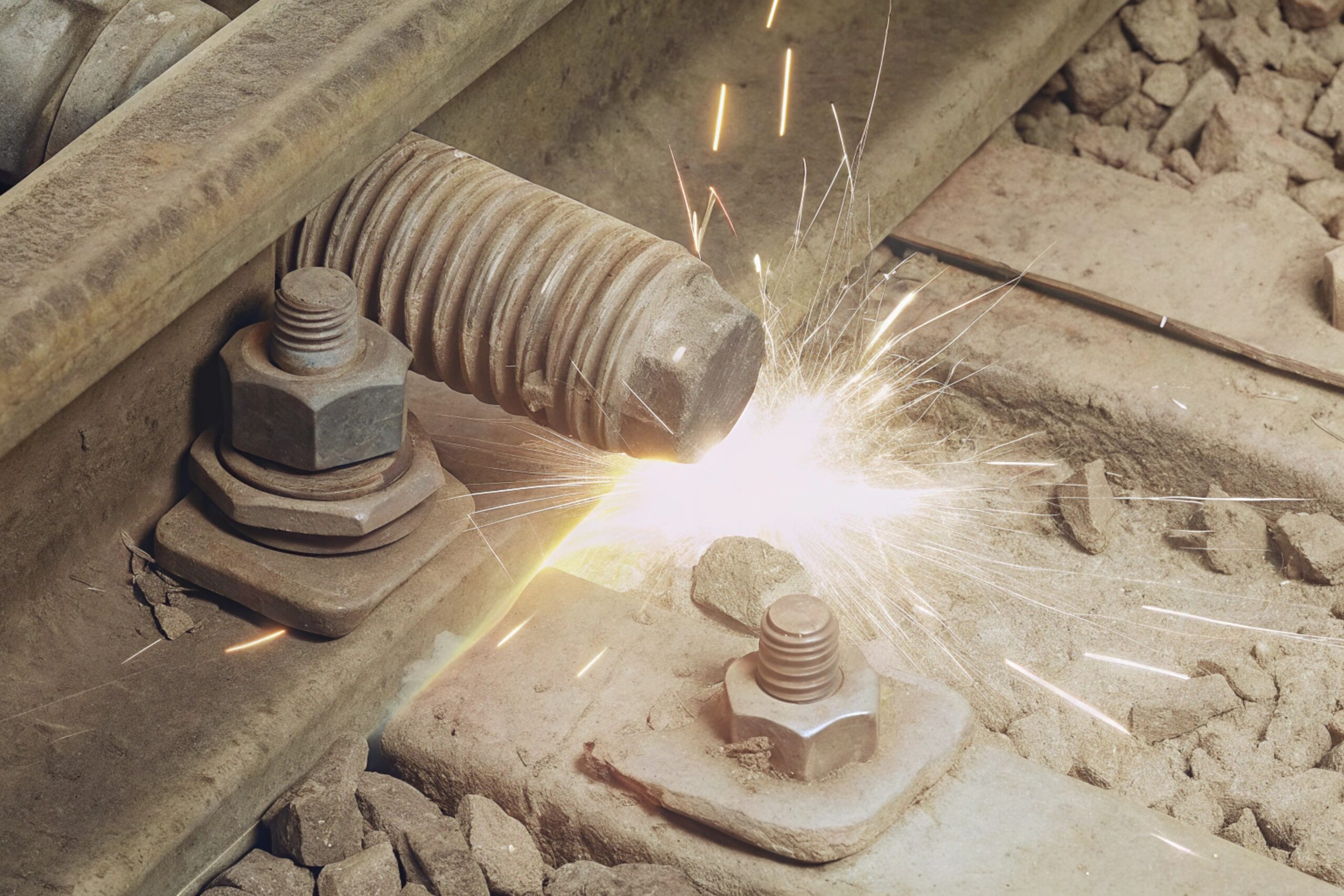
Choosing between grades like 12.9 and 10.9 involves understanding the fundamental differences between their properties. Grade 12.9 boasts a minimum tensile strength of approximately 1200 MPa, and it's considered premium. Unfortunately, its brittleness can be problematic in environments with high vibrations and impacts. Conversely, grade 10.9 bolts provide better toughness against stress and are generally more affordable than their higher-grade counterparts.
Table: Comparison of Bolt Grades
| Bolt Grade | Tensile Strength (MPa) | Ductility | Application Conditions |
|---|---|---|---|
| Grade 10.9 | 1040 | High | Non-critical, general use |
| Grade 12.9 | 1220 | Medium | Stress and high-demand |
Higher grades, such as 12.9, demand specific installation torque for optimal performance. Mismatched torque can lead to underperformance or even failure. These bolts require careful handling and installation torque adherence to prevent potential brittleness issues.
What strength grade do OEM manufacturers (like CAT or Komatsu) typically use for their track bolts?
Manufacturers like CAT and Komatsu rely on tried-and-tested bolt grades to safeguard their machinery's performance and reliability.
OEM manufacturers frequently use grade 12.9 for their track bolts because it exhibits strong mechanical properties ideal for demanding environments. Their specific service manuals guide the use of the correct grade, ensuring the machinery performs optimally without compromising safety.
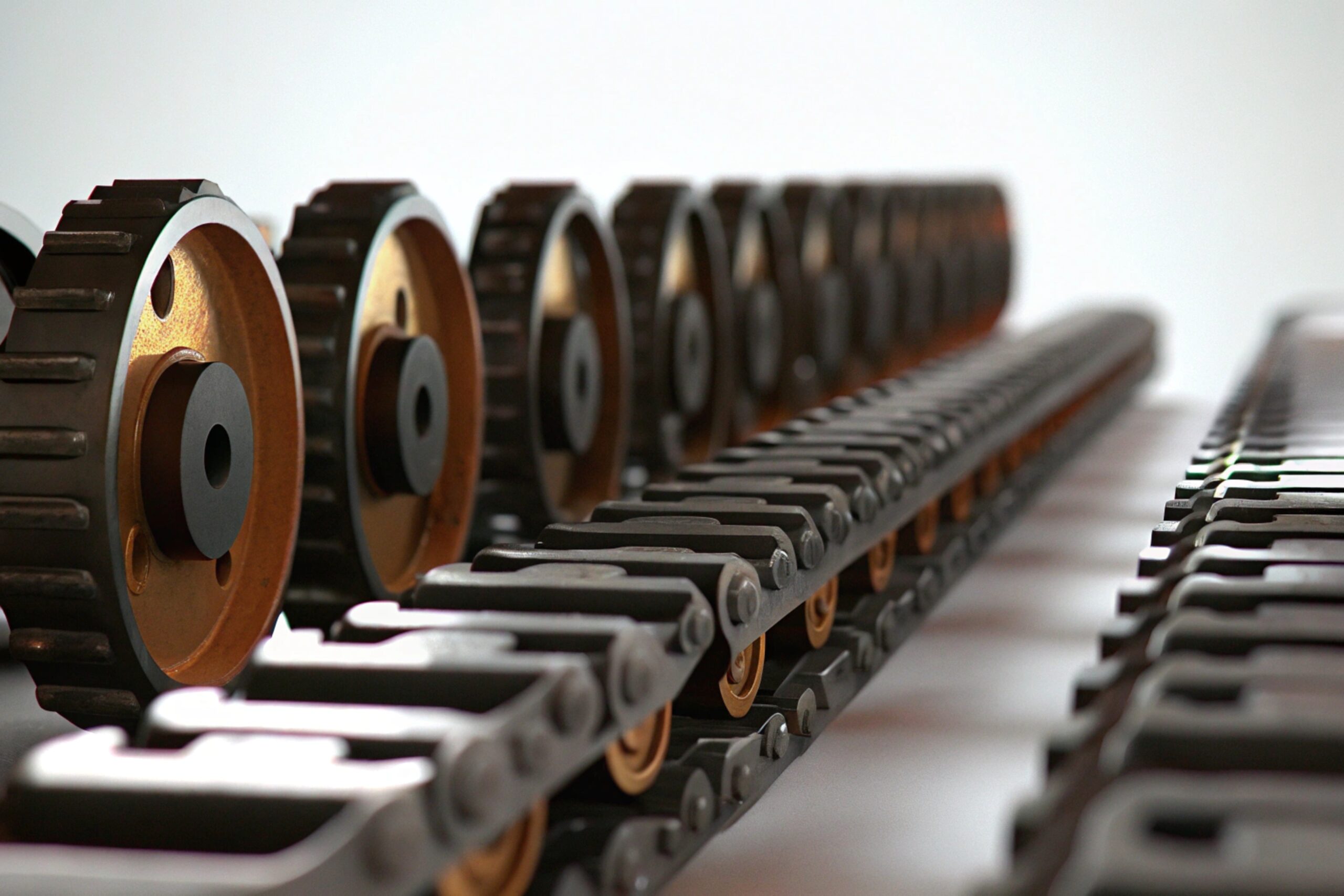
OEM producers such as CAT or Komatsu emphasize reliability and endurance, evident by their choice of bolt grades like 12.9. Their service manuals are definitive guides that specify the grade tailored for each machine model, reducing errors in material mismatches. These manufacturers do not compromise on quality—ensuring each bolt matches the mechanical properties essential for performance.
Table: OEM Usage Guide
| Manufacturer | Preferred Bolt Grade | Usage Recommendation |
|---|---|---|
| CAT | Grade 12.9 | All-terrain and heavy-load environments |
| Komatsu | Grade 12.9 | High-stress applications |
When selecting bolts, OEM manuals are your best resource to avoid mismatches in strength or material type. These guides ensure that producers apply the right bolt for the intended purpose, reducing risks from improper selection and installation.
Does the bolt grade I choose affect the installation torque specifications I must follow?
The choice of bolt grade significantly influences installation torque specifications critical to maintaining the integrity and performance of setups.
Bolt grades affect installation directives, as higher grades like 12.9 demand precise torque values. Proper adherence to torque specifications ensures optimal performance by preventing potential material stress leading to bolt or assembly failure.
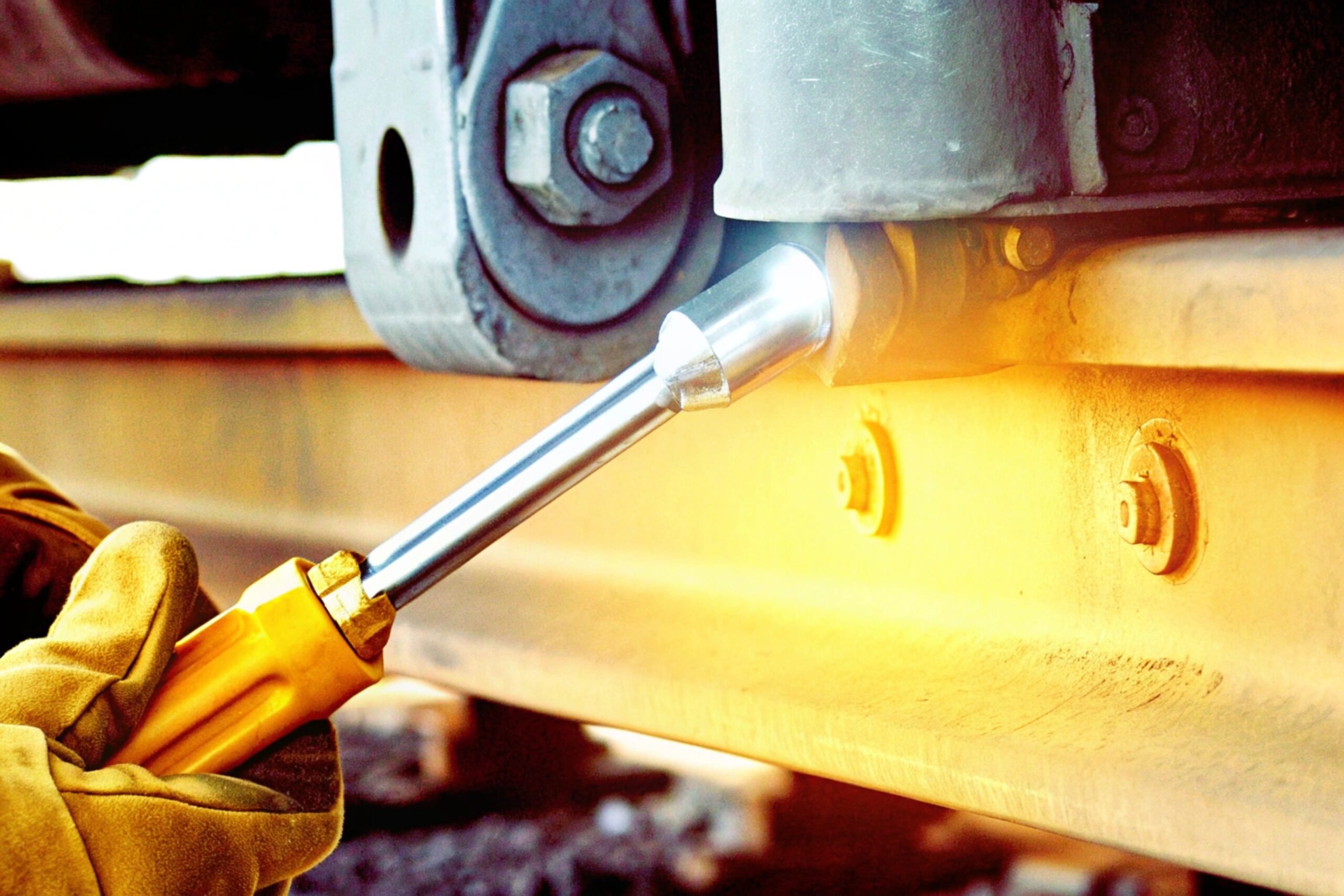
In-depth understanding of installation requirements safeguards the assembly against ineffectual bolting and potential hazards. Grade 12.9 bolts require increased precision in installation torque specifications to achieve correct clamping forces. Incorrect torque can lead to under-clamped assemblies, increasing risks of performance failure or damage.
Table: Torque Specifications Overview
| Bolt Grade | Recommended Torque (Nm) | Importance of Precision |
|---|---|---|
| Grade 10.9 | Varies (Consult OEM) | Moderate |
| Grade 12.9 | Higher (Consult OEM) | High |
This consideration highlights the importance of consulting OEM manuals and industry standards to apply correct torque specifications based on bolt grade. An incorrect torque decision can undermine the performance and safety of the assembly, underscoring the need for precise specifications in installation.
What are the risks of my customers using lower-grade (e.g., 8.8) bolts for their undercarriage?
Utilizing lower-grade bolts like 8.8 in undercarriage setups introduces risks affecting durability, safety, and overall performance.
Lower-grade bolts offer less tensile strength and durability, which may lead to critical failures in demanding environments. Using bolt grades such as 8.8 can compromise the assembly's resistance to stress, vibrations, and fatigue, posing significant risks to both machinery and safety.

While lower-grade bolts may come at reduced costs, their drawbacks include a higher likelihood of compromising structural integrity. The reduced tensile strength risks performance failures under stress loads, potentially causing assembly disassembly or malfunction. Bolts grade 8.8 fall short in providing the mechanical properties essential for heavy-duty applications.
Table: Risks Associated with Lower Grade Bolts
| Lower Grade Bolt | Risk Level | Concerns |
|---|---|---|
| Grade 8.8 | High | Compromised durability and strength |
| Grade 10.9 | Moderate | Balances cost and performance |
Assessing the risk associated with lower-grade bolts demands careful consideration based on application-specific needs. Balancing considerations such as cost-efficiency and sustained performance guarantees essential durability and reliability for undercarriage components.
Conclusion
Selecting the right bolt grade involves balancing strength, durability, and cost-effectiveness tailored to specific application needs ensuring optimal performance.