
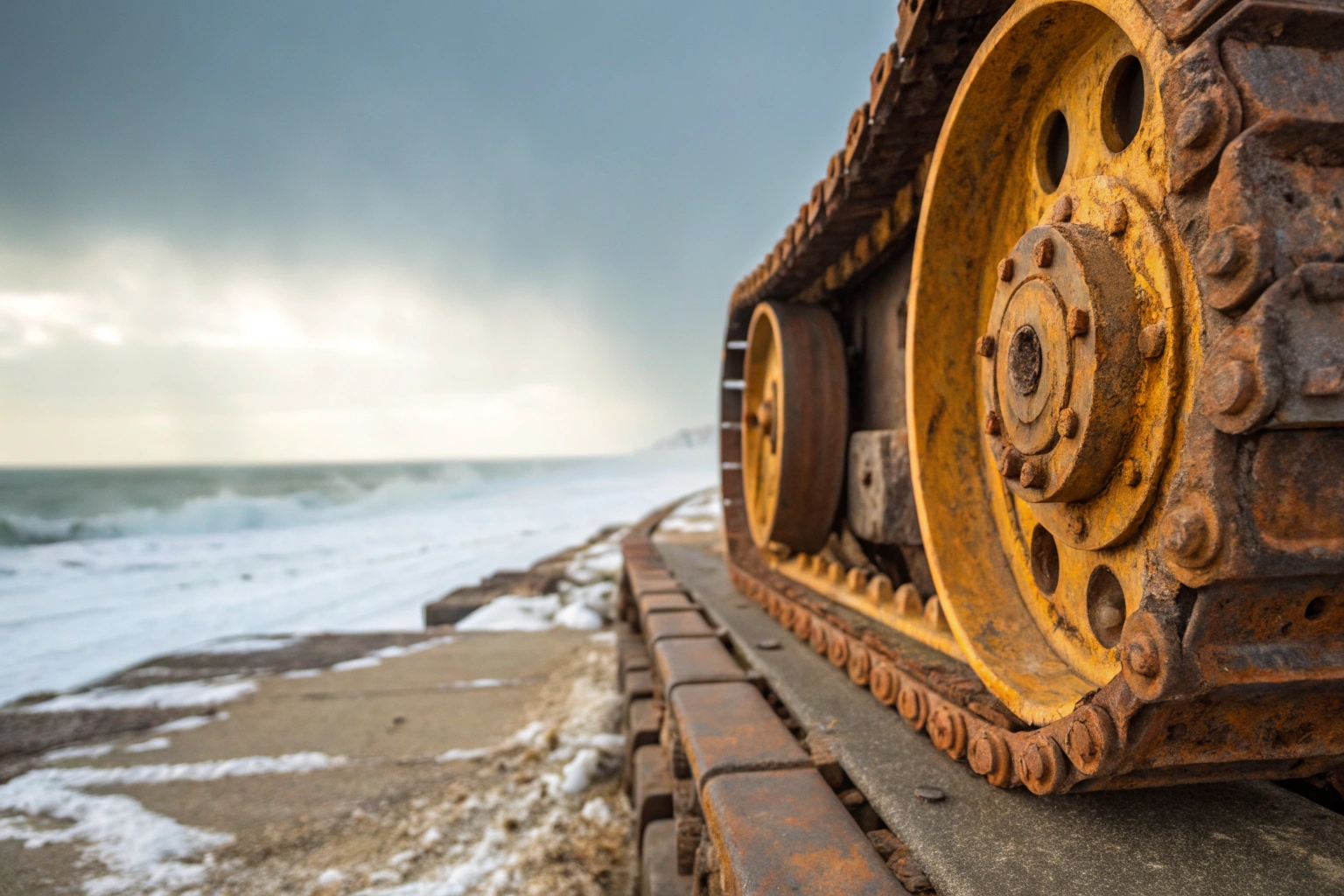
You are likely seeing premature failures in your track shoes, and your customers are blaming you. I understand the frustration of dealing with snapped bolts and seized pins when equipment operates in extreme climates.
Extreme environments accelerate wear significantly. High heat softens steel and ruins seals, while humidity and salt spray cause rapid corrosion and "packing." These factors can reduce a track shoe's lifespan by up to 50% without proper material upgrades and maintenance.
Let me explain exactly how these environmental factors attack your undercarriage parts and what we can do to stop it.
Does High Heat in Steel Mills or Deserts Really Soften the Steel?
You might think steel is invincible, but I have seen durable track shoes fail quickly in slag pits. It is a costly nightmare for your reputation when parts fail months early.
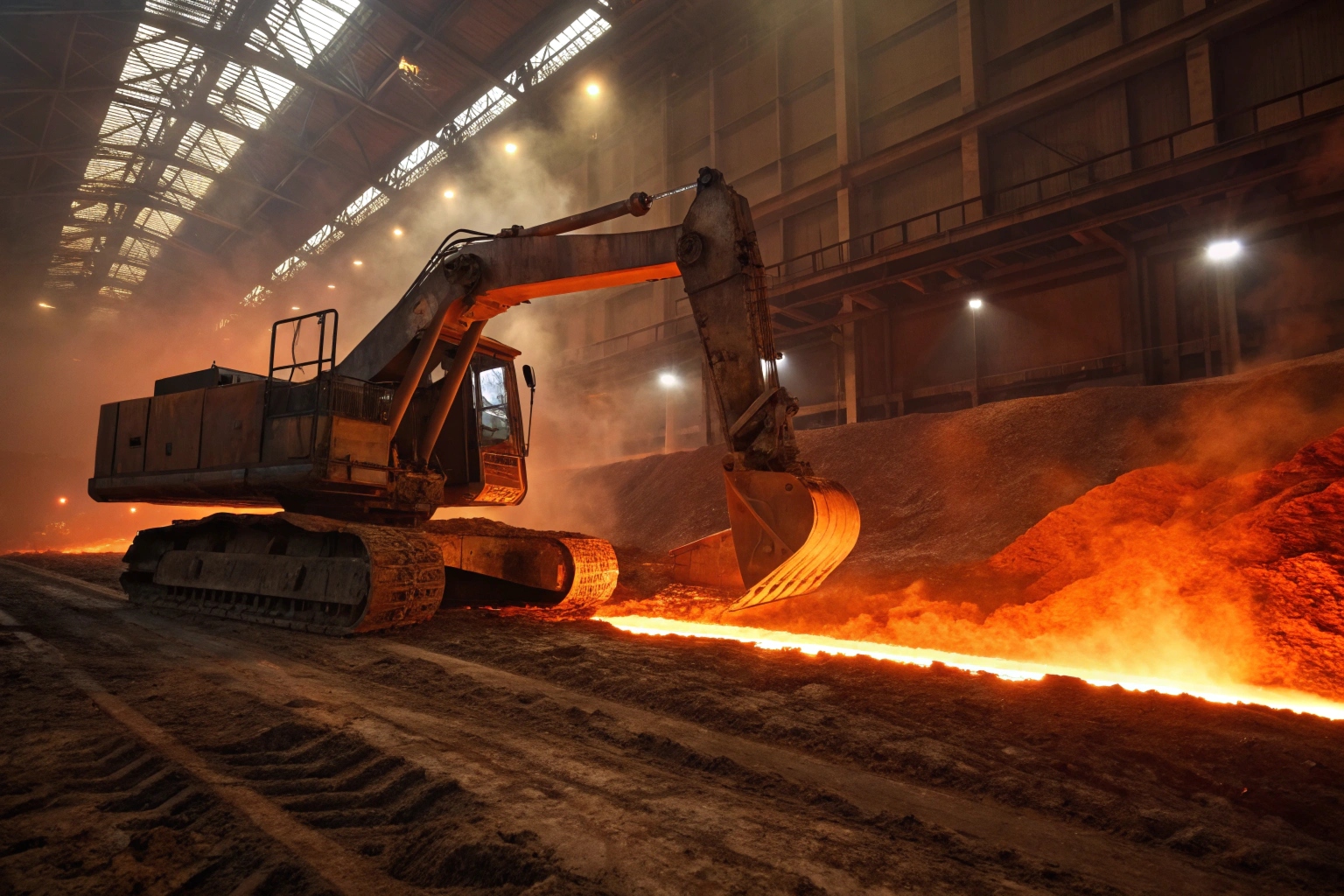
Yes, temperatures above 400°F soften steel, reducing hardness by 30-50%. Heat also destroys seals in lubricated tracks, causing oil leaks and dry joints. This leads to internal pin welding and rapid, catastrophic failure of the assembly.
The Science of Steel Softening
When we manufacture track shoes at Dingtai, we use a process called quenching and tempering 1. This locks the steel structure into a hard state so it can resist wear. However, heat is the enemy of this hardness.
If a machine works in a steel mill where the ground is hot, or in a scorching desert, the steel can reach temperatures that reverse our manufacturing process. We call this "tempering back." When the steel gets too hot, the molecules relax. The hard surface becomes soft. Once this happens, the grouser bars (the parts that dig into the ground) wear down very fast. In my experience, a shoe that should last 4,000 hours might only last 2,000 hours if the steel softens.
Why Seals and Oil Fail First
The metal is tough, but the insides of the track link are weak against heat. Modern excavators use Sealed and Lubricated Tracks 2 (SALT). Inside the pin and bushing, there is oil.
- Oil Thinning: High heat makes the oil thin, like water. It cannot keep the heavy metal pin separated from the bushing anymore. The metal parts touch, rub, and generate even more heat.
- Rubber Failure: The seals keeping the oil inside are made of rubber. Heat bakes this rubber. It becomes hard and brittle. Soon, it cracks. The oil leaks out, and dirt gets in.
Thermal Shock Risks
Another issue I see is thermal shock 3. This happens when a hot track shoe suddenly hits cold water. The metal shrinks instantly. This creates tiny cracks. Over time, these cracks grow. One day, the shoe just snaps under a heavy load.
| Temperature Range | Impact on Steel Hardness | Impact on Seals/Oil |
|---|---|---|
| Normal (< 100°F) | No change. | Normal service life. |
| High (100°F - 200°F) | Minimal change. | Oil thins; check for leaks daily. |
| Extreme (> 400°F) | Hardness drops by 30-50%. | Seals bake and fail; Oil film breaks down. |
How Does High Humidity Create "Hidden" Damage to Undercarriages?
Your customers often ignore humidity, thinking only standing water matters. I know this leads to unexpected "packing" issues that destroy final drives silently.
Humidity causes soil to pack between sprocket teeth, artificially tightening the track. It also hydrolyzes rubber seals and causes rust on mating surfaces, creating "stiff links." These issues increase tension and vibration, destroying components from the inside out.
The Problem of Packing
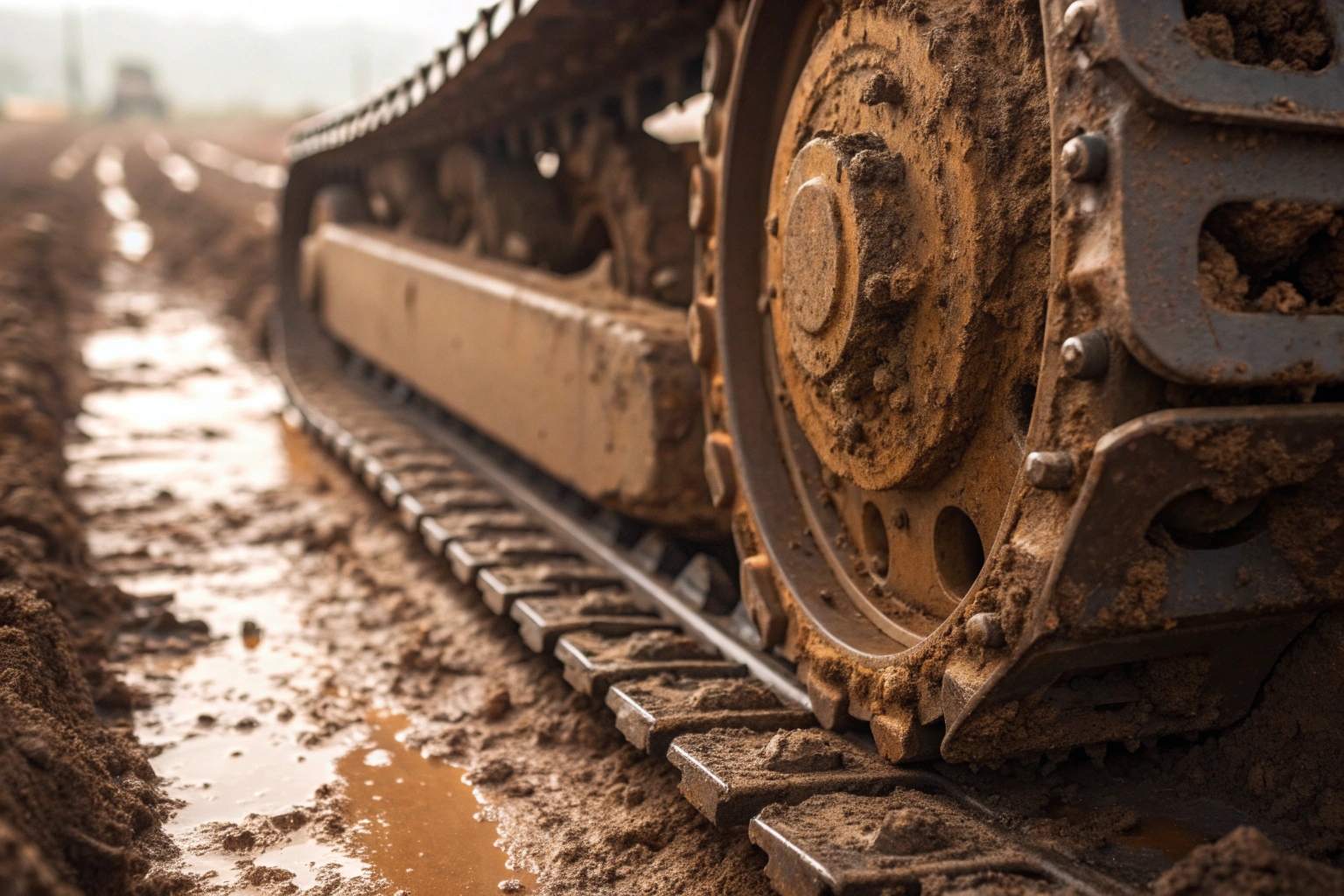
Humidity changes the way soil behaves. Dry dust falls off the tracks. But humid dust turns into a sticky paste. This paste sticks to the metal. It builds up in the "root" of the sprocket teeth 4.
When this packing happens, the effective diameter of the sprocket gets bigger. The track chain has to stretch further to go around it. This creates massive tension. It is like tightening a belt until you cannot breathe. This tension pulls on the front idler and the final drive bearings 5. It wears out the bushings much faster than normal. If your customer does not clean this out, the undercarriage will destroy itself.
Chemical Attack on Rubber
We use high-quality rubber for our seals, but water is a powerful chemical. High humidity causes a reaction called hydrolysis 6. The water molecules attack the rubber material. The seal does not just crack; it turns into a gooey, sticky mess or it crumbles. Once the seal is gone, the lubrication is gone. The track becomes a "dry" track, and it will wear out very quickly.
The "Stiff Link" Phenomenon
Humidity also causes rust inside the joints. Rust takes up more space than clean steel. When rust forms between the pin and the bushing, it jams the joint. The link cannot rotate freely anymore. We call this a "stiff link."
When a stiff link goes around the idler, it does not lay flat. It creates a bump. Every time that bump hits the ground, it sends a shockwave through the machine. This shakes the operator and damages the machine frame.
| Condition | Soil Behavior | Wear Result |
|---|---|---|
| Dry Environment | Soil is loose; falls off tracks. | Normal abrasive wear. |
| High Humidity | Soil becomes sticky paste (packing). | High tension; Final drive damage. |
| Wet/Muddy | Soil acts as liquid grinding paste. | Accelerated bushing wear. |
Why is Salt Spray So Much Worse Than Regular Rust?
You have likely seen track bolts snap on coastal projects, leaving machines stranded. It is shocking how fast salt destroys even the toughest hardware.
Salt spray drives electrochemical corrosion, which is far more aggressive than standard rust. Chloride ions penetrate protective layers, causing pitting and stress corrosion cracking. This leads to rapid bolt failure and "slop" in pin joints.
The Chloride Ion Attack
Salt water is not just dirty water. It contains chloride ions 7. These ions are small and very aggressive. They are the reason salt spray is so deadly to steel.
In a normal environment, steel forms a thin layer of oxide that slows down rust. But chloride ions punch through this layer. They create "pits." These are deep, narrow holes in the metal.
- Why Pits are Bad: A pit is a weak point. When the track shoe takes a heavy load, all the stress goes to that one tiny pit. This can cause the steel to crack suddenly.
Stress Corrosion Cracking (SCC)
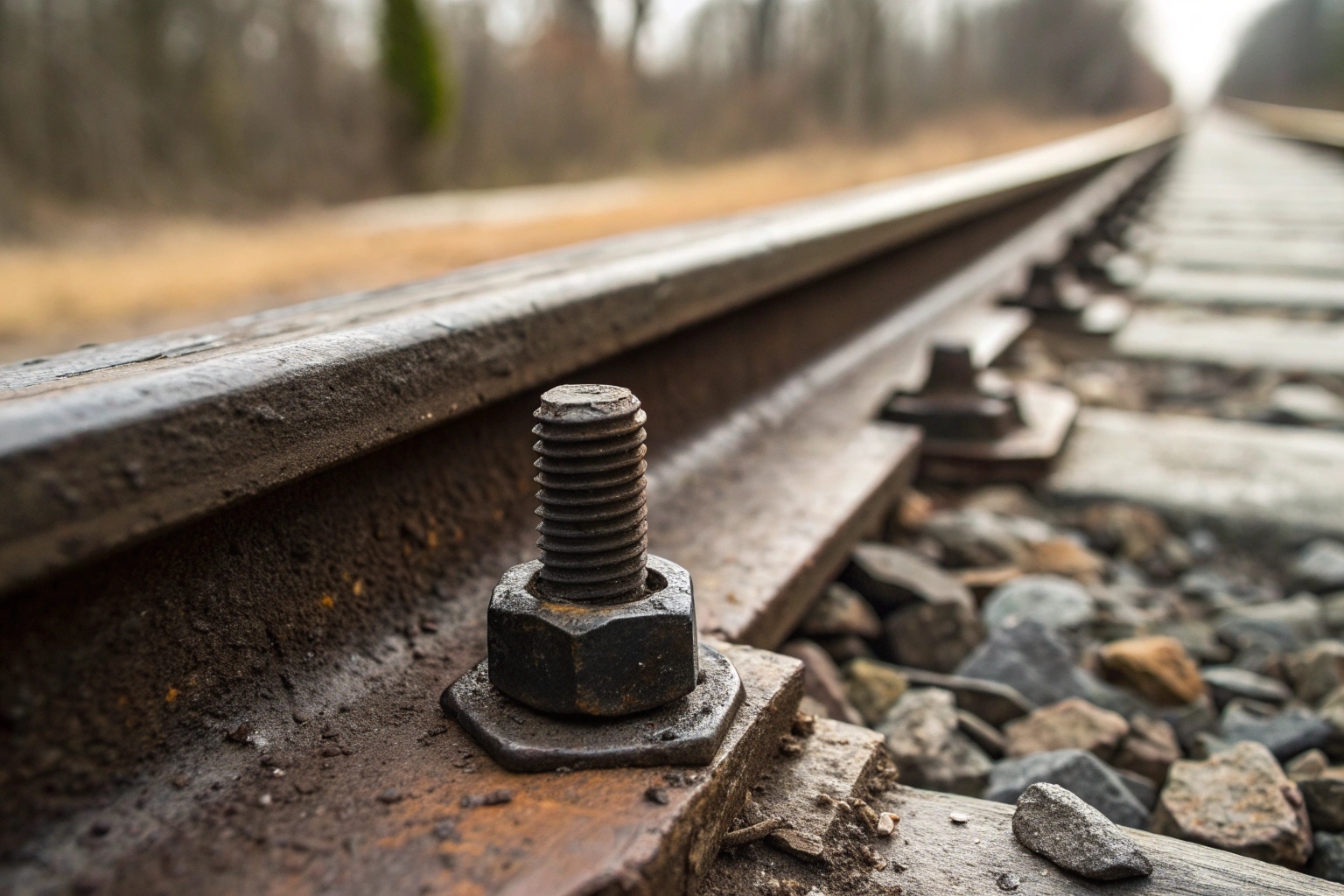
This is the biggest danger for your bolts. You use high-strength bolts to hold the track shoes on. These bolts are under high tension. When you add salt to high tension, you get Stress Corrosion Cracking 8 (SCC).
The bolt does not stretch or look damaged. It just snaps. I have seen brand new bolts break in weeks because of this. It happens without warning. This is a huge safety risk for your customers.
Accelerated Joint Wear
Salt also speeds up the wear in the pins and bushings. The salt water acts as an electrolyte. It makes the electricity flow between different parts of the metal. This speeds up the electrochemical corrosion 9 process by 10 times or more.
The rust eats away the metal surface. This creates gaps between the pin and the bushing. We call this "slop." The track becomes loose and rattles. It creates a grinding paste of salt crystals and grease that chews through everything.
Comparing Rust Types
| Feature | Normal Rust | Salt Spray Corrosion |
|---|---|---|
| Appearance | Uniform orange/brown layer. | Deep pits, flaking layers, white deposits. |
| Speed | Slow, takes years to degrade structure. | Fast, can ruin parts in months. |
| Structural Impact | Mostly cosmetic initially. | Creates weak points (pits) leading to fracture. |
What Special Materials or Maintenance Can Save My Warranty?
You worry about voiding warranties and losing money on replacements. I want to help you choose the right specs to avoid these expensive disputes.
To fight these conditions, use track shoes with zinc-rich coatings or galvanized hardware. Regular fresh-water washing is essential. Regarding warranties, standard parts in extreme conditions often limit coverage, so always specify the environment before ordering.
Choosing the Right Materials
You cannot use standard parts for extreme jobs and expect them to last. We need to upgrade the specs.
- For Salt: You must use coated bolts. Standard black-oxide bolts will fail. I recommend zinc-flake coated bolts 10. The zinc sacrifices itself to save the steel. We can also apply marine-grade paint to the track shoes. It protects the non-wearing surfaces from rusting through.
- For Heat: We can use special alloy steels that are tempered at a higher temperature. This means they will not soften until they get much hotter. It costs a little more, but it saves the track from melting away.
The Importance of Washing
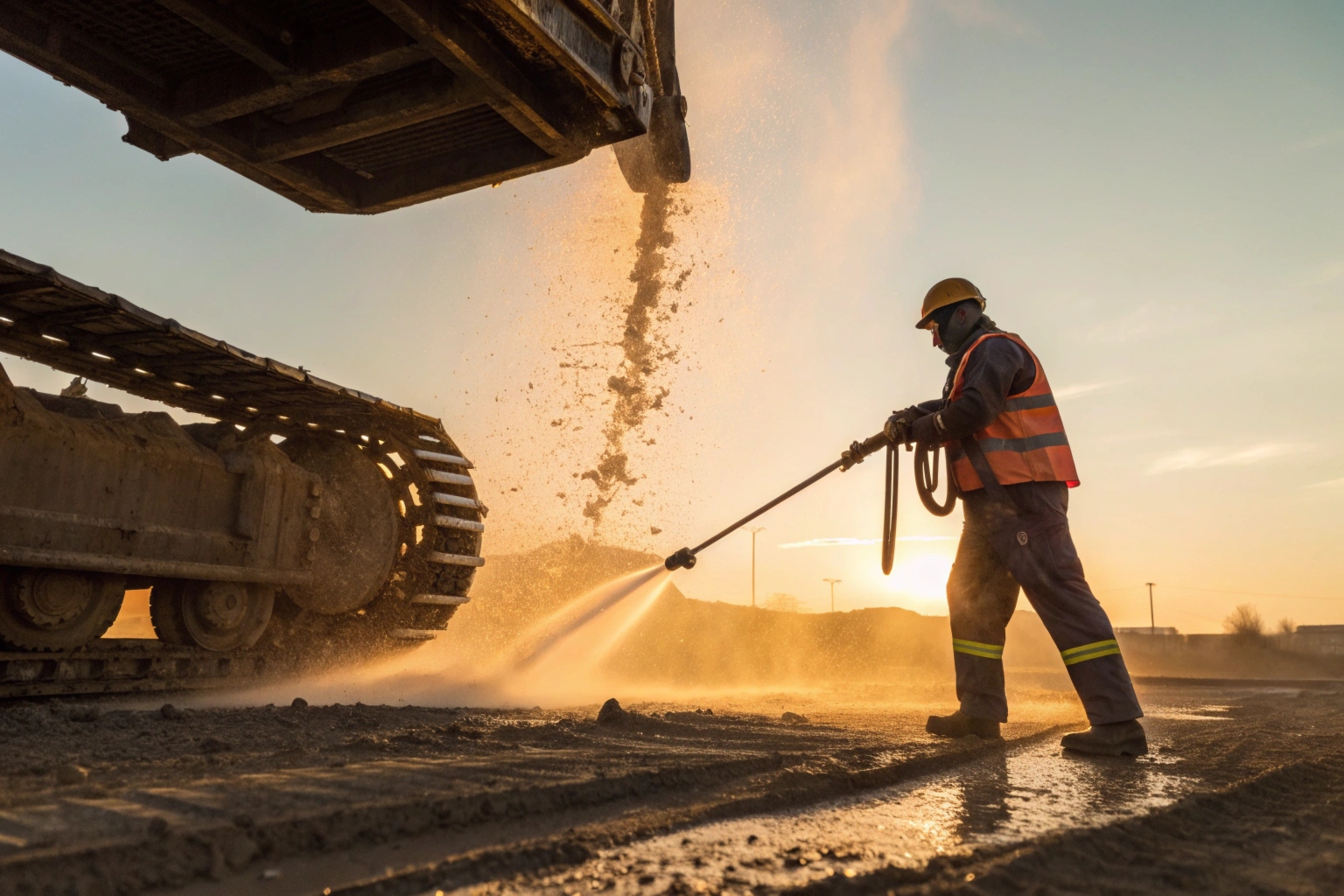
If your customer works near the sea, they must wash the machine with fresh water every day. This is the only way to stop the salt. If they leave salt on the machine overnight, the corrosion works while they sleep.
- For Humidity: They must clean the mud out of the sprockets daily. This stops the "packing" problem and keeps the track tension correct.
Understanding the Warranty
Most warranties cover "defects." They do not cover "abuse." If a standard track shoe fails in a steel mill, that is often called abuse.
- My Advice: Tell me where the parts are going. If I know it is a coastal project, I will suggest the right coating. If I know it is a hot slag pit, I will suggest the high-temp steel. If we agree on the right part for the job, I can support you with the warranty. But if you use the wrong part, I cannot help when it fails.
Summary of Solutions
| Problem | Recommended Solution | Maintenance Action |
|---|---|---|
| High Heat | High-temp tempered steel; Viton seals. | Monitor oil levels; Allow cool-down periods. |
| High Humidity | Heavy-duty rubber seals. | Clean mud packing daily to stop tension issues. |
| Salt Spray | Zinc-coated bolts; Marine epoxy paint. | Daily fresh water wash; Inspect for pitting. |
Conclusion
High heat softens steel, salt eats it, and humidity jams it. To protect your business, you must match the track shoe to the environment and ensure your customers clean their machines. Let's review your next order's destination so I can provide the durability you need.
Footnotes
1. Overview of the heat treatment process used to harden steel. ↩︎
2. Explanation of Caterpillar’s design for extending undercarriage life. ↩︎
3. How rapid temperature changes cause structural failure in materials. ↩︎
4. Guide to identifying wear patterns on excavator drive sprockets. ↩︎
5. Maintenance tips to prevent failure in planetary gear systems. ↩︎
6. Technical breakdown of how water degrades polymer seal materials. ↩︎
7. Definition of chloride's role in accelerating metal oxidation. ↩︎
8. Technical guide to cracking in materials under tensile stress. ↩︎
9. Explanation of galvanic reactions in saltwater environments. ↩︎
10. Benefits of zinc flake technology for high-corrosion environments. ↩︎