
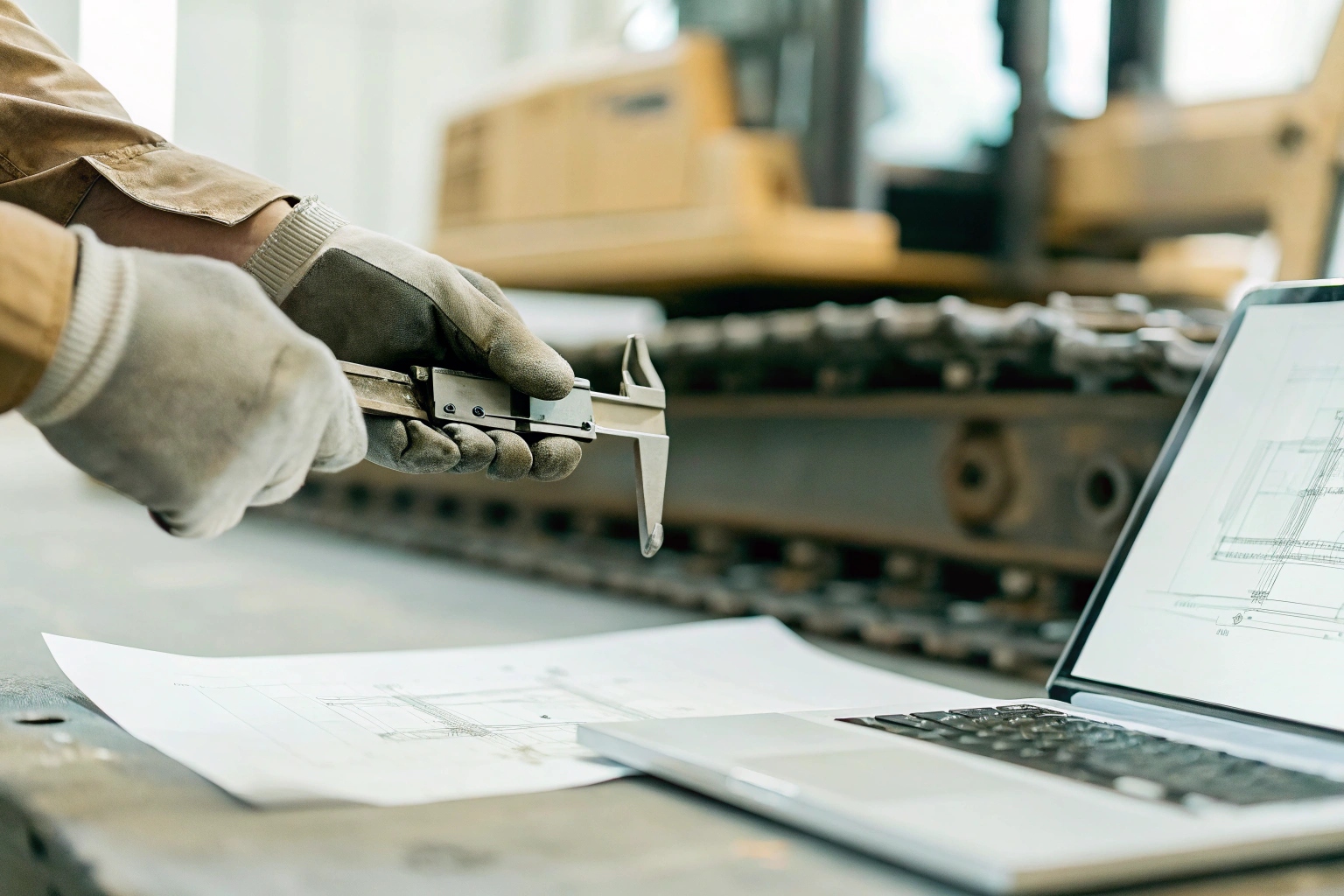
When it comes to heavy machinery maintenance 1, knowing the correct specifications for track shoe assemblies is crucial. I've seen many operators struggle with incompatible parts that not only waste time but also cost money.
To ensure you have the correct track shoe assembly specifications, start by referring to the original equipment manufacturer's documents. These documents provide details about the track shoe configurations specific to your model. They often include numbers and dimensions crucial for matching parts accurately.
Determining the right specs involves more than just reading a manual. It requires understanding how different track shoe configurations 2 work together and knowing which details, like serial numbers or part numbers 3, make a difference.
What information do I need to provide (like serial number or OEM part number) to guarantee I get an exact match?
Providing precise information is often overlooked, yet it is fundamental when you need a perfect part match. I have often caught myself double-checking equipment details before making a purchase.
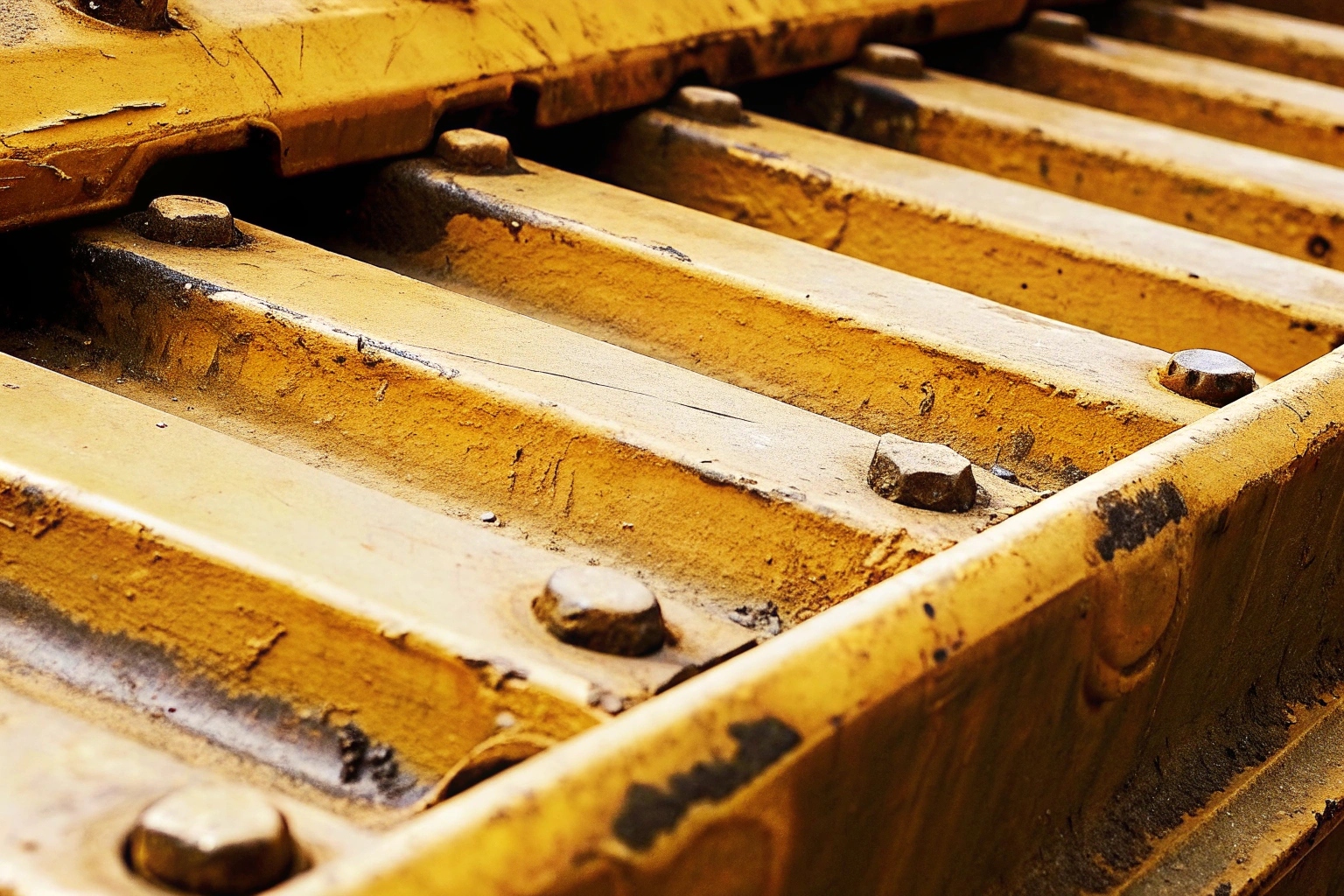
To guarantee an exact match, provide the machine model and serial number. These identifiers lead to precise specs in the OEM’s system, ensuring compatibility. Additionally, using the OEM part number allows suppliers to verify they have the exact piece you need.
Key Information for Exact Match
| Information Needed | Purpose | Example |
|---|---|---|
| Machine Model | Identifies the equipment type | CAT D11 |
| Serial Number | Specific equipment identifier | ABC12345 |
| OEM Part Number | Direct match to specific parts | 254-0230 |
| Track Width | Ensures adequate flotation | 36 inches |
| Track Gauge | Matches center-to-center distance | 78 inches |
When communicating with suppliers 4 or manufacturers, clarity is key. Clearly conveying equipment details and understanding what each part number means can prevent common mistakes.
Can I rely on an OEM part number (e.g., 123-4567) to find a 100% compatible aftermarket assembly?
Relying on numbers alone can be misleading. I once purchased parts based solely on a number, only to find them incompatible due to a small design change 5.
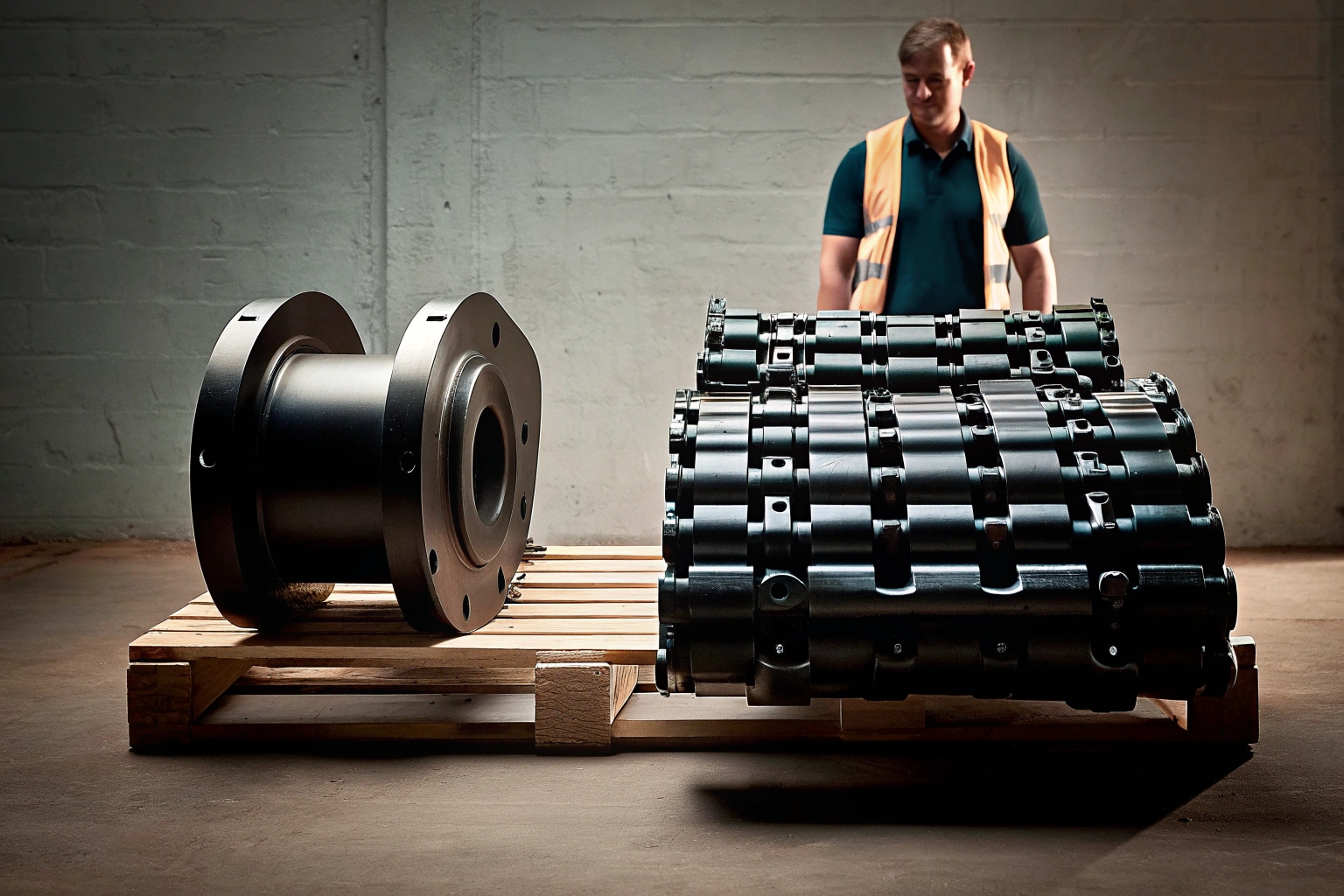
An OEM part number often provides a safe starting point for finding compatible aftermarket assemblies, but it’s not a guarantee. The design or specifications may vary, especially between OEM and aftermarket products; thus, verifying with the supplier is crucial.
OEM vs. Aftermarket Comparison
| Criteria | OEM Parts | Aftermarket Parts |
|---|---|---|
| Quality Consistency | Generally high and controlled | Varies, depending on supplier |
| Compatibility | Guaranteed with original equipment | Requires verification |
| Cost | Typically higher | Usually more economical |
| Warranty | Often includes a formal warranty | Warranty varies |
| Availability | Direct from manufacturer | Wider range, sometimes quicker delivery |
Different manufacturers might interpret a part number differently, especially in the aftermarket world. Communication with vendors and a thorough understanding of specifications 6 are vital.
What are the most common measurement mistakes I should avoid when trying to identify a part?
Avoiding measurement mistakes demands attention to detail. I have observed significant errors from incorrect dimensions, leading to costly returns and downtime 7.
Common measurement mistakes include inaccurately measuring the track gauge and track pitch, and neglecting to verify the grouser type. Accurately assessing bolt hole dimensions and patterns is equally crucial to ensure parts fit seamlessly with existing links.
Common Measurement Errors
| Measurement Type | Common Mistake | Correct Approach |
|---|---|---|
| Track Gauge | Misjudging center-to-center distance | Use precise tools like calipers |
| Track Pitch | Wrong pin-to-pin distance | Confirm against spec sheets |
| Grouser Type | Assuming similar design is adequate | Match type: single, double, triple |
| Bolt Hole Pattern | Overlooking pattern layout | Measure and compare precisely |
| Wear Assessment | Ignoring existing component wear | Inspect and account for deviations |
Misjudging measurements can easily occur, especially when estimations are involved. Precise tools and careful calculations 8 are indispensable for obtaining correct dimensions.
What if my customer's machine has been modified with a non-standard undercarriage?
Handling non-standard setups 9 requires a proactive approach. I’ve often had to think outside the box when standard solutions wouldn't fit modified machines.
If a machine features a custom or non-standard undercarriage, it’s best practice to document modifications thoroughly and consult with specialists who understand custom setups. Direct measurement of modified parts also aids in sourcing compatible replacements.

Working with modifications requires flexibility and specialized knowledge. Engaging with experts and carefully reviewing every option can make finding the right part feasible.
Conclusion
Getting the right track shoe assembly involves keen attention to manufacturer specifications 10, part numbers, and precise measurements. Always ensure full compatibility by double-checking details and consulting experts when dealing with non-standard setups.
Footnotes
1. Best practices for maintaining heavy equipment undercarriages. ↩︎
2. Guide to different track shoe types and their applications. ↩︎
3. How to locate and use part numbers for heavy machinery. ↩︎
4. Tips for effectively communicating technical needs to parts suppliers. ↩︎
5. Understanding manufacturing tolerances and design updates in aftermarket parts. ↩︎
6. Guide to reading and interpreting technical spec sheets. ↩︎
7. Calculating the true cost of incorrect parts in construction. ↩︎
8. Overview of essential tools for measuring undercarriage components. ↩︎
9. How to approach sourcing parts for custom-modified undercarriages. ↩︎
10. Why OEM specifications are the definitive source for parts. ↩︎