
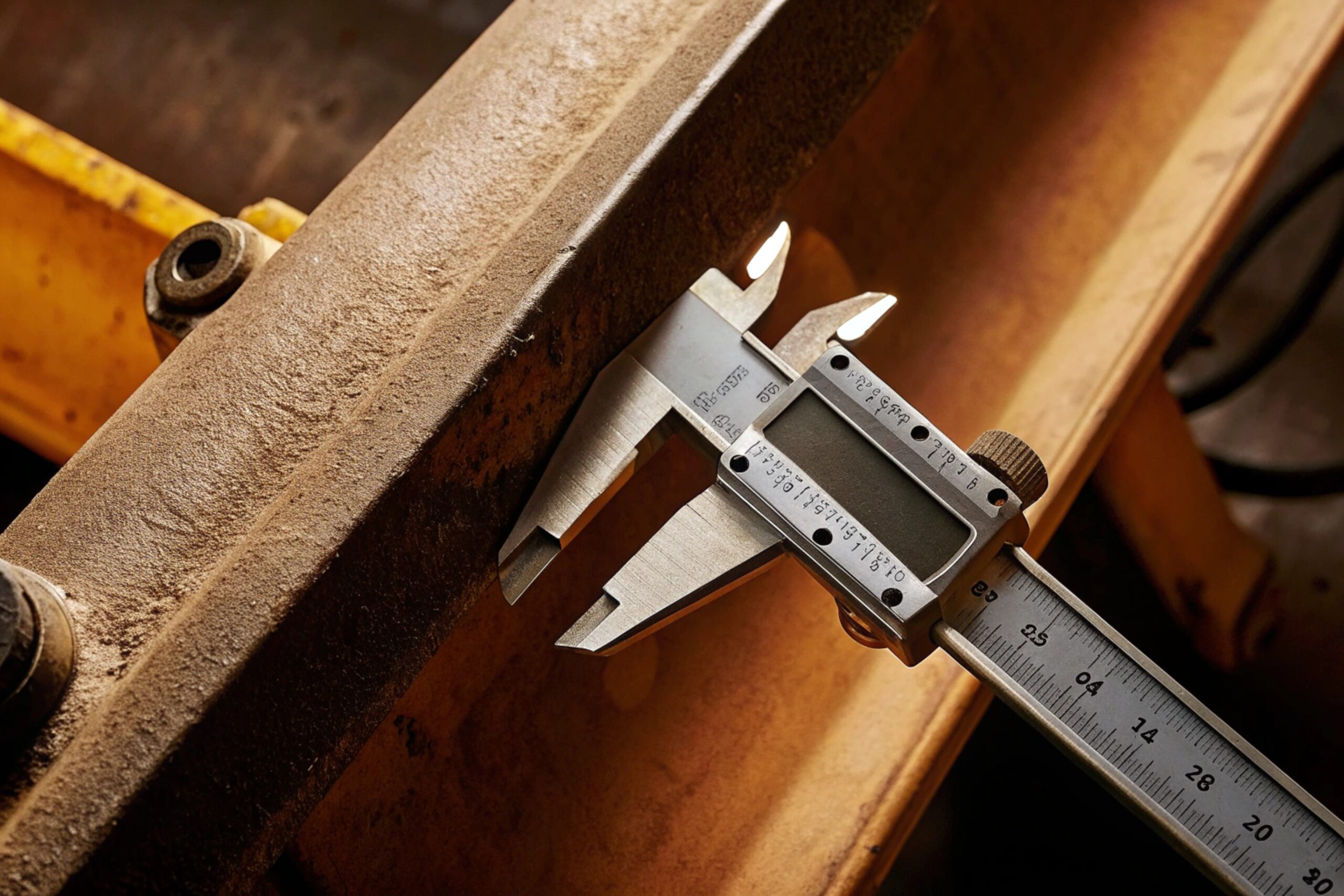
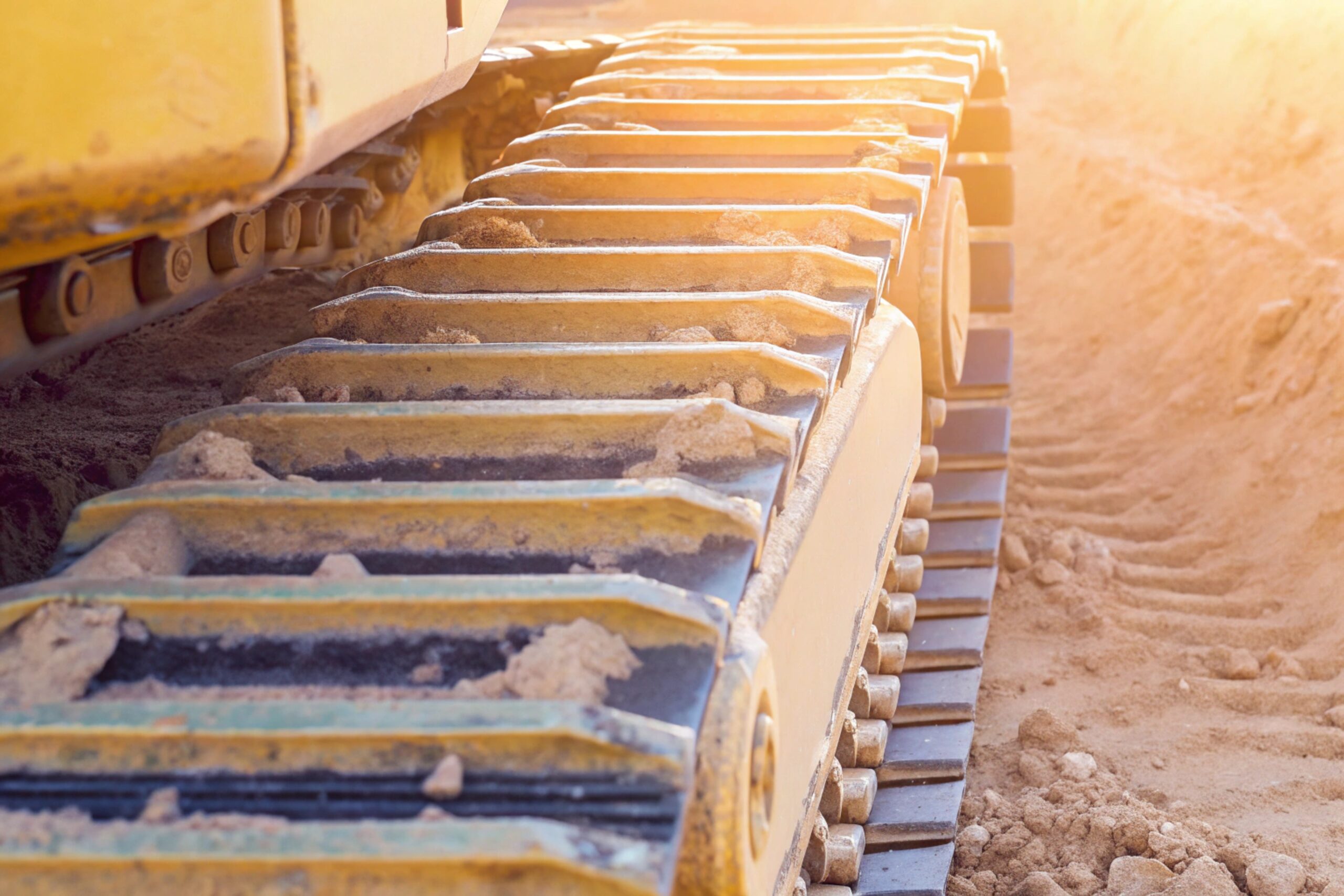
When sourcing track shoe assemblies 1, verifying their compatibility with OEM parts can prevent costly downtime. I start by confirming the exact model and serial numbers to avoid any fitment issues.
To absolutely confirm compatibility between a supplier's track shoe assembly and OEM parts 2, specific steps and checks are crucial. Knowing that small design updates greatly affect fitment, these verification methods provide assurance on physical fit and performance.
Misfit and performance issues can be costly, so knowing how to validate these parts and ensure they match OEM specifications is vital. I often take the time to measure and cross-check for a foolproof confirmation.
Can I trust a supplier who only confirms compatibility by machine model (e.g., "fits a CAT 330")?
Most suppliers advertise parts based solely on machine models, claiming compatibility. It's crucial for me to be wary, as this can often lead to misfit situations despite seeming straightforward.
While confirming compatibility by machine model may be convenient, it's insufficient for establishing full compatibility. I recommend detailed verification through part numbers, measurements, and material specifications, ensuring no discrepancies.
Comparison of Verification Methods
| Verification Method | Pros | Cons |
|---|---|---|
| Model Confirmation | Quick initial check | Does not guarantee exact fit |
| Part Number Matching | Precise identification | Requires additional information from supplier |
| Detailed Measurement | Ensures exact fit | Time-consuming and requires precision tools |
| Material Specification | Confirms durability and quality | May need technical expertise for verification |
Beyond model confirmation, precise cross-referencing of part numbers and dimensions is essential. Understand that dimensions like bolt hole spacing, width, and flange size must align perfectly, and not relying solely on a model fit claim can ensure optimal performance and avoid costly repairs.
In specific cases, relying on a broad model name like CAT 330 3 can be misleading due to year-specific variations. Additionally, reviewing material specifications 4 ensures the steel grade meets the necessary hardness requirements.
Should I ask my supplier (like Dingtai) for a formal "fitment guarantee" before I place my order?
It seems wise to ask for a fitment guarantee. Like you, I value the reassurance of knowing the parts purchased will match original equipment, reducing risks or compatibility challenges.
A formal fitment guarantee 5 strengthens the trust between supplier and buyer, ensuring parts meet exact requirements. Before purchasing, always request documented guarantees to hold suppliers accountable for mismatched parts, protecting investments.
Key Fitment Guarantee Elements
| Element | Importance |
|---|---|
| Written Documentation | Provides legal backing for fitment claims |
| OEM Compatibility | Ensures alignment with original equipment |
| Warranty Coverage | Protects against potential defects |
| Supplier Reputation | Offers insight into reliability and performance |
Certainty in compatibility comes from guaranteed fitment. Specifications beyond visual confirmation, like material consistency, OEM markings, and quality credentials 6, validate compatibility. By securing such guarantees, compatibility issues become less concerning, providing peace of mind and safeguarding operations.
What technical drawings or critical dimensions should I ask for to cross-check the part myself?
Technical drawings serve as vital tools for verifying compatibility. Without detailed schematics, confirming if parts match OEM specifications becomes considerably challenging and risky.
Requesting technical drawings 7 allows cross-checking critical dimensions such as bolt holes, shaft diameter, and flange width against OEM specs. These schematics help avoid mismatches, ensuring perfect fitment and maintaining operational integrity.
Critical Dimensions for Verification
| Dimension | Description |
|---|---|
| Bolt Hole Spacing | Distance between center of bolt holes |
| Flange Width | Width of the flange for alignment |
| Shaft Diameter | Diameter for proper mounting fit |
| Overall Length | Ensures proper alignment with chain |
Key dimensions like bolt hole spacing 8, diameter, flange width, and length impact fitment. By cross-checking these elements against OEM schematics, discrepancies become apparent. Ensuring these dimensions match not only guarantees fitment but also maintains machine performance and decreases downtime risks.
Are there known issues in the industry with aftermarket assemblies not fitting OEM track chains?
The industry sees frequent issues with aftermarket assemblies 9 not aligning with OEM track chains. This misalignment leads to operational inefficiencies and risks I prefer to avoid.
Known issues exist due to material differences, dimensional variances, or execution flaws in aftermarket parts. Ensuring compatibility through detailed verification and seeking fitment assurances from reliable suppliers can mitigate these risks.
Industry instances of misalignment often stem from improper material use and dimensional deviations in aftermarket parts. Critical assessments, process checks, and checking alignment with OEM track chains 10 can shield against possible inefficiencies, thus reinforcing productivity.
Conclusion
Verifying that track shoe assemblies fit OEM specifications prevents costly downtimes. I find precise checks help maintain equipment integrity and performance.
Footnotes
1. Understanding the mechanics and components of continuous track systems. ↩︎
2. Definition and benefits of Original Equipment Manufacturer parts. ↩︎
3. Specifications and details for Caterpillar 330 excavators. ↩︎
4. Importance of material standards in heavy machinery components. ↩︎
5. Legal and commercial implications of parts compatibility assurances. ↩︎
6. Overview of quality management standards like ISO 9001. ↩︎
7. Role of engineering schematics in part verification. ↩︎
8. Guide to measuring bolt patterns for accurate fitment. ↩︎
9. Comparison between aftermarket and original equipment parts. ↩︎
10. Basics of track chain components and maintenance. ↩︎