
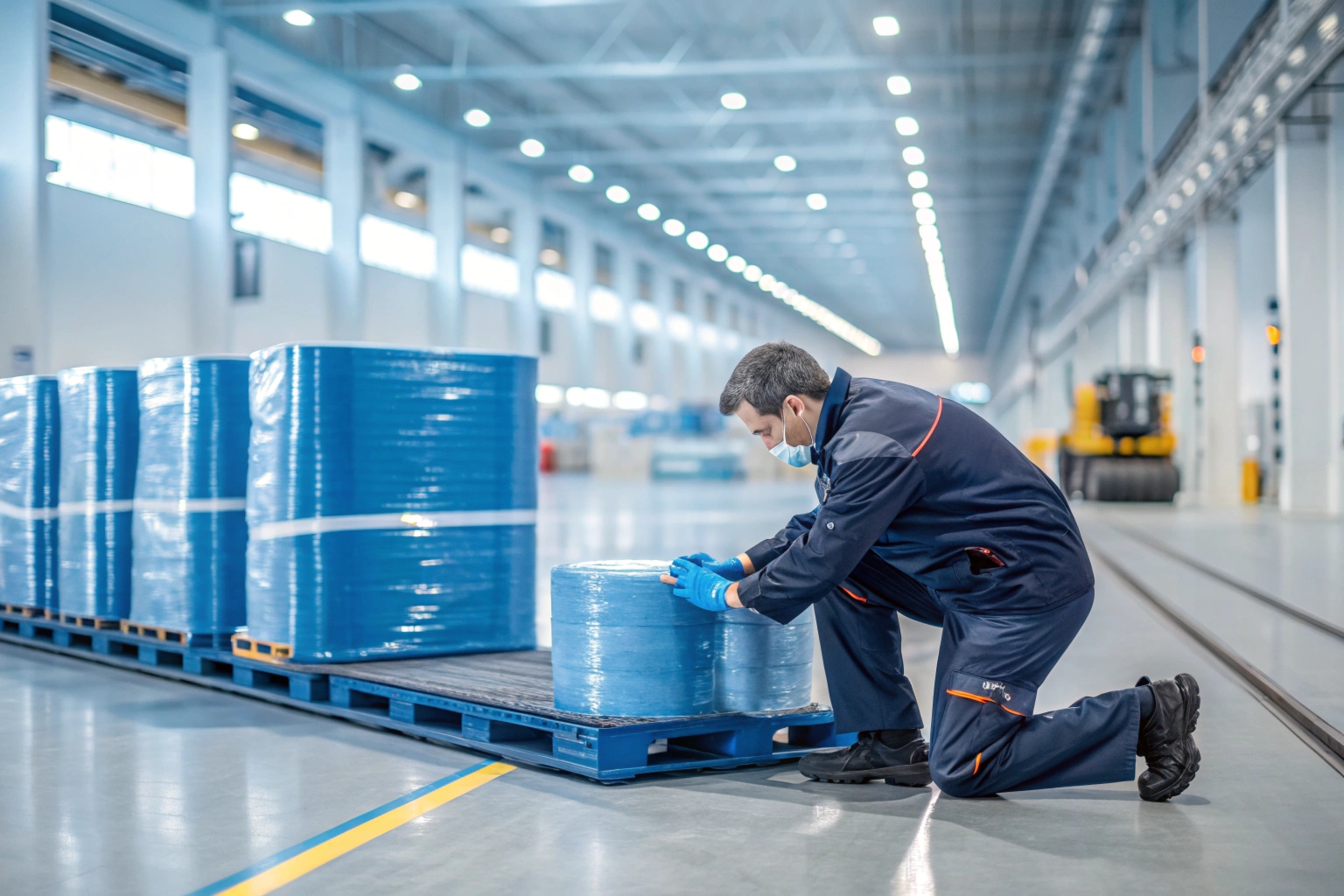
Opening a shipping container to find rusted track shoes is a nightmare. It ruins your inventory value, delays your sales, and damages your reputation. I know exactly how much quality matters to you.
Yes, we protect every shipment using a multi-layered approach. This includes high-grade anti-rust oil on machined surfaces, moisture-absorbing desiccants, and heavy-duty stretch wrap. We customize these measures based on your specific shipping duration to ensure factory-fresh arrival.
Let me walk you through the specific details of our packaging protocols at Dingtai, so you can feel confident that your order will arrive in the same condition it left our factory.
Do You Use Protective Measures Like Anti-Rust Oil, Desiccants, or Stretch Wrap?
You cannot afford for your chassis parts to be exposed to sea air. Without proper protection, corrosion starts before the ship even leaves the port, threatening the integrity of your products.
We apply a strict protection protocol for all exports. This involves cleaning the assemblies, applying rust-inhibiting oil to critical areas, and securing them with VCI film. We do not cut corners like sellers of used or scrap parts might.
At Dingtai, we treat packaging as a critical stage of the manufacturing process, not an afterthought. We understand that a track shoe assembly is only valuable to you if it arrives ready to sell. Based on my experience serving clients like you in the US market, we have standardized a "Layered Defense" system. This system is designed to combat the high humidity and salinity found during ocean freight 1.
The Three Layers of Protection
We approach protection from the inside out. It is not enough to just throw a plastic sheet over the pallet. We must address the metal surface, the air surrounding the metal, and the external environment.
- Surface Layer (The Oil): We apply a specialized anti-rust oil to all machined surfaces. This creates a direct barrier between the steel and the oxygen in the air.
- Atmosphere Layer (The Desiccant): Inside the packaging, we place desiccant packs. These absorb moisture that might be trapped in the air when we seal the package.
- Barrier Layer (The Wrap): We use heavy-duty stretch wrap, often infused with Volatile Corrosion Inhibitor 2 technology, to seal the pallet.
Differences in Market Standards
It is important to understand that not all suppliers follow these rules. In my dealings with the global market, I have seen significant differences between what we offer as an OEM-standard manufacturer and what you might get from other sources.
| Supplier Type | Anti-Rust Oil | Desiccants | Packaging Wrap | Risk Level |
|---|---|---|---|---|
| Dingtai (New OEM/Aftermarket) | Yes (Standard) | Yes (Inside box/wrap) | VCI or Heavy PE Film | Very Low |
| Third-Party / Budget Trader | Negotiable (Often extra cost) | Rarely included | Standard thin plastic | Medium/High |
| Used / Scrap Dealer | None | None | Simple dust cover | Very High |
By strictly adhering to the first standard, we ensure that the track chains, rollers, and shoes you receive are indistinguishable from those produced by major brands like Komatsu or Caterpillar. We check the integrity of these layers during our final inspection before the container door is closed.
Is the Anti-Rust Oil Easy for My Team to Clean Off?
I know that preparing parts for resale takes time and labor. You do not want your team scrubbing thick, tar-like grease off every single track shoe before you can paint or sell them.
The anti-rust oil we use is a light, temporary protective coating. It is designed to be easily wiped off with standard solvents or mild degreasers. It provides strong protection during transit but will not slow down your painting or installation process.
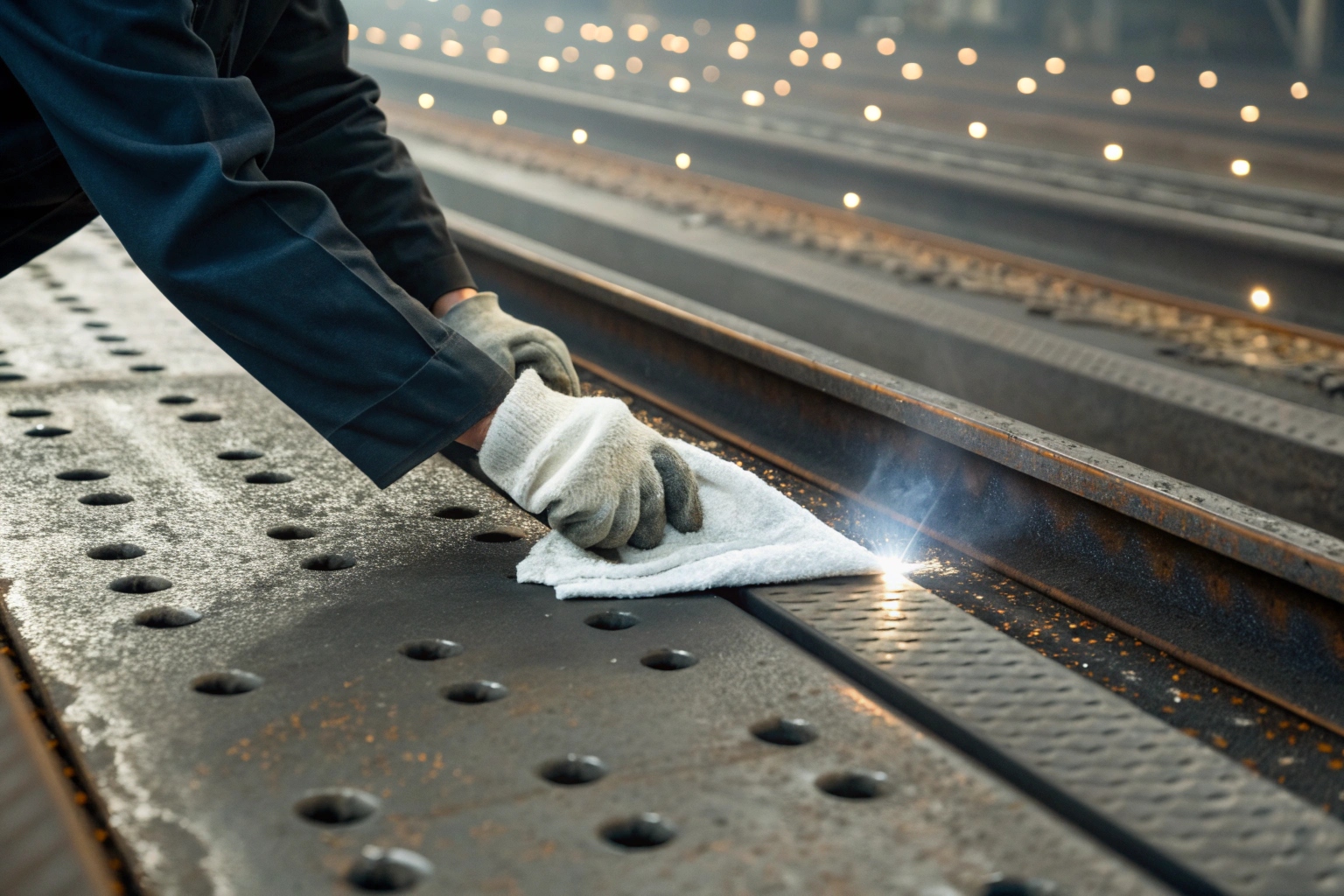
The type of oil a manufacturer uses makes a huge difference in your operational efficiency. In the past, some older factories used "Cosmoline," a thick, wax-like substance that was incredibly difficult to remove. It required harsh chemicals and hours of scraping. I know you prefer efficiency, so we do not use that.
Our Choice of Protective Oil
We use a low-viscosity, solvent-based rust preventive. When applied, it forms a thin, transparent film. This film is robust enough to stop moisture from reaching the steel pores but soft enough to be removed easily.
Removal Process and Efficiency
The removal process is straightforward and does not require specialized equipment. Your warehouse team can remove this oil using common industrial cleaners, mineral spirits 3, or an alkaline wash. In terms of time efficiency, it usually takes just a simple wipe-down or a quick spray wash. There is no need for heating or scraping, which saves you significant labor costs. Furthermore, if you plan to paint the track shoes yourself, this oil cleans off completely, ensuring your primer adheres perfectly to the metal without leaving any oily residue that could cause paint failure.
Balancing Protection and Convenience
There is always a trade-off in this industry. A thicker oil protects longer but is harder to clean. A thinner oil is easier to clean but lasts for a shorter time. Through our 20 years of manufacturing experience, we have found the "Goldilocks" zone—just right for international shipping and typical warehouse storage.
If you have a specific cleaning process in your facility, please let me know. We can adjust the viscosity of the oil we use. For example, if you have an automated washing line, we can use an oil that emulsifies quickly in water. Communication is key here. If you tell me your process, I can match our production to suit your team. We can even provide data sheets (MSDS 4) for the oil so your safety manager knows exactly what is coming into your facility.
Are Desiccants Placed Inside the Plastic Wrap?
Plastic wrap alone often traps moisture rather than keeping it out. If temperatures change during shipping, condensation can form inside the pallet and cause "container rain," leading to rust.
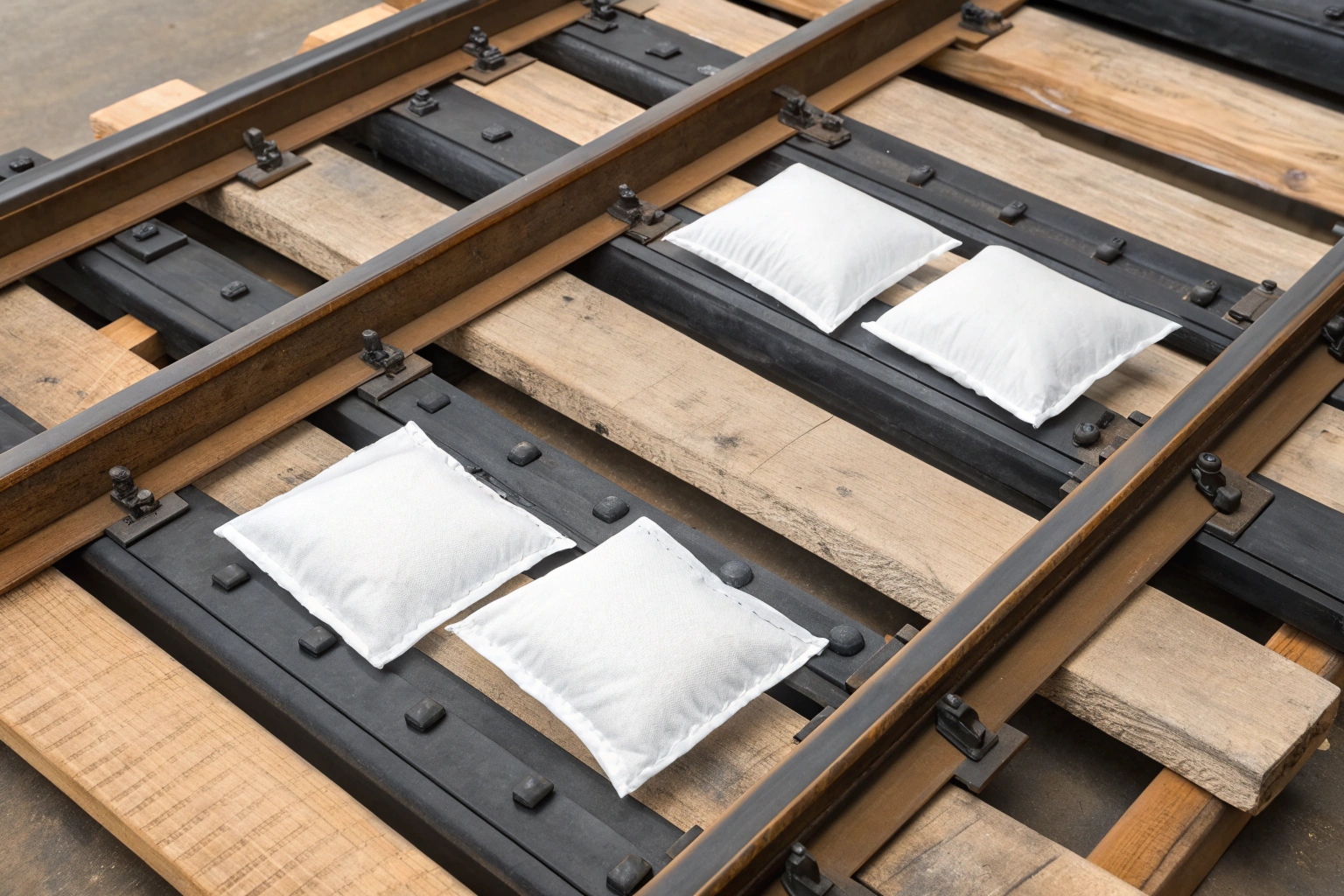
Yes, we place desiccant packets strategically inside the wrapping. We often combine this with VCI technology. This creates a dry micro-climate around the metal, absorbing trapped moisture and neutralizing corrosive elements in the air.
This is a technical detail that many buyers overlook, but I know someone with your experience understands the science of "Dew Point." When a ship travels from a warm climate (like Fujian, China) to a cooler climate (like a port in the Northern US), the temperature inside the container drops. Cold air cannot hold as much water as warm air, so the moisture turns into liquid water—condensation.
How We Combat "Container Rain"
If we simply wrapped the track shoes in plastic without desiccants, that condensation would be trapped inside the plastic, sitting directly against the metal. This acts like a greenhouse for rust. To prevent this, we use a two-step method. First is Moisture Absorption. We place bags of silica gel or calcium chloride 5 inside the plastic barrier. These bags aggressively suck moisture out of the air trapped inside the package. They keep the relative humidity inside the wrap below 40%, which is the safety zone for steel.
VCI Chemistry Explained
Second, we utilize VCI Chemistry. We often use VCI (Volatile Corrosion Inhibitor) materials. These materials release invisible molecules into the air inside the package. These molecules land on the metal surface and form a molecular shield that prevents oxygen from reacting with the iron. It works like a force field at a microscopic level.
Typical Desiccant Usage Table
We do not just throw the bags on top. We place them deep within the pallet structure before the final wrap is applied to ensure even absorption.
| Pallet Size | Amount of Desiccant | Goal |
|---|---|---|
| Standard Pallet | 500g - 1kg | Absorb initial trapped air moisture |
| Large Crates | 1kg - 2kg | Maintain dryness for 60+ days |
| Full Container | Hanging dry poles | Prevent container rain 6 |
By controlling the environment inside the wrap, we ensure that even if the outside of the box gets wet, the parts inside stay dry. This is standard procedure for our shipments to North America.
How Long Will These Protective Measures Last?
Inventory turnover varies, and sometimes parts sit in your warehouse for months. You need to know that your investment remains safe while it waits for a buyer or a project.
With our standard export packaging, your track shoe assemblies are protected for 6 to 12 months under normal warehouse conditions. For longer storage plans, we can upgrade to heavy-duty VCI bags and reinforced wooden crates to extend this protection period significantly.

Reliability is one of your core requirements. When you buy from Dingtai, you are buying time. You need the flexibility to hold stock without worrying that the product is degrading on the shelf. We understand that not every part sells immediately, and your profit margin depends on the part being "new" when it finally ships to your customer.
Factors That Affect Storage Life
While our standard packaging is rated for 6-12 months, the actual lifespan depends on where and how you store the parts.
- Indoor vs. Outdoor: Our standard protection is designed for indoor, covered storage. If you plan to store these outdoors, even under a tarp, you must tell us. We would need to apply a hard-film rust preventive and use UV-resistant wrapping.
- Temperature Fluctuations: Warehouses that are not climate-controlled can experience big temperature swings. This puts more stress on the desiccants as the air expands and contracts.
- Packaging Integrity: The protection only lasts as long as the wrap is sealed. If a forklift tears the plastic, the "micro-climate" is broken, and humid air will rush in.
How to Extend the Shelf Life
If you anticipate holding stock for more than a year, or if your warehouse is located in a high-humidity coastal area, we can upgrade the packaging. We can add a second layer of VCI film 7 (Double Wrapping). We can switch to a waxier, long-term rust preventive (Heavy Oil), though this brings us back to the cleaning issue discussed earlier. Or, we can add VCI emitter disks inside the pallets which release more protective gas over a longer period.
My Recommendation for Your Business
For your business model, where you are distributing to end-users, I recommend adhering to a "First-In, First-Out" 8 (FIFO) inventory system. This ensures that the oldest stock is sold first. However, rest assured that if a pallet gets pushed to the back of the warehouse, our protection is robust enough to handle a year of storage without issues. We can also label the boxes with a "Packaging Date" so your warehouse team can easily identify which units need to be inspected or sold first.
Can I Request Not to Have Oil Applied?
Your branding process might require a completely bare metal surface. I understand that removing oil adds an extra step that you might want to avoid to streamline your operations.
We can customize the packaging to exclude oil if you request it. However, we highly recommend substituting it with "dry" protection methods, such as VCI bags, to prevent flash rust. We will work with you to find the safest balance.
We are a direct manufacturer, not just a trader. This means we have full control over the production line. If you tell us "No oil," we can certainly do that. However, as your partner, I must advise you on the risks so we can manage them together. Steel is highly reactive. Without oil, "flash rust" 9 can appear on the surface within hours if there is moisture in the air. A 30-day ocean voyage is a long time for bare metal to be unprotected.
The Risk of "Dry" Shipping
If you require oil-free parts for your painting or branding process, we should not just leave the metal bare. Instead, we should use Dry Protection Methods:
- VCI Paper Interleaving: We place sheets of VCI paper between the track shoes. This paper releases corrosion inhibitors directly onto the dry metal surface.
- Vacuum Sealing: We can vacuum seal the parts in heavy plastic. This removes the air entirely, eliminating the oxygen needed for rust to form.
- Nitrogen Flushing: For very sensitive parts, we can flush the bag with nitrogen before sealing (though this is rare for undercarriage parts due to cost).
Customization Protocols and Waivers
If we proceed with a "No Oil" order, we usually ask for a mutual understanding regarding the risks. We may note on the contract that the rust protection is limited based on customer request. This protects both of us. It also means you would need to process (paint or grease) the parts immediately upon opening the package at your facility. You cannot leave them sitting overnight once the seal is broken.
A Middle Ground Solution: Vanishing Oil
A popular solution for clients like you is to use a "Vanishing Oil." This is a very special type of fluid that wets the surface for protection but evaporates almost completely after the packaging is opened, leaving the surface dry and ready for painting. It costs slightly more, but it saves your team the labor of cleaning. This is often the best compromise between protection during transit and efficiency 10 in your workshop. Would this be an option you would like to explore?
Conclusion
We do not just build track shoes; we ensure they stay built until they reach your customer's machine. Whether you need standard oil protection, long-term storage solutions, or a customized dry-pack for immediate painting, we can adjust our production line to meet your needs.
Footnotes
1. Guide to ocean freight logistics and environmental challenges during shipping. ↩︎
2. How VCI technology chemically prevents metal oxidation and corrosion. ↩︎
3. Uses of mineral spirits for cleaning machinery parts and degreasing. ↩︎
4. Understanding Safety Data Sheets (SDS) for hazardous workplace chemicals. ↩︎
5. Chemical properties of calcium chloride making it an effective desiccant. ↩︎
6. Causes and prevention of moisture damage known as container rain. ↩︎
7. Industrial applications of VCI film for packaging and rust prevention. ↩︎
8. Inventory management strategy to ensure oldest stock is sold first. ↩︎
9. Explanation of rapid corrosion forming on bare metal surfaces. ↩︎
10. Definition of efficiency in production and operational contexts. ↩︎