
Are you tired of uncertainty in tracking your track shoe assembly orders? You are not alone. Many face challenges in knowing the exact status of their orders during production. Thankfully, systems like ERP and MES offer solutions to manage order tracking and quality assurance effectively.
Yes, we employ a comprehensive ERP and MES system to monitor track shoe assembly orders and ensure quality. Our system provides real-time updates and traceability, linking each product to its raw material batch and operator details, ensuring timely handling of any quality issues.
Our advanced system integrates multiple departments, including sales and shipping, ensuring all stakeholders have access to the same up-to-date information. This coordination helps mitigate production delays 1 and enhances the overall production process.
How Can I Get Real-Time Status Updates on Where My Order Is in Your Production Schedule?
Knowing precisely where your order stands is crucial. I know the frustration when lacking updates. With our integrated system, real-time status updates are at your fingertips, ensuring transparency and control.
You can receive real-time updates through our ERP system, which synchronizes with production schedules to reflect the current status of each order. This integration ensures that you are always informed, reducing delays and improving communication.

Real-time monitoring 2 enhances accountability and efficiency. In our process, the ERP system not only tracks orders but also integrates with the MES to reflect precise stages of production. This connection allows you to receive notifications as your order progresses. Whether it's in the initial stages of raw material preparation or nearing completion, you have direct insights. Such visibility not only fosters trust but also empowers you to manage your timelines better.
Additionally, it smooths coordination between teams. Sales, logistics, and production access the same data, reducing miscommunication. Ensuring your priorities align with our operational targets 3 is key. Our system guarantees transparency, making order management seamless.
If There Is a Quality Problem, Can Your System Trace It Back to the Specific Raw Material Batch and Heat Treat Operator?
Quality issues can be daunting. Having a system that quickly identifies and addresses root causes 4 is invaluable. I understand the peace of mind this brings.
Our MES system is designed to trace quality problems to specific raw material batches and operators involved in each step. This traceability ensures efficient resolution and minimal disruption to production timelines.

In-depth tracing underpins our quality management approach. With each track shoe assembly, a unique traceability code 5 is assigned. It logs every stage: from raw material batches to individual operators’ actions. If a quality concern arises, precise identification of faulty components or steps is immediate. This system enables reverse tracing—from finished product back to raw material. Resultantly, responses to issues are swift, enhancing product reliability and brand reputation.
Moreover, this transparency in operations cultivates confidence among our partners and clients. Knowing every batch, operator, and process is documented ensures we meet stringent quality benchmarks. It's not just about resolving issues but affirming our commitment to excellence.
How Does This System Help You Manage Your Production Schedule and Prevent My Orders from Being Late?
Balancing production schedules to prevent delays is challenging. I empathize with the inconvenience of late deliveries. Our system is engineered to optimize and manage workloads effectively.
The system integrates ERP and MES functions to streamline production scheduling, adjusting dynamically to changes and ensuring timely order completion. This flexibility prevents delays and enhances production efficiency.
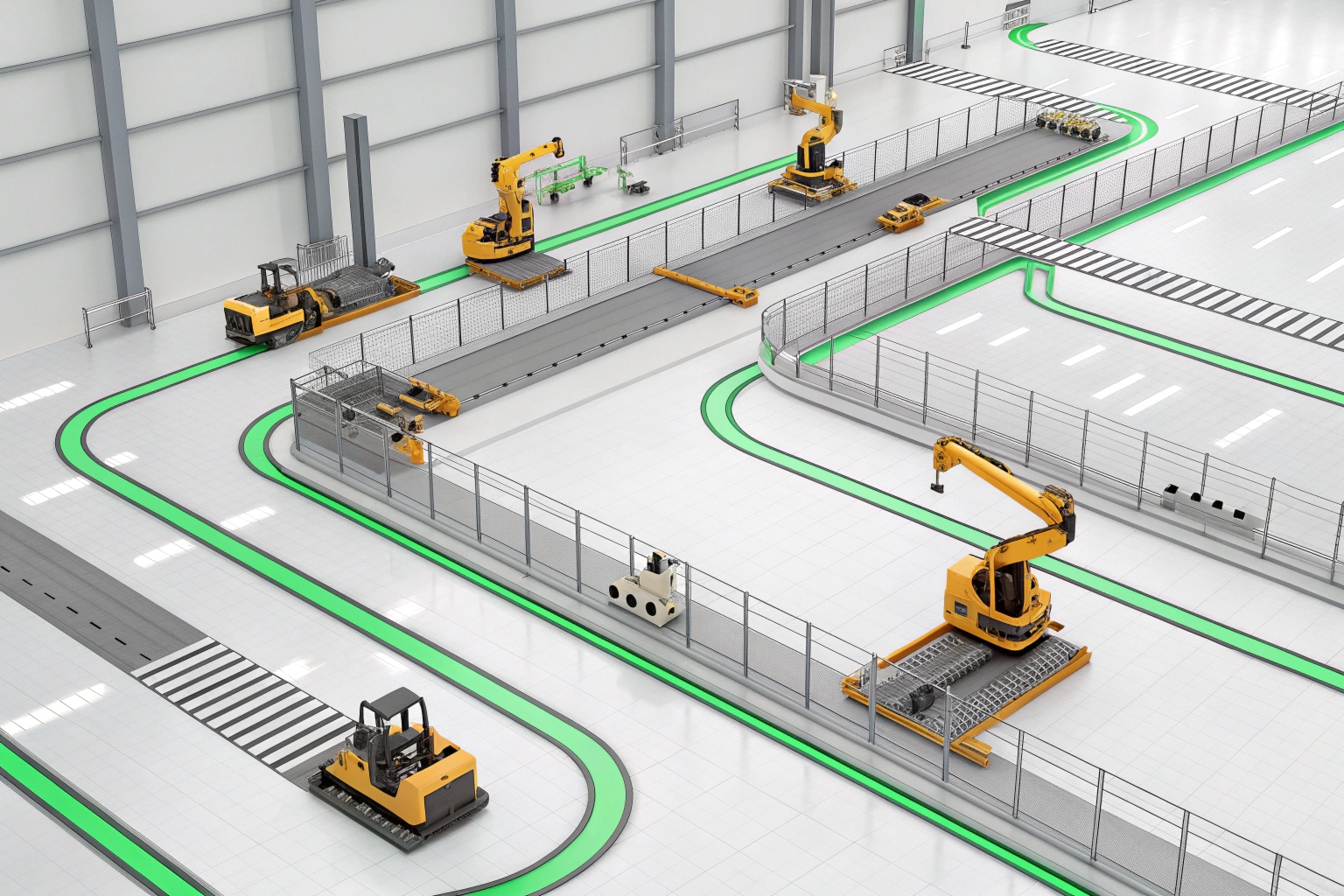
Dynamic scheduling is central to our production efficiency. Through real-time data sharing, our system anticipates potential bottlenecks, reallocating resources proactively. This adaptability minimizes downtime and maximizes throughput 6. Automated scheduling based on availability and demand fluctuations ensures optimal use of assets and manpower.
Key to this is comprehensive data integration. Our ERP captures upstream order considerations—inventory 7, staffing, and logistics—while MES focuses on floor-level operations. Interlinking both allows seamless production flow, adhering to deadlines even amidst unforeseen challenges.
We believe in proactive problem-solving. Should disruptions threaten timelines, the system initiates alerts, allowing for immediate corrective measures. This level of management not only meets your expectations but often surpasses them, fostering enduring trust.
| Key Features | ERP System | MES System |
|---|---|---|
| Order Tracking | Synchronizes order details and production plans | Monitors production steps in real-time |
| Quality Trace | Links QA data to financial outcomes | Provides batch-level traceability from origin |
| Data Sharing | Centralizes cross-departmental data | Feeds production events with real-time feedback |
Is This System Integrated with Your Sales and Shipping Departments So Everyone Has the Same Information?
Alignment among departments is crucial. Miscommunication can seriously disrupt operations. I understand the value of synchronized information flows.
Our system integrates ERP and MES functionalities with sales and shipping, ensuring consistent information across departments. This integration maintains alignment, supporting precise operations and customer satisfaction.

Effective collaboration necessitates shared knowledge. Our strategy implements a centralized database 8, accessible by all pertinent teams. Sales, logistics, and operational divisions draw on a unified information source, minimizing discrepancies in data interpretation.
Real-time updates span all sectors involved in order fulfillment 9. Marketing new timelines or adjustments is instantaneous and universal, enabling departments to react collectively. For instance, if production hits a delay, sales can adjust timelines with clients accordingly, while shipping synchronizes updated delivery schedules.
Redundancies decrease; efficiency rises. This symbiotic operation extends past internal function, impacting customer relations by setting realistic expectations, thereby nurturing client trust 10.
| Departments | Functions Within Integrated System | Benefits |
|---|---|---|
| Sales | Access to current order fulfillment details | Enhanced customer interactions and expectation setting |
| Shipping | Links logistics data to production timelines | Streamlined dispatching and delivery coordination |
| Operations | Real-time communication of production changes | Proactive adjustment and resource reallocation |
Conclusion
Effective tracking and integration of systems improve our operations and your experience by delivering high-quality products on time.
Footnotes
1. Strategies for improving resilience and reducing delays in supply chains. ↩︎
2. Definition and operational benefits of continuous system observation. ↩︎
3. Understanding efficiency metrics in manufacturing and business processes. ↩︎
4. Methodology for identifying the fundamental cause of quality problems. ↩︎
5. Technologies used for tracking products throughout the supply chain. ↩︎
6. Measure of the production rate over a specific period. ↩︎
7. Importance of stock management in production planning and logistics. ↩︎
8. Benefits of unified data storage for organizational efficiency. ↩︎
9. Complete process from receiving customer orders to final delivery. ↩︎
10. Why building reliability is crucial for long-term customer relationships. ↩︎