
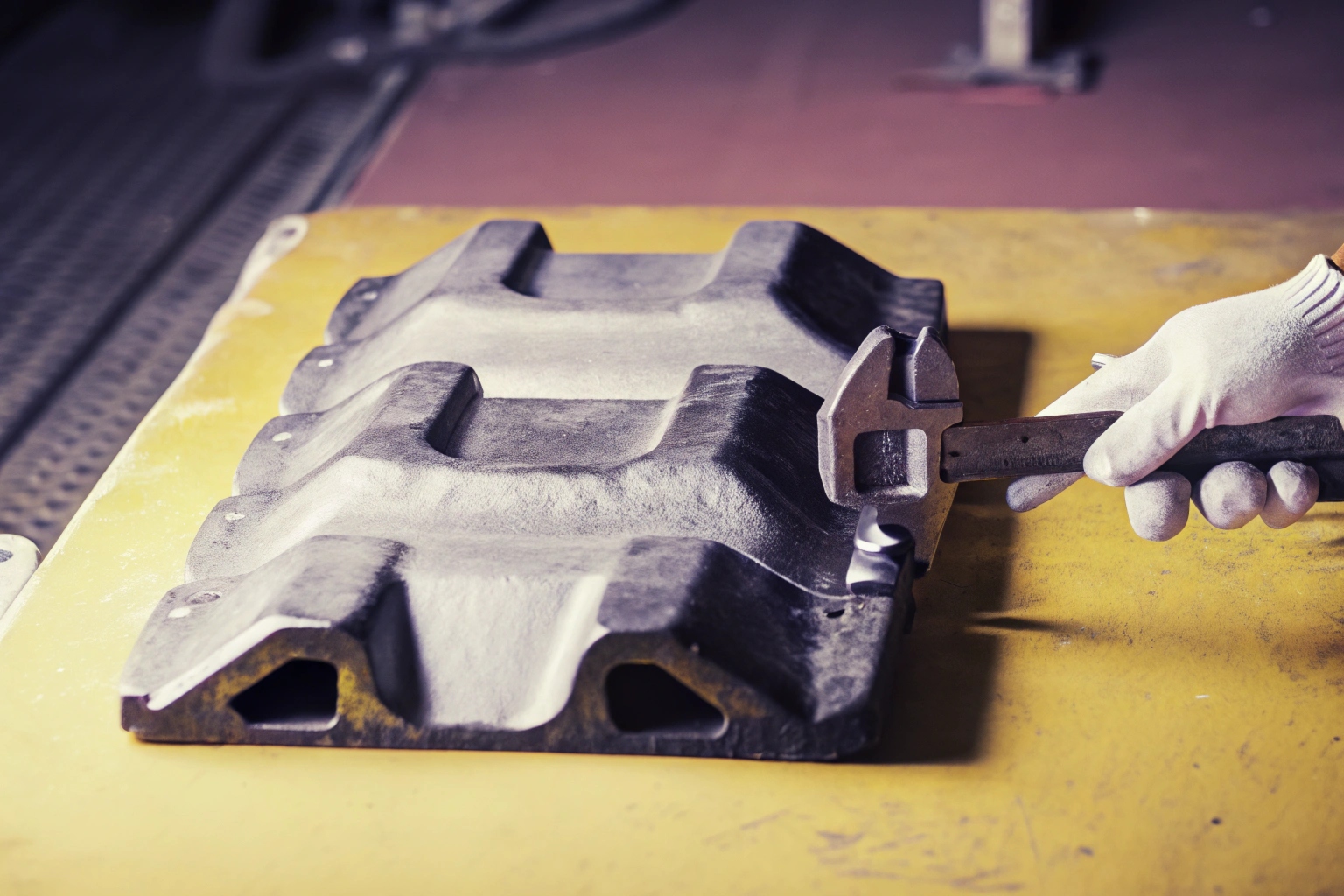
There's a lot of excitement and apprehension when it comes to testing new products in the construction industry 1. I've always believed that trial orders are critical for assessing quality and compatibility.
Usually, manufacturers are open to small trial orders to let buyers evaluate product quality. The MOQ varies significantly across suppliers, ranging from as little as one piece to several thousand depending on the model and customization requirements. Many manufacturers are flexible and willing to negotiate the MOQ to facilitate business relationships.
Suppliers often adjust MOQ requirements based on their production capabilities 2. Smaller manufacturers tend to be more accommodating, especially if there's potential for long-term collaboration. Let’s break it down further:
Factors Influencing MOQ
- Production Capacity: Larger manufacturers may enforce stricter MOQs to maximize efficiency.
- Customization Needs: Custom orders often have higher MOQs due to setup costs 3.
- Manufacturer's Flexibility: Smaller factories might offer more negotiable terms.
Below is a table outlining typical MOQ ranges for different scenarios:
| Scenario | Typical MOQ | Notes |
|---|---|---|
| Standard models | 1-50 units | Common for popular models like CAT, Komatsu, Hitachi |
| Custom designs | 50+ units | Setup costs require higher MOQ |
| Prototype/sample orders | 1-5 units | Used for evaluation before larger orders |
Is the price for a small trial order significantly higher than your bulk volume price?
It can be nerve-wracking when prices fluctuate significantly. When I first started exploring suppliers, I found trial orders often come with higher prices due to numerous factors involved.
In general, trial order prices are higher compared to bulk orders. Suppliers might increase prices to cover the costs related to small-scale production, packaging, and logistics. Despite this, buyers can discuss structured deals to ensure the costs do not escalate unreasonably as the relationship progresses.
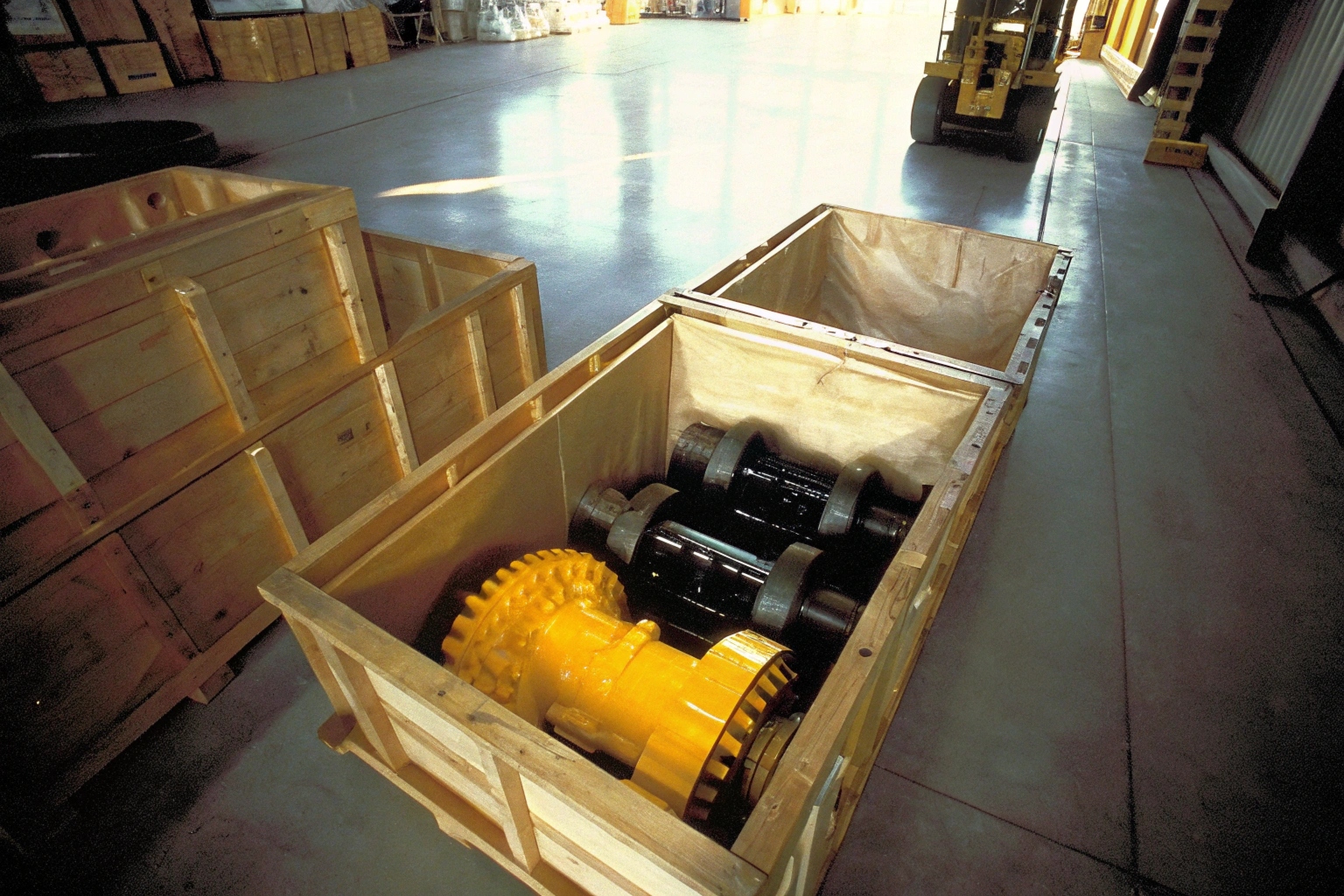
Higher unit costs for trial orders are standard, reflecting the overhead costs 4 and the lack of economies of scale 5 benefits seen in larger orders. Here's what to consider:
Pricing Components
- Production Overhead: Smaller batches incur greater production costs.
- Shipping and Handling: Packaging costs increase for smaller shipments.
- Negotiable Terms: Suppliers may offer reduced costs for repeat orders.
| Order Type | Unit Price Increase | Reason |
|---|---|---|
| Bulk Orders | Lower | Achieve economies of scale |
| Trial Orders | Higher | Covers overhead and logistic expenses |
Can I mix several different models (e.g., for CAT, Komatsu, Hitachi) in one trial order to meet the MOQ?
Ordering different models can be a strategic way to meet MOQ and test various products simultaneously. The uncertainty of this process used to keep me on edge.
Yes, mixing different models in a single trial order to meet MOQ is often allowed. Suppliers understand the need for variety in early orders and typically permit model mixing to help achieve production requirements and customer satisfaction. This strategy can significantly enhance your ability to diversify product testing without overwhelming initial order commitments.

Combining models in a single order can ease entry into inventory and compatibility testing across diverse machine lines. Here's how this strategy works:
Benefits of Model Mixing
- Greater Flexibility: Meet MOQ with multiple models.
- Product Diversity: Evaluate different models simultaneously.
- Cost Management: Efficient logistics reduce cost per unit.
| Model Type | Mixing Allowed | Benefits |
|---|---|---|
| Standard Models | Yes | Reduces inventory risk 6, enhances testing scope |
| Custom Models | Conditional | Depending on setup feasibility |
What is the main purpose of a trial order from your (the manufacturer's) perspective?
Understanding why manufacturers prioritize trial orders offered me insights into strategic planning and relationship building. It has been enlightening.
Manufacturers view trial orders as an opportunity to initiate a business relationship, validate product compatibility, and showcase quality. From our perspective, they provide essential feedback that can refine production processes and inform product improvements. Building trust through successful trial outcomes often leads to more sustainable partnerships.
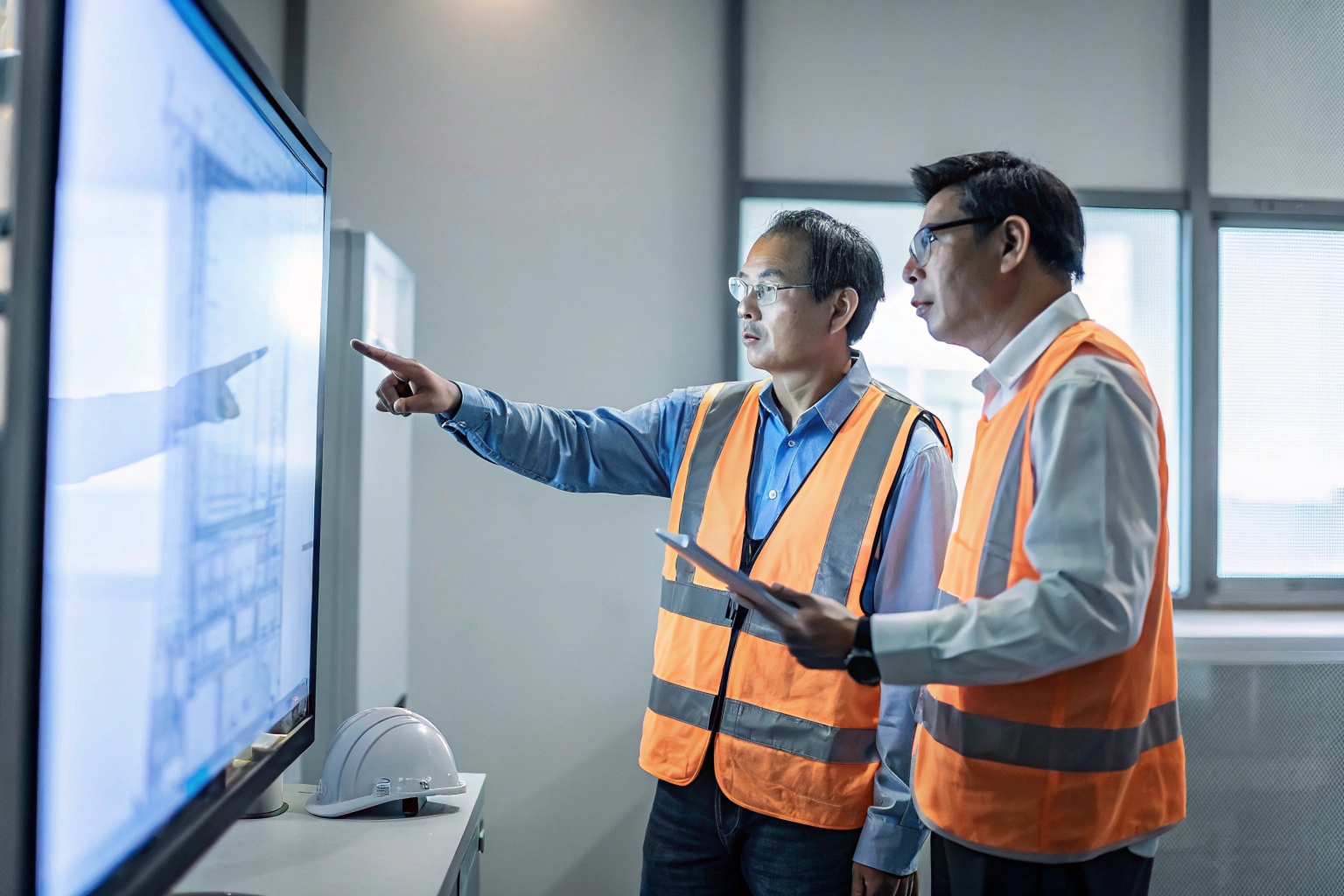
Trial orders offer manufacturers valuable insights into market demands and buyer expectations. They are more than just initial transactions; they’re foundational steps in relationship building.
Key Objectives
- Quality Assurance: Validate product quality.
- Customer Feedback: Gather insights for product development.
- Relationship Building: Establish trust and explore partnership longevity.
| Objective | Manufacturer Perspective | Benefits to Manufacturer |
|---|---|---|
| Quality Validation | Essential | Confirms production standards |
| Client Feedback | Vital | Incorporates buyer insights into product improvements 7 |
| Partnership Growth | Strategic | Develops long-term business relationships |
If my trial order is successful, how quickly can you scale up to my full mass production volume?
Scalability is a crucial aspect of manufacturer responsiveness that greatly influences growth potential and supply chain reliability 8. I've learned that efficient scale-up processes can solidify a supplier's reputation.
Upon successful trial completion, a quick ramp-up to full production volume is usually feasible. Manufacturers strive to maintain agility in scaling production to meet client demands swiftly, depending on factors like existing capacity, raw material availability, and necessary equipment adjustments. Effective communications between buyer and supplier streamline this process significantly.
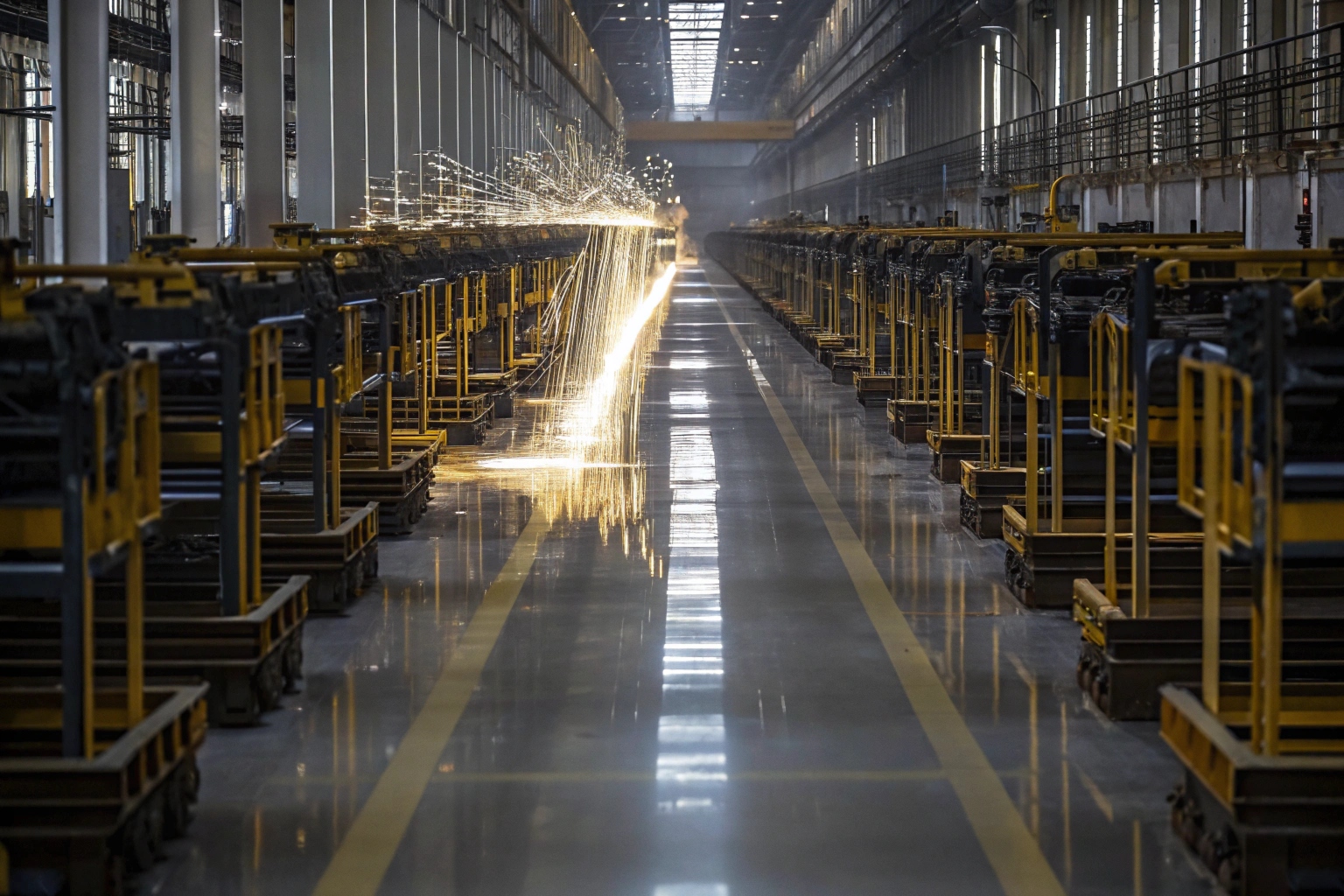
A successful transition from trial to mass production hinges on effective preparation and robust manufacturing capabilities. Coordination is key:
Scaling Up Factors
- Current Capacity: Adequate facilities support rapid scale-up.
- Resource Availability: Sufficient raw material availability 9 and consistent sourcing.
- Equipment Readiness: Ensures adaptability for increased production.
| Scaling Component | Necessary Factors | Opportunities for Manufacturers |
|---|---|---|
| Manufacturing Capacity | Equipment and Workforce | Sustains production, meets rising demand |
| Supply Chain Dynamics | Raw Material Procurement | Prevents production delays and ensures continuous supply |
Conclusion
Trial orders are strategic pivots in building trust, assessing product quality, and nurturing manufacturer-buyer relationships, paving the way for sustainable partnerships 10 and full-scale production.
Footnotes
1. News and data covering the global construction and engineering sectors. ↩︎
2. Definition of production capacity and its impact on manufacturing limits. ↩︎
3. Understanding setup costs associated with starting new production runs. ↩︎
4. Explanation of indirect overhead expenses in business operations. ↩︎
5. How increased production volume reduces per-unit costs effectively. ↩︎
6. Strategies for managing risks associated with holding unsold stock. ↩︎
7. Best practices for iterating and improving products based on feedback. ↩︎
8. Insights into managing risks to ensure supply chain consistency. ↩︎
9. The role of raw materials in production and economic planning. ↩︎
10. Guide to building long-term, mutually beneficial business relationships. ↩︎