
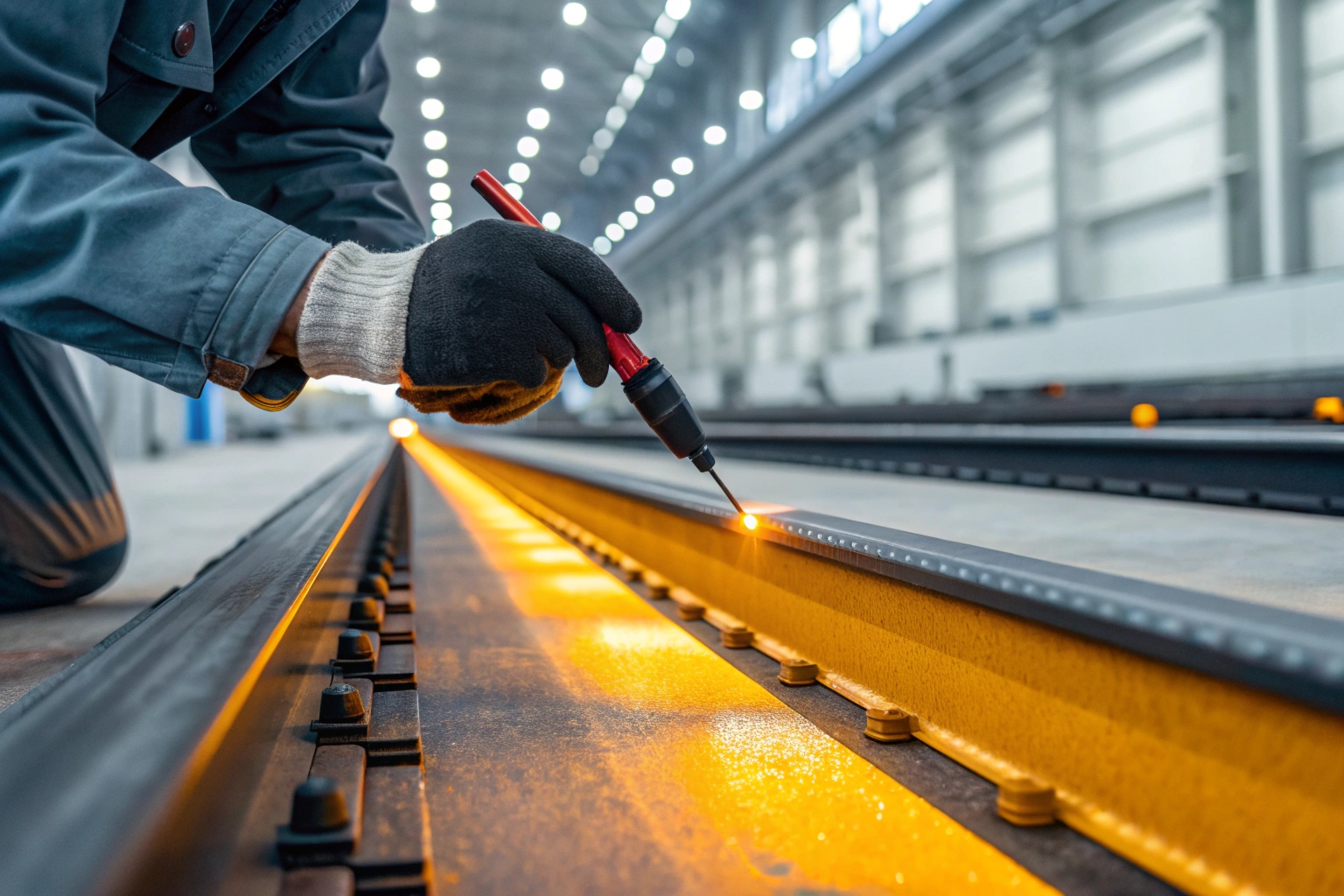
I know the headache of a client calling about loose track shoes just weeks after delivery; it damages your hard-earned reputation and costs you money.
Yes, we offer specialized torque-indicating solutions to ensure assembly consistency. This includes applying high-visibility torque-seal paint after factory tightening and providing specific load-indicating hardware options. These visual aids confirm proper tension, reduce installation errors, and significantly lower maintenance risks for your end-users.
Let me walk you through how these small details in our manufacturing process can make a massive difference for your inventory reliability. We treat every bolt as a critical component of your brand's reputation.
What are "torque-seal" markers (paint), and can you apply them at the factory after torquing?
I have seen too many excellent undercarriage parts fail simply because the installer could not visually verify if the bolts were fully tightened during the rush of assembly.
Torque-seal markers are bright, brittle, tamper-proof pastes applied across the nut and bolt threads. We apply this at our factory immediately after reaching the target torque. If a bolt loosens, the paint seal cracks, providing an instant visual warning during inspection.
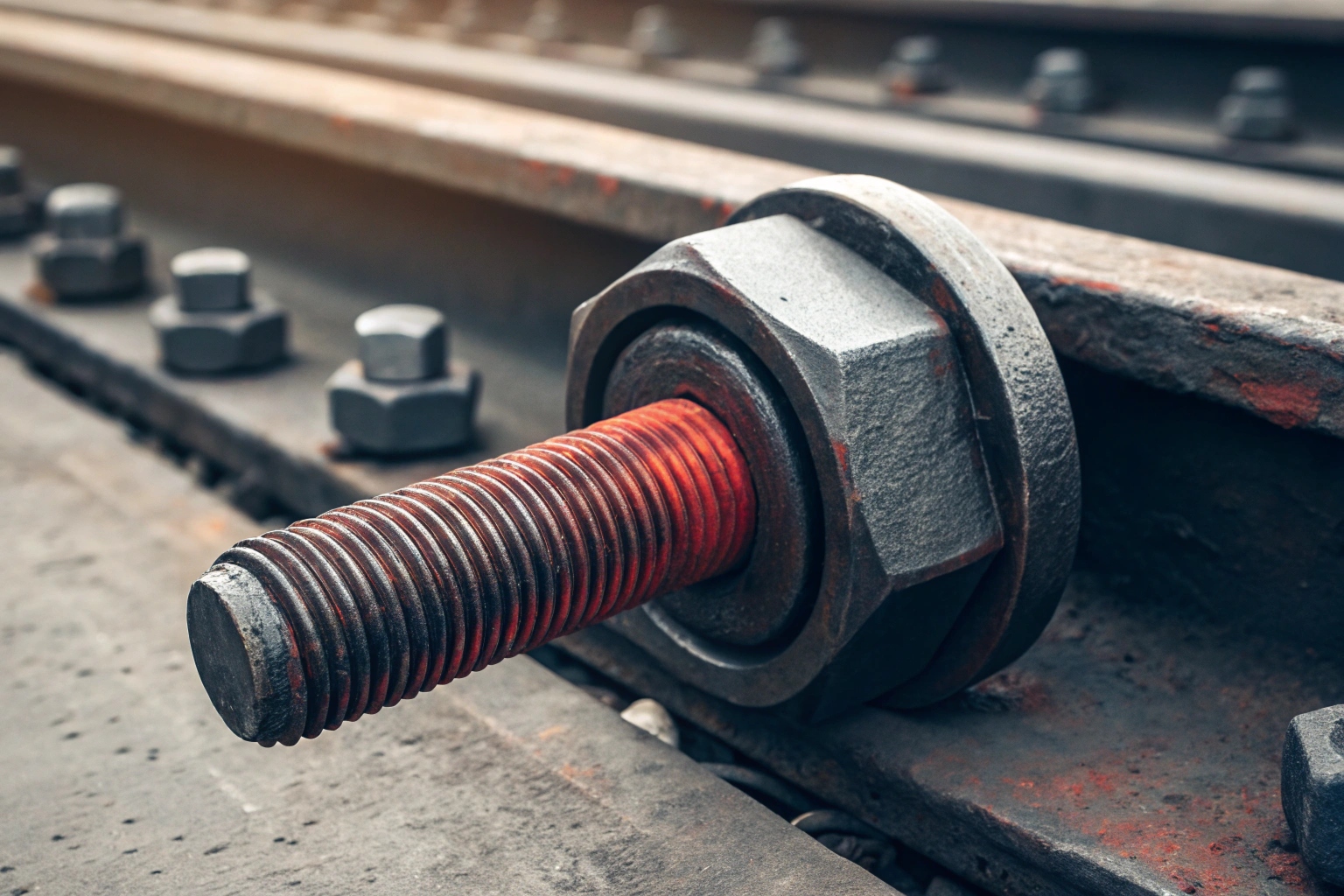
When we discuss visual management 1, we are talking about a very specific type of visual management. In my years at Dingtai, I have found that the simplest solutions are often the most effective. This process involves a bright, usually neon-colored paste. It dries hard and brittle.
Here is how we handle this request for clients like you. First, our technicians assemble the track shoe to the link. We use a calibrated torque wrench to hit the exact Newton-meter (N·m) 2 specification required for that specific model, whether it is for a Komatsu D155 or a CAT D8. Once the bolt is tight, we draw a continuous line of this colored paste. The line starts on the bolt head, goes across the washer, and ends on the track shoe surface.
This might sound like a small step, but it changes everything for quality control. It serves two main purposes. First, it acts as a "completed" stamp. It tells your receiving team that this specific bolt has been torqued to spec. No guessing. Second, it acts as a "tattle-tale" during operation. If the bolt moves even a fraction of a degree, that brittle line of paint snaps.
Why Factory Application Matters
Applying this at our factory is much better than doing it in the field. In our factory in Fujian, the environment is controlled. The metal surfaces are clean and free of oil and mud. If your customers try to apply this paint in the field, the tracks are usually dirty. The paint will not stick to a greasy bolt.
We also use this method to protect you from unfair warranty claims. If a customer says a track shoe fell off, we can look at the remaining bolts. If the paint lines are broken but the bolts are still there, it proves the machine was running with loose hardware. This evidence helps you manage your liability.
Comparison of Assembly Methods
To help you see the value, I have broken down the difference between a standard assembly and one with our torque-seal process.
| Feature | Standard Assembly | With Torque-Seal Marking |
|---|---|---|
| Visual Confirmation | None. Requires a wrench to check. | Instant visual check. |
| Loosening Detection | Hard to see until failure occurs. | Cracks in paint show movement immediately. |
| Tamper Proof | No proof if someone messed with it. | Broken seal indicates tampering. |
| Cost | Zero additional cost. | Small labor and material fee. |
| Field Efficiency | Slower maintenance checks. | Fast "walk-around" inspections. |
By adding this simple visual aid, we transform a standard commodity product into a "safety-ready" component. This is the kind of detail that experienced buyers like you appreciate because it shows your customers that you care about their daily maintenance struggles.
Are there special "load-indicating" washers that show when the correct bolt tension is reached?
You might wonder if there is a hardware solution that physically prevents the guys in the shop from under-tightening these critical bolts or relying on guesswork.
Direct Tension Indicator (DTI) washers have small protrusions that flatten when the correct clamp load is achieved. While effective, they are less common in track shoes due to space and cost. Instead, we often recommend "turn-of-nut" methods combined with high-grade hardened washers.
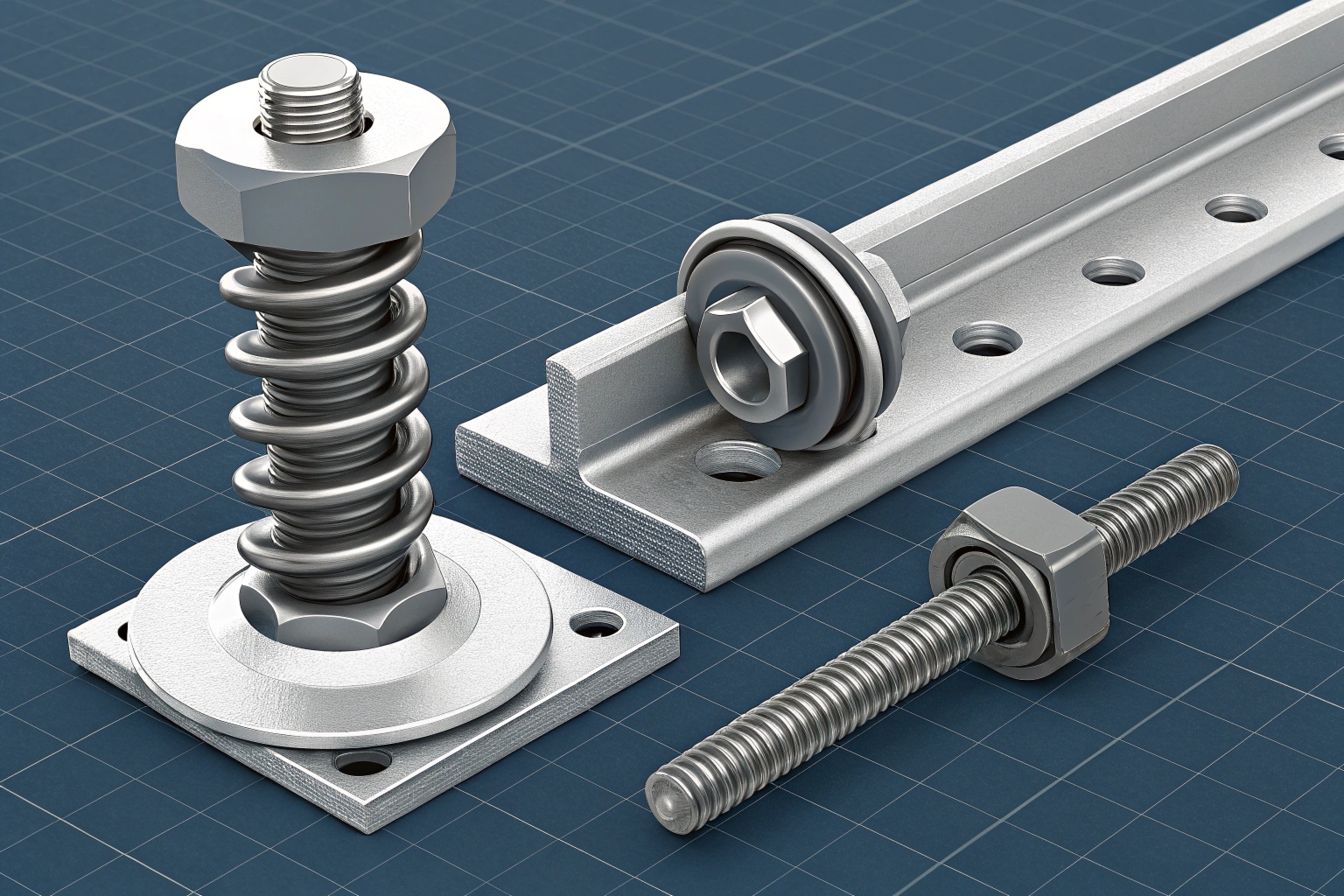
Let's dig into the hardware side of things. I often get asked about "smart" washers. In the structural steel industry 3, DTI washers are standard. They have little bumps on them. When you tighten the bolt, the bumps squash down. You use a feeler gauge to check the gap. If the gap is gone, the tension is correct.
However, for track shoes, this is tricky. Track shoes on bulldozers and excavators take a beating. They hit rocks, mud, and debris constantly. The "squirter" type washers (which squirt orange silicone when tight) or standard DTIs can sometimes give false readings if dirt gets trapped under them. Also, the extreme impact loads can crush these washers over time, leading to loose bolts.
The Better Alternative: Hardened Washers and Technique
Instead of complex indicator washers, we focus on the quality of the standard hardened washer and the tightening method. We use high-grade, heat-treated washers (HRC 38-45) 4. These are hard enough that they do not deform under the bolt head, but they are not brittle.
For the most consistent tension, we recommend—and use—the Turn-of-Nut method 5. This is better than relying on a fancy washer. It works like this:
- Snug Tight: We torque the bolt to a set low value to seat the parts.
- Mark It: We mark the position.
- Turn It: We turn the nut an additional specific angle (like 120 degrees or 1/3 turn).
This stretches the bolt into its "plastic zone." Think of the bolt like a very stiff spring. We want to stretch it just enough so it clamps the track shoe down with massive force. This method is far more accurate than just using a torque wrench, which can be thrown off by rust or oil on the threads.
Custom Washer Options
That said, if you have a specific requirement for a Conical spring washer 6 (Belleville washer) to help with vibration, we can produce that. These washers act like springs to keep tension on the bolt even if the track shoe settles or wears down a bit.
Here is a quick look at the pros and cons of different washer types we can supply for your orders.
| Washer Type | Pros | Cons | Best Use |
|---|---|---|---|
| Standard Hardened | reliable, cheapest, proven. | No visual tension indication. | General Excavator/Dozer tracks. |
| DTI (Load Indicating) | Visual proof of tension. | Costly, can trap debris, rare sizes. | Specialized Mining applications. |
| Conical (Belleville) | Maintains tension under vibration. | Adds height to the assembly. | High-impact rock work. |
We are flexible. If your engineering team insists on a specific DTI washer from a US or Italian supplier, we can source it and install it. But for 90% of cases, a top-quality hardened washer with the correct turn-of-nut procedure is your best bet for reliability.
How would this small feature help my maintenance team or my customers during installation?
I always tell my partners that the best product is one that requires zero guessing when it arrives at the job site; it saves time and prevents accidents.
These features act as a quality control check for your customers. They speed up daily walk-around inspections and reduce the need for constant re-torquing. For your maintenance team, it means fewer warranty claims and faster troubleshooting if a specific shoe assembly does loosen.
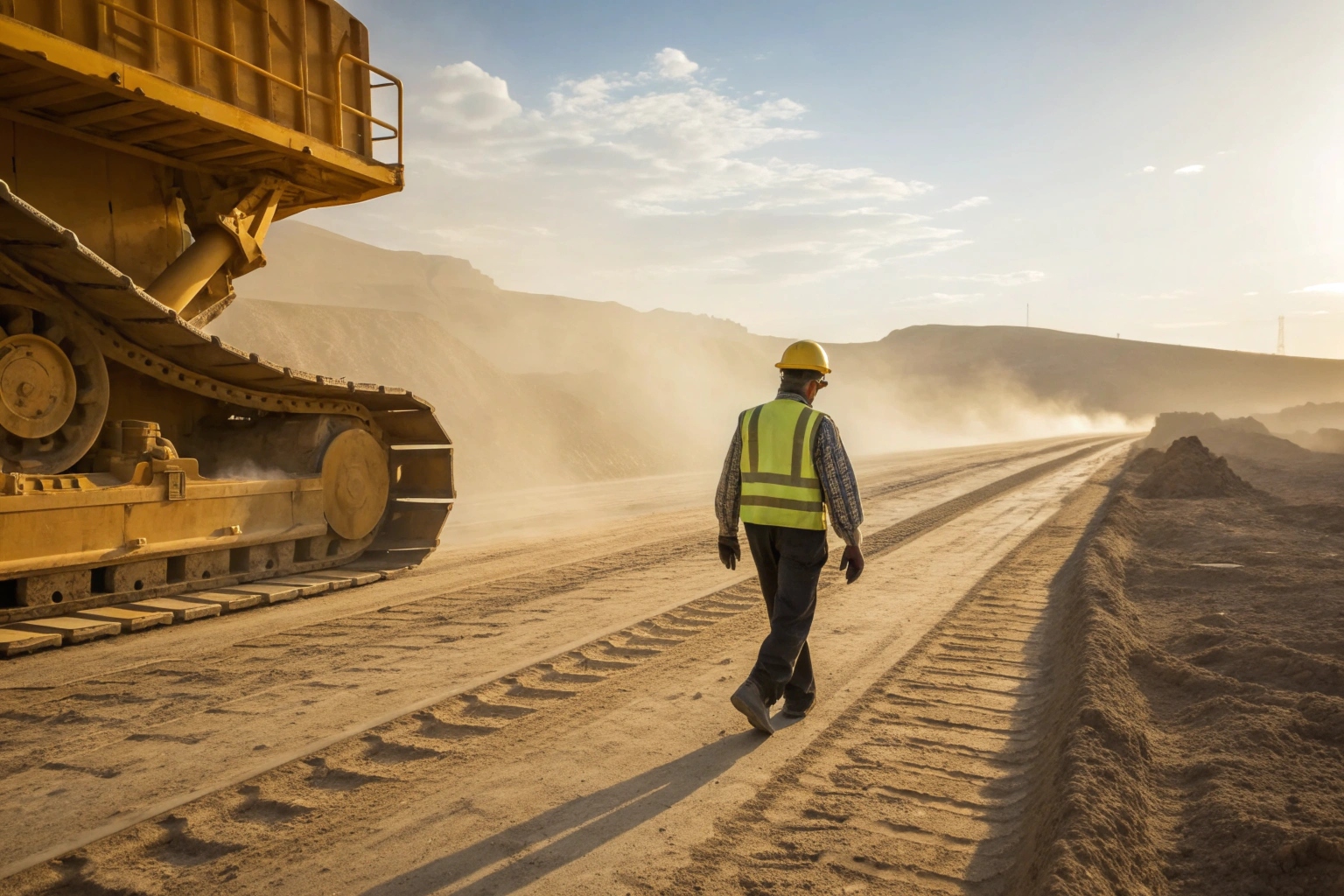
Imagine your customer, a maintenance manager at a large quarry. Every morning, his team has to inspect five huge excavators before the shift starts. If you sell them track shoes with standard black bolts, the only way they can be 100% sure the bolts are tight is to put a heavy torque wrench on every single one. That takes hours. They probably won't do it every day. They will skip it.
Now, imagine you sold them your branded tracks that we manufactured with the torque-seal marks. The operator just walks down the line of the tracks. He looks at the paint lines.
- Line straight? Good.
- Line broken? Bad. Stop and fix.
He can check a whole machine in 5 minutes. This is a huge selling point for you. You are not just selling steel; you are selling "maintenance efficiency."
Reducing Warranty Headaches
For you, David, this is about protecting your bottom line. We know that track shoe bolts often loosen because of embedment 7. This happens when the paint on the shoe and link wears off after the first few hours of work, creating a tiny gap. The bolt loses tension.
If we use the right washers and marking paint, your customers can see this loosening early. They can re-tighten it before the bolt snaps or the shoe falls off. If they catch it early, they don't call you for a warranty claim. They don't ask for free replacement parts.
Safety First
There is also a safety angle. A loose track shoe can fly off at high speed. It can damage the machine or hurt a worker. By providing these visual aids, you are helping your clients run a safer site. In the US market, where liability 8 is a big deal, this is a feature you can advertise.
Here is how this feature impacts different roles in your customer's company:
Impact on Customer Roles
- The Operator: Feels safer knowing the machine is checked.
- The Mechanic: Saves back-breaking work by only tightening bolts that actually need it.
- The Owner: Sees less downtime and lower repair bills.
I believe that adding value does not always mean changing the steel chemistry or the heat treatment. Sometimes, it is just about making the product easier to live with. When your product is easier to maintain, your customers stay loyal to your brand.
Is this a standard feature you offer, or a special request I would have to pay for?
We understand that in this competitive market, adding cost to every track shoe link assembly is a decision you need to weigh carefully against your margins.
Torque-marking paint is available as an optional service for our custom orders. While it is not standard on basic bulk shipments, the cost is minimal compared to the value it adds. Specialized washers are a custom request that we can source and integrate into your build.
At Dingtai, we operate on a flexible B2B model 9. We know that some of your customers are price-sensitive and just want the cheapest standard part. Others, perhaps your mining clients, pay a premium for high reliability. We want to support both strategies.
The Cost Structure
The torque-seal marking is not our default standard for every single container we ship. If you order a standard 20-foot container of generic track groups, they will come clean, with standard oil protection.
However, adding the marking service is very affordable. Since we already have the labor force and the tools in place, we only charge for the extra time and the paint material. For a large order, this might add only a few cents per link assembly. It is a tiny fraction of the total cost, but it allows you to market the product as "Premium" or "Pre-Inspected."
Customization Process
If you decide to go with special washers—like the Nord-Lock style 10 or specific Belleville washers—that is a different story. Those components are more expensive than standard washers. We don't stock every type of specialty washer, but we have a supply chain that can get them.
Here is how we would handle a request from you:
- Specification: You tell me, "Grace, for this order of D155 tracks, I need visual torque marks."
- Quote: I calculate the small extra labor cost and add it to your invoice. It is transparent.
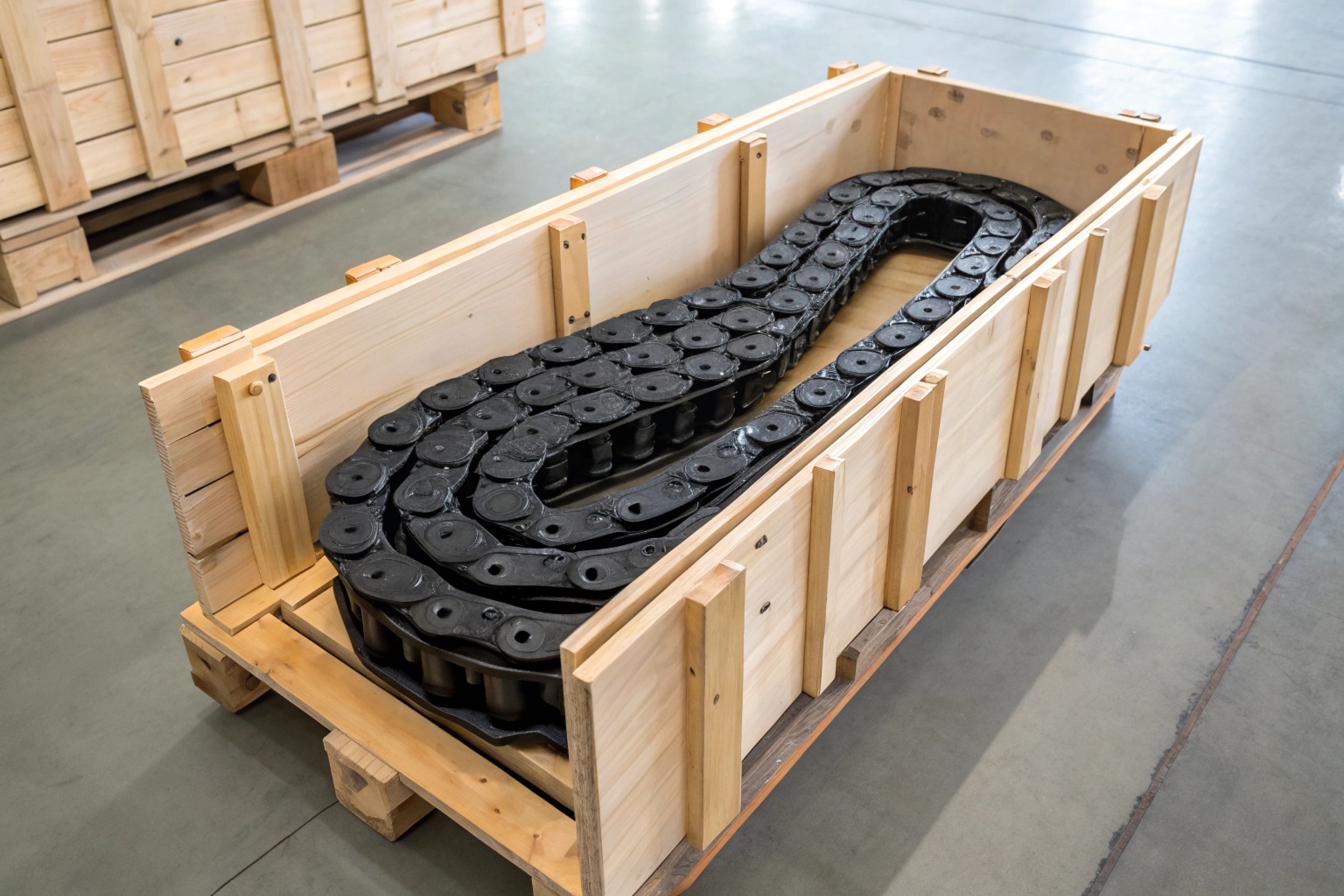
- Execution: We add a step in our Quality Control (QC) process to apply the paint and take photos for you before we pack the crate.
Service Level Menu
To make it clear, here is how we structure these options:
| Service Level | What is Included | Target Customer |
|---|---|---|
| Standard | Standard bolts, plain hardened washers, oil finish. | Price-sensitive construction rental fleets. |
| Visual Plus | Standard hardware + Torque-Seal Paint markings. | General contractors who value maintenance speed. |
| Premium Custom | Special locking washers + Torque-Seal + Custom Torque Report. | Mining companies and critical infrastructure projects. |
We view this as a partnership. You know your market in the US better than anyone. If you think your customers will pay a little more for the peace of mind that comes with visual indicators, we are ready to do the work. You don't need to hire a third party to do it. We do it right here on the production line.
Conclusion
To sum it up, yes, we can absolutely provide torque-indicating marks and specialized washers. While not always standard, these small additions offer huge value by proving assembly quality and simplifying maintenance for your clients. Let's discuss adding this to your next sample order to see the difference it makes.
Footnotes
1. Definition of visual management in lean manufacturing environments. ↩︎
2. Physics of torque measurement in mechanical engineering contexts. ↩︎
3. Standards organization for structural steel construction practices. ↩︎
4. Explanation of the Rockwell scale for material hardness. ↩︎
5. Engineering guide to bolt tensioning and installation methods. ↩︎
6. Mechanics of conical spring washers for vibration resistance. ↩︎
7. Causes and prevention of joint relaxation in bolts. ↩︎
8. Legal overview of product liability in the US market. ↩︎
9. Overview of Business-to-Business commerce and transaction models. ↩︎
10. Technology behind wedge-locking washers for secure bolting. ↩︎