

Broken bolts and loose track shoes cost you money and cause downtime. I know you hate guessing torque specs or worrying if your team installed the parts correctly. Let me explain exactly how we support your installation process.
Yes, at Dingtai, we provide complete technical documentation, including installation guides, model-specific bolt torque charts, and maintenance manuals. I can email these PDF documents before your shipment arrives so your team is fully prepared. We ensure your technicians have the right data for models like the Komatsu PC400.
Buying high-quality undercarriage parts 1 is only half the battle. The other half is making sure they are put on the machine correctly and taken care of. I understand that even the best steel will fail if the bolts are loose or the tension is wrong. That is why I do not just sell you parts; I give you the knowledge you need to use them. Below, I will break down exactly what documents we provide, when you get them, and the specific technical details we use to keep your machines running.
What Specific Technical Documents Will You Receive With Your Order?
You need more than just a box of heavy steel parts to keep your fleet running. You need the instructions to make those parts work safely and efficiently. Here is what I include with every shipment.
I provide a comprehensive package that includes step-by-step installation steps, detailed bolt torque tables, and routine maintenance schedules. We deliver these in both digital PDF formats and physical copies to ensure your team has access whether they are in the office or out in the field.
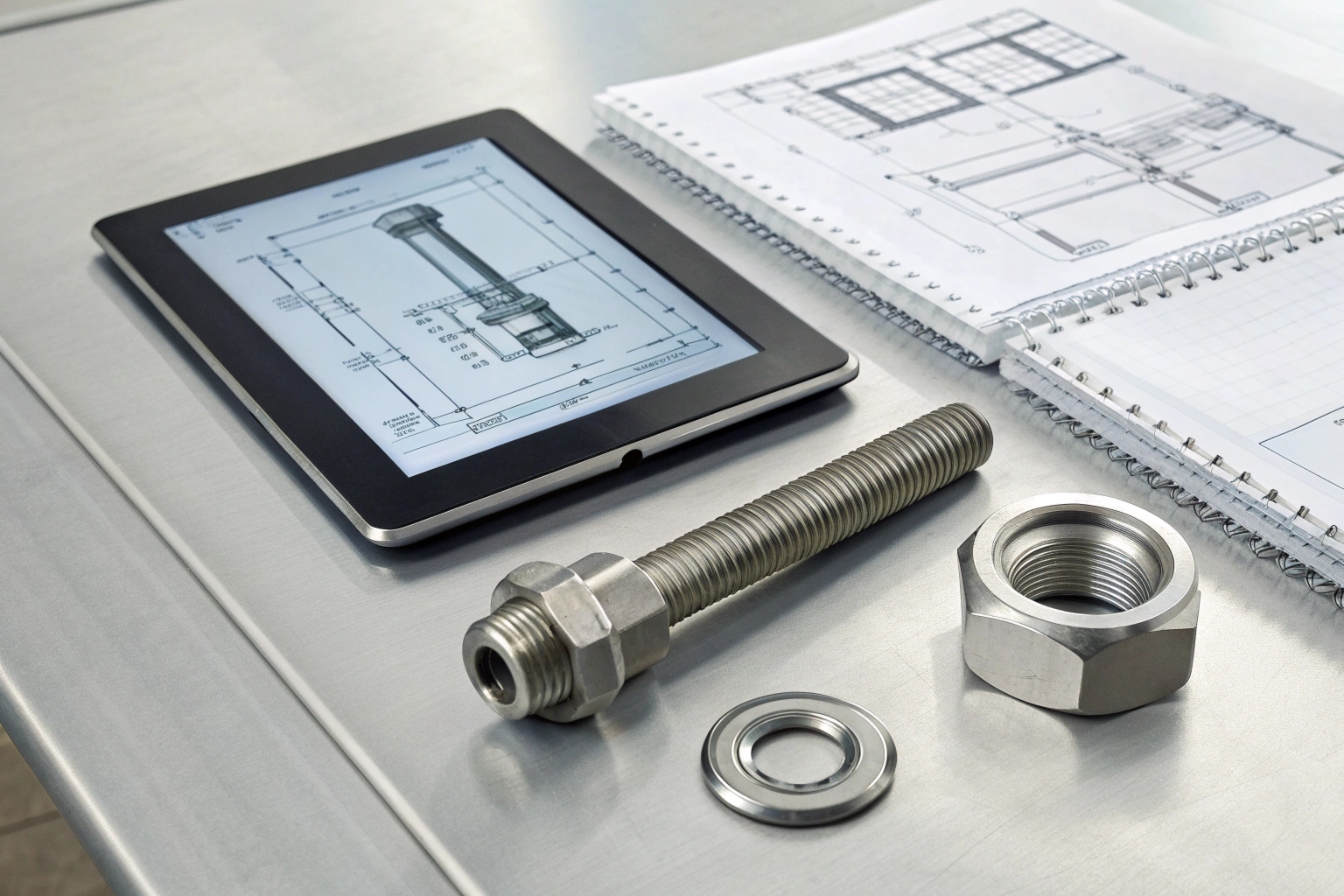
When you buy from us, I want to make sure you have every piece of information necessary to install the parts correctly. I know that missing information can lead to mistakes, and mistakes lead to failures. We focus on three main types of documents that are essential for your operations.
Installation Guidance
First, we provide installation guides. These are not just generic sheets of paper. They include the specific steps for assembling the track shoe assembly. We explain the correct points to fit the parts onto the excavator chassis. We also include notes on how to lift and fix these heavy parts safely. This is very important because improper lifting can damage the threads or cause injury. We often include diagrams so your mechanics can see exactly how the parts fit together. This helps prevent common issues like track misalignment 2 or uneven wear right from the start.
Torque Specifications
Second, and perhaps most important, is the torque table. You cannot guess how tight a bolt should be. If it is too loose, it will fall out. If it is too tight, it will snap. We provide the standard torque values for the connecting bolts. We differentiate these values based on the specific model of the excavator you are using. For example, a Komatsu machine might need different pressure than a Caterpillar machine. This data prevents the nightmare of stripped threads 3 or broken bolts.
Maintenance Manuals
Third, we provide maintenance manuals. These documents tell you how to look after the parts after they are installed. They cover the daily check-up cycles, like how often to check the tightness of the bolts. They also explain what to do in different working conditions. If your machine is working in deep mud, the maintenance needs are different than if it is working on dry rock. We also give tips on when to change wear parts 4 so you can plan your budget.
Document Summary Table
| Document Type | Main Purpose | Key Content Included |
|---|---|---|
| Installation Guide | Ensure correct assembly | Step-by-step fitting, lifting points, safety notes. |
| Torque Chart | Prevent bolt failure | Newton-meter (Nm) values, turn angles, bolt sizes. |
| Maintenance Manual | Extend product life | Inspection schedules, cleaning tips, wear limits. |
Can I Get These Technical Documents Before I Receive the Parts?
Waiting until the shipping container opens to see the manual is too late. You need to plan your labor, tools, and schedule ahead of time to keep your operations efficient.
Absolutely. I send all technical files via email within three business days of order confirmation. This allows your service team to review specs, prepare the necessary torque wrenches, and schedule maintenance downtime well before the physical parts reach your facility.
I know that in your business, time is money. You cannot afford to have a machine sitting idle while your team looks for a manual. That is why I make sure you get the information first.
Digital Delivery for Preparation
As soon as we confirm your order, my team prepares the digital versions of all the documents. I usually send these to your email within three working days. This gives you a big advantage. Your procurement team can forward these files to the maintenance department immediately. They can look at the specs and check if they have the right tools. For example, if the new bolts require a specific high-torque wrench that you do not have on site, you have weeks to buy one before the parts arrive. This prevents the "last minute scramble" that delays projects.
Physical Copies for the Field
While digital copies are great for the office, I know that mechanics in the yard prefer paper. They do not want to touch an iPad with greasy hands. That is why we also include physical copies of the manuals inside the shipment. We put them in waterproof packaging so they do not get ruined during sea transport. This means when your team opens the box, the instructions are right there on top.
Language and Customization
I also understand that your team might speak different languages. Since we export globally, we can provide these documents in English, Spanish, or other major languages. If you have a specific requirement, just tell me. We can also customize the documents. If you are ordering a special "heavy-duty" version of a track shoe for a mining project, we will create a special addendum that highlights the differences in installation for that custom part.
We want to make sure there are no barriers between your team and the information they need. By getting the data early, you are in control of the schedule.
Are These Guides Generic, or Are They Specific to My Machine Model?
A generic chart can destroy a specific machine. You cannot use a "one size fits all" approach for high-stress undercarriage parts, or you risk serious equipment failure.
We do not rely on generic guesses. I provide specific torque charts tailored to your exact machine model, such as the Komatsu PC400 or CAT D8. This ensures you apply the correct clamping force to prevent bolt stretching or loosening during heavy operation.

There is a big difference between a 20-ton excavator and a 50-ton bulldozer. Using the same settings for both would be a disaster. At Dingtai, we treat every order as unique.
Matching the Machine
When you place an order, I ask for the exact model number of your machine. I do not just look at the part number; I look at the application. A generic chart might say "Tighten M20 bolts to 400 Nm." But for your specific Komatsu PC400 5, the manual might require a "Torque-Turn" method. This is where you tighten it to a certain level and then turn it an extra 120 degrees. This specific detail is critical. If you just use the generic number, the bolt might not stretch enough to hold the shoe tight.
The Importance of Surface Prep
Our specific guides also talk about surface preparation for your model. The guides mandate that you must remove all paint, rust, and dirt from the surface where the link and the shoe meet. If you do not do this, the paint will wear away later, creating a tiny gap. This gap makes the bolt loose. A generic guide might not mention this, but our specific guides do because we know it is a common cause of failure.
Understanding Bolt Behavior
We also provide data on the "plastic range" of the bolts for your specific machine. Many modern track bolts are designed to stretch permanently when installed. This acts like a spring that keeps the shoe tight. Because of this, our guides will tell you if the bolts on your specific model can be reused or if they must be thrown away after one use. Usually, you cannot reuse them safely. A generic guide implies you can just put the old bolts back in, which is dangerous.
Model Specifics Table
| Feature | Generic Guide | Dingtai Specific Guide |
|---|---|---|
| Torque Value | One range (e.g., 200-400 Nm) | Exact value (e.g., 350 Nm + 60° turn) |
| Lubrication | Not mentioned | Specifies oil on threads/washers |
| Reuse Policy | Unclear | States if bolts are single-use |
| Inspection | General visual check | Specific wear limits (e.g., 100% wear at 35mm) |
What Are the Most Important Maintenance Tips to Extend the Life of My Track Shoes?
Buying high-quality parts is the first step. Taking care of them properly is what actually saves you money in the long run and prevents early replacement.
To maximize lifespan, you must retorque bolts after the first 100 hours. Keep the undercarriage clean from dried mud to reduce tension. Avoid using shoes that are too wide for your soil type, as this increases stress on the bushings and links significantly.

I have seen many good parts fail early because of bad habits. Here are the deeper insights on how to make your investment last longer.
The Retorque Schedule
The most critical time for your new track shoes is the first week. After you install them, the metal settles and the paint compresses. This makes the bolts loose. Our manuals dictate a strict rule: you must check and retorque bolts 8 after the first 100 hours of work. If you skip this, the shoes will wiggle, the holes will become ovals, and you will have to scrap the whole assembly. After that initial check, you should check them every 1,000 hours.
Manage the Environment
Dirt is the enemy. If your machine works in mud, you must clean the undercarriage daily. If mud dries in the tracks, it becomes as hard as concrete. This stretches the chain and puts massive pressure on the front idler and the sprocket. It acts like a wedge that tries to break the track apart. Our guides explain how to adjust the track tension 9 based on the soil. You want the tracks slightly looser in mud than on hard rock.
Shoe Width Matters
One big mistake I see is people buying the widest track shoes possible because they think "bigger is better." This is wrong. You should always use the narrowest shoe that still gives you floatation. If you use a wide shoe on hard ground, it acts like a lever. When the machine turns, the outside of the shoe twists the link. This causes the bushings to crack and the pins to snap. Our technical support team can help you choose the right width so you do not break your own machine.
Wear Measurement Limits
Finally, you need to know when to stop. You cannot run the shoes until they fall off. Our manuals define "100% wear limits." This is a specific measurement of the grouser height. We give you the data for single, double, and triple grouser 10 designs. If you go past this limit, you start damaging the rail and the rollers, which are much more expensive to replace.
Do You Have Any Training Videos My Technicians Can Watch for Correct Installation?
Reading a manual is good, but seeing the process happen is better. Visual aids reduce mistakes and speed up the work for your crew.
Yes, for complex assemblies, we offer video guides demonstrating the correct installation sequence. If you have a large project, we can even arrange remote video conferences where our engineers guide your team step-by-step to ensure everything is done right the first time.

We know that some technicians learn better by watching than by reading. We want to support that learning style to ensure the best results for your company.
Video Resources
We have a library of installation videos. These are not Hollywood movies, but they are clear and practical. They show a real mechanic installing the parts. They show the correct way to position the torque wrench. They show the correct way to position the Torque-Turn 6 wrench. They show the safety checks. We can send you links to these videos or put them on a USB drive in your shipment. This is very helpful for training new employees in your shop.
Remote Technical Support
For our strategic partners, like you, we go a step further. If you are doing a major overhaul on a fleet of machines, we can set up a live video call. You can have your team in the workshop, and my engineers here in Fujian can watch what they are doing in real-time. We can point out if a bolt is not seated right or if the tension looks wrong. This "virtual supervisor" service helps you feel confident that the job is done to factory standards.
Why We Do This
You might ask why we spend so much time on this. It is simple. If you install the parts wrong, they break. If they break, you might think the quality is bad. I want you to know that the quality is excellent. By helping your team do the job right, the parts last longer. When the parts last longer, you trust us more. And when you trust us, we build a business relationship that lasts for twenty years, not just one order. We also provide data on the plastic range 7 of the bolts for your specific machine.
Support Channels Table
| Support Type | Description | Best Used For |
|---|---|---|
| Video Guides | Pre-recorded demonstrations | Training new staff, visual reference. |
| Live Video Call | Real-time connection with engineers | Complex installations, troubleshooting. |
| WhatsApp/Email | Quick Q&A | Clarifying specs, asking quick questions. |
Conclusion
We do not just supply steel; we supply the expertise to keep it running. From model-specific charts to video training, I ensure your team succeeds. Ready to start?
Footnotes
1. Resources for maintaining and inspecting heavy machinery undercarriage systems. ↩︎
2. Common causes and solutions for excavator track alignment issues. ↩︎
3. Analysis of mechanical failures in threaded fasteners and bolts. ↩︎
4. Identifying wear patterns to schedule timely equipment maintenance. ↩︎
5. Specifications and capabilities of the Komatsu PC400 excavator series. ↩︎
6. Explanation of the torque-plus-angle tightening method for critical joints. ↩︎
7. Understanding elastic versus plastic deformation in bolted joints. ↩︎
8. Best practices for checking bolt tightness after initial operation. ↩︎
9. Guide to measuring and adjusting excavator track tension correctly. ↩︎
10. Comparison of different shoe designs for various terrain applications. ↩︎