

When committing to large order quantities, I want to ensure efficient spending. Accessing discount tiers could optimize costs.
Offering tiered pricing 1 incentivizes increased purchases, while annual framework agreements promise long-term savings. Both options assure better cost management 2 based on volume commitment.
Understanding these options and their benefits can shape a strategic purchasing plan 3. Let’s explore how these discounts work and maximize purchases.
What volume do I need to commit to in order to reach the next price tier?
Tiered pricing strategies may help in reducing costs. As quantities increase, the financial benefits become significant.
Tiered pricing is based on volume commitments. For example, purchasing 200 sets annually often qualifies for substantial discounts. By increasing commitment, better savings can be achieved.

Evaluating Pricing Thresholds
Tiered pricing typically involves distinct brackets, each offering different levels of discounting. The brackets are:
| Volume (sets per year) | Discount Rate |
|---|---|
| 50-199 | Baseline x 95%-97% |
| 200-499 | Baseline x 90%-93% |
| 500+ | Baseline x 85%-88% |
Understanding these thresholds allows businesses to plan their inventory 4 and financials strategically, ensuring they maximize benefits from each tier. Assessing their own needs and aligning them with the supplier’s thresholds is key to unlocking better pricing.
How exactly does an annual framework agreement work, and what are my obligations?
Navigating long-term contracts can be challenging without clear guidelines. I’m curious about obligations tied to framework agreements.
Annual framework agreements 5 are structured on committed volumes and regular purchasing to ensure smooth operations. Detailed standards include guidelines for quantities, delivery schedules, and payment terms.

Framework Agreement Dynamics
Annual agreements typically require a buyer's commitment to specific quantities over a year. These commitments benefit both parties through stability in pricing and production schedules 6.
| Agreement Type | Buyer Obligations | Supplier Benefits |
|---|---|---|
| Fixed Term and Volume | Locking in quantities, fixed timelines | Priority in production, stability in supply |
| Volume-Based Agreement | Minimum annual volume commitment | Steady supply, logistic efficiencies |
Through these agreements, procurement becomes more predictable, minimizing risks in supply chain fluctuations 7. Buyers should understand the requirements fully, including potential penalties for non-compliance, ensuring obligations align with operational capacity.
What benefits do I get from a framework agreement beyond price?
Besides price benefits, a framework agreement potentially offers more strategic advantages. Exploring these can reveal hidden operational efficiencies 8.
Major benefits of framework agreements span across production timing, stock reliability, and preferred terms, offering prioritized access to supplies and enhanced service responsiveness.

Framework Benefits Beyond Pricing
Framework agreements extend beyond cost savings to include operational efficiencies:
- Priority Production: Ensures timely fulfillment and availability of products as per the committed schedule.
- Safety Stock: Guarantees reserved inventory levels 9 to prevent stock shortages during high demand periods.
- Enhanced Support: Offers prioritized access to technical support and an expedited resolution process for any issues, emphasizing the value in long-term partnerships over transactional relationships.
These strategic advantages make framework agreements beneficial for managing supply chain complexities, maintaining operational stability, and enhancing buyer-supplier relationships over longer terms.
Can my annual volume be based on a mix of all undercarriage parts, not just track shoes?
Diversifying within annual agreements may unlock broader benefits. Mixing parts could enhance flexibility in procurement strategies.
Framework agreements can extend to varied components within a product category, allowing for integration of different parts under a single agreement for added flexibility.
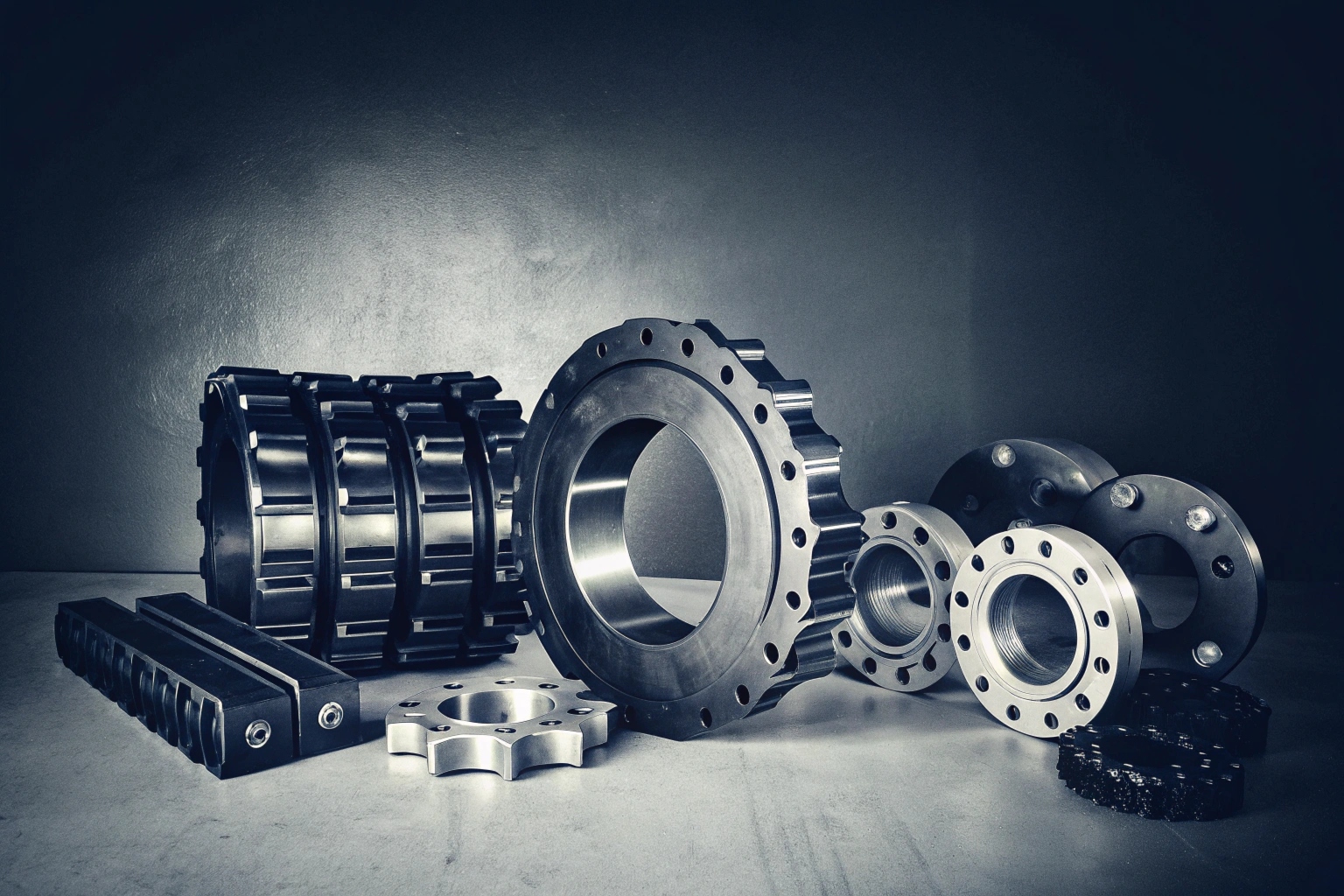
Spread of Components in Frameworks
Framework agreements can include multiple undercarriage parts, enabling buyers to diversify product mix while still benefitting from annual agreements. Typical inclusions are:
| Component Type | Example Parts | Potential Benefits |
|---|---|---|
| Undercarriage Parts | Track shoes, rollers | Holistic supply, diversified inventory planning |
| Engine Components | Bearings, seals | Enhanced procurement efficiency |
Mixing product categories under one contract can maximize benefits by increasing order volumes and streamlining procurement processes 10. Buyers find flexibility in inventory management and strengthening supplier partnerships.
Conclusion
Tiered pricing and framework agreements present strategic avenues for optimizing bulk purchases and ensuring consistent supply, all while unlocking intrinsic benefits beyond mere cost savings.
Footnotes
1. Definition of tiered pricing models and their benefits. ↩︎
2. Overview of cost control methods in business management. ↩︎
3. Guide to developing an effective strategic sourcing plan. ↩︎
4. Understanding inventory management roles in supply chains. ↩︎
5. Explanation of framework arrangements in professional procurement. ↩︎
6. Insights into manufacturing production planning and scheduling. ↩︎
7. Managing risks and variabilities in global supply chains. ↩︎
8. Strategies for improving operational efficiency in organizations. ↩︎
9. Importance of safety stock for preventing inventory shortages. ↩︎
10. Steps involved in optimizing the procurement process cycle. ↩︎