
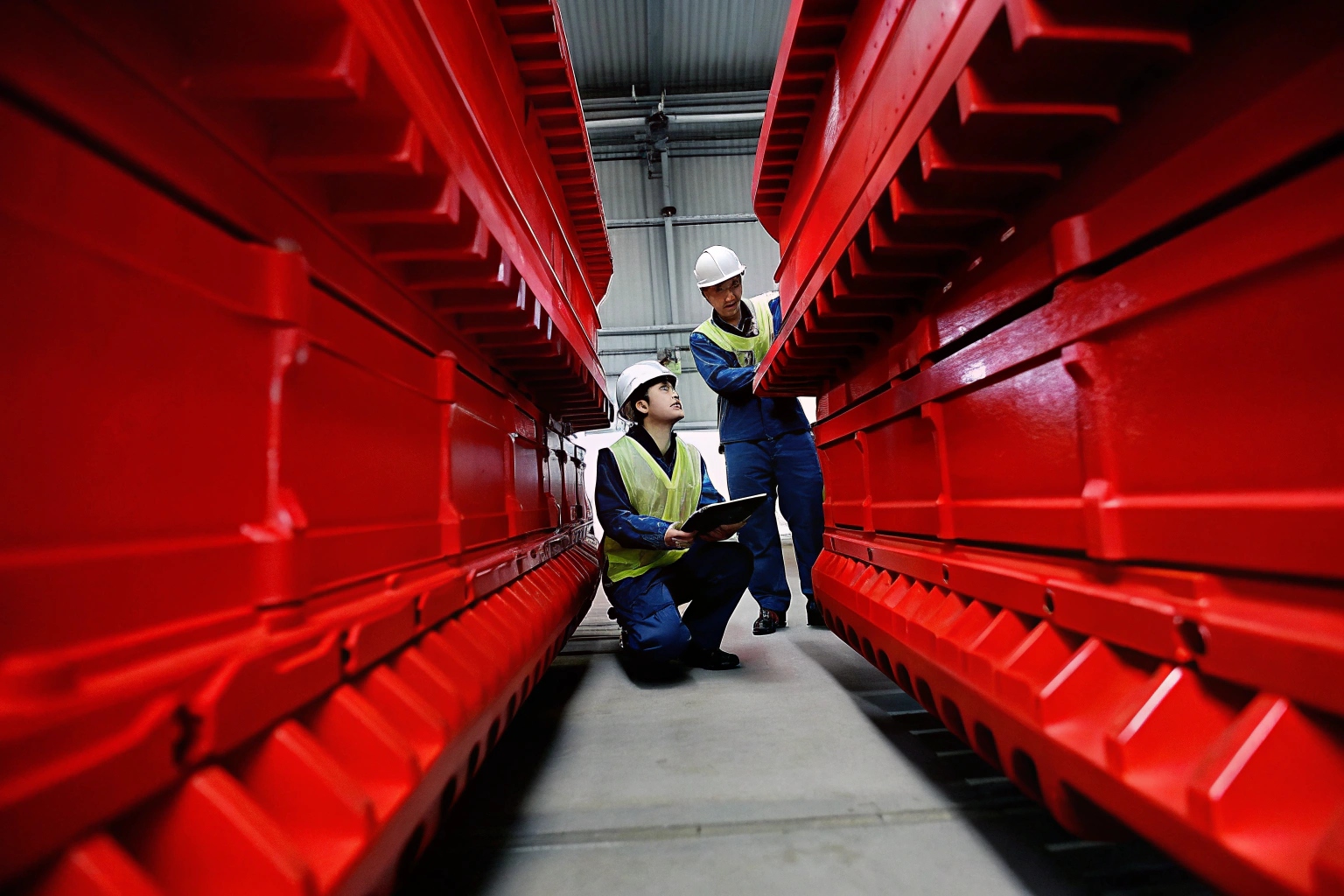
When I ordered track shoe assemblies 1 from China, I needed assurance about product quality and compliance. This led me to consider third-party inspections 2, which piqued my interest.
Yes, you can arrange third-party inspections like BV, TÜV, or SGS for your order. These inspections can confirm that products meet both international standards 3 and your specifications. The inspection can be scheduled at various stages, and arrangements are usually made between the supplier and the buyer.
While inspections increase cost, they are crucial in verifying product quality. Below, let’s break down the various aspects involved in third-party inspections for track shoe assemblies.
At What Stage of Production Can My Inspector Come In?
When I first explored inspections, I stumbled upon different production stages where inspections occur. This piqued my curiosity about their timing.
Inspections typically take place at stages such as raw material verification 4, mid-production, or pre-shipment inspections 5. Choosing the right stage depends on your quality assurance needs 6 and specific requirements from your supplier.
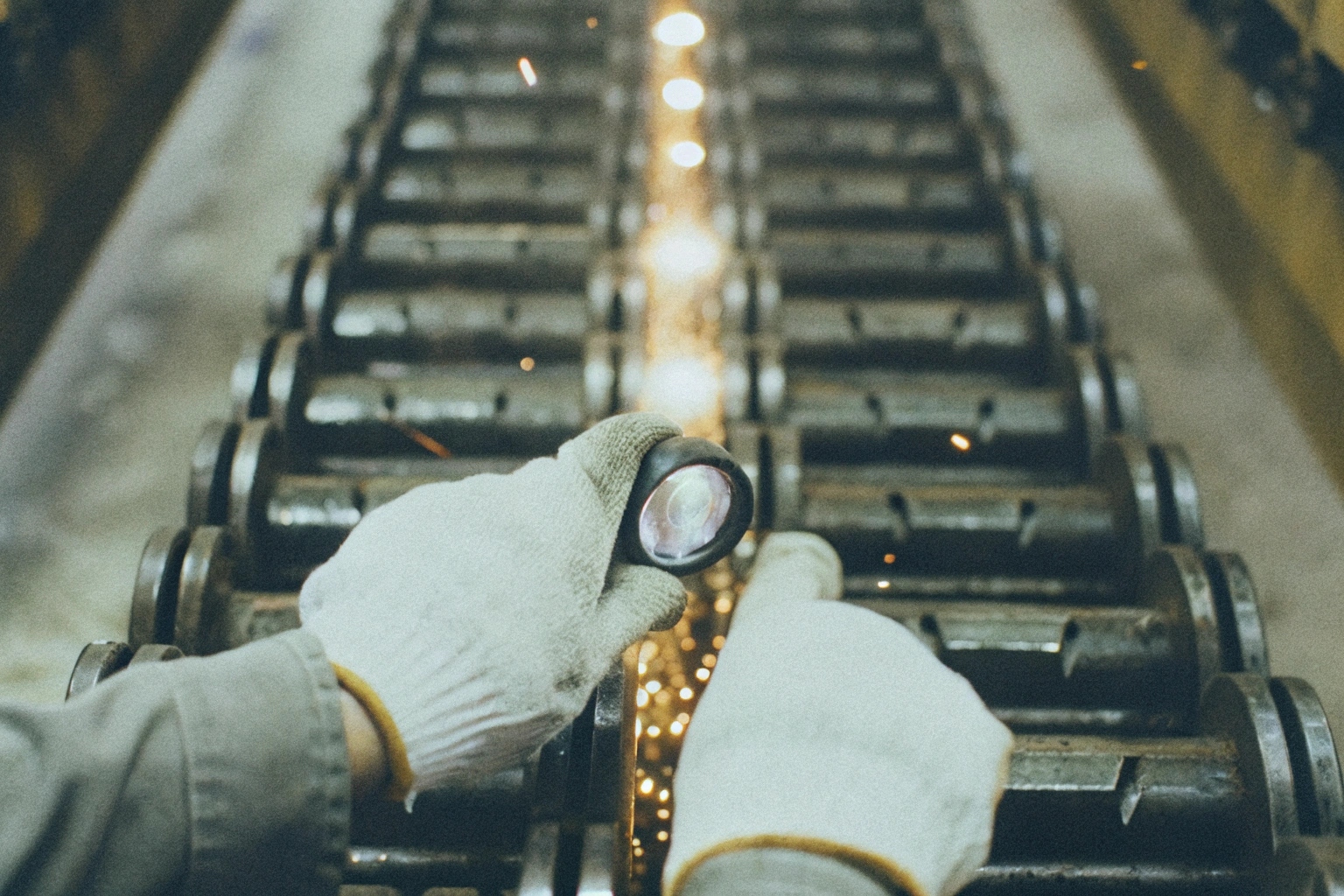
Selecting the right stage can lead to more accurate quality assessments. Early inspections during raw material stages ensure that only high-standard inputs are used. Mid-production checks focus on identifying defects during assembly, while pre-shipment inspections ensure final product compliance. Each stage offers different benefits:
Benefits of Each Inspection Stage:
| Inspection Stage | Key Benefits |
|---|---|
| Raw Material | Prevent substandard material usage |
| Mid-Production | Early defect detection |
| Pre-Shipment | Assurance of final product quality |
By thoughtfully scheduling inspections, you ensure that the products meet your high standards before they leave the factory.
Who Is Responsible for Scheduling and Paying for This Third-Party Inspection?
I became concerned about costs when considering inspections. Understanding responsibilities helped me budget effectively.
Usually, the buyer schedules and pays for these inspections. However, getting a clear agreement with the supplier on any additional costs or logistical support needed is crucial.

Understanding Responsibilities:
Your supplier should confirm the inspection timing, while the agency conducts it. Costs, typically borne by you, can vary based on the inspection's depth and the agency's reputation. Discuss with your supplier to establish clear expectations and avoid hidden charges.
Typical Responsibilities Breakdown:
| Party | Responsibilities |
|---|---|
| Buyer | Scheduling, payment, specification |
| Supplier | Cooperation, documentation |
| Inspection Agency 7 | Execution, report generation |
Effective cooperation leads to seamless inspection processes, helping maintain good relations and product quality.
What Happens If the Inspector Finds Products That Don't Meet My Specifications?
Once, I worried about non-conformance findings during inspections. Understanding outcomes prepared me for possible resolutions.
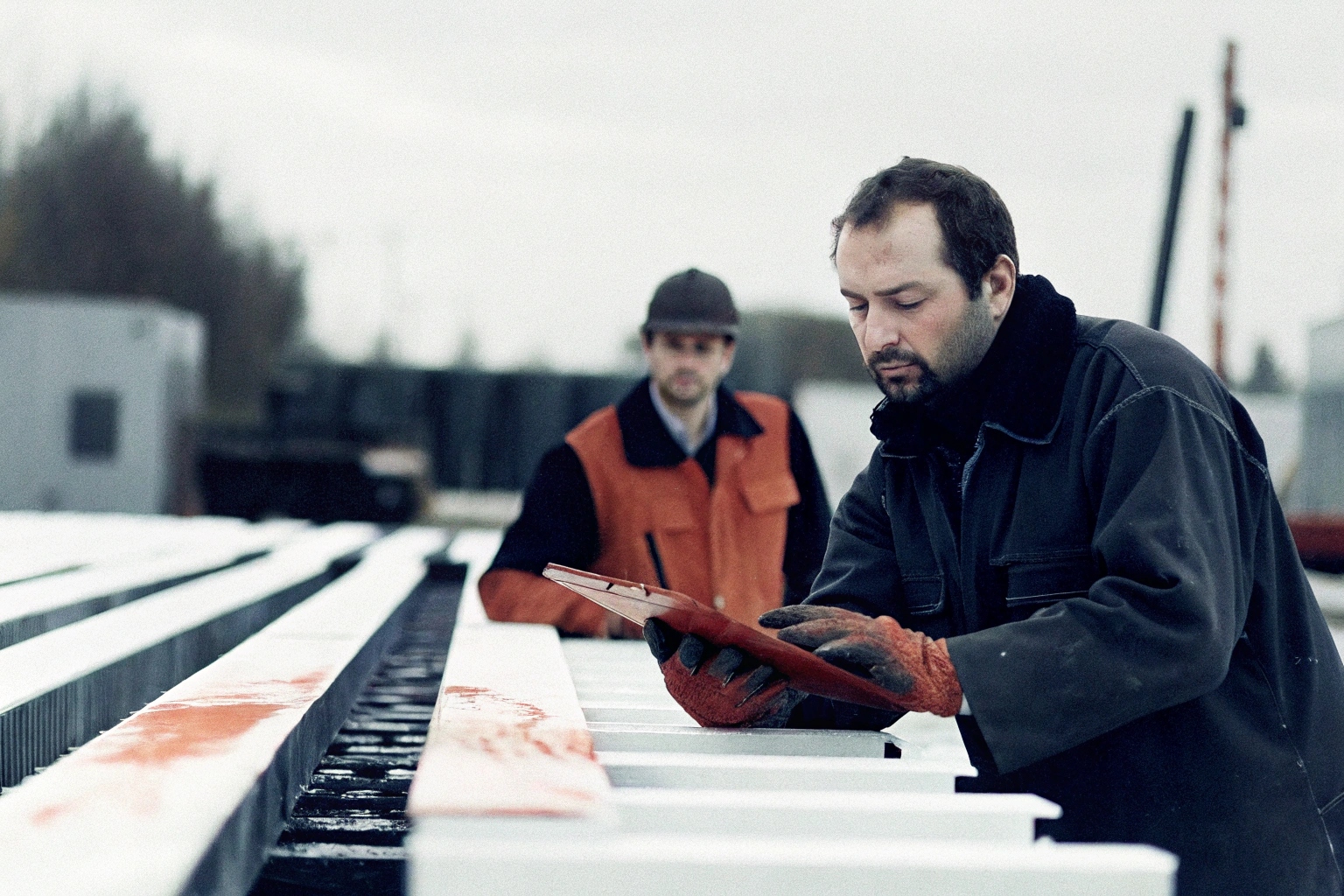
If an inspector identifies issues, a detailed report is shared with you and the supplier. This report includes photos, dimensions, and non-conformance details 8.
Handling Non-Conformities:
Upon receiving the report, you can negotiate with the supplier for rectifications or replacements. Most suppliers will agree to address issues before shipment, ensuring products meet all specified requirements.
Response Steps for Non-Conformance:
- Review the inspection report thoroughly.
- Discuss findings with the supplier immediately.
- Agree on corrective measures like reworking or replacing parts.
- Schedule a re-inspection if necessary.
Proactively addressing these issues minimizes delays and ensures you receive compliant products.
Will Your Factory Provide All Necessary Documents to My Inspector?
When I planned inspections, I was curious about document provisions. Knowing what to expect helped streamline the procedure.
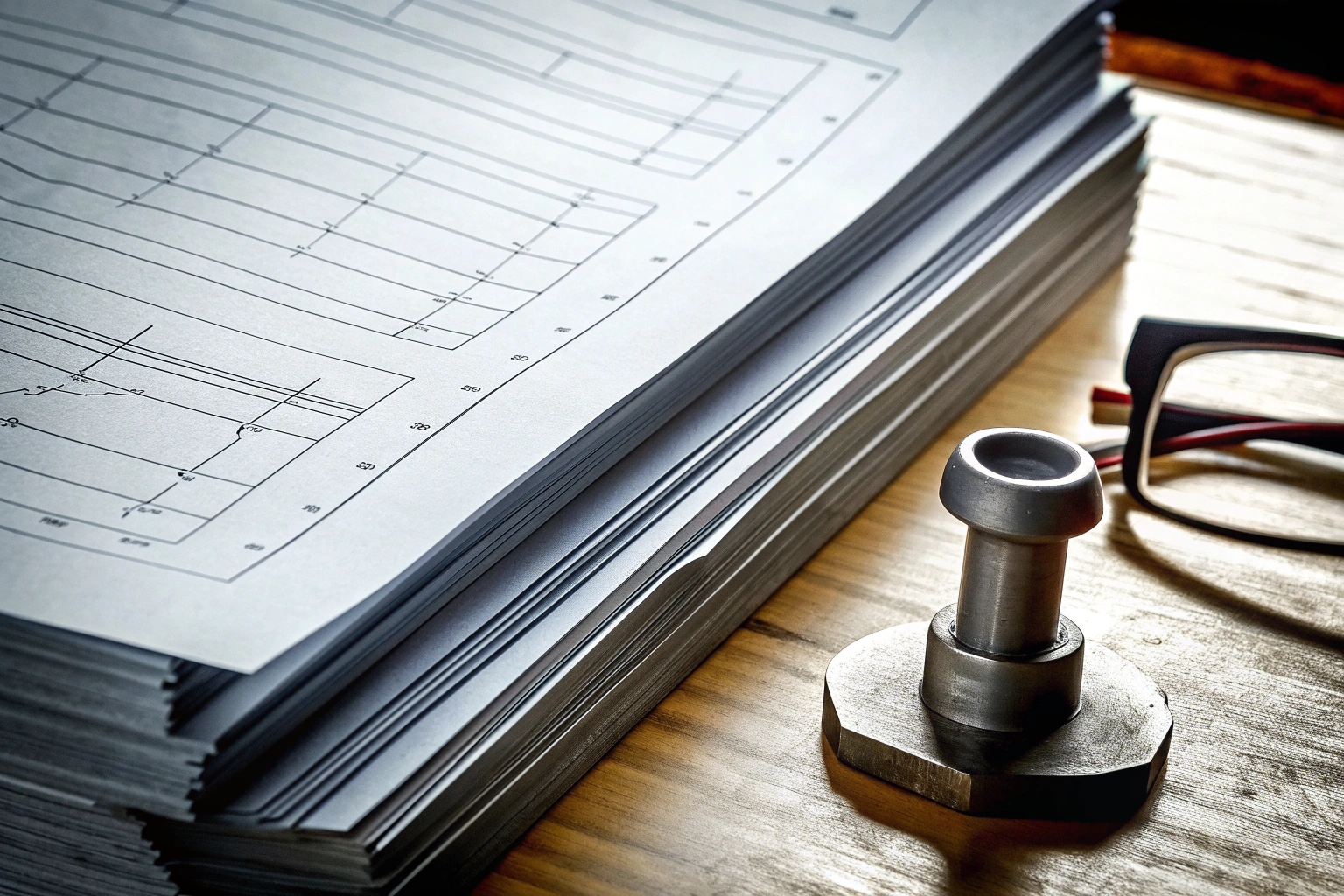
Manufacturers like Dingtai typically provide all necessary technical documents, such as Material Test Certificates (MTCs) 9 and Quality Control (QC) reports 10, for inspection purposes.
Essential Documentation for Inspections:
These documents help in verifying material composition, manufacturing practices, and compliance with agreed specifications. Ensuring document availability allows inspectors to conduct thorough assessments, ensuring you receive quality products.
Typical Documentation Provided:
- Material Test Certificates (MTCs) validate raw materials.
- Quality Control (QC) reports show compliance with specifications.
- Detailed assembly documentation and inspection records.
Having all documentation ready and accurate ensures that potential issues are identified and resolved early, leading to smoother transactions and higher quality assurance.
Conclusion
Understanding and managing third-party inspections ensures your products meet high standards, builds trust with your supplier, and protects your investments.
Footnotes
1. Guide to undercarriage parts and assembly for heavy machinery. ↩︎
2. Benefits of independent quality checks in global manufacturing. ↩︎
3. Overview of ISO and other global manufacturing compliance standards. ↩︎
4. Processes for verifying steel inputs and component quality. ↩︎
5. Final quality checks performed before goods leave the factory. ↩︎
6. Strategies to maintain product consistency and safety standards. ↩︎
7. Roles and selection of certified independent inspection bodies. ↩︎
8. Managing manufacturing defects and deviations from agreed specifications. ↩︎
9. Understanding mill test reports and metal composition validation. ↩︎
10. Importance of detailed documentation in supply chain quality control. ↩︎