
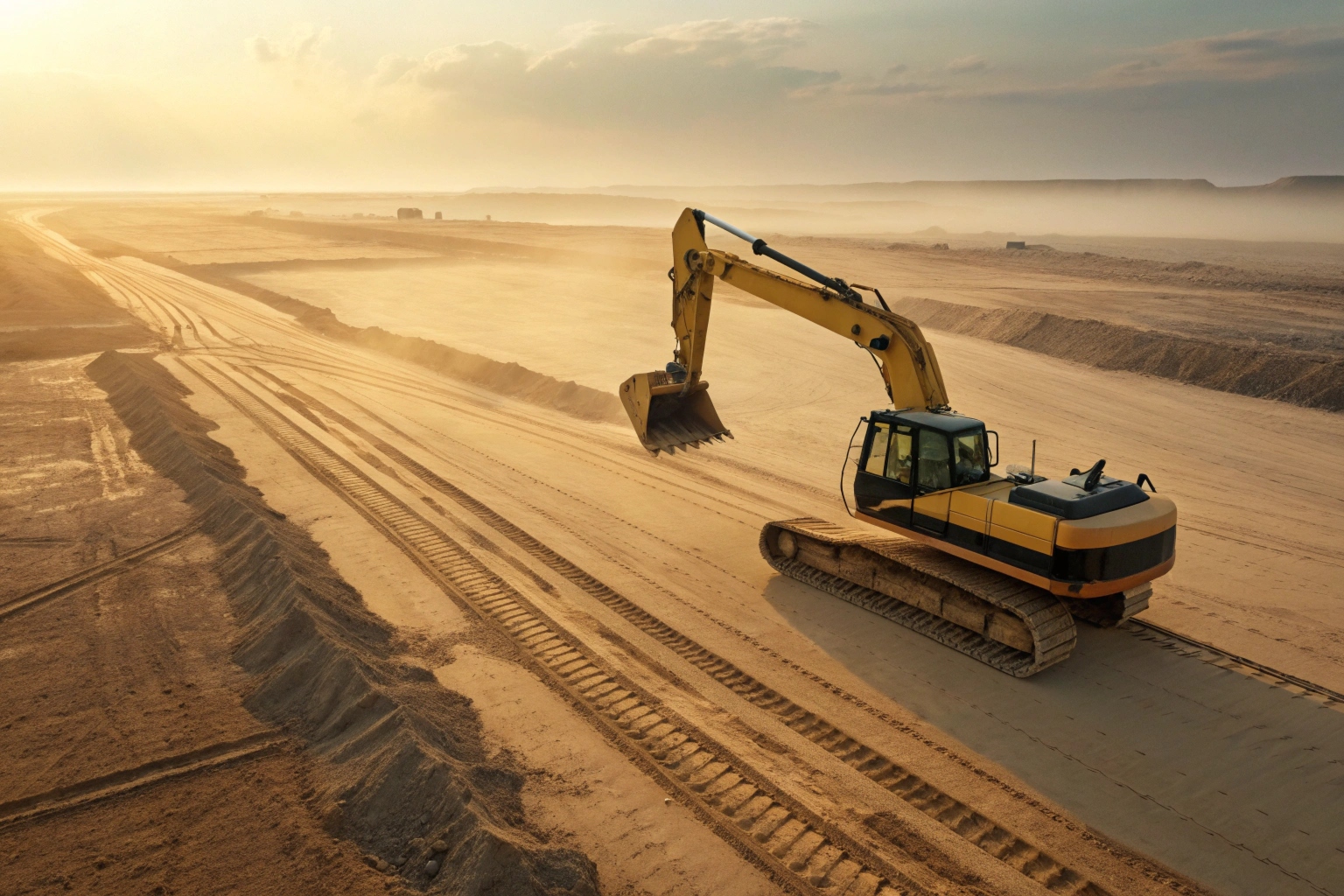
I often hear confusion from site managers and buyers regarding "pre-stretching" new tracks. It is a common myth that causes unnecessary worry. I want to clarify exactly what happens during those first few hours of operation to help you avoid expensive mistakes.
Fully assembled track groups do not require a formal "pre-stretching" process because steel components do not physically elongate under normal loads. However, a "run-in" period of 1–2 hours on flat ground is essential to settle the mechanical connections, followed by a mandatory maintenance check after 50–100 hours to re-torque bolts and adjust tension.
Many operators skip the initial run-in procedures, thinking steel is ready to go immediately. This is a dangerous assumption. Understanding the difference between mythical "stretching" and actual mechanical settling will save your fleet thousands of dollars in premature wear and downtime.
What maintenance checks should I tell my customers to perform after the first 50-100 hours of use?
Handing over a machine with a new undercarriage feels good, but your job is not done yet. If you do not give your customer a specific list of checks for the first week, they might come back to you with a warranty claim 1 that is not your fault.
After the first 50 to 100 hours, you must instruct customers to re-torque all track shoe bolts to handle paint relaxation. They must also visually inspect the master pin for movement and measure the track tension (sag) again, as the components will have settled and loosened slightly.
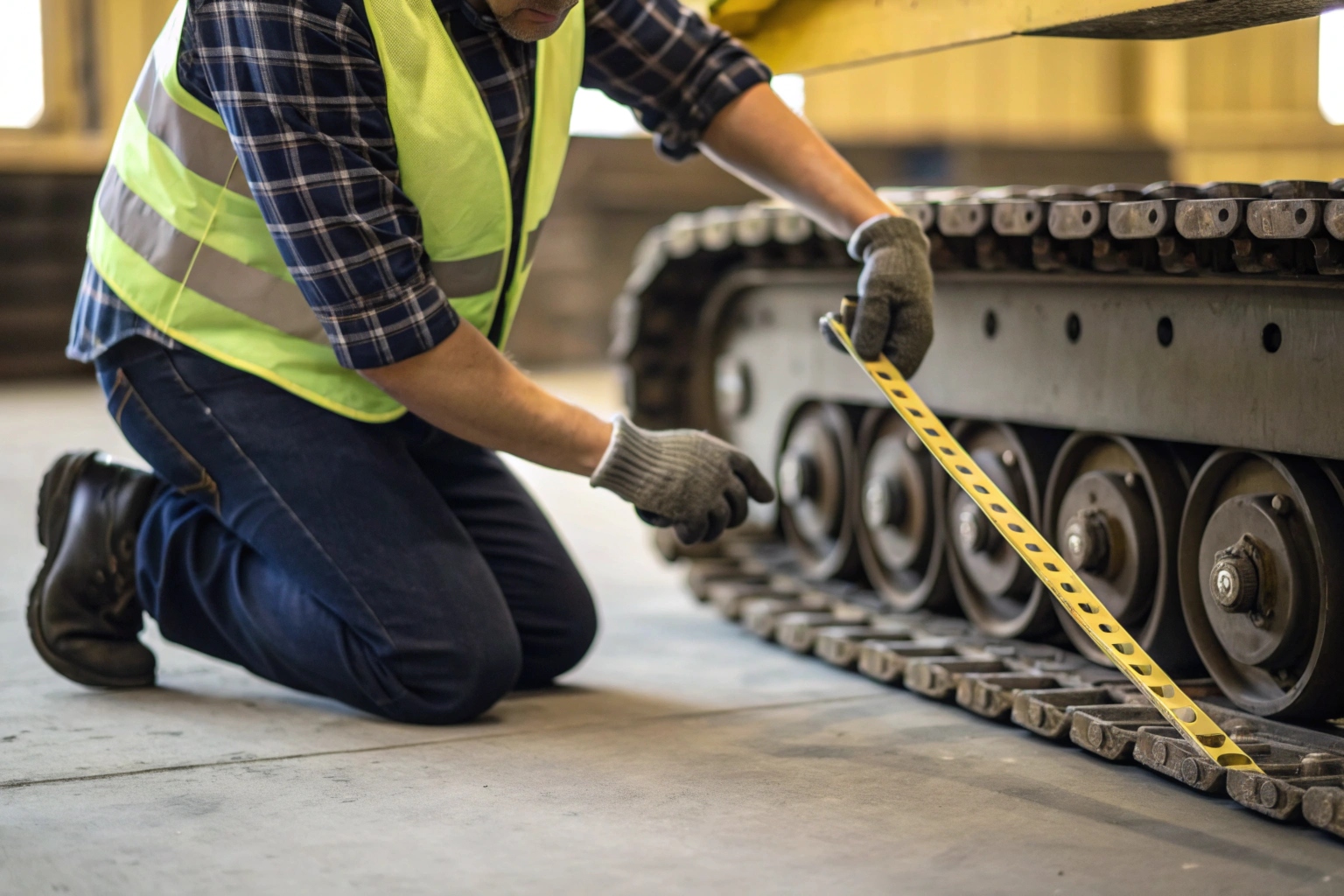
The "run-in" phase is the most critical time for any undercarriage system 2. Think of it like a pair of leather boots; they need time to mold to your feet. In the same way, the steel parts of a track group need time to "mate" with each other. Even though we manufacture parts to very strict tolerances at Dingtai, no two pieces of steel are perfect matches until they rub against each other under load.
During this period, I always advise my clients—especially strict ones like David who manage large fleets—to run the machine on flat, soft soil for the first 1–2 hours. This should be done with no load. This allows the pins and bushings 3 to find their natural position without high stress.
If your customer ignores this and immediately puts the machine on a rocky slope or does high-speed travel, they will cause galling 4. This is when the metal gets so hot from friction that it welds together and tears apart.
Here is the specific maintenance protocol you should print out and tape to the cabin glass for your customers.
The 50-Hour Mandatory Checklist
| Component | Action Required | Why is this necessary? |
|---|---|---|
| Track Shoe Bolts | Re-Torque | The paint between the shoe and link crushes, causing bolts to loosen. |
| Master Pin | Visual Check | The interference fit can shift; ensure the pin has not "walked" out. |
| Track Tension | Measure Sag | As parts settle, the track effectively gets longer (slacker). |
| Rollers | Touch Test | Check for excessive heat, which indicates internal seal failure or misalignment. |
| Sprocket Bolts | Check Torque | Vibration during the break-in often loosens the hub connection. |
You must also warn them about the "Old Sprocket" trap. I see this happen all the time in the aftermarket. A customer buys a brand new track chain but wants to save money by keeping the old sprocket. This is a disaster. The old sprocket has a worn-out shape. The new track has a standard shape. When they meet, the sprocket teeth will hammer the new bushings. This causes rapid wear in just a few days. If they refuse to change the sprocket, tell them that their "break-in" period will actually be a "break-down" period.
Finally, explain to the operator that they need to drive differently for the first week. They should avoid pivot turns 5 (spinning the tracks in opposite directions) and high-speed travel. These actions generate massive heat. A new system is stiff and tight. If you heat it up too much before the surfaces are polished, you will melt the seals and destroy the lubrication.
Is it critical to re-torque the track shoe bolts after this initial break-in period?
You might think that if you use a powerful impact gun during installation, the bolts will never come loose. This is a false sense of security that leads to many failed inspections.
Yes, re-torquing track shoe bolts after the first 50–100 hours is absolutely critical. This is necessary because of "paint relaxation," where the paint layer between the shoe and the link crushes under load, creating a gap that causes a loss of bolt clamping force.
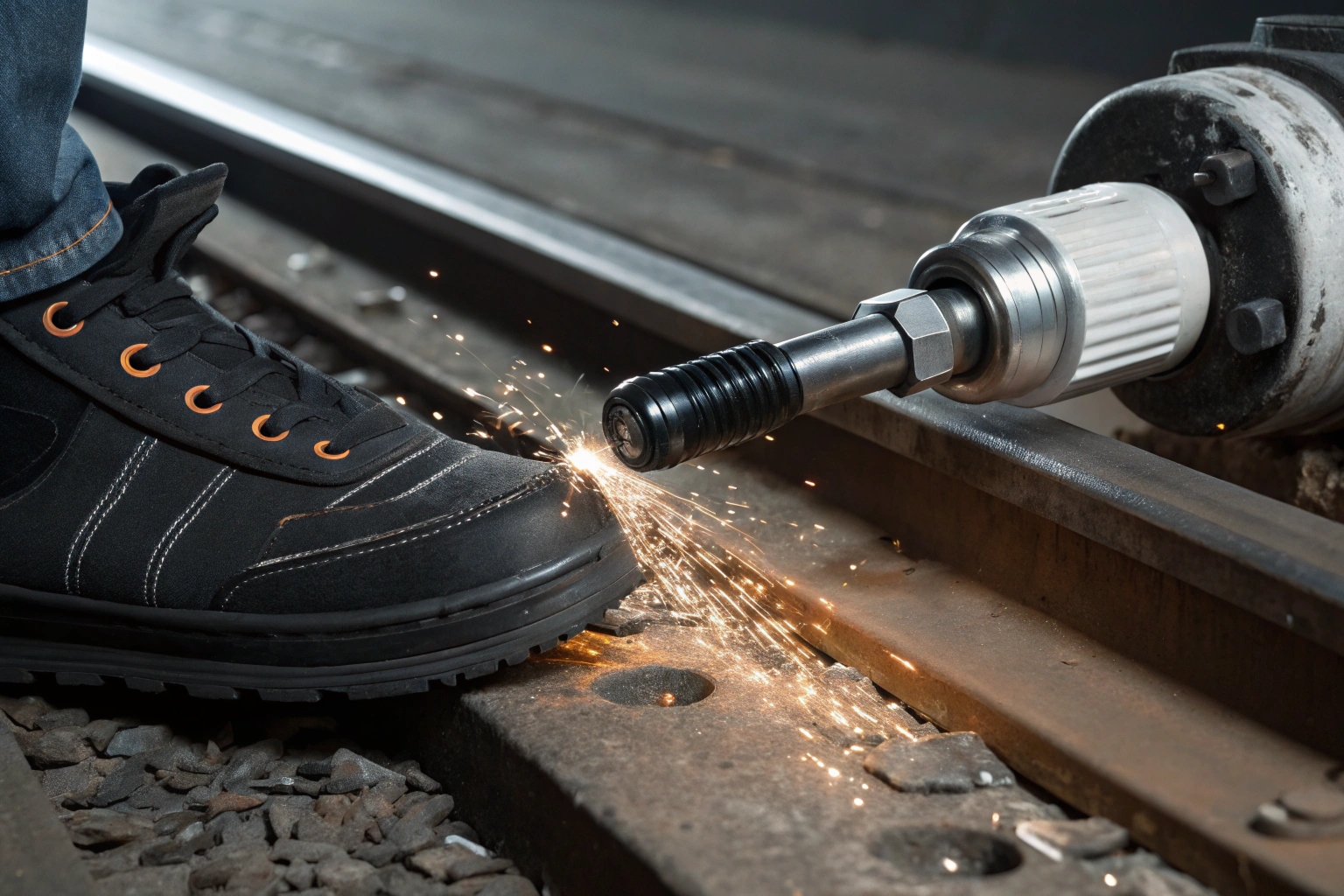
Let’s dig deeper into the physics of why this happens. It is not about the bolt being bad; it is about the surface it touches. When we manufacture track shoes and links, we paint them to prevent rust during shipping. Even though this paint layer is very thin, it is still there.
When the machine starts working, the immense weight (often 20 to 50 tons) and the impact forces crush this paint layer. The paint turns into a fine powder and falls away. This creates a microscopic gap between the track shoe and the link surface.
While the gap is tiny, it relieves the tension on the bolt. In engineering, we call this Paint Relaxation. Once the tension is gone, the bolt is no longer providing clamping force 6 to hold the shoe tight. It is just sitting there.
If you do not re-torque the bolts at this specific moment (50–100 hours), the track shoe will start to shift slightly back and forth on the link. This movement acts like a file. It will "wallow out" the bolt holes on the track shoe and the link. Once the holes become oval-shaped, no amount of tightening will fix it. You will have to scrap the entire assembly.
The "Turn-of-Nut" Method
Many mechanics just hit the bolt with an impact gun again. This is wrong. You need to use the "Torque Turn" method to ensure the bolt is stretched correctly.
- Clean the surface: Ensure no mud prevents the socket from fitting.
- Initial Torque: Tighten the bolt to a set value (e.g., 300 Nm).
- The Turn: Mark the bolt head and turn it an additional 120 or 180 degrees (depending on the spec).
This method is superior because it measures the actual stretch of the bolt, rather than just the friction.
Consequences of Skipping Re-Torque
| Issue | Description | Result |
|---|---|---|
| Bolt Loosening | Clamping force drops to zero due to paint dust. | Shoes rattle and shear off bolts. |
| Hole Elongation | Movement of the shoe grinds the bolt holes into ovals. | The link and shoe are ruined permanently. |
| Mating Surface Damage | Debris enters the gap between shoe and link. | The shoe never sits flat again, causing stress cracks. |
I have had customers call me claiming the bolts were "soft" because they broke. But when we look at the photos, we see the tell-tale signs of loose shoes rubbing against the links. This is not a material defect; it is a maintenance failure. By strictly enforcing the 50-hour re-torque, you protect the investment and ensure the track stays solid for its entire life.
What is "track stretching" (pitch elongation), and when does it occur (is it real)?
Clients often complain that their tracks are "stretching" like a rubber band after a few months, and they worry the steel is too soft. I have to correct this mindset almost every day.
Steel tracks do not physically stretch; the increase in length is actually "pitch extension." This occurs when the internal pin and bushing surfaces wear down, creating a larger gap that makes the entire chain longer.
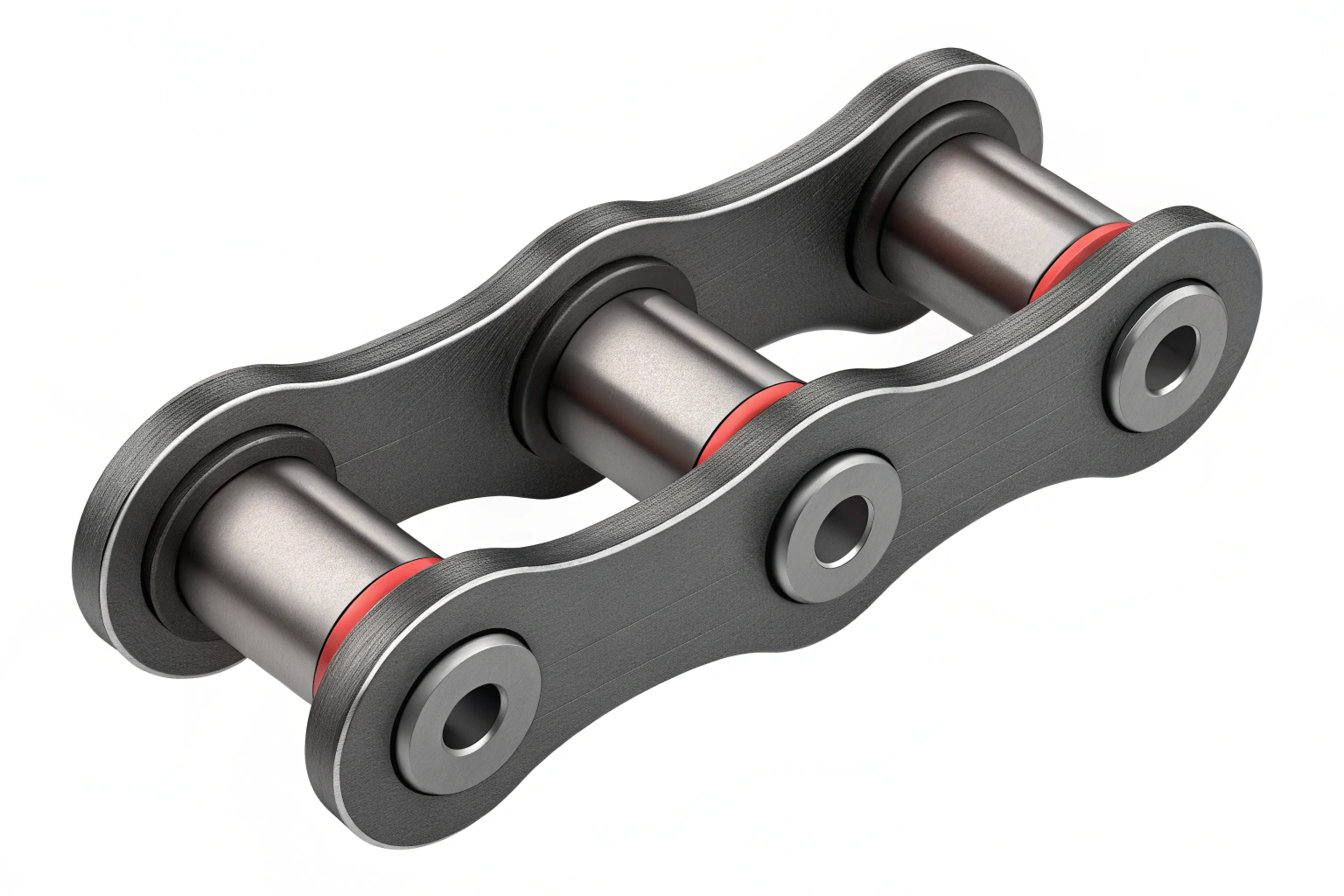
To understand this, we need to look at the science of the metal itself. Track chains are made from heat-treated alloy steel. For this steel to physically "stretch" (plastic deformation), the load would have to exceed the material's yield strength 7. If this happened, the track link would snap immediately. Therefore, the steel link itself stays the same length.
So, why do tracks get longer? The answer is Pitch Extension.
Imagine the pin inside the bushing. It acts like a hinge. Every time the track goes around the sprocket, the pin rotates. This friction removes a tiny amount of metal from the pin and the bushing. This wear creates a gap.
Let's do the math. If you lose just 0.5mm of metal on one pin, it doesn't seem like much. But a standard excavator track might have 50 links.
- 0.5mm wear x 50 links = 25mm of extra length.
This 25mm increase makes the track sag. Operators see this sag and think, "Oh, the steel stretched." But in reality, the steel is fine; the joints are just loose. This is why we measure wear by the "pitch" (the distance from the center of one pin to the next) rather than the length of the link.
SALT vs. Dry Chains
The type of chain you use changes how fast this happens.
- Dry Chains: These have no oil inside. They are common on excavators. They start wearing internally from the very first hour. You will see "stretching" (pitch extension) happen steadily over time.
- Sealed and Lubricated Track 8 (SALT) Chains: These have oil sealed inside the pin and bushing. This oil stops the friction. A SALT chain should have almost zero pitch extension for most of its life. It will only start to get longer if the seal fails and the oil leaks out.
Real Stretch vs. Wear "Stretch"
| Term | What People Think | The Engineering Reality |
|---|---|---|
| Elastic Deformation | The steel stretches and snaps back. | Real. This happens under load but is temporary. |
| Plastic Deformation | The steel stretches and stays long. | Rare. This only happens during catastrophic failure/overload. |
| Pitch Extension | The steel is stretching. | Common. Internal wear increases the gap between pin and bushing. |
If you understand this, you know that "stretching" is actually a sign of wear. The only way to stop it is to keep the internal pins lubricated and keep sand and dirt out of the seals. Once the "stretch" starts, it means the internal life of the pin and bushing is ending.
Does "pre-stretching" the track chain at the factory actually work, or is it a myth?
I frequently see purchase orders from international buyers requesting "pre-stretched" chains to ensure stability. To be honest, this request worries me because it suggests a fundamental misunderstanding of how the manufacturing process works.
"Pre-stretching" is largely a myth in the construction machinery industry. Factories cannot pre-wear a chain to prevent elongation without damaging it; instead, we focus on precise assembly tolerances and high-quality heat treatment to minimize initial settling.

If a supplier promises you "pre-stretched" chains, they are likely just using a marketing term to make you feel safe. There is no machine in the factory that pulls the chain until it is longer.
Why? As we discussed, for steel to stretch permanently, you have to damage it. If a factory actually stretched the links, they would be selling you a broken product.
However, there is a grain of truth. What some people call "pre-stretching" is actually Bench Testing or Run-in Testing. High-quality manufacturers, like us at Dingtai, might put the assembled track group on a test bench. We apply tension to ensure the links are not stiff. This helps to "crack" the paint in the joints and ensures the assembly moves freely.
But this does not stop the pitch extension we talked about earlier. It just ensures the chain isn't frozen stiff when you receive it.
The Real Solution: Precision and Hardness
Since we cannot "pre-stretch" the steel, how do we stop the track from getting loose? We do it through chemistry and heat.
- Induction Hardening 9: We heat the surface of the pin and the inner bore of the bushing to extreme temperatures and then cool them instantly. This creates a deeply hardened "case." This hard layer resists the wear that causes pitch extension.
- Interference Fit 10: We press the pins into the links with massive force (tons of pressure). This ensures there is zero movement between the pin and the link. If the fit is too loose, the track will wobble and wear out instantly.
When I talk to buyers like David Miller, I tell them: "Do not ask for pre-stretched chains. Ask for Hardness Depth Reports and Pull-Force Test Reports."
These documents prove that the steel is hard enough to resist wear and the assembly is tight enough to hold together. That is what actually prevents the track from getting loose. A "pre-stretched" sticker on the box means nothing. The quality of the heat treatment means everything.
Conclusion
To summarize, track shoe assemblies do not require "pre-stretching," but they do demand a strict break-in maintenance routine. You must accept that "stretching" is actually internal wear. The only way to combat it is through a mandatory 50-hour inspection to re-torque bolts and adjust tension. By following these steps, you ensure the steel settles correctly, preventing costly downtime and extending the life of the undercarriage.
Footnotes
1. Understanding liability and coverage for heavy equipment defects. ↩︎
2. Overview of essential crawler track components and maintenance. ↩︎
3. Identifying critical wear components in excavator track chains. ↩︎
4. Explanation of adhesive wear caused by friction and heat. ↩︎
5. Operational maneuvers that significantly increase track system wear. ↩︎
6. Importance of tension in holding bolted joints secure. ↩︎
7. The material limit where metal permanently changes shape. ↩︎
8. Technology designed to extend internal pin and bushing life. ↩︎
9. Manufacturing process for increasing surface wear resistance. ↩︎
10. Mechanical engineering principle ensuring tight assembly connections. ↩︎