
You worry about sending a large deposit to a company you have never met. I understand this fear completely because many buyers have lost money to ghost companies. I want to show you exactly how to check my background and prove I am real.
You can verify our history through third-party credit reports like Dun & Bradstreet for financial stability. You should also check public customs records for Bills of Lading that list Dingtai as the shipper. These documents prove we are a real manufacturer shipping actual products to the US.
I know you need more than just my word to feel safe. You need hard data and official records that I cannot fake. Let's look at the specific documents you can ask for right now to confirm our business is legitimate.
What does a third-party credit report tell me about your (Dingtai's) financial stability as a supplier?
You need to know we will not go bankrupt after you pay the deposit for your order. A credit report is the best way to see our true financial health before you sign a contract.
A report from agencies like Dun & Bradstreet or SGS confirms our legal existence and financial standing. It shows our registered capital, ownership structure, and risk rating. This independent data proves we are a financially stable factory with assets, not a temporary trading company.
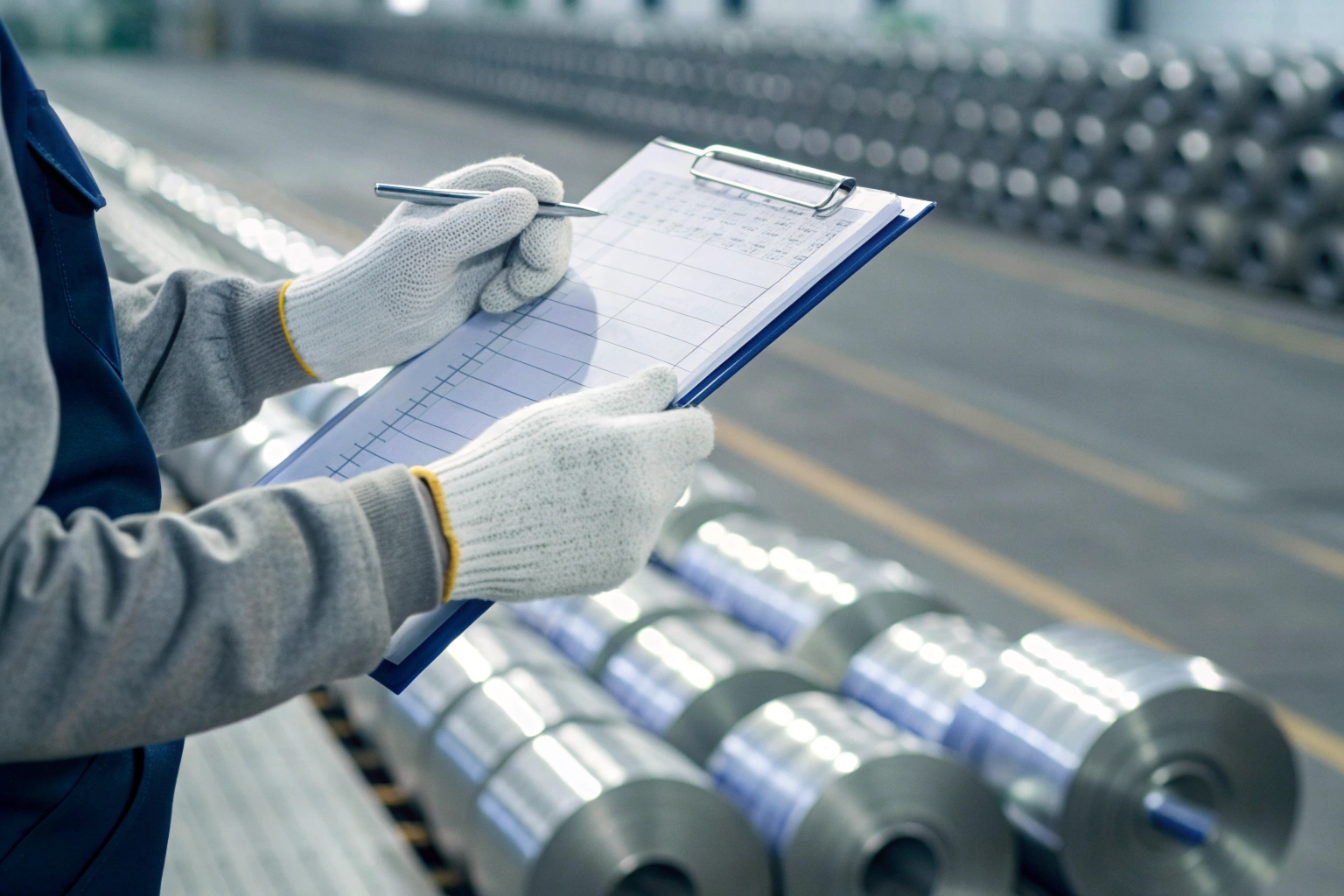
When you look at a supplier in China, it is hard to tell a small office from a big factory just by looking at a website. A website can make a one-person company look like a global giant. This is why I always tell my new clients to pull a credit report. You can ask for a Dun & Bradstreet (D&B) report 1 or an SGS audit report 2. These are not marketing brochures. They are financial health checks that tell you the truth.
A D&B report gives you a D-U-N-S Number 3. This is like a Social Security number for a business. It tracks us. If we do not pay our bills or if we get sued, it shows up there. For a buyer like you, this is safety. You want to see that Dingtai has been in business for many years. You want to see that our "Registered Capital" is high. In China, a high registered capital means the owners have put real money into the company. It means we are serious. A scam company usually has very low registered capital because they plan to run away.
The report also shows you who owns the company. You can see if we are a subsidiary or a standalone manufacturer. It also lists our SIC Codes 4. These codes tell you what we are legally allowed to do. You want to see codes for "Manufacturing" of construction machinery parts. If you only see "Trading" or "Consulting," that is a red flag. That means they might outsource everything.
Here is a simple table to help you understand what to look for in these reports:
Key Data Points in a Credit Report
| Data Point | What It Means for You | Ideal Finding |
|---|---|---|
| Date of Establishment | Shows how long we have survived in the market. | More than 10 years (We have 20+). |
| Registered Capital | Shows the financial commitment of the owners. | High value (Millions of RMB). |
| Business Scope | Defines what the company is legally allowed to do. | Includes "Manufacturing" or "Production". |
| Legal Status | Confirms the company is active and not closed. | "Active" or "In Operation". |
| Risk Score | A calculated number showing the chance of failure. | Low Risk. |
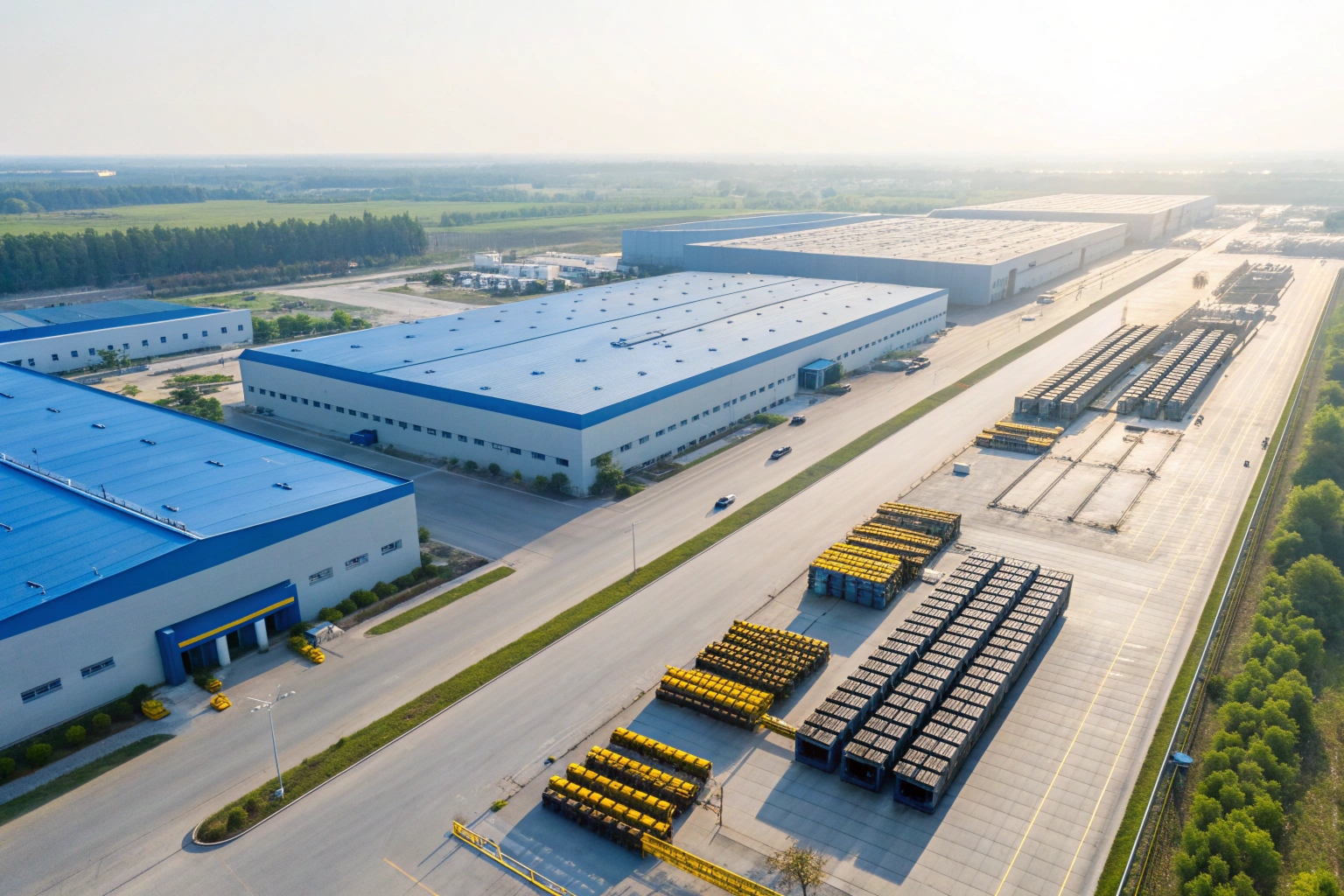
You should also look at the "operational address" in the report. Compare this address to the one on our website. Use Google Maps to look at the satellite view. If the report says the address is in a large industrial zone, and the satellite view shows a big factory with blue roofs, that is a good sign. If the address is in a residential apartment block, you should be careful. We are open about our location in Nan'an City. We want you to see that we own our land and our machines. This physical asset base is your security. If something goes wrong, we have too much to lose to cheat you.
Where can I find public customs data (like bills of lading) that show your (Dingtai's) shipments to the US?
You want to see who else buys from us in America to ensure we understand your market standards. Public records hold the truth about our past shipments and current customers.
You can find these records on platforms like ImportGenius, Panjiva, or Volza using our company name. Look for Bills of Lading that list Dingtai as the exporter. These documents reveal our shipping frequency, product descriptions like track shoes, and the ports we use.

Data does not lie. Every time we send a container of track chains or rollers to the United States, we must file paperwork with customs. This paperwork creates a digital footprint. You can access this footprint. You do not need to ask me for a reference list. You can build your own list by looking at the data. Platforms like Panjiva 5 or ImportGenius 6 scrape these records from US Customs.
When you search, you have two ways to find us. First, search for "Dingtai" as the supplier or shipper. You will see a list of dates. Each date represents a shipment. You can click on them to see the details. You will see the Bill of Lading 7 number. This is the official receipt of the cargo. You will see the weight of the shipment. This is very important. Undercarriage parts are heavy. If you see a shipment that only weighs 500 kg, that is likely samples. If you see shipments that weigh 20,000 kg or 40,000 kg, those are full containers. This proves we do volume business.
Second, you should search by the HS Code 8. This is the international code for the product. For our excavator and dozer parts, the code is often 8431.49. If you search for this code and filter by shipments from China, you can find our name among the suppliers. This confirms that we are shipping the correct type of product. Sometimes, trading companies ship "general goods" or "steel parts" to avoid taxes or scrutiny. We declare our goods correctly because we follow the rules.
There is one trick you need to know. Some suppliers use a "Trading Agent" to export. This means the paperwork lists the agent's name, not the factory name. This makes it hard for you to find them. We have our own export license. This means our name appears directly on the documents. This transparency makes it much easier for you to verify us.
How to Analyze Shipment Data
| Information on Bill of Lading | What It Tells You |
|---|---|
| Shipper Name | Confirms if the factory exports directly or uses a middleman. |
| Consignee (Buyer) | Shows you who else buys from us (potential references). |
| Product Description | Verifies the goods are actually undercarriage parts. |
| Gross Weight | Indicates the volume (heavy weight = real production orders). |
| Arrival Date | Shows how recently we shipped goods to your region. |
If you see a gap in the data, do not panic immediately. Sometimes data takes a few weeks to update. Also, some of our buyers request that we keep their names private. We respect that. But the aggregate data—the total number of shipments—is usually visible. This history proves that we know how to package goods for ocean freight, we know how to handle US customs clearance, and we have customers who come back for more. A one-time scammer shows one shipment and then nothing. A real partner shows a steady heartbeat of activity over years.
Can you show me proof of your total export volume (e.g., number of containers per month)?
Volume proves we have a working factory with active machines, not just a fancy website. You need to know we can handle your large orders without any production delays.
I can provide redacted packing lists and commercial invoices from recent months to prove our activity. These documents show the number of containers we load weekly. You will see the scale of our operations and verify that we have the capacity to meet your specific delivery schedules.
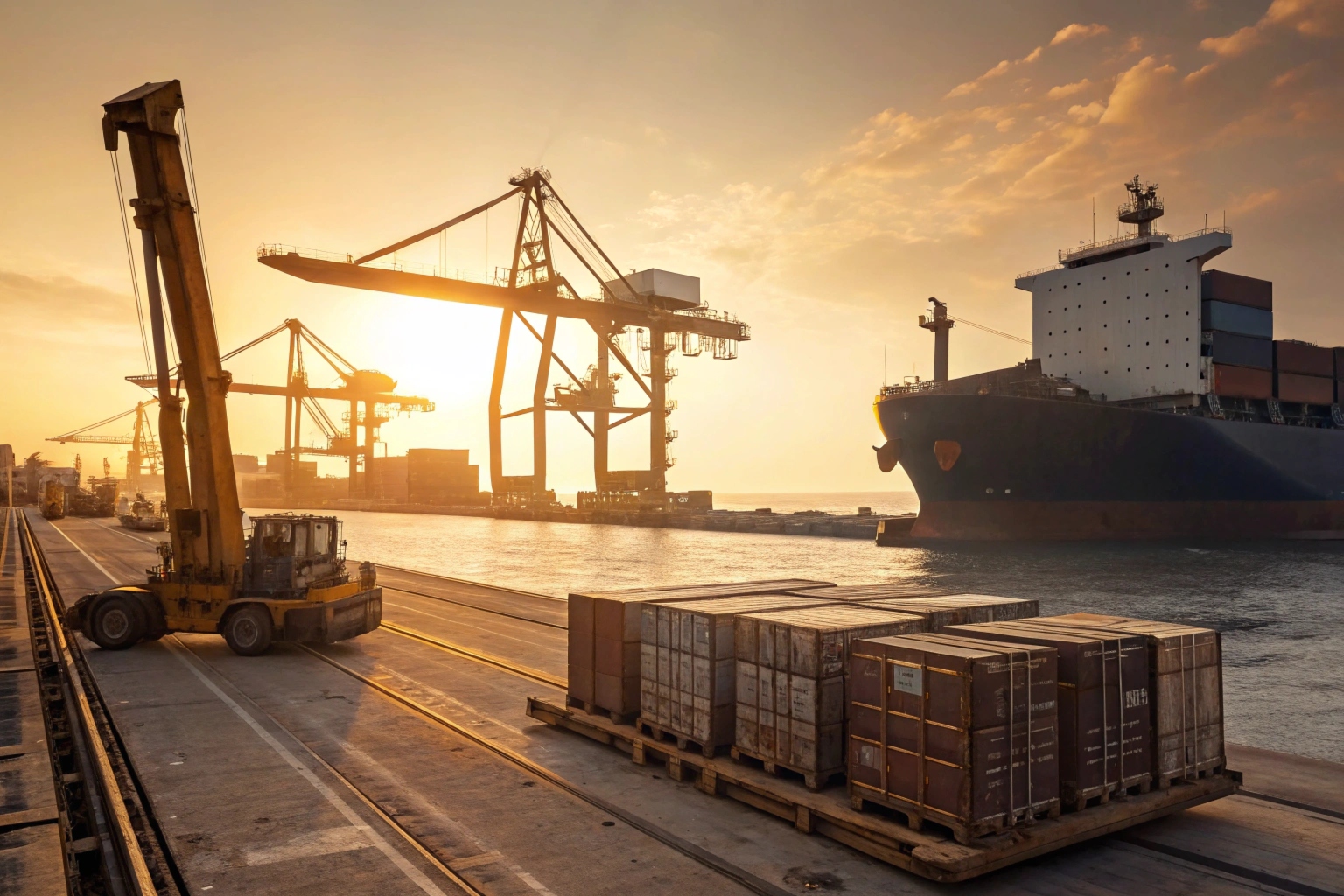
You are buying for a large distribution network. You cannot afford to work with a small workshop that takes three months to make one container of rollers. You need speed and scale. The best way to prove my capacity is to show you what I am doing right now. I can share our production schedule and our loading records with you.
I can send you a document we call a "Container Loading Plan." This shows how many containers we shipped last month. I will black out the names of other clients to protect their privacy, just as I would protect yours. But I will leave the dates, the quantities, and the destinations visible. You will see that we ship to Europe, Southeast Asia, and the Americas regularly.
You can also look at the "packing list" details. This document lists every single item in a container. It shows the number of pallets and the total weight. You can do the math. A standard 20-foot container of bottom rollers usually holds about 18 to 20 tons. If I send you a record of 10 containers shipped last month, that is 200 tons of finished steel products. A small workshop cannot process that much steel. They do not have the furnaces or the CNC machines to handle that volume. Only a fully equipped factory like Dingtai can manage that flow.
We also have internal reports that track our "On-Time Delivery Rate." I am happy to share a snapshot of this with you. It compares the promised finish date with the actual container loading date. No factory is perfect. Sometimes raw material arrives late. Sometimes the power goes out. But a good factory tracks this. If I show you that 95% of our orders ship within 5 days of the target date, you can trust my lead time quotes.
Volume Verification Checklist
| Document Type | What to Check | Why It Matters |
|---|---|---|
| Bill of Lading Copies | Check the "On Board Date". | Proves the goods actually left the port. |
| Packing List | Check the total piece count. | Verifies it is a bulk order, not a sample. |
| Container Photos | Look for the container number. | Matches the photo to the paperwork. |
| Material Purchase Proof | Steel purchase orders. | Proves we bought enough raw steel to make the parts. |
Another strong proof is our raw material purchasing. I can show you the mill certificates 9 for the steel we bought. If we are making thousands of track shoes, we must buy tons of boron steel. These certificates come from the big steel mills. They have dates and batch numbers. If I have the steel in my yard, I can make your parts. This connects the input (raw steel) to the output (finished parts). It is a complete chain of evidence that proves we are a manufacturer with a real, high-volume operation.
Why is a strong, verifiable export history important for me as a buyer (it proves you are real)?
A cheap price means absolutely nothing if the parts never arrive or fail immediately. History is your best prediction of future success and consistent product quality.
A verifiable history proves we have solved problems for other buyers like you. It means our track shoes fit standard undercarriages and last in the field. This track record lowers your risk and ensures you get the consistent quality your customers expect.
You have been in this industry for 20 years. You know that buying from a new supplier is a risk. You have seen new factories make big promises and then fail. Maybe the steel was too soft. Maybe the holes did not line up. Maybe they packed the goods poorly and everything arrived rusted. When you see a verified export history, you are seeing proof that we have already overcome these challenges.
A long history means we have learned from our mistakes. Ten years ago, maybe we had a paint issue. We fixed it. Five years ago, maybe a crate broke. We improved the wood. When you hire us today, you benefit from those years of learning. You get a mature product. You do not want to be the "guinea pig" for a new factory. You want a finished, polished service. Our export records prove that other picky buyers in the US have tested us and kept us.
This history also proves consistency. This is your biggest pain point. You hate it when the first shipment is good, but the second one is bad. A company with a long export record has a Quality Control system 10 that works over time. We have procedures to check the hardness depth of every batch. We have rules for checking the dimensions. We do this every day, year after year. That is how we keep shipping. If our quality went down, our export history would stop. The data would show a drop in shipments. But our data shows growth.
Think about your reputation. You sell these parts to construction companies and mines. If a track chain breaks in a remote mine, your customer loses thousands of dollars an hour. They will blame you. They might fire you. When you choose a supplier with verifiable history, you protect your own name. You can tell your boss or your customers, "I chose Dingtai because they have been shipping to the US for 10 years without major issues." That is your insurance policy. It makes your decision safe.
The Value of Experience
- Customs Compliance: We know the rules, so your goods do not get stuck at the port.
- Packaging Standards: We know how to pack for rough ocean travel, so goods arrive safe.
- Technical Standards: We know the difference between OEM and aftermarket tolerances.
- Communication: We understand what "urgent" means in your business.
We are not just selling steel. We are selling reliability. The data, the reports, and the records are just the paper proof of our commitment to you. We want to be the boring, predictable part of your business. The part you never have to worry about.
Conclusion
Verifying a supplier in China does not have to be a guess. You can use credit reports, customs data, and capacity proof to see the truth. These records show that Dingtai is a stable, experienced manufacturer ready to support your business.
Footnotes
1. Business insights provider offering detailed company risk and financial reports. ↩︎
2. Global inspection and certification services for verifying supplier credibility. ↩︎
3. Unique nine-digit identifier used to track business credit activity. ↩︎
4. Standardized codes classifying industries to verify manufacturing business scope. ↩︎
5. Supply chain intelligence platform for analyzing global trade data. ↩︎
6. Search tool for accessing public shipping and customs records. ↩︎
7. Legal document detailing the type, quantity, and destination of goods. ↩︎
8. Standardized international system for classifying traded products and tariffs. ↩︎
9. Certified documents verifying the chemical and physical properties of steel. ↩︎
10. Standardized procedures to ensure consistent product quality and safety. ↩︎