
Are you tired of machine downtime because your track shoe parts are stuck in transit? I know how frustrating it is when your supply chain breaks right when you need it most.
Yes, signing an annual supply agreement with a safety stock provision is a standard and effective way to ensure a stable parts supply. This contract locks in pricing, guarantees inventory availability for emergencies, and outlines clear responsibilities for both the manufacturer and the distributor to prevent stockouts.
Managing a heavy machinery fleet or a large parts dealership requires more than just buying parts; it requires a strategic partnership. Let’s look at how we can set up a system that keeps your warehouse full and your costs low.
How Does an Annual Agreement Benefit My Business?
I have worked with many distributors who struggle with price jumps and sudden shortages. It makes planning your yearly budget nearly impossible when the market for steel changes every month.
An annual agreement benefits you by providing price stability for 12 months, ensuring priority in the production queue, and reducing lead times through dedicated safety stock. It transforms a simple buyer-seller transaction into a strategic partnership that minimizes operational risks and improves cash flow planning.

As a manufacturer at Dingtai, I see firsthand how an annual agreement changes the game for our clients. When we sign a year-long contract, the first thing it does is protect you from market volatility 1. The price of raw steel and energy fluctuates, but with a signed agreement, your price is locked. This is a huge advantage for your sales team because they can give long-term quotes to end users without worrying about losing their margin.
Another major benefit is production priority. In the manufacturing world, "first come, first served" is the rule, but contract customers always jump to the front of the line. If there is a global surge in demand, your orders are already in our system and the materials are reserved. This means you won't hear the words "out of stock" when your customers are screaming for parts.
Benefits Comparison Table
| Feature | Standard Purchase Order | Annual Supply Agreement |
|---|---|---|
| Pricing | Subject to market changes | Fixed for 12 months |
| Supply Priority | Standard | High Priority |
| Inventory | No guaranteed stock | Dedicated safety stock |
| Lead Time | 45-60 days | 0-7 days (from safety stock) |
| Technical Support | Basic | Dedicated engineering team |
By committing to a yearly volume, you also gain access to better logistics management 2. We can plan shipments in a way that fills containers perfectly, which lowers your landed cost per unit. It’s about moving away from "emergency buying" and moving toward "strategic planning."
What are My Obligations Under This Agreement?
I often tell my clients that a good agreement is a two-way street. To give you the best price and keep stock ready, I need some level of certainty from your side.
Your primary obligations include providing a rolling purchase forecast, committing to a minimum annual volume, and following a clear communication schedule. These commitments allow the manufacturer to purchase raw materials in bulk and schedule factory time efficiently to meet your specific technical requirements.
When we sign an agreement, the most important thing I need from you is a demand forecast 3. This isn't just a guess; it's a plan. Usually, we ask for a 12-month outlook that you update every month. This helps me know which models of track shoes—like D8T or D10T—you will need in the coming months. If I know what is coming, I can buy the right alloy steel 4 and prepare the forging dies in advance.
There is also the "Take-or-Pay" aspect. If I build 500 sets of track shoes specifically for you and store them in my warehouse, I am taking a risk. Your obligation is to eventually buy the stock we agreed upon. This ensures that the factory isn't left with custom parts that cannot be sold to anyone else. It sounds strict, but it is the reason we can offer such competitive wholesale pricing 5.
Typical Customer Commitments
- Forecast Accuracy: Providing updates at least once a month to reflect market changes.
- Minimum Order Quantity (MOQ): Agreeing to a total yearly volume to justify the fixed price.
- Prompt Communication: Notifying us 30 to 60 days in advance if you need to shift a delivery date.
- Payment Terms: Sticking to the agreed schedule to keep the production cycle moving.
Without these commitments, a manufacturer is just guessing. When we work together on the numbers, we eliminate the waste that usually makes parts expensive. My goal is to make sure your warehouse is never empty, but also never overstocked with the wrong items.
When Do I Legally Own and Pay for the Safety Stock?
This is the question I get most often from procurement managers like David. Nobody wants to pay for inventory that is sitting thousands of miles away in a factory warehouse in China.
Typically, you legally own and pay for safety stock only when it is "triggered" or shipped from the warehouse. However, if the stock remains unused past a certain date—usually 90 days—the agreement may require you to take delivery and settle the invoice to clear the manufacturer's inventory.
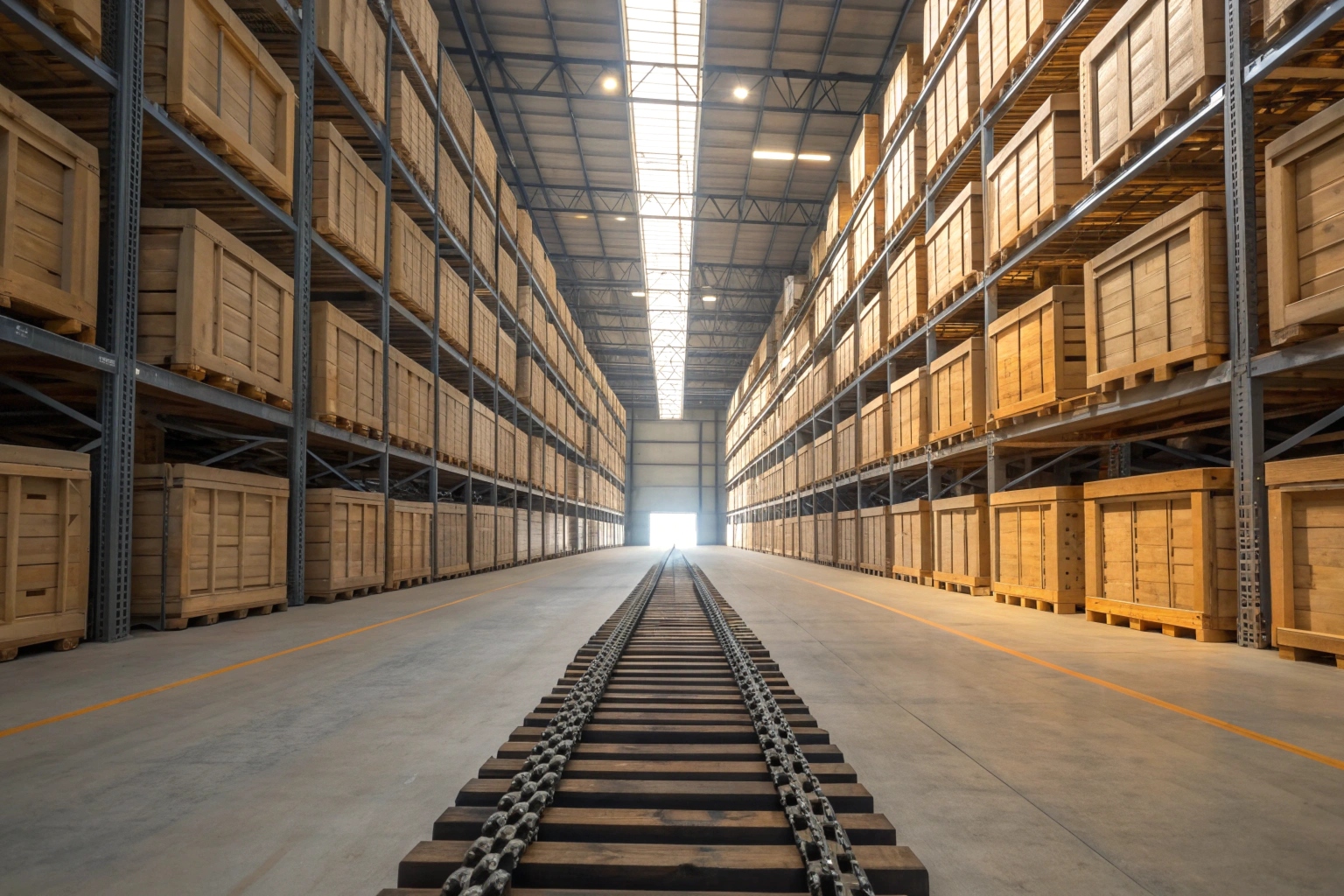
In a standard Dingtai safety stock 6 program, we hold about three months of inventory for you. We keep this stock in our finished goods warehouse. As long as it sits there, it is usually our asset, not yours. You only pay for it when you send a release order 7. For example, if you suddenly get a large order from a mining company, you call us, and we ship the safety stock immediately. That is the moment you get the invoice.
However, we must have an "expiry" rule. We cannot hold "Safety Stock A" forever if you only keep ordering "Model B." Most agreements state that after a certain period—let's say 90 or 120 days—any old safety stock must be shipped to you. This keeps the inventory fresh and prevents parts from sitting so long they might develop surface rust 8 or become obsolete.
Inventory Ownership & Payment Milestones
| Stage | Physical Location | Legal Ownership | Payment Status |
|---|---|---|---|
| Production | Factory Floor | Manufacturer | Unpaid |
| Safety Stock Storage | Manufacturer Warehouse | Manufacturer | Unpaid |
| Release Trigger | In Transit | Usually Buyer (FOB/CIF) | Invoiced |
| Aged Stock (>90 days) | Manufacturer Warehouse | Buyer | Invoiced/Must Ship |
This system gives you the best of both worlds. You have the security of a full warehouse without the immediate "cash hit" of buying everything at once. It’s a powerful tool for managing your company’s balance sheet 9.
What is the Process for Adjusting My Forecast or Models?
Business changes fast. I know that a mining project can be canceled or a new construction boom can start overnight. Your agreement needs to be flexible enough to handle that.
The process for adjusting a forecast involves a "Rolling Forecast" system where changes can be made with a notice period—typically 30 to 60 days. For changing models, the agreement allows for a "Product Swap" as long as the total contract value remains similar and the manufacturer hasn't already started custom production.

If you need to change your forecast, we usually handle it during our monthly or quarterly review meetings. If you see that you need more D6 track shoes and fewer D7s, you just update the spreadsheet. As long as we haven't started the heat treatment or final assembly for the old models, we can usually pivot the production line. The key is the "Notice Period." Because it takes time to forge steel and process parts, we need about 60 days of lead time for major changes.
For new models, our technical team at Dingtai gets involved. We look at the drawings and specs you need. If the new model is within our manufacturing capability—which it almost always is for Caterpillar, Komatsu, or Hitachi types—we simply add it to the annex of the contract. We check if the price needs to be adjusted based on the metal weight calculator 10, and then we update the safety stock levels for the next quarter.
Steps to Modify Your Annual Plan
- Notification: Send an updated forecast file via email to your account manager.
- Impact Analysis: We check what is already in production and what raw materials are in stock.
- Technical Review: If it's a new model, our engineers confirm the OEM compatibility.
- Amendment: We sign a simple one-page amendment to the contract to reflect the new parts and prices.
- Implementation: The new schedule is loaded into our production ERP system immediately.
I believe in transparency. If a change is going to cause a delay or a cost increase, I will tell you upfront. We want to be your partner for twenty years, not just one order. Clear communication during these adjustments is what builds that long-term trust.
Conclusion
An annual supply agreement with safety stock is the best way to secure your supply chain and lock in costs. It offers peace of mind through fixed pricing and guaranteed availability while requiring clear forecasting from your side.
Footnotes
1. Learn how market volatility affects industrial material pricing and supply chains. ↩︎
2. Guide to modern logistics management for global equipment part distribution. ↩︎
3. Best practices for demand forecasting to optimize inventory levels and reduce waste. ↩︎
4. Overview of alloy steel properties and its applications in forging heavy-duty parts. ↩︎
5. Strategies for setting wholesale pricing to maintain healthy margins for distributors. ↩︎
6. Deep dive into safety stock calculations and its role in risk mitigation. ↩︎
7. Understanding the legal and operational use of a release order in warehousing. ↩︎
8. Technical advice on preventing surface rust during long-term storage of steel parts. ↩︎
9. How to manage a balance sheet by optimizing inventory and cash flow. ↩︎
10. Use a metal weight calculator to estimate shipping costs and material needs. ↩︎