
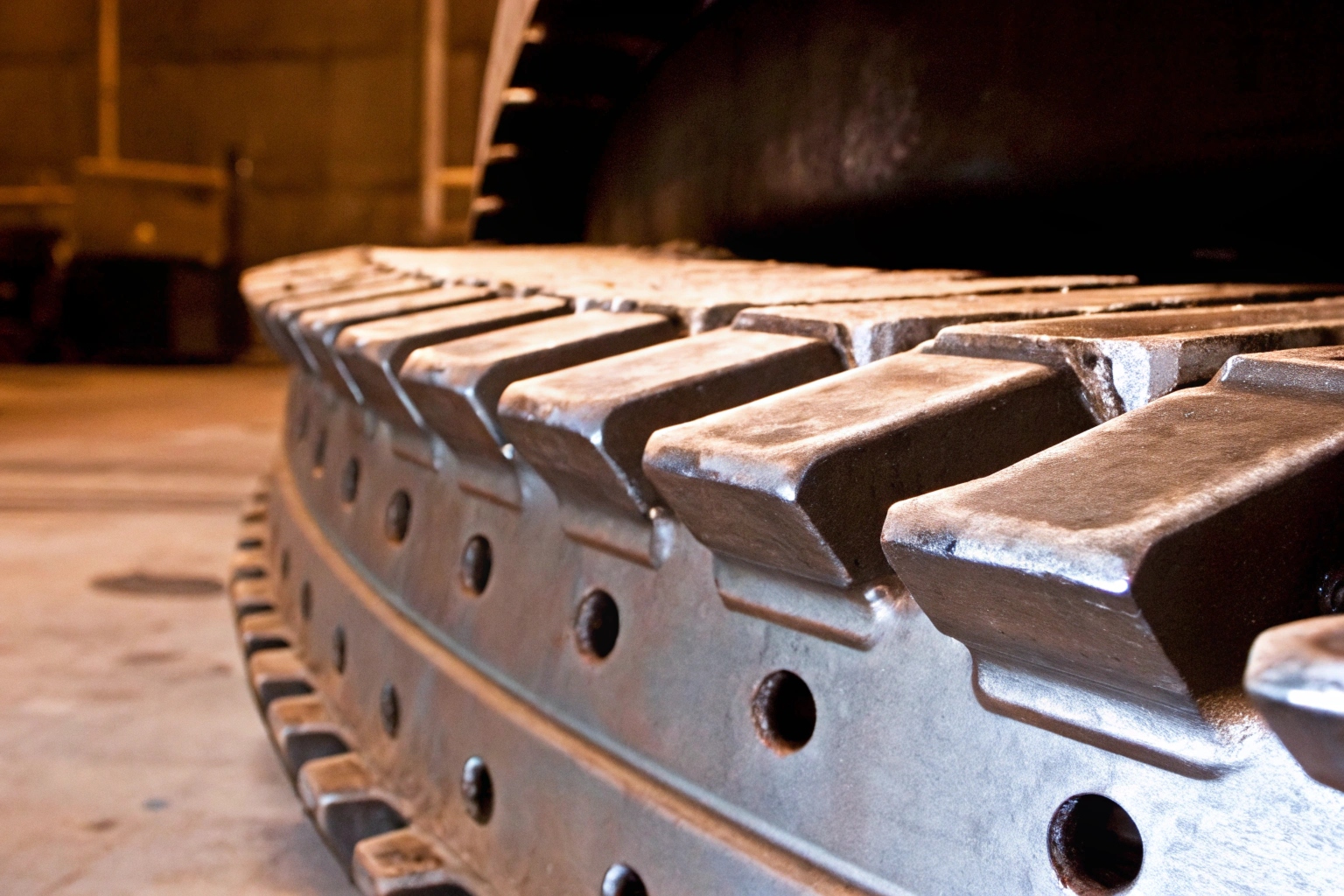
Have you ever found yourself needing track shoe assemblies 1 that are a bit more robust or unique to meet specific operational demands 2? I know I've struggled with standard equipment not quite fitting the bill.
Manufacturers do offer track shoe assemblies customized for specific needs, including thicker grousers, special hole patterns, and upgraded materials. These customizations enhance durability and ensure compatibility with tailored machinery or unique conditions.
But the question always remains: are these options really feasible, or just another marketing promise?
What is the minimum order quantity (MOQ) for a fully custom-designed (non-standard) track shoe?
When it comes to custom track shoes, you might think that manufacturers shy away from low-volume orders. I've certainly worried about minimum order quantities 3 myself in the past.
The minimum order quantities for fully customized track shoes can vary but are often set based on manufacturing processes. These MOQs are determined by factors like material availability, production costs, and complexity of design. Contacting suppliers directly is the best approach to determine specific MOQ values.
Enter the realm of MOQ discussion, where supplier relationships 4 and negotiation skills come into play. Understanding MOQ often drives flexibility in design choices.
Factors Affecting MOQ
- Material Complexity: More intricate designs or unique materials likely increase MOQ.
- Production Cost: Lower total production costs 5 can mean higher MOQ.
- Supplier Capabilities: Each supplier has different production capacities influencing MOQ.
Table of typical MOQ ranges for custom track shoes:
| Design Complexity | MOQ Range |
|---|---|
| Standard Custom | 100-300 units |
| High Complexity | 500-800 units |
| Specialized Material | 800-1000+ units |
Approaching suppliers with clarity in your requirements can streamline negotiations for MOQs that meet operational and budgetary constraints.
How does upgrading the material (e.g., to a high-boron steel) affect the final cost and durability?
Have you ever had your equipment wear 6 out faster than you'd expect, despite high expectations for its longevity? I've had my frustrations, and who hasn't?
Upgrading track shoe material to premium options like high-boron steel enhances durability, reducing wear and extending life spans. However, it also escalates costs due to higher manufacturing expenses and material scarcity. Assessing cost-effectiveness involves evaluating life-extension benefits against increased expenditure.
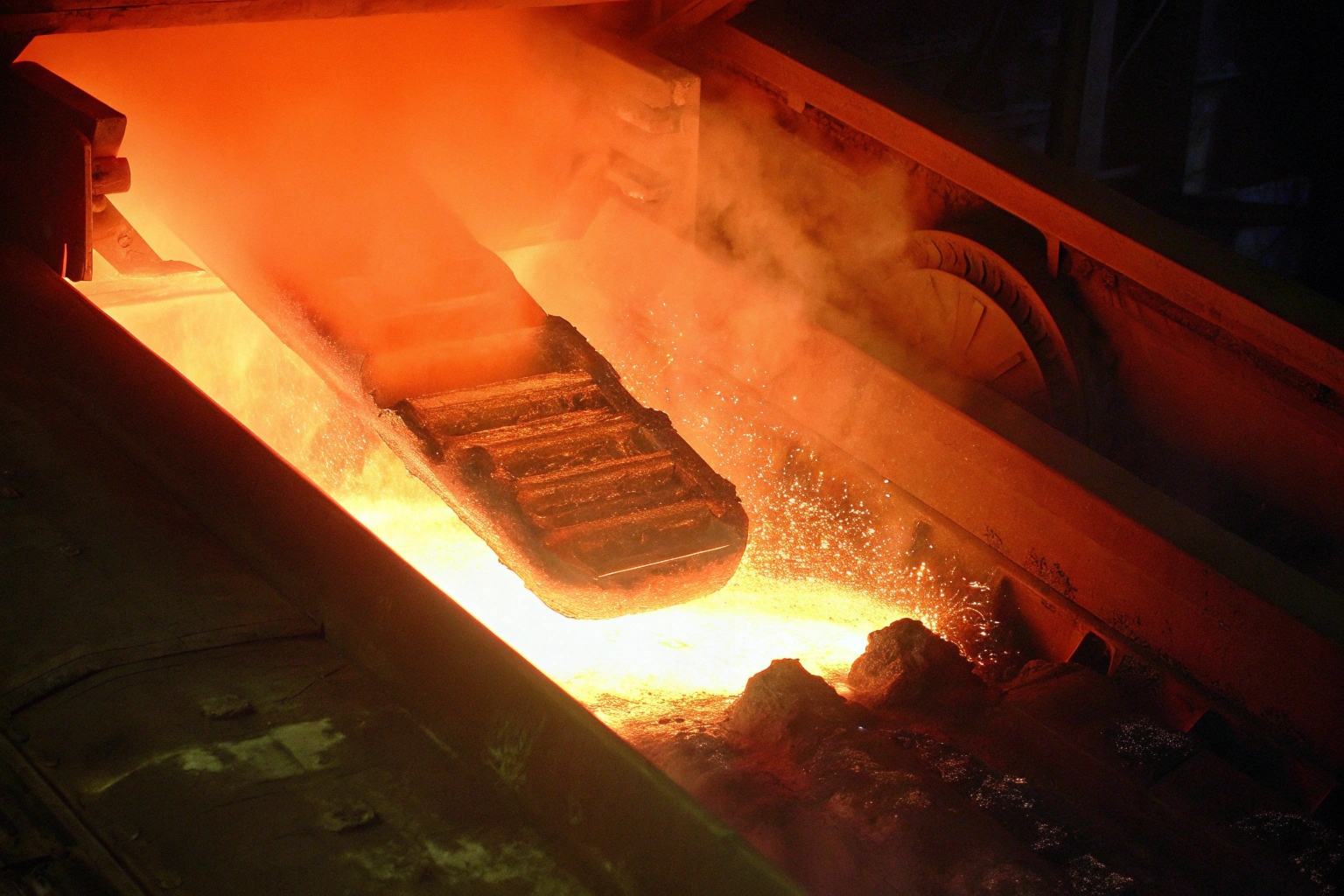
Material Upgrades: Cost versus Durability
Cost Impact: High-end materials increase initial costs, up to 20-35% more than standard steels.
Durability Benefits: Such materials offer superior wear resistance 7 and toughness, potentially adding years to the shoe's active service life.
Table comparing standard vs upgraded material costs:
| Material Type | Cost Increase | Durability Improvement |
|---|---|---|
| Standard Steel | Base Cost | Typical wear resistance |
| High-Boron Steel | +20-35% | 2-3 times better wear resistance |
Choosing premium materials often pays off in the long run by decreasing frequency of replacements and ensuring efficient operation.
Will I need to pay for new tooling or molds for my custom design, and do I own them?
Ever felt caught in the struggle between choosing custom designs and dealing with the hidden costs of specialized tooling 8 and molding? I've faced these dilemmas, and the potential for extra expenses always worries me.
In many cases, customers bear the initial cost for tooling and molds necessary for custom designs. Ownership of these tools depends on contractual agreements with suppliers. Clear communication about ownership rights helps in determining whether design changes allow retention of proprietary molds or if continued investment is necessary.
Negotiating Tooling Costs and Ownership
Initial Costs: Tooling costs can vary from moderate investments to significant expenditures depending on design complexities.
Ownership Terms: Terms are usually defined in contractual agreements 9, determining whether molds remain customer property or suppliers retain them for subsequent orders.
Table summarizing tooling considerations and ownership scenarios:
| Tooling Aspect | Typical Costs | Ownership Rights |
|---|---|---|
| Simple Designs | Lower tooling costs | Often retained by suppliers |
| Complex Designs | Higher tooling costs | May become customer-owned with negotiation |
Engaging with suppliers on tooling discussions is essential to clarify initial expenditures and ongoing use rights.
How long does the R&D and sampling process take for a brand-new custom part?
Finding yourself in anticipation during the developmental phase can be frustrating, especially when business needs are on the line. I've been there, waiting for essential components to be perfectly catered to our operations.
The R&D and sampling timeline for custom parts typically spans several months, depending on complexity. Factors such as design intricacies, testing requirements, and material sourcing contribute to extended periods, often ranging from 6 to 12 months. Efficient communication with suppliers accelerates this process.

Understanding R&D Timelines
Getting a clearer picture of R&D timing is crucial. Custom designs often require iterative development involving:
- Design Validation: Initial design phase can take weeks or months.
- Prototype Testing 10: Creating and evaluating prototypes typically takes several months.
- Final Adjustments: Ensuring design tweaks based on testing and feedback can prolong timelines.
Table sample timeline for custom R&D phases:
| Phase | Estimated Timeline |
|---|---|
| Design Validation | 1-2 months |
| Prototype Testing | 3-6 months |
| Final Adjustments | 1-4 months |
Engagement with suppliers to understand each phase duration helps in aligning expectations and planning accordingly.
Conclusion
Customization is indeed a viable option, offering innovative track shoe assemblies suited to specific demands in durability, patterning, and design intricacies. It's all about finding the right supplier to cater to specific needs effectively.
Footnotes
1. Explanation of continuous track mechanics and component functionality. ↩︎
2. Insights into operational challenges in heavy machinery sectors. ↩︎
3. Definition and business impact of minimum order quantities. ↩︎
4. Strategies for building strong, collaborative supplier partnerships. ↩︎
5. Breakdown of manufacturing expenses affecting final product pricing. ↩︎
6. Guide to identifying and managing construction equipment wear. ↩︎
7. Technical overview of material hardness and friction resistance. ↩︎
8. Analysis of tooling expenses in custom manufacturing projects. ↩︎
9. Best practices for managing procurement contracts and terms. ↩︎
10. Importance of prototyping in product development and quality assurance. ↩︎