
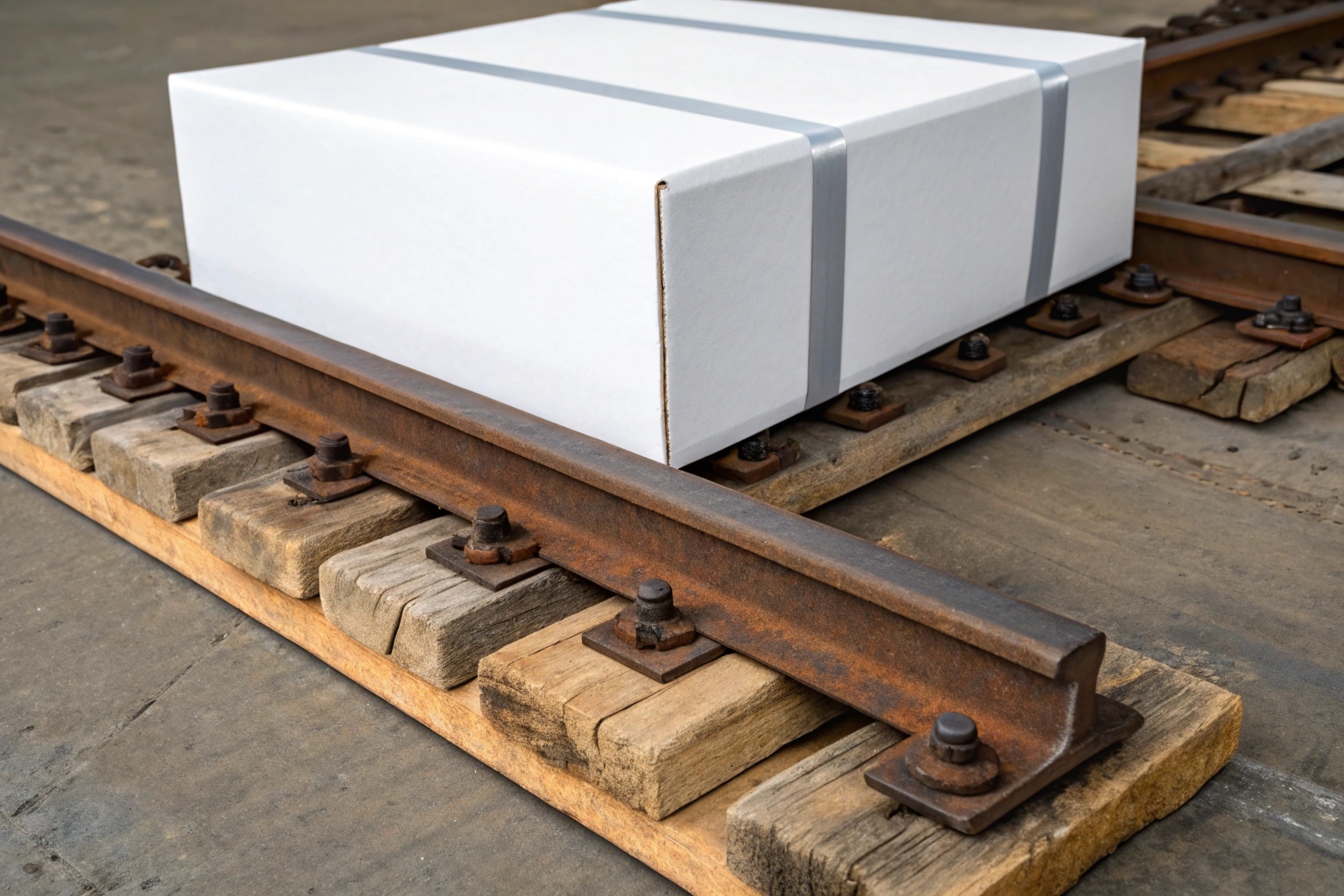
I know the frustration of receiving heavy track shoe assemblies with vague, generic markings. It slows down your receiving team, creates inventory chaos, and looks unprofessional to your customers. Let's fix that process together.
Yes, we fully support customizing labels for track shoe assemblies. We can print your specific model numbers, batch codes, and barcodes directly on the packaging. This ensures seamless integration with your inventory system 1 and enhances brand visibility from our factory in China to your warehouse in the US.
Let’s explore how tailored labeling solutions can streamline your operations and protect your brand reputation.
Can you print labels with my own internal part number and a scannable barcode?
You shouldn't have to relabel heavy pallets when they arrive at your facility. Using your internal codes from the start saves time and eliminates manual errors in your warehouse.
Absolutely. We can print labels featuring your internal SKU numbers alongside industry-standard barcodes like Code 128 or Code 39. This customization allows your receiving team to scan incoming shipments immediately, matching them to your purchase orders without any cross-referencing or manual data entry.

When we ship track shoe assemblies from our factory in Fujian to your distribution center, the journey is long and tough. The packaging must withstand humidity, friction, and handling. But beyond physical protection, the information on the package is just as critical. We understand that as a distributor, you have your own system. You likely use specific part numbers that differ from ours or the OEM standard.
We believe that your efficiency starts at our production line. By applying your internal part numbers directly to the packaging, we remove a massive bottleneck from your operations. You do not need to pay staff to peel off old labels and stick on new ones.
The Importance of Barcode Standards
We typically support the most common industrial barcode standards. Whether you use Code 128 2 for its high density of information or Code 39 3 for its simplicity, we can generate these codes based on your data.
| Barcode Type | Best Use Case | Data Capacity |
|---|---|---|
| Code 128 | General logistics, shipping labels | High (Alphanumeric) |
| Code 39 | Automotive and heavy machinery parts | Medium (Alphanumeric) |
| UPC/EAN | Retail point of sale (less common for B2B) | Low (Numeric only) |
Durability of the Print
Because these parts are heavy steel components, we do not use standard office paper for labels. We use industrial-grade synthetic materials, such as polyester or polypropylene 4. These materials are resistant to moisture, oil, and tearing. The printing method we use is typically thermal transfer 5. This ensures that the barcode lines remain sharp and scannable even after weeks at sea. If a barcode is scratched or faded, your scanner cannot read it, and the efficiency is lost. We ensure that does not happen. We can also place labels in clear protective pouches on the side of the pallets or crates for extra security.
Is it possible to add a QR code that links to my website or an installation guide?
Paper manuals often get lost, wet, or damaged on muddy job sites. Providing digital access to technical data adds immense value for your customers and reduces support calls.
Yes, incorporating dynamic QR codes 6 is a powerful way to connect physical parts to digital resources. We can print codes that link directly to your installation videos, technical specifications, or warranty registration pages, giving your customers instant access to vital information via their smartphones.

In the modern aftermarket, you are not just selling steel; you are selling a solution. A QR code is a small square that adds huge value to your brand. When a mechanic is in the field replacing a track shoe, they might have questions about torque settings or proper tensioning. If they have to search Google, they might find wrong information. If they scan your box, they get your expert advice.
Bridging the Gap to Digital Support
We can generate QR codes that point to any URL you provide. This is excellent for customer retention. For example, the code could link to a "Reorder Page" on your website. When the part wears out in a few years, the customer scans the old box or their records and orders from you again.
Reducing Warranty Claims
A major pain point for distributors like you is warranty claims caused by improper installation. By linking the QR code to a PDF guide or a video tutorial, you ensure the mechanic does the job right.
| QR Code Destination | Benefit to Distributor | Benefit to End-User |
|---|---|---|
| Installation Video | Reduces "defective" claims due to user error | Visual, easy-to-follow guide |
| Tech Spec Sheet | Saves time answering technical emails | Instant access to torque/dimension data |
| Warranty Page | Captures customer data for marketing | Simplifies the registration process |
Dynamic vs. Static Codes
We recommend using "dynamic" QR codes. This means we print a code that links to a redirect service. If you change your website URL or update a video file next year, you do not need to reprint the labels. You just update the link in your system, and the old QR codes on the boxes still work. This flexibility is crucial for long-term inventory.
What are my options for anti-counterfeit labels to protect my brand in the aftermarket?
Seeing cheap, inferior copies sold under your reputable brand name is infuriating. It damages your hard-earned reputation and eats into your profits. You need a way to prove authenticity.
We offer several robust anti-counterfeit labeling options, including holographic overlays 7, void-open materials, and encrypted verification codes. These security features make it extremely difficult for unauthorized replicators to copy your packaging, ensuring your customers know they are buying your genuine, high-quality chassis parts.
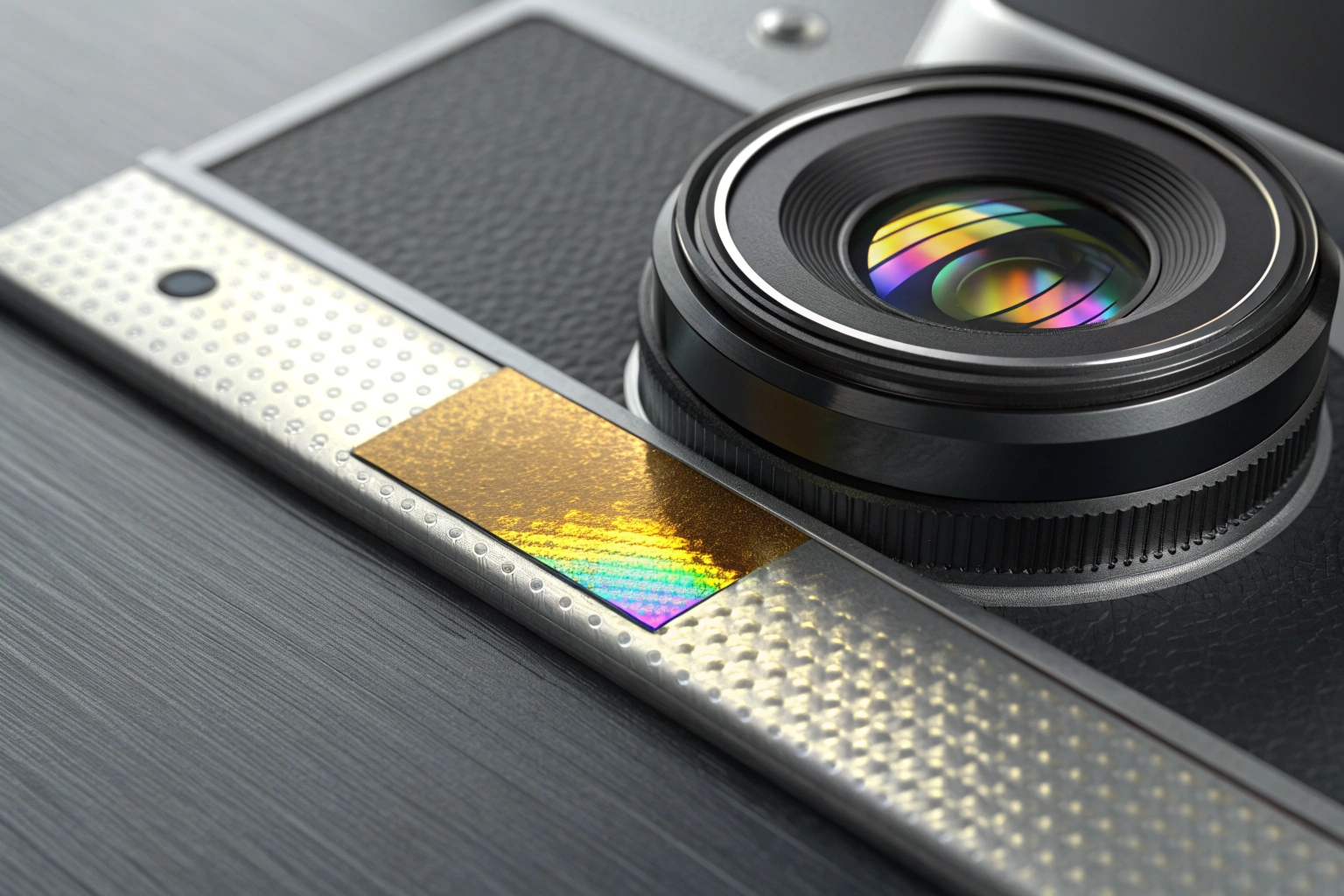
The undercarriage market is full of "look-alike" products. Since you invest heavily in quality control and engineering, you need to protect that investment. Anti-counterfeit labels serve as a certificate of authenticity for every track shoe assembly you sell.
Types of Security Labels
We can integrate different layers of security depending on your budget and risk level. The most common is the "VOID" material. If someone tries to peel the label off a genuine box to stick it on a fake one, the label separates and leaves the word "VOID" on the packaging. This tamper-evidence is a strong deterrent.
Holographic Elements
We can also use hot-stamping foil to add holographic elements. These are very hard to scan or photocopy. When a customer sees a label with a shifting 3D image or your logo in gold foil, they immediately associate it with a premium product.
Serialized Tracking
For the highest level of security, we can print a unique serial number on every single label.
| Security Feature | How It Works | Difficulty to Copy |
|---|---|---|
| Tamper-Evident (VOID) | Leaves residue/text if peeled | Medium |
| Holographic Foil | Visual 3D effects | High |
| Unique Serialization | Each label has a unique ID | Very High |
By using unique serial numbers, you can track exactly which batch a specific part came from. If a customer claims a part failed, you ask for the serial number. If that number does not exist in your database, you know it is a fake. This protects you from fraudulent warranty claims and helps you identify where counterfeit goods might be entering your market.
Will this custom labeling integrate directly with my warehouse management system (WMS) for receiving?
Manual data entry is the enemy of efficiency and accuracy. If your WMS cannot read our labels, your receiving dock becomes a bottleneck. We ensure our data speaks your language.
We design our label data structures to be fully compatible with major Warehouse Management Systems (WMS) 8. By coordinating data fields and barcode formats during the order process, we ensure your scanners recognize the package immediately, automating the receiving process and updating your inventory in real-time.
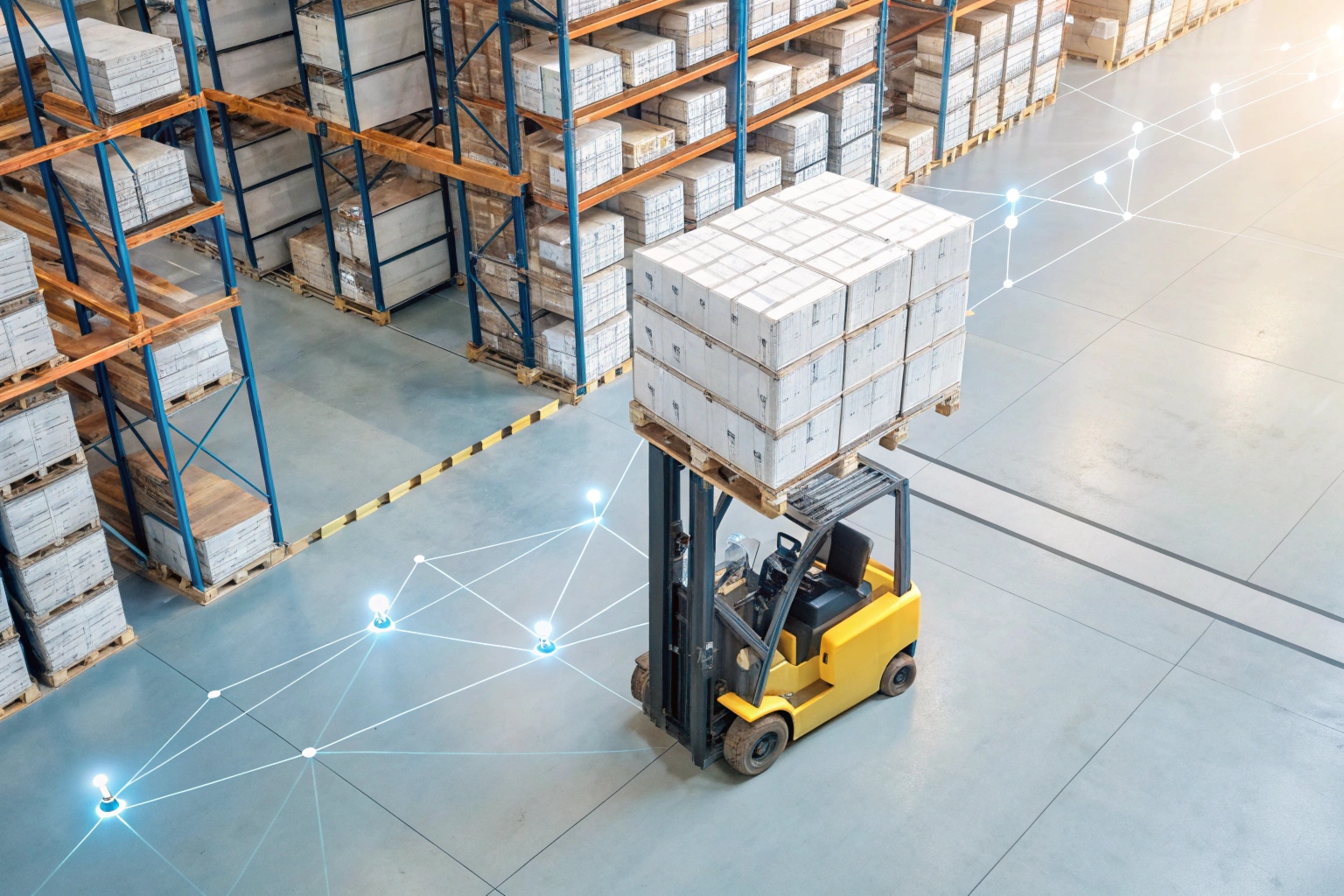
Integration is the key to a modern supply chain. We know you likely use systems like SAP 9, Oracle 10, or specialized logistics software. These systems expect data in a specific order. If our label puts the "Batch Number" where your system expects the "Part Number," your scanner will reject it.
The Coordination Process
Before we start mass production, we act as your partner. We will ask you for a sample of a label that works perfectly in your warehouse. Or, we can ask for your "Vendor Compliance Manual." Our technical team will review your requirements for barcode height, quiet zones (the white space around the barcode), and data identifiers.
Eliminating the "Relabeling" Step
Many importers have a "quarantine" area where goods sit while warehouse staff print new labels. This takes up space and costs money. By ensuring our labels map 1:1 with your WMS, your forklift drivers can take pallets directly from the container to the rack.
Data Identifiers (DIs)
We use standard Data Identifiers (like ANSI MH10.8.2). For example, a part number might start with the prefix "P," and a quantity might start with "Q."
- P12345 (Part Number)
- Q50 (Quantity)
When your scanner reads this, it knows exactly which string of numbers belongs to which category in your database. This level of detail eliminates human error. You will never have a situation where a batch number is accidentally recorded as a quantity. We test these barcodes at our facility in China before shipping to ensure they scan correctly on the first try when they reach the US.
Conclusion
Custom labels are more than just stickers; they are tools for efficiency and brand protection. At Dingtai, we ensure your packaging works as hard as the steel inside it.
Footnotes
1. Definition of inventory management systems and their role in logistics. ↩︎
2. Technical specifications for the high-density Code 128 barcode format. ↩︎
3. Overview of Code 39, a common barcode standard for industrial use. ↩︎
4. Properties of polypropylene making it ideal for durable industrial labels. ↩︎
5. Explanation of thermal transfer printing for long-lasting label durability. ↩︎
6. Comprehensive guide to how Quick Response (QR) codes function. ↩︎
7. How security holograms are used to prevent product counterfeiting. ↩︎
8. Definition and benefits of software for managing warehouse operations. ↩︎
9. Official site for SAP, a leading provider of enterprise software solutions. ↩︎
10. Information on Oracle’s cloud applications and supply chain management tools. ↩︎