
Are track shoe assemblies cast, forged, or roll-formed (rolled steel), and which manufacturing process is more durable?
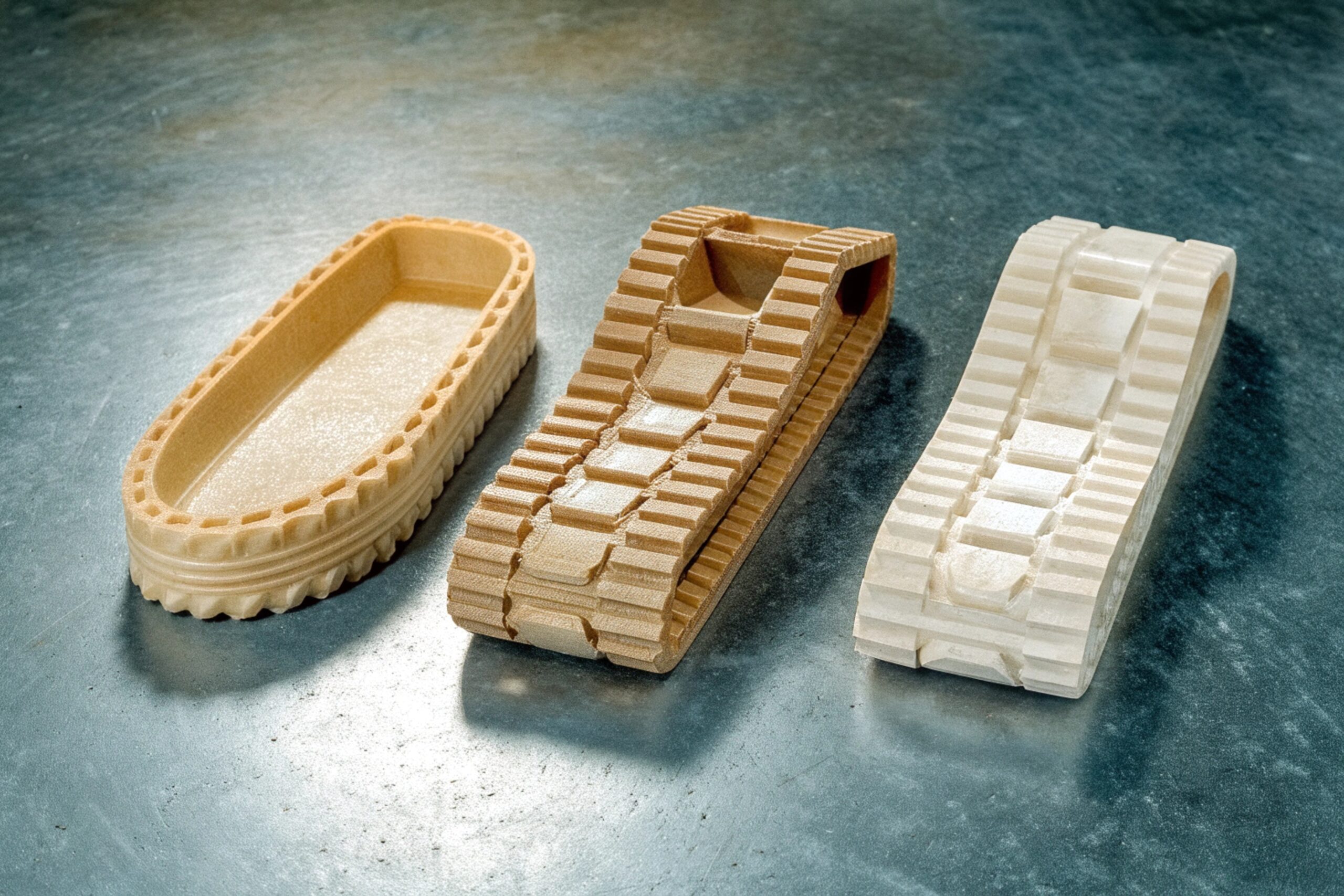
Track shoe assemblies 1 are essential to the performance and durability of heavy machinery 2, particularly excavators and bulldozers 3. Over the years, I have realized how critical it is to choose the right manufacturing process based on the application's demands, but confusion often arises regarding optimal choices.
The primary methods of manufacturing track shoe assemblies are casting, forging, and roll-forming. Forged assemblies are often preferred due to their enhanced strength and durability, offering superior performance under heavy stress and wear conditions. Forging compacts the metal, aligns its grain structure 4, and enhances impact resistance 5, making it ideal for harsh environments like quarrying or mining.
Choosing the correct manufacturing process is critical for ensuring that the machinery performs well and requires less maintenance. This choice can also impact operational costs significantly. Below, I delve into the specifics of each method, helping to clarify the advantages and potential drawbacks, leading to more informed purchasing decisions.
What are the main advantages of a roll-formed (rolled steel) track shoe compared to a cast one?
Roll-formed track shoes are becoming more popular due to their precision in physical dimensions and balanced performance. I understand the challenges of selecting materials that meet both cost and durability expectations.
Roll-formed (rolled steel) shoes offer smoother and more consistent dimensions compared to cast alternatives. They are typically manufactured from high-carbon or boron alloy steel 6, ensuring stability and wear resistance under regular conditions. This process reduces internal defects like inclusions 7, which can compromise durability.
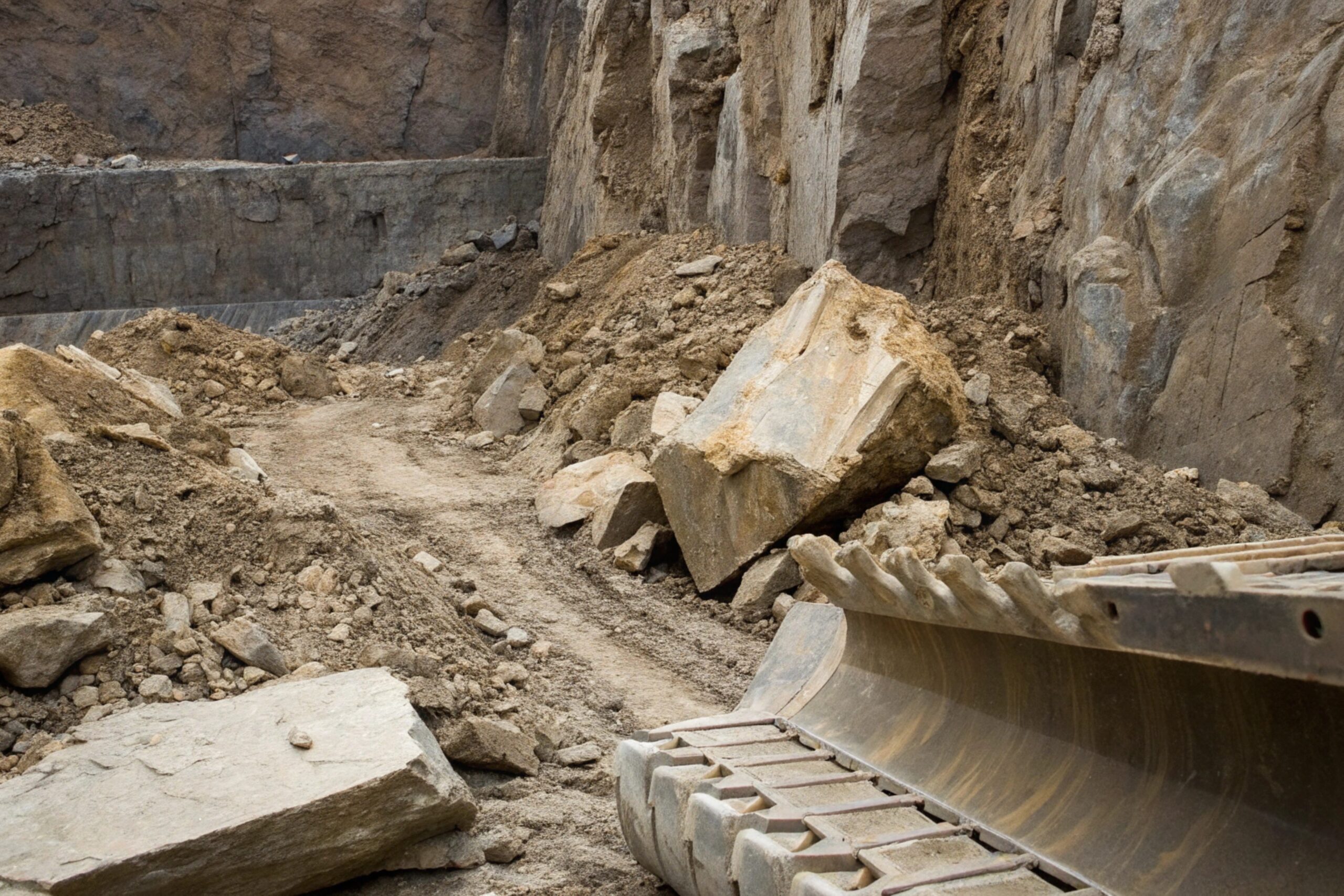
Analyzing Roll-Formed Track Shoes
Roll-formed steel is chosen for applications involving moderate stress, where precision and consistent quality are critical. While roll-forming provides less maximum strength compared to forging, it remains a cost-effective choice for standard machinery tasks. The process ensures uniform internal structures, reducing brittleness and improving wear resistance. However, additional considerations must be made for compatibility, as some specialized designs may require specialized rolled steel inputs.
Furthermore, roll-formed products can often be adapted more easily to different sizes and specifications, allowing for flexibility in manufacturing processes. This method enables manufacturers to optimize production for specific types of equipment rather than limiting design possibilities to accommodate the manufacturing process itself.
Comparative Table: Roll-Forming vs Casting
| Feature | Roll-Formed Track Shoe | Cast Track Shoe |
|---|---|---|
| Durability | Moderate, suitable for standard loads | Lower, more susceptible to impacts |
| Dimensional Control | Precise and consistent | Potential for minor variegations |
| Cost Effectiveness | Generally less expensive | Cost savings for simple designs |
| Wear Resistance | Good for regular use | Typically lower, might require enhancements |
Are cast track shoes more prone to cracking or breaking under high-impact conditions (like in a quarry)?
The vulnerability of cast track shoes under impact conditions is a significant point to consider when selecting materials. I often encounter concerns about the choice between durability and cost-effectiveness.
Cast track shoes often have lower tensile strength 8 and can crack under sudden, high-impact loads experienced in abrasive environments like quarries 9. It's crucial to weigh these trade-offs given the intended application.
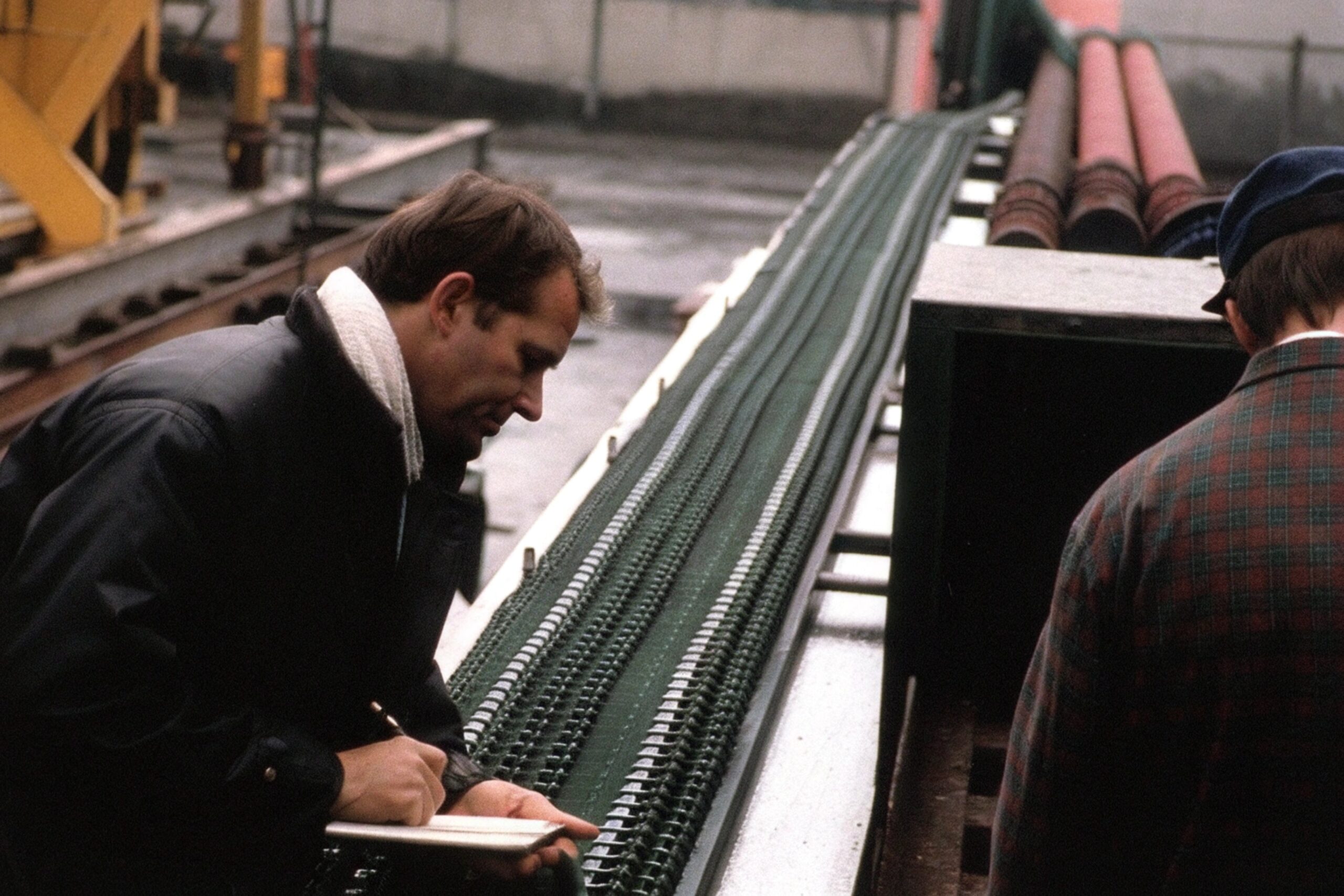
Dive Into Casting Durability
Casting is favored for its ability to produce complex shapes without incurring excessive manufacturing costs. It is suitable for scenarios where less critical wear life is acceptable or where operational environments aren't extremely demanding. The process can be enhanced with additives or by improving existing methods to address weaknesses like brittleness or fracture risk.
For example, manufacturers may incorporate internal structural reinforcements to offset cracking risks. They can achieve this by using special materials and optimizing casting techniques. These steps make cast shoes a viable option for some situations, even though they might not be comparable in strength to forged variants. It's critical to assess operational requirements and choose the appropriate type according to the equipment's expected load and stress conditions.
Failure Mode Comparison: Cast vs Forged
| Attribute | Cast Track Shoe | Forged Track Shoe |
|---|---|---|
| Stress Response | More likely to fracture | May deform without breaking |
| Manufacturing Flexibility | Higher for complex shapes | Limited to basic shapes |
| Lifetime in Harsh Conditions | Shorter, prone to sudden failure | Extended, durable under stress |
How can I tell if a track shoe I receive is cast or roll-formed just by looking at it?
Distinguishing between cast and roll-formed track shoes through visual inspection can be practical and informative. I have often needed quick identification methods while assessing inventories and incoming shipments.
One way to differentiate is by examining surface features and edges. Roll-formed shoes tend to have smoother, more precise dimensions and consistent surface textures. In contrast, cast shoes may exhibit slight inconsistencies or roughness along the edges due to the nature of the casting process.
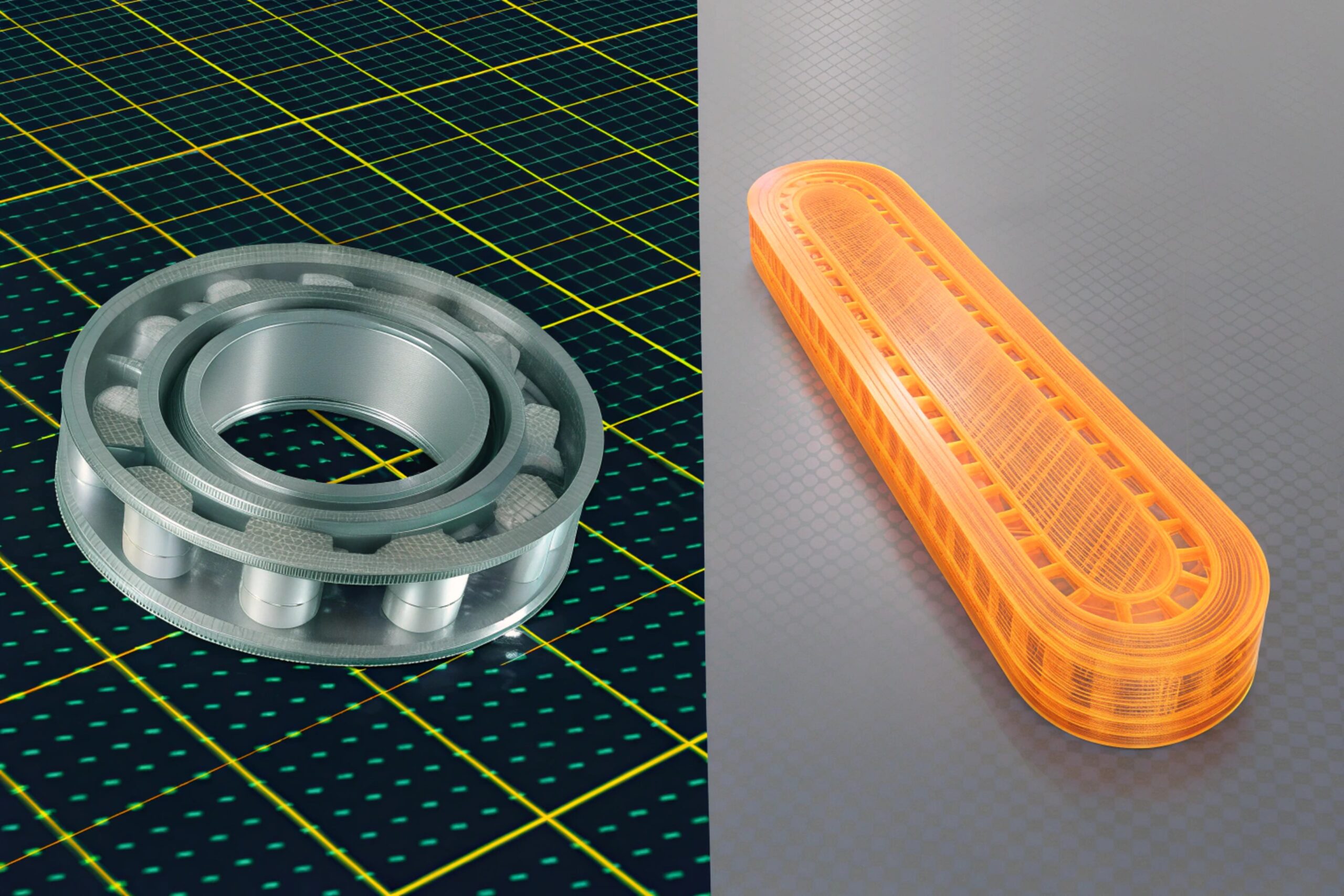
Visual Differentiation Guide
The manufacturing method shapes the surface characteristics and structural uniformity significantly. Observing factors such as surface granularity, edge uniformity, and features like indents can offer clues about the method used. Roll-formed products often show cleaner and clearer position with nearly identical dimensions throughout each batch, whereas cast items might reveal variable attachment points or slight surface texture variegations.
An additional examination of any leftover manufacturing marks or stamped details can also aid recognition. Occasionally, the presence of specific identifiers or codes can denote manufacturing methods used, simplifying inventory management and categorization processes.
Table: Identifying Features
| Feature | Cast Track Shoe | Roll-Formed Track Shoe |
|---|---|---|
| Surface Texture | Rougher, possible inconsistencies | Smooth, consistent |
| Dimensions | Minor variegations | Precise and uniform |
| Edge Detail | Possible rough edges | Smooth and clean |
| Manufacturing Marks | Occasional identifiers available | Typically clear and well-stamped |
Does the manufacturing process (e.g., casting vs. rolling) significantly change the final price?
The impact of manufacturing processes on pricing is an important consideration when sourcing components for machinery. Effective cost management can lead to higher returns and increased operative efficiency. I've paid close attention to these dynamics over years in the industry.
Casting is usually a more cost-effective process than forging due to lower complexity and tooling requirements. However, roll-forming typically presents lower costs than forging as well but might not match the strength needed for certain applications.
Breaking Down Manufacturing Costs
Pricing is heavily influenced by the process complexity, material costs, and the performance demands of the final product. Although casting is cheaper, it may require further enhancement to suit specific applications. Roll-forming offers economies of scale 10, reducing costs, especially when operations demand high precision but face lesser stress.
Each method possesses a distinct cost structure, which should be aligned with anticipated performance requirements and budget allocations. This alignment ensures optimized production expenditure while safeguarding operational efficiency. Understanding the financial implications assists in making strategic decisions that balance cost and product quality effectively.
Cost Analysis Table
| Manufacturing Process | Average Cost | Application Suitability |
|---|---|---|
| Casting | Lower, less tooling needed | Suitable for simple, non-critical tasks |
| Forging | Higher due to complexity | Required for heavy-duty environments |
| Roll-Forming | Moderate | Precision needed with reduced stress |
Conclusion
In summary, selecting the right manufacturing process for track shoe assemblies requires weighing the durability, cost, and application needs. Understanding these factors can lead to optimal component selection, ensuring machinery performs effectively under anticipated conditions.
Footnotes
1. Overview of track shoe assemblies and their role in heavy machinery undercarriages. ↩︎
2. Learn about the different categories and uses of heavy machinery in construction. ↩︎
3. A guide to the primary functions of excavators and bulldozers. ↩︎
4. Explanation of how a metal's grain structure impacts its overall strength. ↩︎
5. Defining impact resistance and why it matters for industrial components. ↩︎
6. Learn the properties and benefits of using high-carbon and boron alloy steels. ↩︎
7. Understanding how internal defects like inclusions can lead to material failure. ↩︎
8. What tensile strength means and how it's measured in materials. ↩︎
9. See how abrasive environments like quarries accelerate equipment wear. ↩︎
10. Explaining the concept of economies of scale in manufacturing processes. ↩︎