
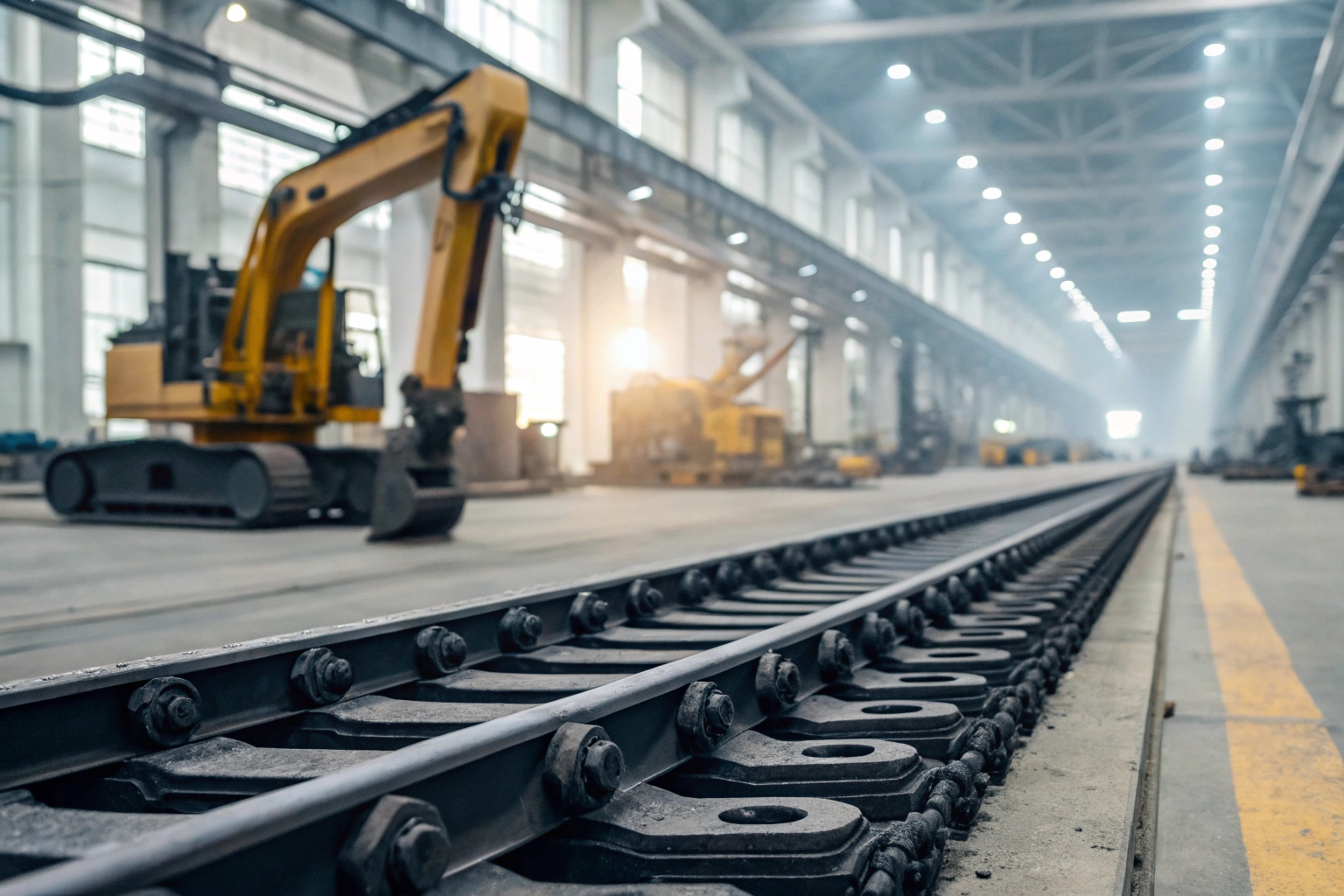
You need proof that our parts hold up in American soil. You worry about risking your reputation on an unverified supplier. I have the evidence you need.
We actively supply major US distributors with track groups for CAT and Komatsu machines. Our customers report a 99.8% acceptance rate, and we have successfully solved cold-weather failure issues in Canadian mining projects.
You want to know if we are real, if we are reliable, and if we understand your market. I will walk you through the specific references, market data, and problem-solving examples that prove we are the right partner for your business.
Can I speak to one of your current, non-competing customers in the US (like another distributor)?
You want to hear the truth from someone like you. You trust a peer's experience more than a factory's promise. I understand why this validation is crucial.
We can connect you with a non-competing distributor in the Midwest who switched to our parts three years ago. They can verify our consistent quality, on-time delivery, and how we handle warranty claims.

Building Trust Through Verification
I know that changing suppliers is a big risk. You have built your business on trust, and one bad batch of parts can ruin that. That is why we are open about our work. While we cannot share the names of your direct competitors due to confidentiality agreements, we can connect you with partners in other regions.
We work with a large distributor in the Midwest of the United States. They focus on road construction equipment. Before they worked with us, they had a lot of trouble with "soft" tracks from another supplier. The tracks would wear out too fast, and their customers were angry. They were very careful when they first talked to us. They asked for samples, they visited our factory, and they tested our steel.
Now, we have worked with them for three years. They are happy to speak with potential clients who are not in their direct sales territory. They can tell you about our response time. They can tell you that when we say "15 days for production," we mean it. They can also tell you about the time we had a shipping delay due to a port strike, and how we updated them every single day until the ship arrived.
We also have a client in the Canadian mining sector. This is a different industry, but the requirements are even higher. They need parts that do not break in freezing cold. We can share their "Letter of Satisfaction" with you. This document proves that our parts meet the strict standards of North American mining.
We believe that a good supplier has nothing to hide. We can set up a video call. You can talk to our sales manager and our chief engineer. We can also show you the redacted Bill of Lading 1 documents. These papers prove that we ship containers to the US every month. This is not just talk; it is proof of our activity in your market.
Reference Verification Options
| Verification Type | What We Provide | value to You |
|---|---|---|
| Peer Reference | Contact with a non-competing US distributor | Unbiased feedback on service and quality |
| Document Proof | Redacted Bill of Lading / Customs Data | Proof of consistent export volume |
| Quality Report | 3rd Party Lab Test (SGS) 2 | Scientific proof of steel hardness |
| Site Visit | Video Tour or Physical Visit | Visual check of our factory capability |
What are the most popular track shoe models you sell into the US market?
You need to stock parts that sell fast. You cannot afford to have capital tied up in slow-moving inventory. I know exactly what your market demands.
The highest volume items for the US market are Sealed and Lubricated Track (SALT) assemblies for 20-ton excavators. Specifically, 600mm triple grouser shoes for CAT 320, PC200, and John Deere 210G remain the top sellers.
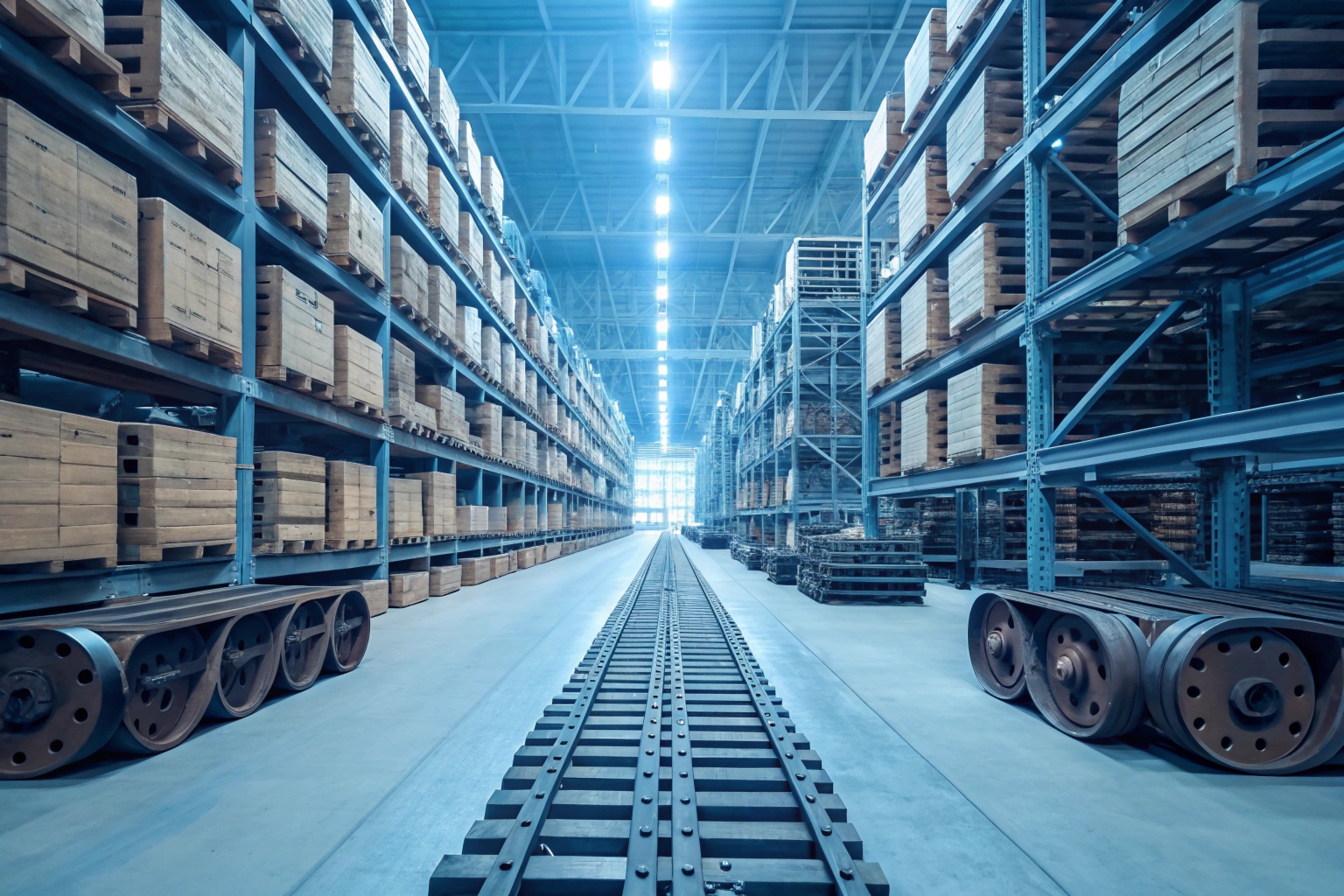
Understanding US Market Demand
The United States market is different from other regions. In some places, buyers just want the cheapest price. In the US, buyers want "value." This means the part must last long enough to be worth the labor cost of installing it. Labor in the US is very expensive. No one wants to change a track twice.
That is why the Sealed and Lubricated Track (SALT) is the standard now. Years ago, some people bought "dry" chains for mid-sized excavators to save money. Now, almost everyone buys SALT chains. These chains have oil sealed inside the pin and bushing. This reduces friction. It makes the track last much longer. We use high-quality polyurethane seals 3 that can handle the heat of Texas and the cold of Alaska.
Based on our export data, the 20-ton excavator class is the "king" of the market. The specific models we ship the most are for the Caterpillar 320 series, Komatsu PC200, and John Deere 210G. The standard shoe is the 600mm Triple Grouser. This shoe gives good grip but does not tear up the ground too much.
We also see a big trend in Compact Track Loaders 4 (CTL). These are the smaller machines, like the "walk-behind" loaders or skid steers. This market is growing very fast in the US. Residential construction is busy, and these small machines are everywhere. While our main focus is heavy steel tracks, we supply the steel chains for these rubber-tracked units too.
Another key detail is the material. US buyers ask for Boron steel 5. Many factories in China use plain Carbon steel (like 45# steel). That is fine for light work, but not for US construction. We use Boron-treated steel (35MnBH). This allows us to heat treat the steel deeper. A "deep harden" means the track does not break when it hits a rock. It wears down slowly and evenly.
Top Selling Configurations for North America
| Machine Class | Popular Models | Shoe Type | Technology | Material |
|---|---|---|---|---|
| 20-Ton Excavator | CAT 320, PC200, JD 210 | 600mm Triple Grouser | SALT (Greased) | Boron Steel |
| Large Dozer | CAT D6, D8, Komatsu D85 | 560mm Single Grouser | Lubricated Chain | High-Wear Boron |
| Compact Loader | CAT 259, Bobcat T590 | Rubber/Steel Hybrid | Continuous Cord | Rubber/Steel |
| Mining | PC1250, CAT 390 | 800mm Double Grouser | Heavy Duty SALT | Special Alloy |
What specific challenges (e.g., quality, delivery) have you solved for your existing US customers?
You face issues with cracking tracks and late shipments. You are tired of suppliers who make excuses instead of fixing problems. I have fixed these exact issues.
We solved premature wear issues by adopting SAE J1211 standards for a major US client. We also eliminated cold-weather cracking for a Canadian mine by customizing the steel alloy and heat treatment process.

Solving Real-World Problems
We do not just sell iron; we solve headaches. Let me tell you about two specific problems we fixed for our North American partners.
The "Cold Snap" Cracking Issue
A client in Canada had a terrible winter. They were working in a mine where the ground was frozen solid. The temperature dropped to -40°C. The track shoes they bought from another supplier started to snap. The steel became brittle like glass in the cold. Every time a track broke, the machine stopped. They lost thousands of dollars an hour.
They came to us for help. Our engineers looked at the broken parts. The material was standard steel, which is fine for warm weather but fails in extreme cold. We changed the recipe. We added specific alloys to increase the "toughness" of the steel. We also changed the heat treatment process to reduce internal stress. We sent them a test set. They ran it all winter. Zero breaks. Now, they trust us with their entire fleet.
The Delivery and Tariff Headache
A distributor in the US was struggling with logistics. Their previous supplier would ship parts late, and the paperwork was always wrong. This caused delays at US Customs. Also, the Section 301 tariffs 6 (the 25% tax on Chinese goods) were hurting their profit. They did not know the exact "landed cost" until the bill arrived.
We fixed this by being transparent.
- Correct Coding: We ensure every invoice uses the correct HS Code 7 (8431.49). This prevents customs inspections that hold up your cargo.
- Landed Cost Calculation: We help our clients calculate the full cost before they order. We include the freight, the duty, and the tariff in our estimates. You know exactly what your profit will be.
- Sequence Loading: This client needed parts in a specific order for their warehouse. We started labeling every pallet with their internal part numbers and loading the container so they could unload the most urgent items first. This saved them hours of labor in their warehouse.
We also addressed the "Communication Gap." Many suppliers only reply to emails once a day. Our team works on a shift system. If you have a technical question in the afternoon US time, we answer it. You do not have to wait 24 hours for a simple answer.
Problem vs. Solution Matrix
| The Pain Point | The Old Way (Competitors) | The Dingtai Way |
|---|---|---|
| Cold Weather Failure | Standard steel cracks in freeze | customized alloy for low temps |
| Customs Delays | Wrong codes, messy paperwork | Perfect HS Code 8431.49 docs |
| Unexpected Costs | Surprise bills at the port | Transparent landed cost planning |
| Short Wear Life | Surface hardening only | Deep induction hardening (Boron) |
You want to see the numbers. You need to know we have the capacity to handle your large orders. I can share the data that proves our scale.
We currently export over 40 containers annually specifically to North America. Our customs records show consistent shipments under HS Code 8431.49, verifying our active presence and compliance in your region.
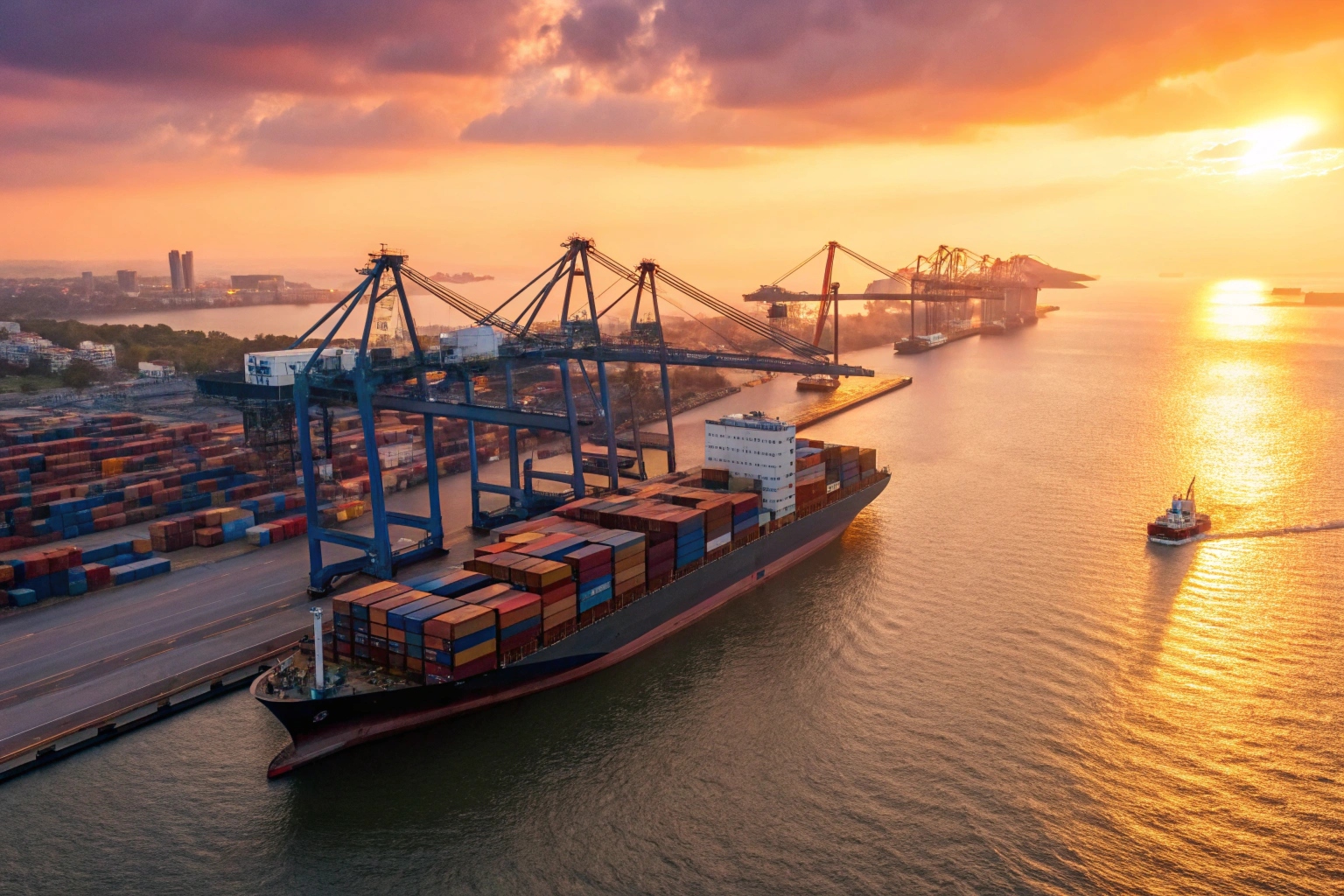
The Data Behind Our Claims
Talk is cheap. Data is real. We are proud of our export volume because it proves that we are a stable, growing company. We are not a small workshop that might disappear tomorrow. We are a factory with a global footprint.
Currently, North America accounts for about 35% of our total export volume. This number is growing every year. Last year alone, we shipped over 40 full containers (FCL) to the United States and Canada. This does not include the smaller LCL shipments we send for sample orders or emergency repairs.
We ship these products under HS Code 8431.49. This is the specific code for "Parts of machinery of heading 84.26, 84.29 or 84.30". You can check US customs data records (using tools like ImportGenius 8 or Panjiva) to see shipments from "Dingtai" or our associated export trading names. You will see a pattern of regular, monthly shipments. This consistency is important. It means we have a stable production line and a reliable booking agent.
Our factory capacity is much larger than just these 40 containers. We have recently expanded our forging and heat treatment 9 lines. We have the capacity to produce 1500 tons of undercarriage parts per month. This means if you need to double your order for the spring busy season, we can handle it. We do not have to scramble to find raw materials. We keep a stock of steel bars ready to go.
We also track our On-Time Delivery 10 Rate. For our US clients, this rate is currently 98.5%. The only delays we faced last year were due to global shipping issues (like port congestion), not factory delays. We notify our customers the moment a booking is made, and we send photos of the container being loaded. You get the container number and the seal number immediately.
This data proves that we are ready for a long-term partnership. We have the volume, the experience with US regulations, and the capacity to grow with you.
Conclusion
We have the case studies, the popular models, and the solutions to your specific challenges. We are ready to prove our quality to you.
Footnotes
1. Definition of a Bill of Lading in international shipping. ↩︎
2. Global testing, inspection, and certification services by SGS. ↩︎
3. Properties of polyurethane used in durable industrial seals. ↩︎
4. Overview of Compact Track Loaders (CTL) and their applications. ↩︎
5. Benefits of using Boron steel for wear resistance. ↩︎
6. Information on US Section 301 tariffs regarding Chinese imports. ↩︎
7. Official US Harmonized Tariff Schedule and HS Codes. ↩︎
8. Tool for tracking international trade and customs records. ↩︎
9. Explanation of metallurgical heat treatment processes for steel. ↩︎
10. Definition and importance of On-Time Delivery metrics. ↩︎