
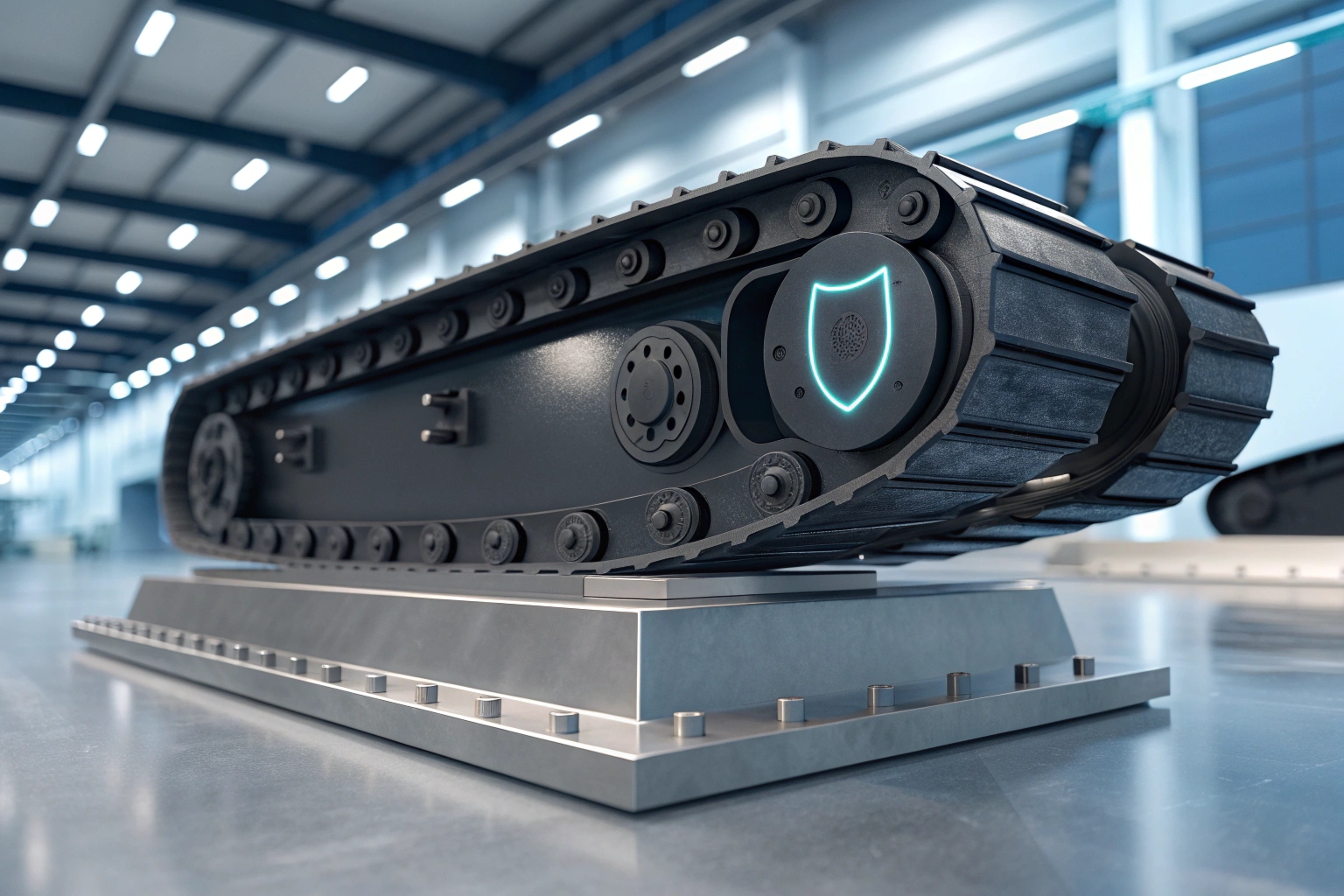
When purchasing track shoe assemblies 1, knowing the warranty details can prevent headaches. I understand the importance of clear warranty policies as they define how issues are handled and what support you can expect. What exactly does our warranty include?
At Dingtai, our track shoe assemblies come with a standard warranty. We cover defects in materials and workmanship under normal use conditions for 12 months or 2,000 operating hours, whichever comes first. This ensures that you have recourse should something go wrong within the initial period of use.
Ensuring you understand what limitations and exclusions may apply to your warranty is essential, as these can significantly impact the coverage you receive. Read on to discover more about our warranty specifics.
What is the standard warranty period in the industry?
When considering warranties for track shoe assemblies, industry standards 2 are crucial. I have learned that relying on benchmarks helps in outlining fair policies.
Typically, the industry offers warranties of either 12 months or a certain number of operating hours, usually around 2,000, whichever comes first. This dual-tier approach ensures that regardless of how intensely the part is used, there is a clear endpoint to the warranty period.
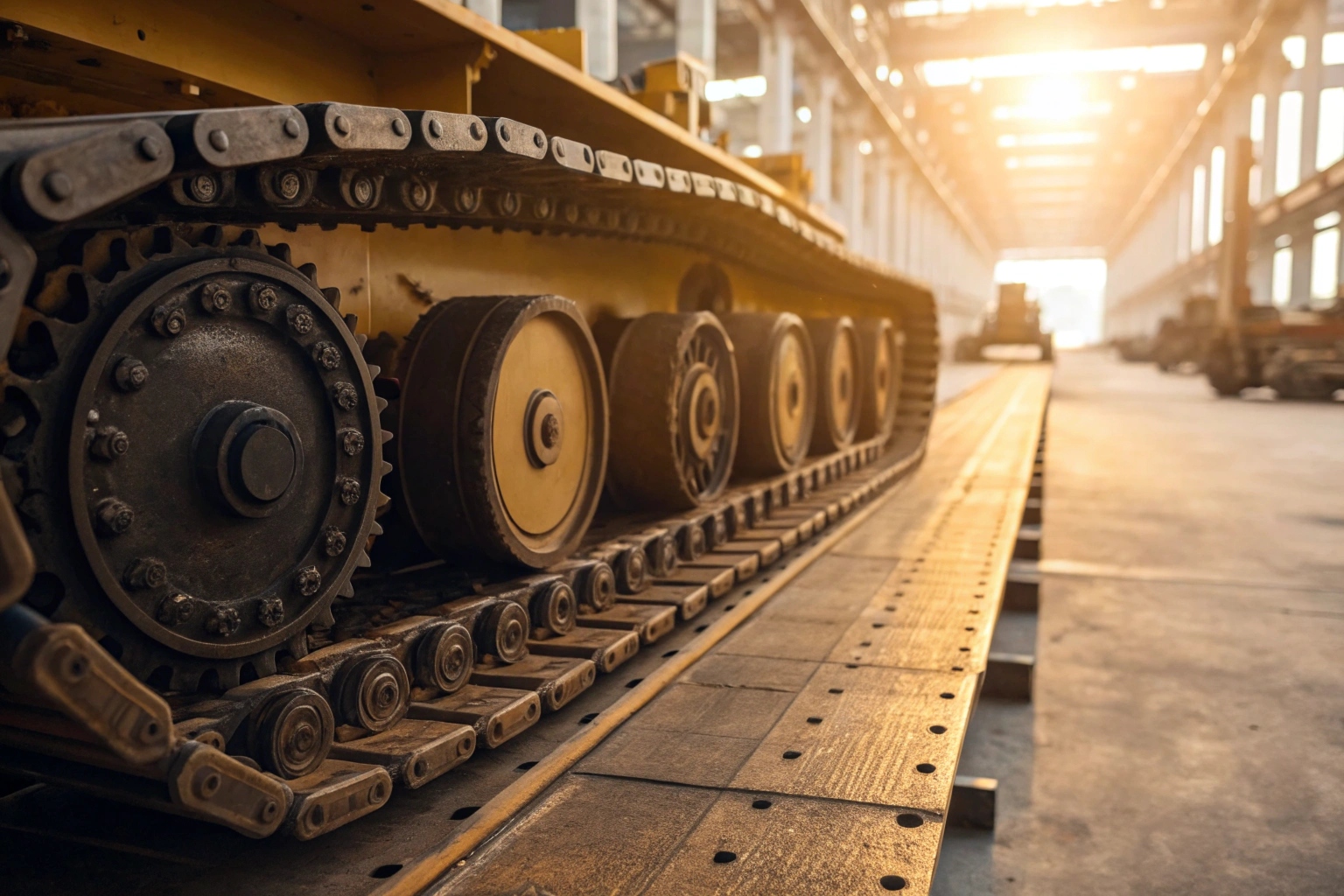
Let's examine further how these periods align across different manufacturers to see where our policy fits within the industry spectrum.
Comparison Table: Warranty Period in the Industry
| Manufacturer | Warranty Duration | Operating Hours 3 (Coverage) |
|---|---|---|
| OEM Brands 4 | Up to 4 years | Up to 4,000 hours |
| Aftermarket | 12 months | 1,500 to 2,000 hours |
While OEM warranties are extensive, covering longer periods and more hours, they often come with higher upfront costs. On the other hand, aftermarket options 5, like ours, balance cost-effectiveness with reasonable coverage.
Does the warranty start from my date of purchase, or from the date my customer installs the part?
Start dates for warranties can influence how much real-world protection you get. From years of experience, I've noticed how crucial the distinction is for proper coverage.
Our warranty typically begins from the date of purchase, ensuring clarity in terms throughout its validity. This allows you to track the warranty coverage from a set date, aiding in better maintenance scheduling 6 and service planning within the warranty frame.

Understanding when your warranty starts is essential for optimized part utilization. It verifies you won’t have unexpected surprises.
Important Points on Warranty Start
- Date of Purchase: Coverage starts upon purchase, guaranteeing straightforward records and date verification.
- Installation Date: Used in some industries for flexibility but less common in track assemblies.
- Notification Period: Be aware of timelines to report any issues or invoke the warranty.
Our straightforward approach aims to demystify when your protection actually begins, aligning it with industry norms for consistency.
Is the warranty different if the part is used in high-abrasion rock versus standard soil?
Operating conditions can drastically affect parts, leading to differing warranty terms. Based on the conditions where I’ve seen parts used, assessing the warranty's flexibility is critical.
Yes, the warranty may differ for use in high-abrasion environments versus standard soil due to enhanced wear conditions. Specialized addendums frequently cover extreme scenarios, acknowledging the toll these environments take on parts.

For challenging conditions like those in rocky terrains 7 or mining 8, additional warranty terms are necessary.
Handling High-abrasion Conditions
- Extended Warranties: May be available for parts used in harsh environments, often at an added cost.
- Exclusions: Some wear types not covered due to extreme conditions.
- Addendums: Written agreements tailor warranties to specific usage conditions.
Understanding these nuances ensures warranty terms align with actual operating conditions, preventing coverage gaps.
What is the exact process I must follow to make a warranty claim?
A clear warranty claim 9 process ensures any issues are dealt with promptly. Through my involvement, I know how streamlined processes can ease customer concerns.
To make a warranty claim, submit documentation within the warranty period, including proof like photos and usage records. This comprehensive evidence facilitates quick verification and resolution by the support team.
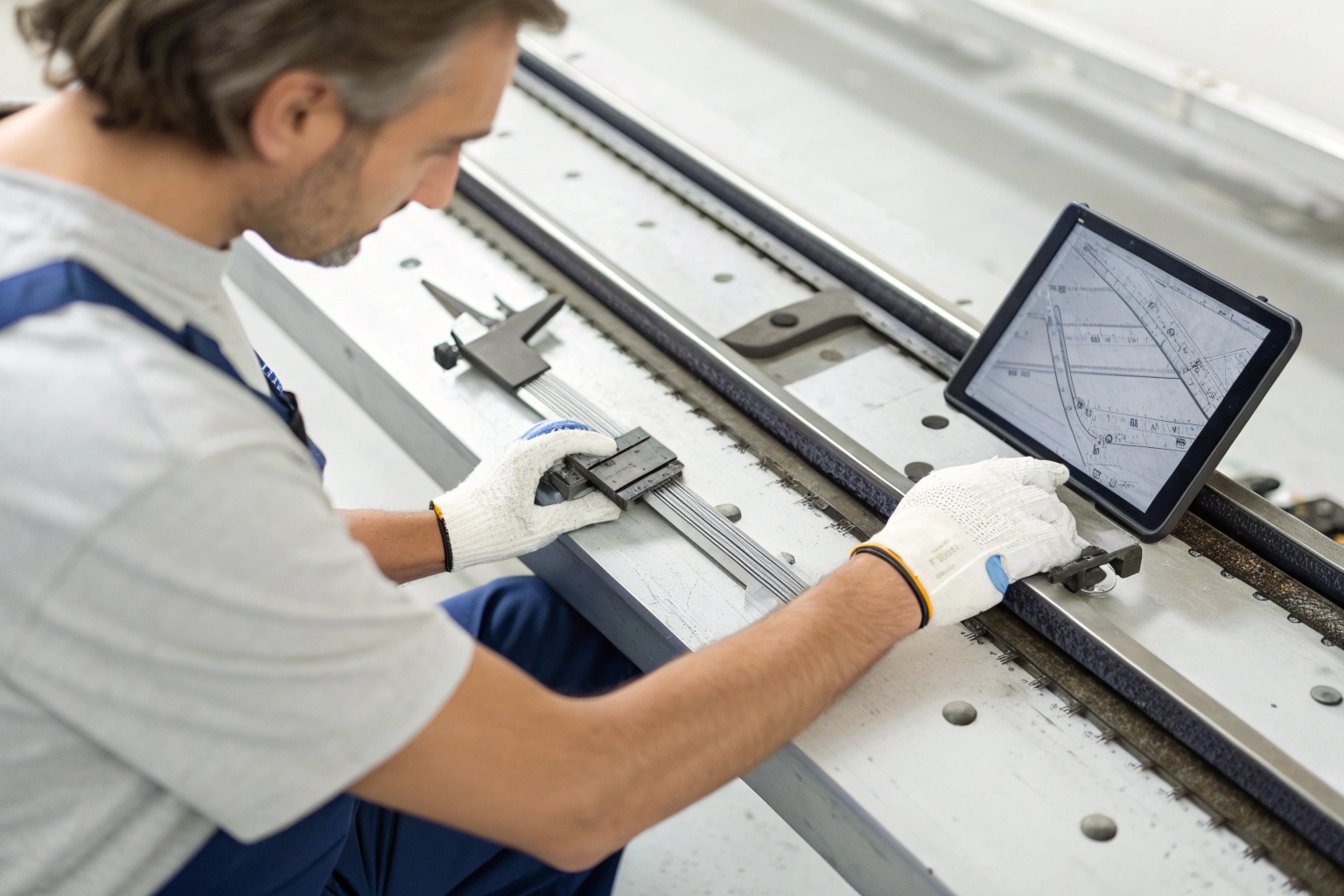
A well-defined claim process ensures you can handle potential defects efficiently.
Warranty Claim Checklist
| Step | Action Needed |
|---|---|
| Documentation 10 | Photos, invoices, and usage logs |
| Submission | Within warranty timeframe |
| Inspection | May require parts inspection for verification |
| Resolution | Usually credit or replacement without return needed |
By adhering to this systematic approach, you ensure timeliness and accuracy, allowing us to resolve your issues quickly.
Conclusion
Understanding our warranty coverage, conditions, and claim process helps you make informed decisions, ensuring the security of your investment.
Footnotes
1. Understanding the mechanics and components of heavy machinery undercarriages. ↩︎
2. Importance of complying with global manufacturing quality benchmarks. ↩︎
3. Definition of usage duration metrics for machinery warranties. ↩︎
4. Explaining Original Equipment Manufacturers and their market role. ↩︎
5. Overview of secondary market parts and cost benefits. ↩︎
6. Strategies for organizing equipment service to prevent downtime. ↩︎
7. Impact of abrasive surfaces on undercarriage wear rates. ↩︎
8. Overview of extraction industries and heavy equipment usage. ↩︎
9. Steps involved in formally requesting warranty service or reimbursement. ↩︎
10. Legal and administrative records required for claim verification. ↩︎