
I know exactly how stressful it is when your replacement parts are sitting at the port, and you have a machine down at the job site waiting for them. I see this happen often, and the waiting game costs you money every single hour.
Customs clearance for track shoe assemblies generally takes 24 to 72 hours after arrival at US ports, provided documentation is flawless and duties are paid. However, random inspections or paperwork errors can extend this process to 7 to 14 days. Pre-filing entry documents is the most effective way to ensure rapid release.
Let’s be honest, you do not want to be the person explaining to a client that their bulldozer is stuck because of a missing piece of paper. The good news is that most of these delays are preventable. I want to walk you through exactly what happens at the border and how we can make sure your track shoe assemblies 1 fly through without a hitch.
What is the most common reason for customs delays (e.g., bad paperwork, random inspection)?
You check the tracking number, and it says "Exception" or "Hold." Nothing causes more panic than a vague update when your customer is screaming for their parts.
The most frequent cause of customs delays is inconsistent documentation, specifically mismatches between the Commercial Invoice and the Packing List regarding weights or descriptions. Other common reasons include missing country of origin markings on the steel itself, random X-ray exams (VACIS), and non-compliance with ISPM 15 wood packaging regulations.

When we look at why shipments get stuck, we need to dig deeper than just "bad luck." In my experience exporting Dingtai undercarriage parts to the US, I see three specific areas where things go wrong.
The Paperwork Mismatch Trap
The US Customs and Border Protection (CBP) 2 system is automated. It looks for exact matches. If the Bill of Lading says the gross weight is 15,000 kg, but the Packing List says 14,950 kg, the system flags it. It does not matter if it is just a typing error. To the computer, this looks like you are hiding cargo.
Also, descriptions matter. If your invoice just says "Machine Parts," the officer does not know if it is a track shoe or a hydraulic pump. This forces them to stop the shipment and ask for more information. We must be specific. We should use terms like "Steel Track Shoe Assembly for Excavator" and list the specific HS Code 3 (usually starting with 8431).
The Physical Inspection Lottery
Sometimes, you do everything right, and you still get stopped. This is often a random check.
- VACIS Exam (X-Ray): This is the most common. They run the container through a giant X-ray machine. It usually adds 2-3 days to the timeline.
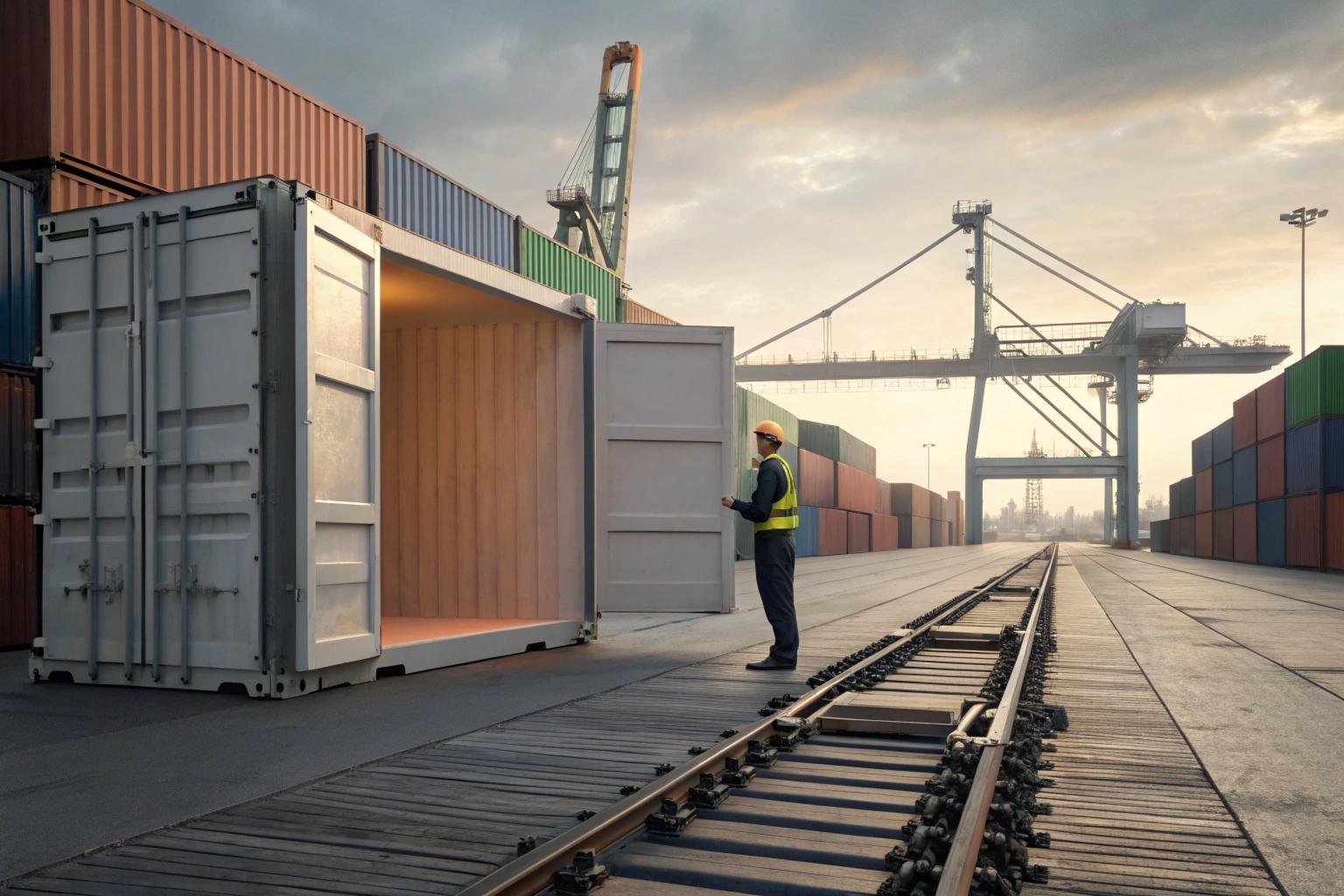
- Tailgate Exam: An officer breaks the seal and looks inside the doors. They want to see if the cargo matches the paperwork.
- Intensive Exam: This is the nightmare scenario. They take the container to a warehouse and unload every single box. This can take 7 to 14 days and costs you thousands of dollars in labor fees.
The Wood Packaging Issue
Track shoe assemblies are heavy. We always pack them on strong wooden pallets. However, the US has strict rules about bugs and pests. All wood must be heat-treated and stamped with the ISPM 15 4 mark. If the stamp is faded, missing, or if the pallet looks dirty, Customs will reject the whole shipment. They will not just throw away the pallet; they will order the container to be exported back to China. This is a total loss for the buyer.
Here is a breakdown of the different exams you might face:
| Inspection Type | What Happens | Typical Delay | Estimated Cost |
|---|---|---|---|
| VACIS (X-Ray) | Container is scanned without opening. | 24 - 48 Hours | $300 - $400 |
| Tailgate Exam | Customs officer opens the back doors to peek inside. | 2 - 4 Days | $200 - $350 |
| Intensive Exam | Container is moved to a CES (station) and fully unloaded. | 5 - 12 Days | $1,500 - $3,000+ |
| USDA/Ag Hold | Checks for soil, pests, or bad wood packaging. | 1 - 3 Days | Varies |
How can I (with your help) ensure all my paperwork is 100% correct before the ship even arrives?
You should not have to be a customs expert to import track shoes; I believe your manufacturer should do the heavy lifting to protect you from errors.
To ensure 100% accuracy, request a draft set of documents from your supplier 7 days before loading. Verify the HS Code (usually 8431.49), check that weight totals match the Bill of Lading exactly, and ensure the "Made in China" mark is visible on both the product and the commercial invoice.
I have learned that the best way to speed up customs clearance is to fix problems before the ship even leaves the port in China. Once the ship is on the water, changing documents becomes difficult and expensive. Here is the process I recommend we follow for every one of your orders.
The "Pre-Shipment Draft" Review
At Dingtai, I do not just print documents and send them. I send you a PDF draft first. I want you to send this draft to your customs broker. Ask them, "Does this look right?" Your broker knows the current mood of the customs officers better than anyone. If they say we need to add the chemical composition of the steel to the invoice, we add it.
The "Clean" Invoice Strategy
Your commercial invoice is the most important paper in the pile. It needs to tell a clear story.
- HS Codes: We must list the 6-digit or 10-digit Harmonized System code for every line item. For track shoes, this is usually under 8431.49. If we leave this off, your broker has to guess, and if they guess wrong, you pay the wrong duty rate.
- Values: The price on the invoice must match what you actually paid. Never ask a supplier to lower the value to save on taxes. If Customs asks for proof of payment (wire transfer record) and it does not match, you face huge fines.
- Origin Statement: The US is very strict about Country of Origin. The invoice must say "Country of Origin: China." Furthermore, every single track shoe we cast or forge has "CHINA" stamped into the metal. This is non-negotiable. If an inspector opens a box and does not see that stamp, they can seize the goods.
Anti-Dumping Duty (ADD) Awareness
This is a technical point, but it saves you money. Some steel products from China have high extra taxes called Anti-Dumping Duties 5. However, construction machinery parts are often exempt if described correctly. We need to make sure the description clearly states these are "Undercarriage parts for earthmoving machinery." If we just write "Steel Forgings," the system might confuse them with raw steel materials that have a 100% tax rate.
Below is a checklist I use to audit our documents before I email them to you:
| Document Element | What to Check | Why it Matters |
|---|---|---|
| Commercial Invoice | Does the value match your bank wire? | Prevents audits and penalties. |
| Packing List | Do the net/gross weights match the Bill of Lading? | Mismatches trigger automatic holds. |
| Bill of Lading | Is the Consignee name spelled 100% correctly? | Even a typo stops the release. |
| ISF Filing | Is it filed 24 hours before the ship loads? | Late filing carries a $5,000 fine. |
| Origin Markings | Is "Made in China" on the invoice and the part? | Required by law for clearance. |
Note: The ISF Filing 6 is a critical step that must happen before the vessel departs.
Does using a continuous bond or a specific customs broker help speed up clearance?
You might wonder if paying for a premium broker or a specific annual bond is worth the extra money, or if it is just an unnecessary expense.
Using a Continuous Customs Bond is highly recommended for frequent importers as it speeds up processing and lowers costs per shipment. Furthermore, hiring a broker who uses the ACE (Automated Commercial Environment) system allows for "wheels-up" clearance, meaning goods are cleared before the ship even docks.

When you are importing heavy parts like track chains and rollers, you are moving high-value items. The logistics setup you choose acts like a VIP pass at the airport. You can either wait in the long line with everyone else, or you can pay a little extra to breeze through.
The Power of the Continuous Bond
You have two choices for bonds. A bond is basically an insurance policy that guarantees the US government will get paid its taxes.
- Single Entry Bond: You buy this for one shipment. It usually costs $50 to $100 per shipment, or a percentage of the value. It is slow because Customs has to approve it every single time.
- Continuous Bond 7: You pay a flat fee (usually $400 - $500) for the whole year. It covers all your imports for 12 months.
If you import more than 3 or 4 times a year, the Continuous Bond is cheaper. But more importantly, it is faster. Your bond is already on file. Customs does not need to re-verify you. It signals that you are a regular, trusted importer.
Choosing the Right Broker
Not all brokers are the same. You want a broker who specializes in heavy machinery or industrial parts. They will know the difference between a "track link" and a "master link."
A good broker uses a feature called Remote Location Filing (RLF) 8. This means they can clear goods at any port in the US electronically. They do not need to have an office in Los Angeles to clear your goods there.
The "Wheels-Up" Advantage
The biggest secret to speed is the ACE Cargo Release 9 system.
- Old Way: The ship arrives. The broker files the papers. Customs looks at them. You wait 2 days.
- New Way (ACE): Your broker files the entry 5 days before the ship arrives. Customs reviews the data while the ship is still at sea. If everything looks good, they issue a "Paperless Release." As soon as the ship touches the dock (Wheels-Up), your cargo is technically cleared. You just need to pick it up.
Why "Cheap" Brokers Cost You More
I have seen clients hire the cheapest broker they could find. These brokers often use automated software that misclassifies items. For example, they might classify a track shoe as a "general steel article." This might trigger a higher tariff. Or, they are slow to respond when Customs asks a question. If Customs asks for a spec sheet and your broker takes 2 days to reply, that is 2 days of storage fees you have to pay. A proactive broker who answers in 1 hour saves you money.
What are "demurrage" and "per diem" fees, and how can I avoid these expensive penalties?
Your profit margin is thin enough; the last thing you need is a surprise storage bill from the port just because the container sat there a few days too long.
Demurrage is a fee charged by the shipping line when a container stays inside the terminal past the free time. Per Diem (detention) is charged when you hold the container outside the port too long. You can avoid these by pre-clearing customs and having a trucker on standby to move the cargo immediately.
These fees are the silent killers of import profits. I have seen demurrage bills that were higher than the cost of the shipping itself. It is painful, and it is almost always avoidable if we communicate better.
Understanding the Clock
To avoid these fines, you need to understand the rules of the game.
- Free Time: This is the grace period the port gives you. Usually, you get 4 or 5 days to pick up the container after it unloads.
- Demurrage 10: Once your 5 free days are up, the port charges you rent. This can be $200 to $400 per day. It gets more expensive the longer you wait.
- Detention (Per Diem): This happens after you pick up the container. The shipping line wants their metal box back. You usually have 3 to 5 days to return the empty container. If you keep it at your warehouse too long, they charge you.
The "Pre-Pull" Strategy
If your warehouse is full, or if you cannot accept the delivery yet, do not leave the container at the port. It is too expensive. Instead, ask your trucker to do a "Pre-Pull."
This means the trucker picks up the container from the port and stores it at their own secure yard. Storage at a trucker's yard is much cheaper than storage at the port terminal. This stops the Demurrage clock.
The Importance of the "Last Free Day"
When I send you the shipping advice, I will highlight the ETA (Estimated Time of Arrival). Your broker should tell you the "Last Free Day." This is the deadline.
You must have your trucker lined up before the ship arrives. Do not wait until the container is cleared to call a trucking company. In busy seasons, trucks are booked weeks in advance. If your container is clear but you cannot find a truck, you will pay demurrage.
Communication is Key
The main reason people pay these fees is a lack of information flow.
- My Job: To give you the documents early so customs is cleared before arrival.
- Your Job: To ensure your warehouse team is ready to unload the container quickly (within 2 hours) so the trucker can return the empty box.
- The Broker's Job: To alert you immediately if there is a customs hold so we can solve it before the free time runs out.
Here is a simple comparison to help you remember the difference:
| Fee Name | Who Charges It? | Where is the Container? | How to Avoid |
|---|---|---|---|
| Demurrage | Port / Terminal | Inside the Port | Clear customs early; Pick up before "Last Free Day." |
| Detention | Shipping Line | Outside the Port (at your yard) | Unload quickly; Return empty container immediately. |
| Chassis Fee | Trucking Co. | On the road | This is a daily rental fee for the wheels; just work fast. |
Conclusion
Importing track shoes does not have to be a gamble. By ensuring your paperwork matches perfectly, pre-filing with a good broker, and watching your "free time" clock, you can clear customs in 24 hours.
Footnotes
1. Overview of continuous track mechanics for heavy machinery. ↩︎
2. Official agency managing trade and border security. ↩︎
3. Classification system used to determine import duties. ↩︎
4. International standards for treating wood packaging materials. ↩︎
5. Taxes applied to imports priced below fair market value. ↩︎
6. Mandatory security filing requirement for ocean cargo. ↩︎
7. Financial guarantee covering all import shipments for a year. ↩︎
8. Allows brokers to clear goods at any port electronically. ↩︎
9. The single window system for trade processing. ↩︎
10. Fees charged for cargo remaining at the terminal. ↩︎