
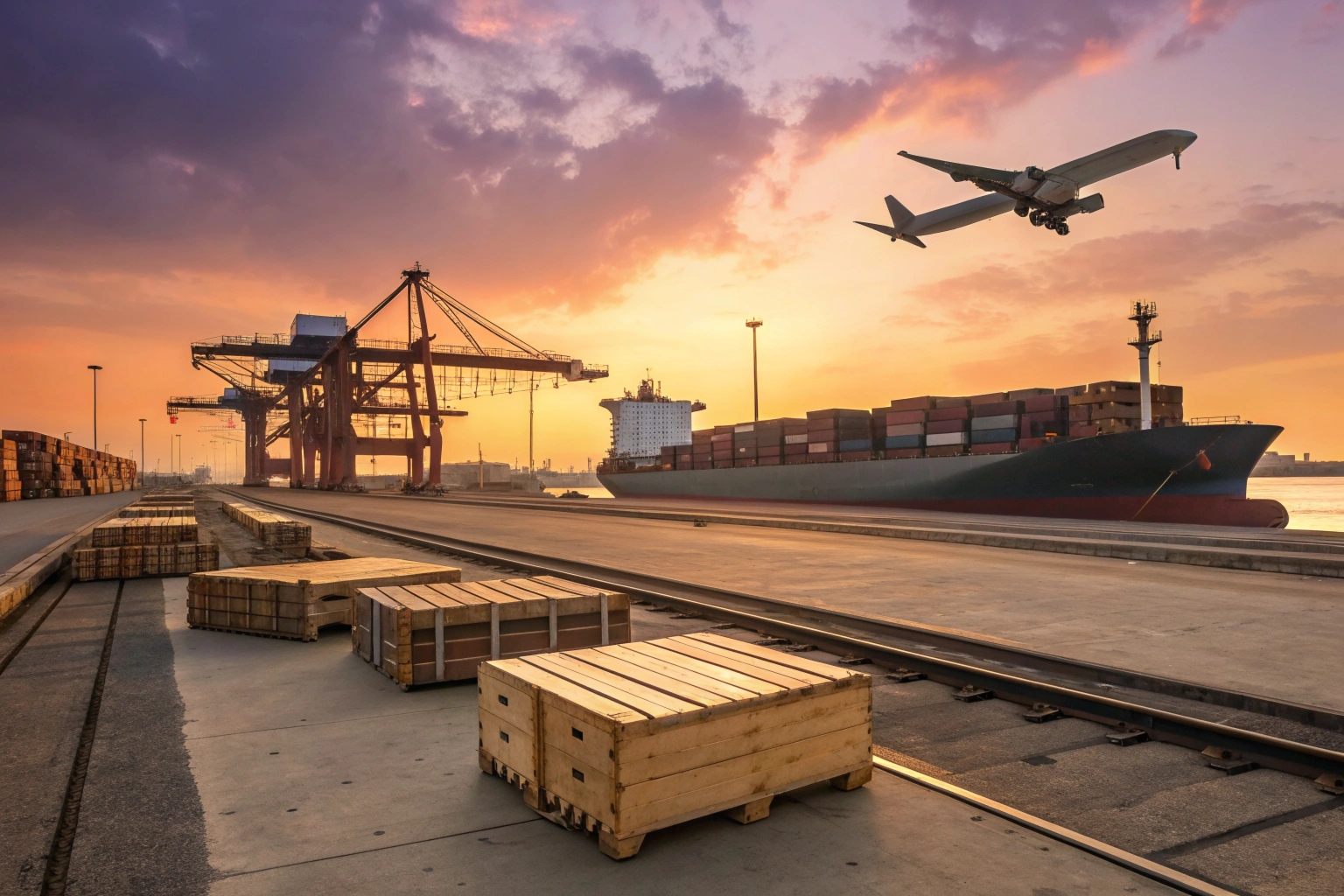
Shipping track shoe assemblies from China involves several factors. I must balance costs with delivery times. Understanding each freight option's pros and cons is crucial to meet both economic and operational demands.
Choosing the right freight type depends on priorities. Sea freight 1 is the best for cost, while air freight 2 suits urgent needs. Rail is rare for China to the USA or Africa but viable for Eurasia routes. We need to evaluate factors like volume, shipment urgency, and budget to make informed decisions.
Selecting the optimal freight model is vital for reducing costs and ensuring timely delivery. Different routes and methods offer various pros and cons. Let's delve into options available for transporting track shoe assemblies.
How Much More Expensive Is Air Freight, and Is It Ever Worth It for Such Heavy Parts?
Air freight is a tempting choice when speed trumps cost concerns. However, its premium pricing may be a deterrent for bulky items like track shoe assemblies. I often ponder over this expenditure and its worth.
Air freight is significantly more expensive, costing around $3.50 to $4.50 per kilogram, sometimes ten times more than sea freight. It is viable mainly for urgent situations where machine downtime costs exceed shipment expenses, making fast delivery crucial despite higher emissions 3 and costs.
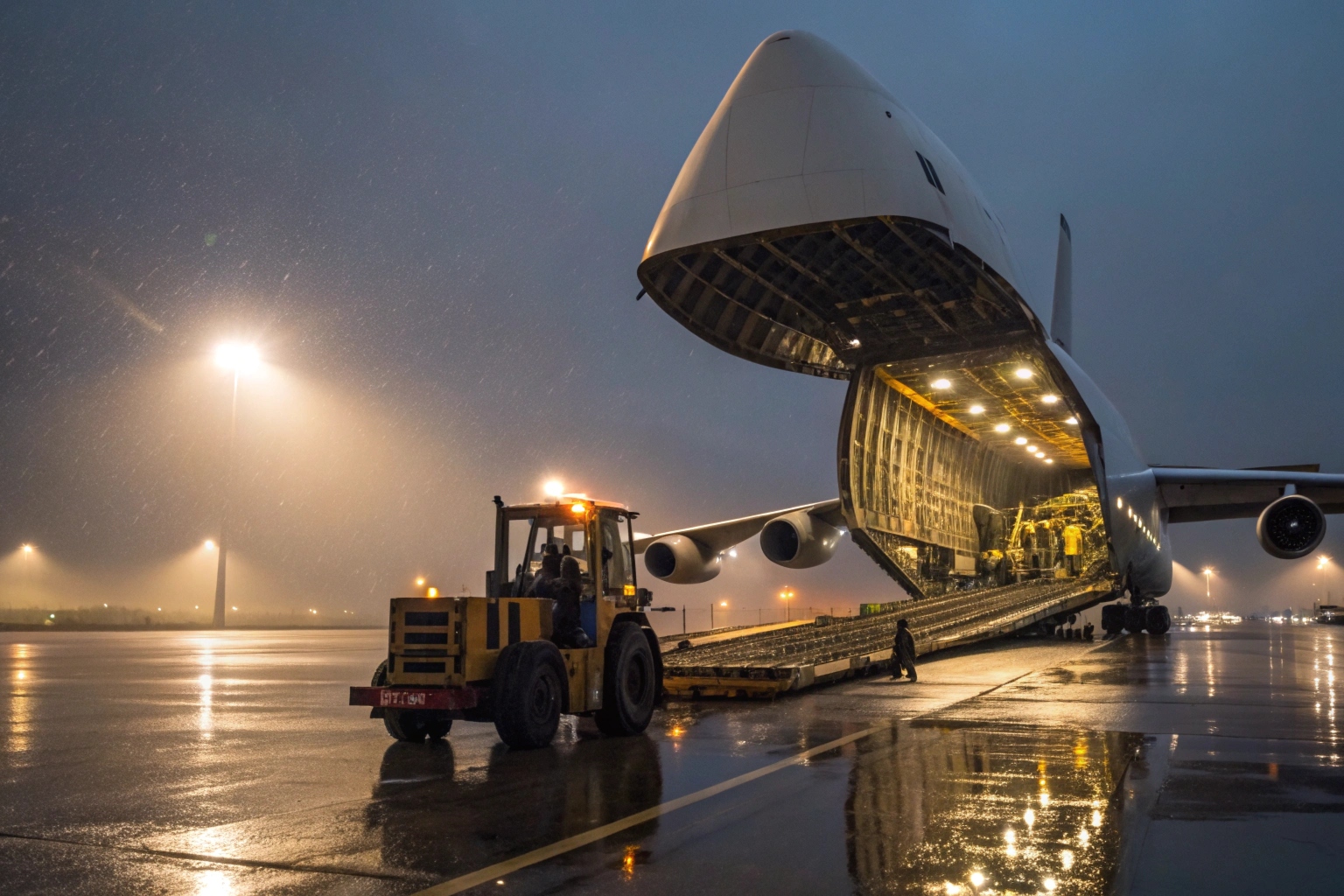
For companies facing tight deadlines, air freight can be a lifesaver despite its costs. Examine situations where expedited delivery can save substantial costs associated with machinery downtime, outweighing the premium of fast air transport. Consider the balance between delivery urgency and budget constraints. Air freight, while costly, may be the saving grace during unexpected production halts or critical maintenance periods, especially when operating in sectors where every operational minute counts toward profit.
What Is LCL (Less Than Container Load), and Is It a Good, Low-Cost Option for My Small Trial Orders?
Handling small orders like trials or samples requires a cost-effective shipping option. LCL shipments 4 allow businesses to pay only for the space used, potentially lowering costs for lower-volume orders.
LCL, or Less Than Container Load, allows shippers to pay for the portion of a container their goods occupy, making it cost-effective for small trial orders. However, it comes with higher CBM rates 5, shared container space, additional delays, and risks of damage from mixed cargo.
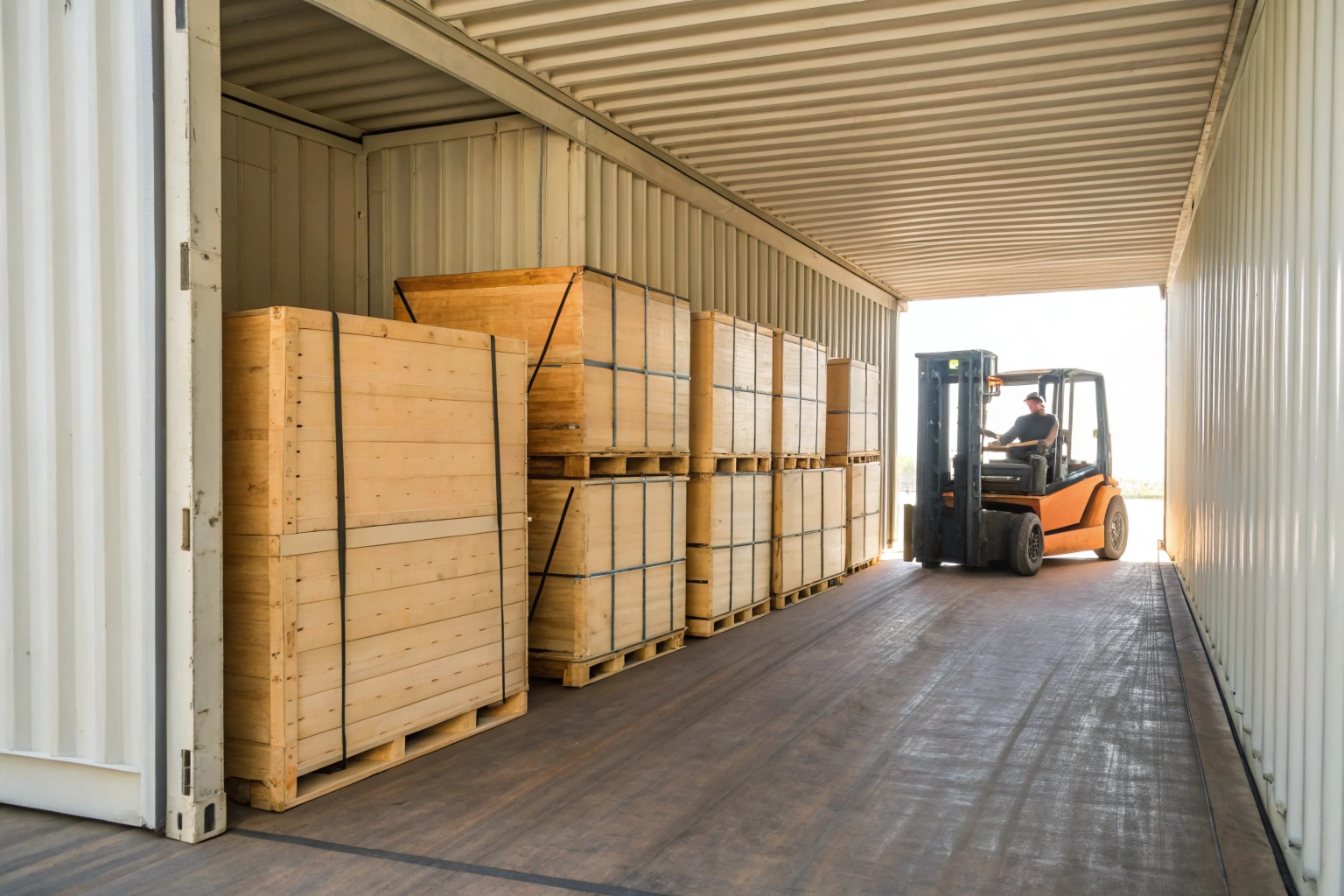
LCL provides flexible shipment options for businesses dealing with smaller orders. However, shippers should be cautious of extended transit times 6 and potential for damage from cargo shuffling. Compare LCL's practical aspects, such as shared space to reduce costs, against risks, to determine whether it suits your logistical and economic needs. Analyze the trade-off between affordability and potential risks like damage or contamination. LCL can help maintain a balanced inventory without spending excessively, ideal for performing market tests or launching new products without overcommitting warehouse space.
What Are the Hidden Risks of Shipping LCL (e.g., Damage from Other Cargo, Delays at Port)?
LCL shipping may seem economically appealing, but unseen risks lurk beneath its cost savings. Recognizing these can help me make informed choices.
LCL shipping reduces costs but introduces risks like cargo damage 7, increased delays due to consolidation 8, and potential contamination from other goods. These setbacks can negate its advantages if not carefully managed.
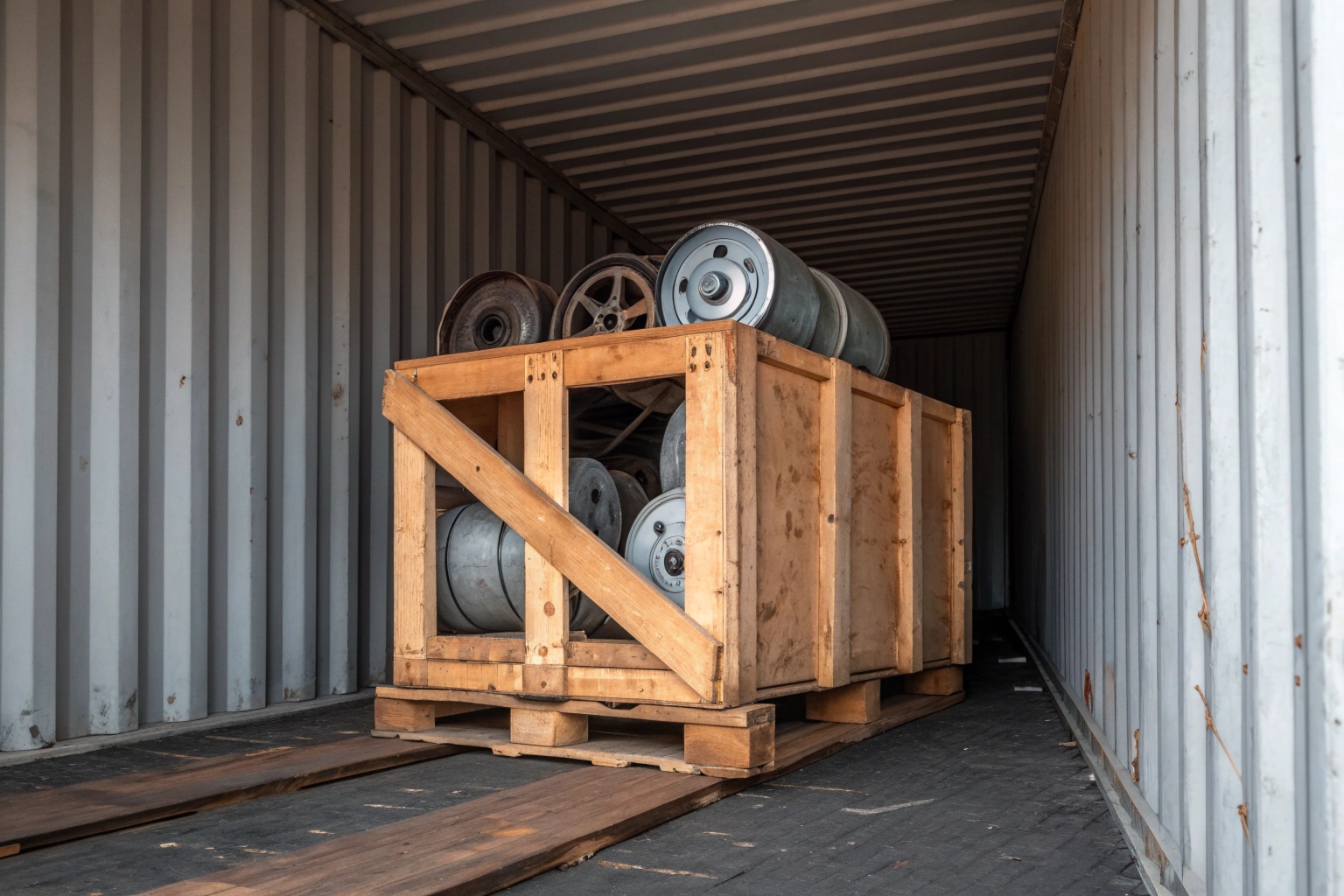
Despite LCL's cost-saving advantage, the risks of cross-contamination and damage are real. Unpacking potential drawbacks helps balance apparent savings with tangible risks. Ensure a comprehensive understanding of delay causes, damage risks, and how they might affect customer satisfaction through timeline disruptions or additional costs. LCL shipping requires strategic oversight to mitigate risks associated with shared container loads, safeguarding goods from external damage or mismanagement during transit.
At What Order Volume (In CBM or Weight) Does It Become Cheaper for Me to Get My Own Full Container (FCL)?
Shipping volume is crucial. Determining when FCL becomes cost-effective can optimize shipments, reducing overall expenses.
FCL 9, or Full Container Load, becomes cheaper at or above 13-15 CBM. This volume shifts costs favorably by avoiding shared container delays, minimizing damage risk, and optimizing cargo protection. Companies benefit from both lower per-unit costs and faster transit.
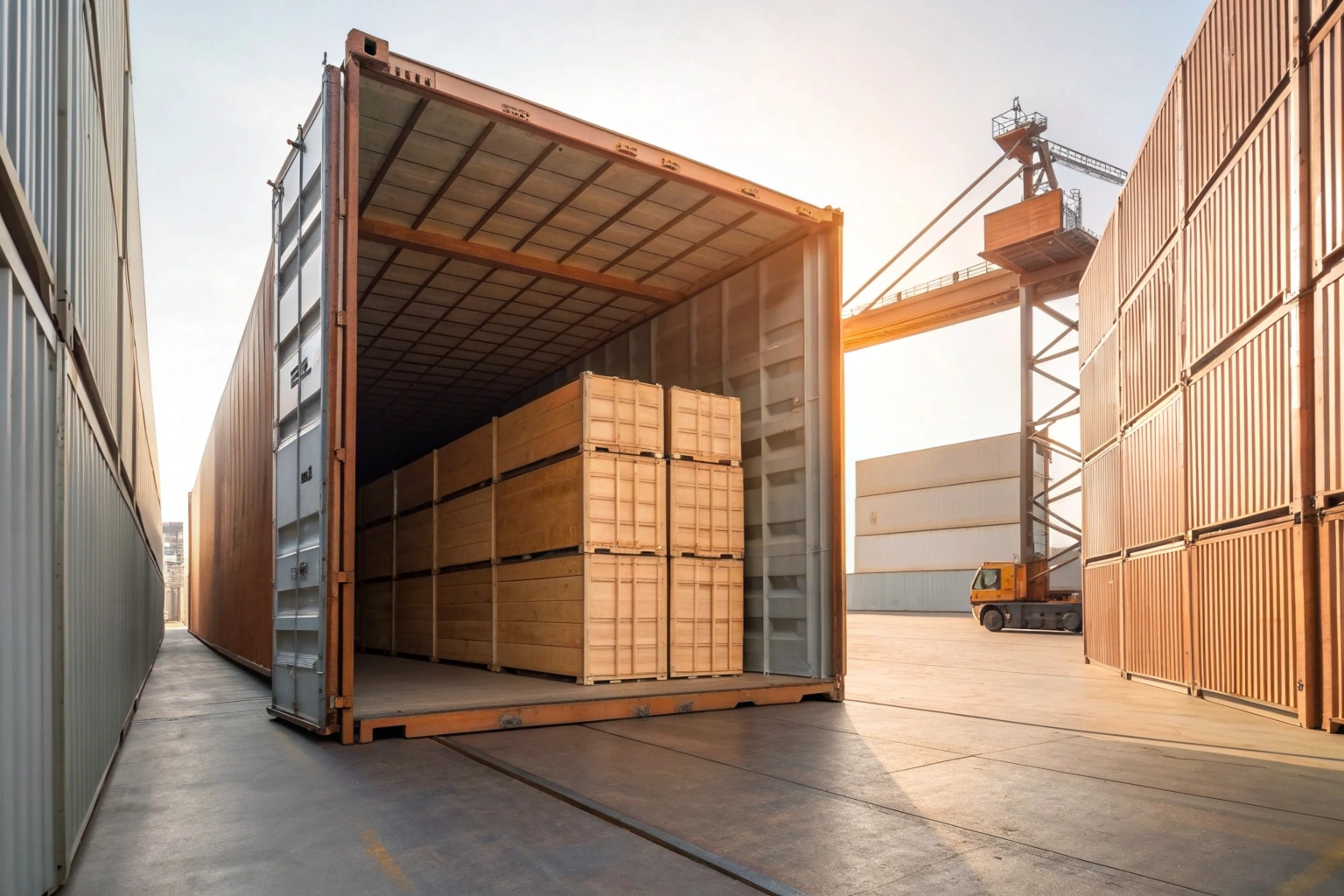
Switching to FCL enhances shipment reliability and cost-effectiveness, especially when dealing with bulk orders. Review the benefits FCL offers over LCL, reducing handling risks and providing secure transit. Consider shipment frequency, volume, and potential savings from transitioning to full container loads. As shipment sizes increase, FCL could provide comprehensive logistics support for long-term growth while securing competitive edge through dependable and efficient delivery scheduling.
Conclusion
Choosing the right freight method is a strategic decision balancing cost, time, and risk. Whether opting for economical sea freight, speed via air, or considering container load sizes for bulk orders, every factor plays a pivotal role in an efficient supply chain 10.
Footnotes
1. Overview of ocean freight advantages for global trade. ↩︎
2. Definition and key characteristics of air cargo transport. ↩︎
3. Environmental impact of air versus sea transportation methods. ↩︎
4. Explanation of Less Than Container Load for small shipments. ↩︎
5. Guide to calculating Cubic Meter volume for freight costs. ↩︎
6. Factors influencing shipping duration and delivery schedules. ↩︎
7. Insights into protecting goods and insurance against transit damage. ↩︎
8. Process of combining smaller shipments into one cargo load. ↩︎
9. Benefits and specifications of Full Container Load shipping. ↩︎
10. Principles of managing the flow of goods and services. ↩︎