
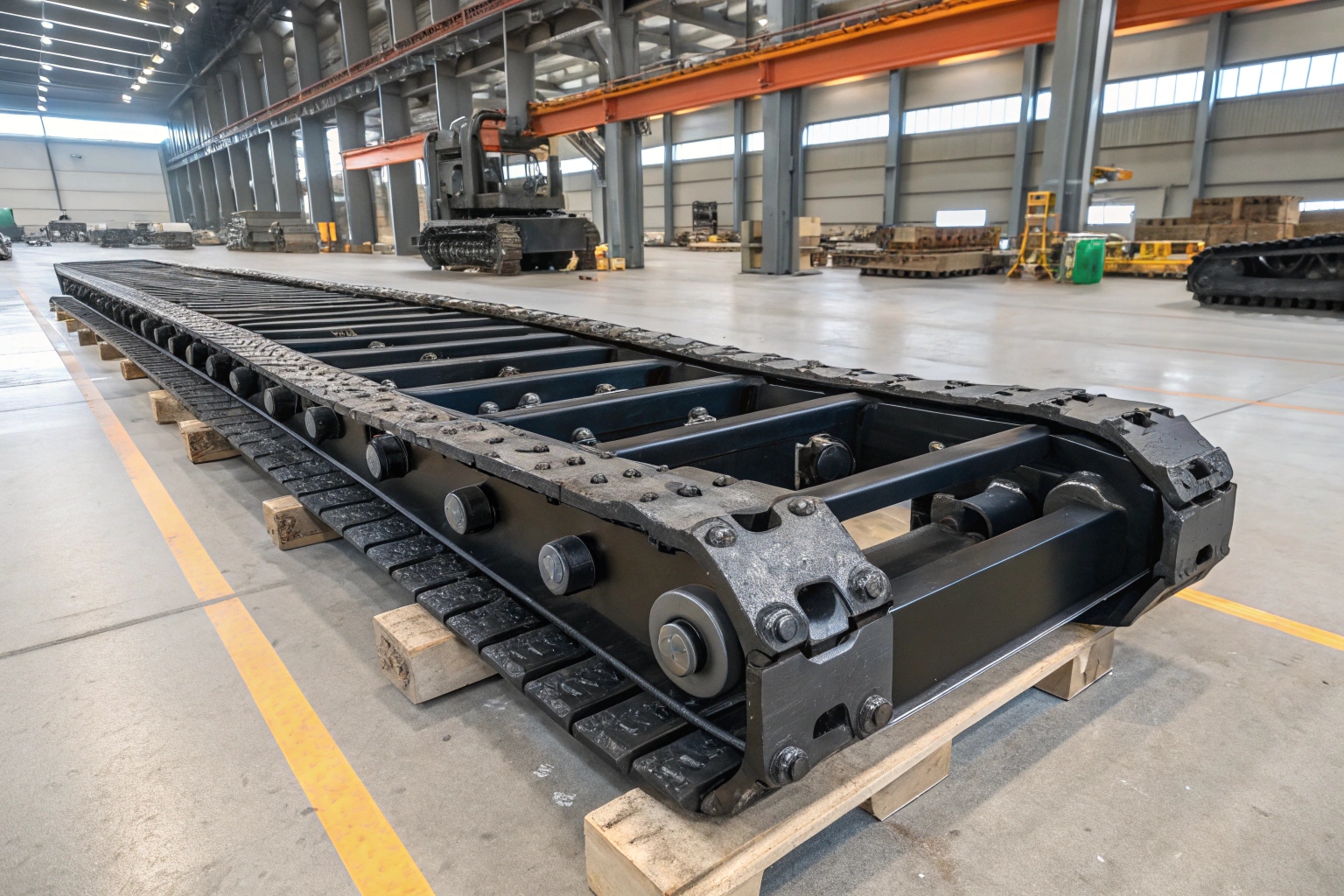
You spend a lot of money on undercarriage parts 1, so seeing them arrive rusty or damaged is a terrible experience. It wastes your time, hurts your profit, and delays your projects. I want to show you exactly how we prevent these problems before they ever happen.
We package track shoe assemblies using reinforced wooden pallets, custom steel frames, or heavy-duty wooden boxes depending on your needs. To prevent rust during ocean transit, we use a strict three-layer protection system: we apply anti-rust oil to the metal, wrap the parts in VCI (Vapor Corrosion Inhibitor) film, and place desiccant bags inside the packaging to absorb moisture.
Shipping heavy steel across the ocean is a difficult task. The air is full of salt, and the humidity changes constantly. If we do not prepare the cargo correctly, it can turn into a disaster. However, with the right materials and care, your parts will arrive in the same perfect condition as when they left our factory. Let's look at the specific details of how we protect your order.
What is the most secure packaging method (e.g., steel cage) to prevent damage during the long sea freight?
If you are buying heavy track groups, you might worry that standard wood pallets are not strong enough. You are right to be concerned, because broken packaging can ruin a shipment.
For the best security, I always recommend using a custom steel cage or frame. We bolt the track assemblies directly to the steel frame, which stops them from moving, makes them stackable, and protects them from the heavy shocks that happen when a ship hits rough water.
When we ship track shoe assemblies, we are dealing with extreme weight. A single pallet can weigh over a ton. If the packaging is weak, the G-forces on a moving ship can cause the load to shift. This is why I believe the packaging material is just as important as the product itself.
The Physics of Shipping Heavy Parts
You have to understand what happens inside a shipping container 2. When a ship rolls in a storm, the cargo wants to slide. If we use wood, the nails might pull out, or the wood might split under the pressure. Once a heavy track group breaks free, it becomes dangerous. It can damage other goods in the container or even punch a hole in the container wall.
To solve this, we use Q235 steel 3 to build frames. These are not generic frames; we weld them to fit the exact size of your track shoes.
Why Steel Frames are Superior
The main advantage of a steel frame is the "mechanical lock." We do not just strap the parts down. We use high-strength bolts to attach the track chain directly to the steel frame. The track assembly and the pallet become one solid unit.
Here is a comparison of the materials we use:
| Feature | Reinforced Wooden Pallet | Custom Steel Frame |
|---|---|---|
| Material Strength | Good for static loads, but can crack under impact. | Excellent. Will not crack or split. |
| Connection Method | Steel strapping bands and friction. | Bolted connection and steel strapping. |
| Stacking Ability | Limited. Can crush the bottom layer if too heavy. | High. Steel posts support the weight, protecting the parts. |
| Moisture Risk | Wood holds moisture, which can aid rust. | Steel is painted and does not hold moisture. |
| Cost | Low. Best for budget-conscious orders. | Medium/High. Best for heavy or expensive orders. |
Designing for Your Safety
Safety at your warehouse is also a big factor. When your team opens the container, they need to be safe. Wooden pallets that have collapsed are hard to unload. They can tip over when a forklift tries to lift them. A steel frame stays rigid. Your forklift driver can easily slide the forks into the steel channels and lift the whole unit safely. We also make sure the frames are stackable. This means you can store them three or four high in your yard to save space, without worrying about the pile falling over.
Are your wooden pallets (skids) ISPM-15 certified (heat-treated/fumigated) for US customs compliance?
Nothing is worse than having your goods stuck at the port because of a missing stamp. You need to know that your shipment will clear US Customs without any issues.
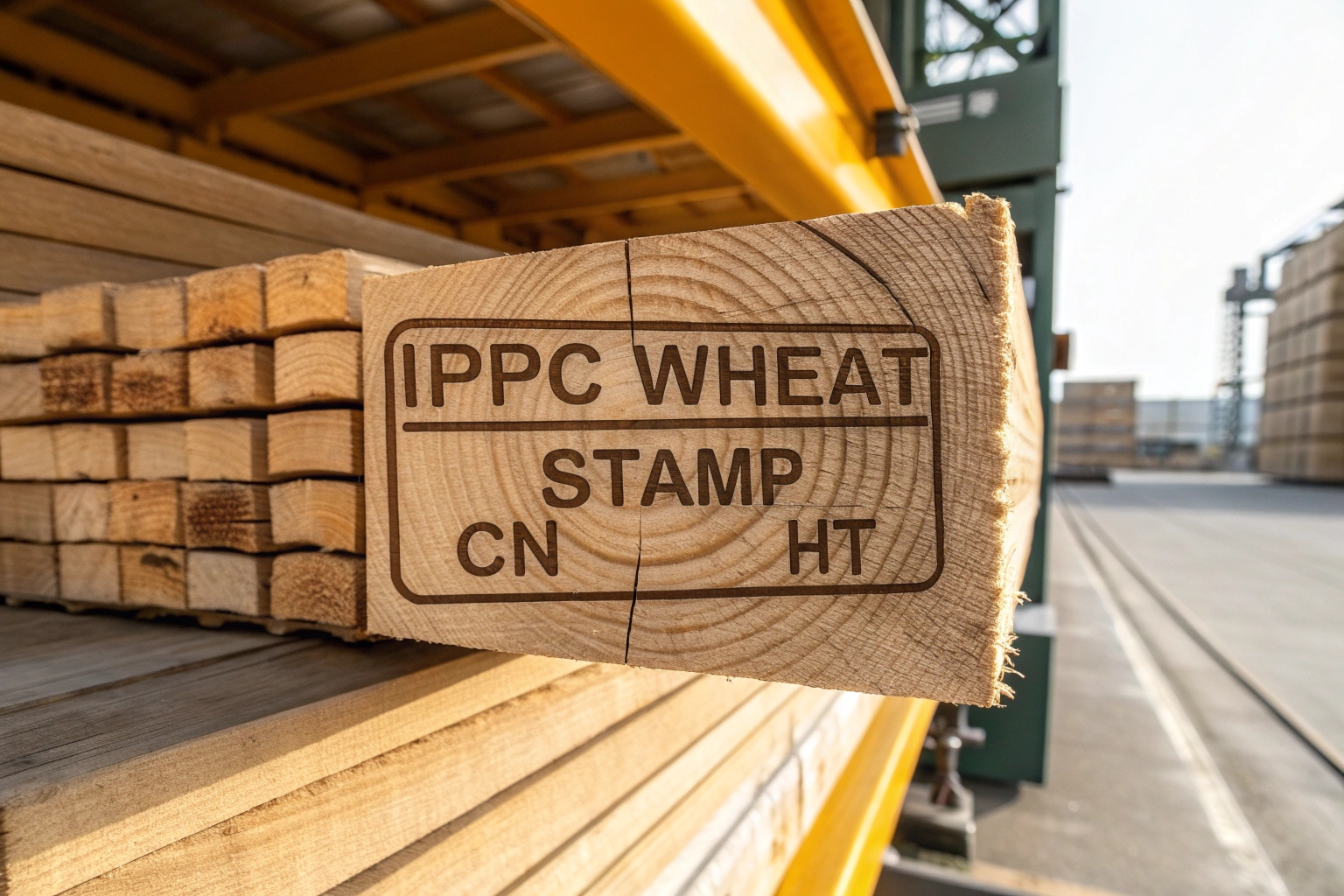
Yes, every single wooden pallet and crate we use is 100% ISPM-15 certified. We use heat-treated wood stamped with the official IPPC mark, or we use plywood which is exempt from these rules, ensuring you never face fines, delays, or rejection from customs authorities.
International trade has very strict rules about wood packaging. The goal is to stop insects and pests from traveling from one country to another. The standard is called ISPM-15 4. If a supplier in China sends you raw, untreated wood, US Customs and Border Protection 5 (CBP) can take drastic action. They might reject the whole container. They could order it to be destroyed, or they could send it back to China. You would have to pay for all of this.
Understanding the Two Safe Options
I want you to feel secure about our process. We use two main methods to comply with these rules.
1. Heat-Treated Solid Wood (HT)
If we use solid wood (like pine) for the runners or the deck of the pallet, we must treat it. We do not use toxic chemicals like Methyl Bromide 6 (fumigation) anymore because of environmental concerns. Instead, we use Heat Treatment.
- We put the wood in a large kiln (oven).
- We heat the core of the wood to 56 degrees Celsius for at least 30 minutes.
- This kills any bugs or eggs inside.
- After this, we stamp the wood with the "Wheat Stamp" (IPPC logo). It shows our country code (CN) and the treatment code (HT). You will see this clearly on the side of every pallet.
2. Plywood and Engineered Wood
This is often the better choice. Plywood is made by gluing layers of wood together under high heat and pressure. This process makes it impossible for bugs to survive.
- Because of this, international rules say plywood is "exempt."
- It does not need a stamp, but it is automatically safe for customs.
- We often use thick plywood for the tops and bottoms of our crates because it is strong, looks clean, and has zero risk of customs issues.
Why We Are Strict About This
I check this personally. Before we pack your order, my team inspects the pallets. We look for two things: the stamp and bark. Even if wood is treated, it cannot have big pieces of bark on it.
Here is a quick guide to what we use:
| Material Type | Treatment Required? | Customs Risk | Our Usage |
|---|---|---|---|
| Raw Timber | YES. Must be Heat Treated. | High (if not stamped). | We NEVER use untreated timber. |
| Heat Treated Wood | Already Done. | Zero (with stamp). | Used for heavy-duty runners/frames. |
| Plywood / OSB | NO. Exempt by law. | Zero. | Used for boxes and pallet decks. |
| Plastic / Steel | NO. Exempt by law. | Zero. | Used for premium packaging. |
We handle this compliance so you do not have to think about it. You are buying excavator parts, not worrying about agricultural inspections.
How do you protect the parts from moisture and salt air (e.g., VCI wrap, desiccant bags, anti-rust oil)?
The ocean is a wet, salty environment that destroys bare metal. You need to be sure that your track shoes will not turn orange with rust before they even reach your door.
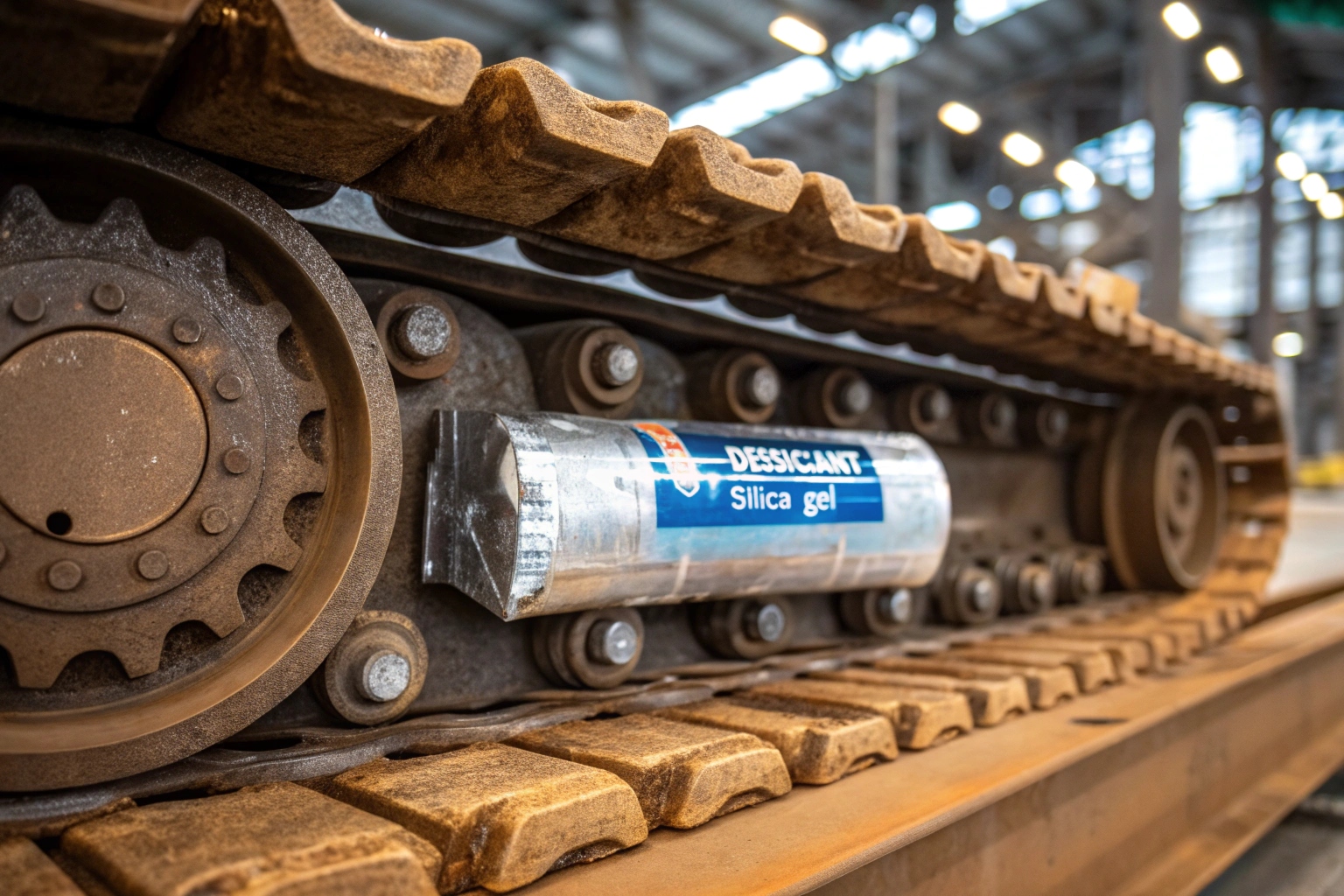
We use a "triple-defense" system to stop rust. First, we coat the metal with anti-rust oil; second, we wrap the assemblies in VCI (Vapor Corrosion Inhibitor) film to block oxygen; and third, we place large bags of industrial desiccants inside the package to suck up any moisture that gets in.
Rust happens when iron, water, and oxygen meet. In a shipping container, this is very common due to "Container Rain." This happens when the container gets hot during the day and cold at night. The air inside condenses, and water drips from the ceiling of the container. If that water touches your parts, they will rust.
Layer 1: The Barrier (Oil and Paint)
Most of your track shoe is painted, which protects it. However, the machined surfaces (where the links fit together) are bare metal.
- We clean these surfaces thoroughly.
- We apply a special anti-rust oil 7. This oil is sticky enough to stay on, but easy for you to wipe off if needed. It stops water from touching the steel directly.
Layer 2: The Atmosphere (VCI Technology)
This is the most advanced part. We do not just use normal plastic wrap. We use VCI film.
- How it works: VCI stands for Vapor Corrosion Inhibitor 8. The plastic film releases invisible molecules into the air inside the package.
- The Shield: These molecules settle on the metal surface. They form a layer that is only a few molecules thick. This layer blocks the electrochemical reaction that causes rust.
- The Benefit: It reaches into deep cracks and crevices where we cannot paint or oil. It provides total coverage.
Layer 3: The Sponge (Desiccants)
Even with VCI, we need to keep the air dry. We put bags of silica gel 9 or clay desiccants inside the wrapping before we seal it.
- These bags act like a sponge. They absorb the humidity trapped inside the packaging.
- By keeping the relative humidity 10 low, we stop the "dew point" from being reached. This means water cannot condense on the parts.
The Importance of the Final Seal
After we add these three layers, we seal the outer package. For wooden boxes, we might line the box with a waterproof bag. For pallets, we wrap the entire load in multiple layers of stretch film.
If you plan to store the parts for a long time (more than 6 months), please tell me. We can double the amount of desiccant and use a thicker vacuum-sealed bag. This is like "canning" the parts to keep them fresh for a year or more.
Can I request special packaging (like steel, stackable pallets) for easier handling in my warehouse?
Every warehouse works differently, and standard packaging might not fit your racks or equipment. You want a partner who listens to your operational needs, not just someone who sells you a product.
Yes, absolutely. We offer fully customizable packaging solutions, including stackable steel pallets, specific dimensions for your racks, and personalized branding. Just tell me your requirements, and I will design the packaging to make your logistics smoother and more efficient.
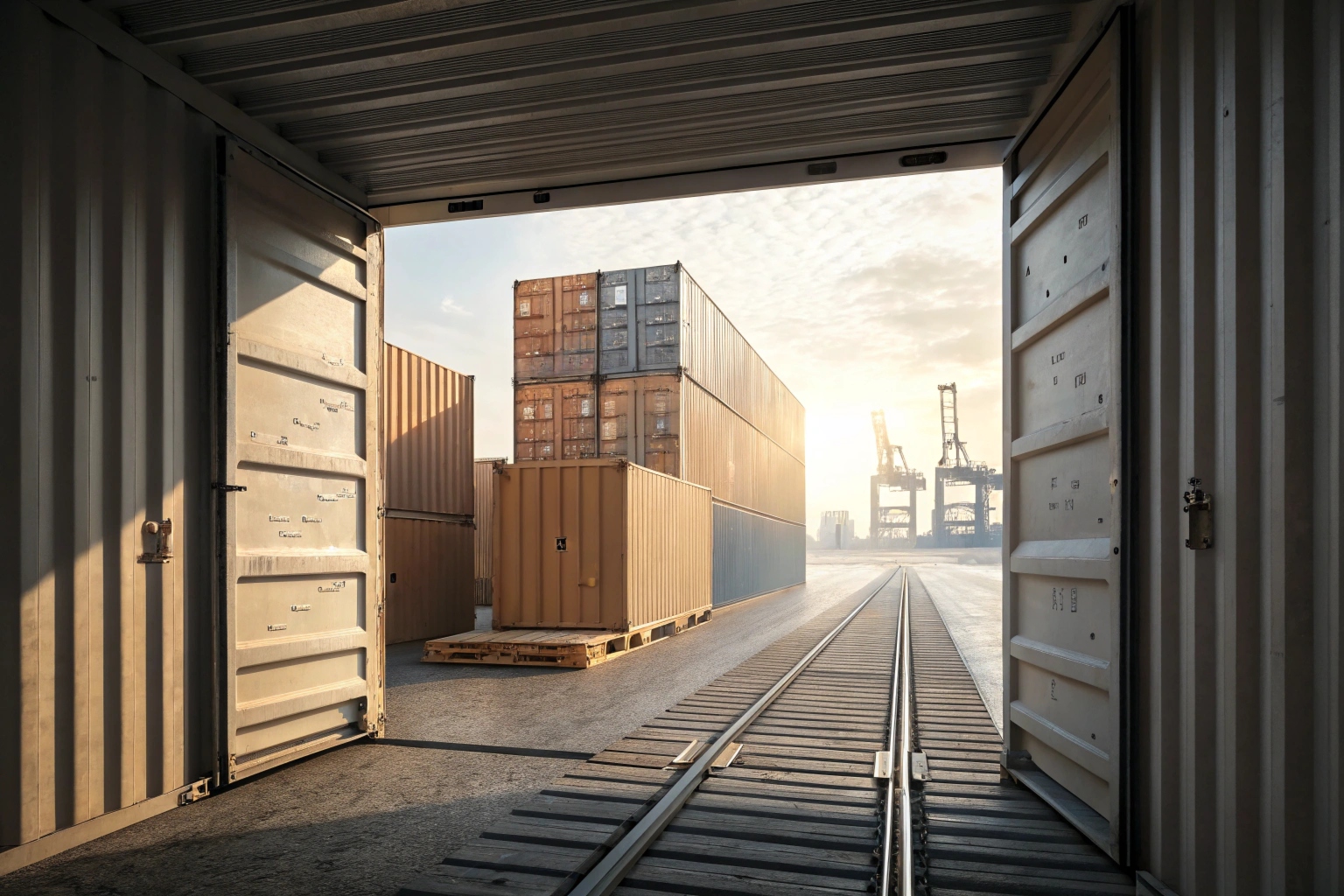
I know that the cost of the product is not the only cost you care about. You also care about the cost of labor to unload the container and the cost of storage space. If my packaging is bad, your costs go up. If my packaging is smart, your costs go down.
Tailored for Your Equipment
Some of my customers use small forklifts with limited lifting capacity. Others use overhead cranes.
- For Cranes: We can weld "lifting eyes" or lugs onto the steel frames. This lets you hook chains directly to the package for safe lifting.
- For Forklifts: We can create "4-way entry" pallets. Standard pallets often only allow a forklift to enter from the front and back. A 4-way pallet lets you pick it up from the side, which is very helpful in tight spaces.
Maximizing Your Space
Space is money. If you have racking systems, you need the pallets to fit.
- Rack Dimensions: If your racks are 100cm deep, we can ensure the pallet is not 110cm. We cut the wood to fit your shelf.
- Stackability: Standard track shoes are irregular in shape. We can build "box pallets" or steel cages that have flat tops. This allows you to stack them safely on the floor, going 3 or 4 levels high. This can double or triple your storage capacity without building new racks.
Branding and Identity
Since you are a distributor, you might not want your customers to see my factory's name. You want them to see your brand.
- OEM Labeling: We can print your logo, your part numbers, and your barcodes on the labels.
- Color Coding: We can paint the steel frames in your company colors.
- Direct to Customer: If you want us to ship directly to your end-user, we can use "blind shipping" packaging that has no identifying marks from China.
The "Weighing Out" vs. "Cubing Out" Strategy
When we design the packaging, we also look at the shipping container.
- Track shoes are dense. We usually hit the weight limit of the container (Weighing Out) before we fill the space (Cubing Out).
- I can calculate the exact packaging size to maximize the weight allowance. This ensures you are not paying to ship empty air.
Here is how we can adjust for you:
| Requirement | Standard Solution | Custom Solution |
|---|---|---|
| Unloading | Forklift only. | Overhead crane + Forklift. |
| Storage | Single layer floor storage. | Multi-level stackable frames. |
| Identity | Dingtai Factory Label. | Your Brand / Private Label. |
| Size | Standard Export Size. | Custom fit to your warehouse racks. |
We are flexible. We view packaging as part of the service we provide. It is not just about holding the product; it is about adding value to your business.
Conclusion
To summarize, we ensure your track shoe assemblies arrive safe and rust-free by using strong, ISPM-15 certified packaging and a triple-layer rust protection system. Whether you need robust steel cages for security or custom-sized pallets for your warehouse, I am ready to tailor our solutions to fit your business perfectly.
Footnotes
1. Overview of continuous track systems and undercarriage components. ↩︎
2. Specifications and dimensions of standard intermodal shipping containers. ↩︎
3. Properties and composition of Q235 structural carbon steel. ↩︎
4. International standards for regulating wood packaging material. ↩︎
5. Official regulations on importing goods into the United States. ↩︎
6. Information on this ozone-depleting chemical used in fumigation. ↩︎
7. Definition and function of oils used to prevent oxidation. ↩︎
8. How VCI technology protects metals from corrosion chemically. ↩︎
9. Explanation of how silica gel desiccants absorb moisture. ↩︎
10. Understanding humidity levels and their effect on condensation. ↩︎