

I know dealing with customs compliance 1 and remote quality checks can feel like walking through a minefield. You need a manufacturing partner who acts as an extension of your own team.
Yes, Dingtai fully assists with local pre-inspections and certifications. We coordinate with third-party agencies, provide comprehensive technical data, and prepare all necessary documents to ensure your undercarriage parts meet US standards before shipment.
Let me walk you through exactly how we handle these inspections and data requirements to keep your supply chain moving smoothly.
If I hire a 3rd party inspector (like SGS or my own US-based agent), how will you coordinate with them?
You cannot be here to watch every production step, so you hire experts to be your eyes. I treat your inspectors like they are my own team members.
We welcome third-party inspectors like SGS or your agents into our Nan'an facility. We provide full access to production lines, calibrated tools, and a dedicated workspace. My team cooperates fully to ensure they get accurate data quickly and efficiently.

I have worked with many inspectors over the years, and I know exactly what they need to do their job well. When you tell me an agent is coming, I do not view them as an enemy. I view them as a partner who is going to prove our quality to you.
The coordination starts long before they arrive at our factory gate. Once you share their contact details, I reach out to confirm the schedule. We check our production timeline to ensure your order is 100% finished, packed, and staged in our warehouse. There is nothing worse for an inspector than waiting around for paint to dry. We respect their time and your money.
When they arrive, I assign a dedicated engineer to stay with them. This engineer speaks English or works with a translator, so there is no confusion. We provide a clean, well-lit inspection area and all the necessary tools. We have calibrated calipers 2, micrometers, and hardness testers ready. Even if they bring their own equipment, we have backups just in case.
Collaborative Inspection Process
| Action | Dingtai's Role | Inspector's Role | Benefit to You |
|---|---|---|---|
| Preparation | Staging goods and documents | Reviewing order specs | Saves time on site |
| Sampling | Moving boxes with forklifts | Selecting random samples | Ensures true random check |
| Testing | Providing tools and lab access | Verifying measurements | Accurate quality data |
| Resolution | Fixing minor issues instantly | specific defects | No delays for small fixes |
If the inspector finds a small cosmetic issue, like a label that is not straight, we fix it immediately. We do not wait for a report to go to the US and come back. We solve problems on the spot. We also help them move the heavy boxes. Track chains and rollers are heavy, and we want them to inspect the boxes at the bottom of the stack too. We have nothing to hide.
What information do you need from me about my country's specific (e.g., US) requirements?
Every market has different rules, from labeling to material specs. To avoid delays, we need to align our standards before we start manufacturing.
We need your specific technical drawings, material standards (like ASTM), and packaging requirements. Detailed information about local labeling laws and customs documentation helps us prepare the perfect export package for the US market.

To serve you best, communication must be clear from the start. "Good quality" means something different to everyone. For a professional like you, David, I know you rely on specific data points. I need you to share the exact standards you follow.
First, I need your Technical Drawings and Tolerances. Do you follow the original OEM specifications strictly, or do you have a modified design for heavy-duty applications? If you need the track roller ID to be exactly 50mm with a +0.1mm tolerance, I need to know that. If we do not have this, we follow our standard "Dingtai Factory Standard," which is very high, but might differ slightly from your custom needs.
Second, I need to know your Material Requirements. For the US market, we usually use 50Mn or 40Mn2 steel for rollers. If your local regulations or your customers demand a specific ASTM grade 3 of steel, please tell us. We can source that specific raw material for your batch.
Third, Packaging and Labeling are critical for US Customs. We need to know if you require ISPM 15 certified wood pallets 4 (which we always provide for export). We also need your barcode data. If your warehouse uses a scanner, our labels need to work with your system.
Crucial Information Checklist
| Category | Specifics Needed | Why It Matters |
|---|---|---|
| Technical | Drawings, Tolerances, Weight | Ensures parts fit and function correctly. |
| Material | Steel Grade, Hardness Depth | Ensures durability and wear life. |
| Logistics | Pallet size, Max stack height | Ensures safe transport and easy unloading. |
| Legal | HS Codes, Country of Origin Mark | Prevents customs fines and delays. |
The more detail you give me now, the fewer headaches you will have later. We build your requirements into our production instruction sheet (SOP) so every worker on the floor knows exactly what your order needs.
Have you ever exported to countries with very strict pre-inspection rules (like in the Middle East or Africa)?
You might worry that we only understand loose standards. In reality, we regularly ship to the most difficult and regulated markets in the world.
We frequently export to regions with rigorous PVoC programs, such as Saudi Arabia and Africa. This experience makes meeting US requirements straightforward for us, as we are disciplined in following strict compliance and documentation protocols.
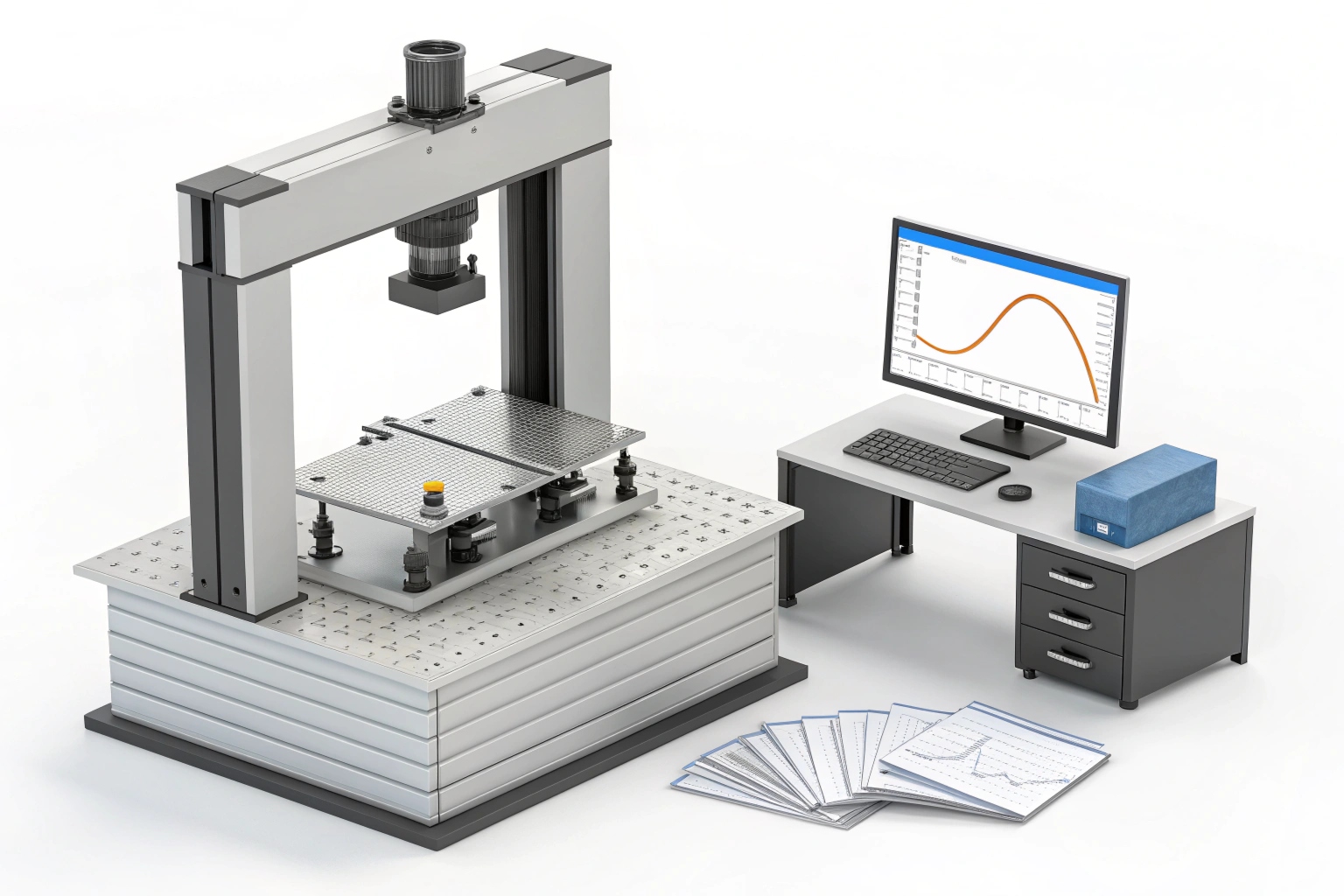
I understand why you ask this. You want to know if we are disciplined. The answer is yes. We export to countries like Saudi Arabia (SASO standard 5) and various African nations that require SONCAP or other Pre-Verification of Conformity 6 (PVoC) certificates.
These inspections are actually much stricter than typical US import checks. In these markets, if a single chemical element in the steel is off by 0.01%, or if the "Made in China" stamp is not permanent, the entire shipment is rejected at the border. There is no room for error.
Because we serve these markets, our factory culture has changed. We do not "guess" if something is okay. We measure it. We have become very good at following the book. When we produce your order for the US, we apply this same discipline.
For example, we know that consistency is key. In strict markets, inspectors will open 50 boxes. If 49 are good and 1 is bad, we fail. This has taught us to maintain quality across the entire batch, not just the samples on top. We check the heat treatment depth 7 on the first roller, the middle roller, and the last roller of the production run.
We are also experts at the paperwork these strict countries require. We know how to match the Commercial Invoice exactly to the Packing List and the Bill of Lading. A small typo can hold up a container for weeks in the Middle East. We bring this attention to detail to your US shipments, ensuring your ISF filing 8 and customs entry are smooth and error-free. You benefit from the hard lessons we learned in the toughest markets on earth.
Will you help prepare all the technical files and QC data needed for my inspector's review?
An inspector cannot do their job without data. I ensure they have every chart, report, and certificate they need the moment they arrive.
We prepare a complete technical package for every order, including mill test certificates, heat treatment charts, and dimensional reports. We organize this data meticulously so your inspector can validate the quality without any guesswork.
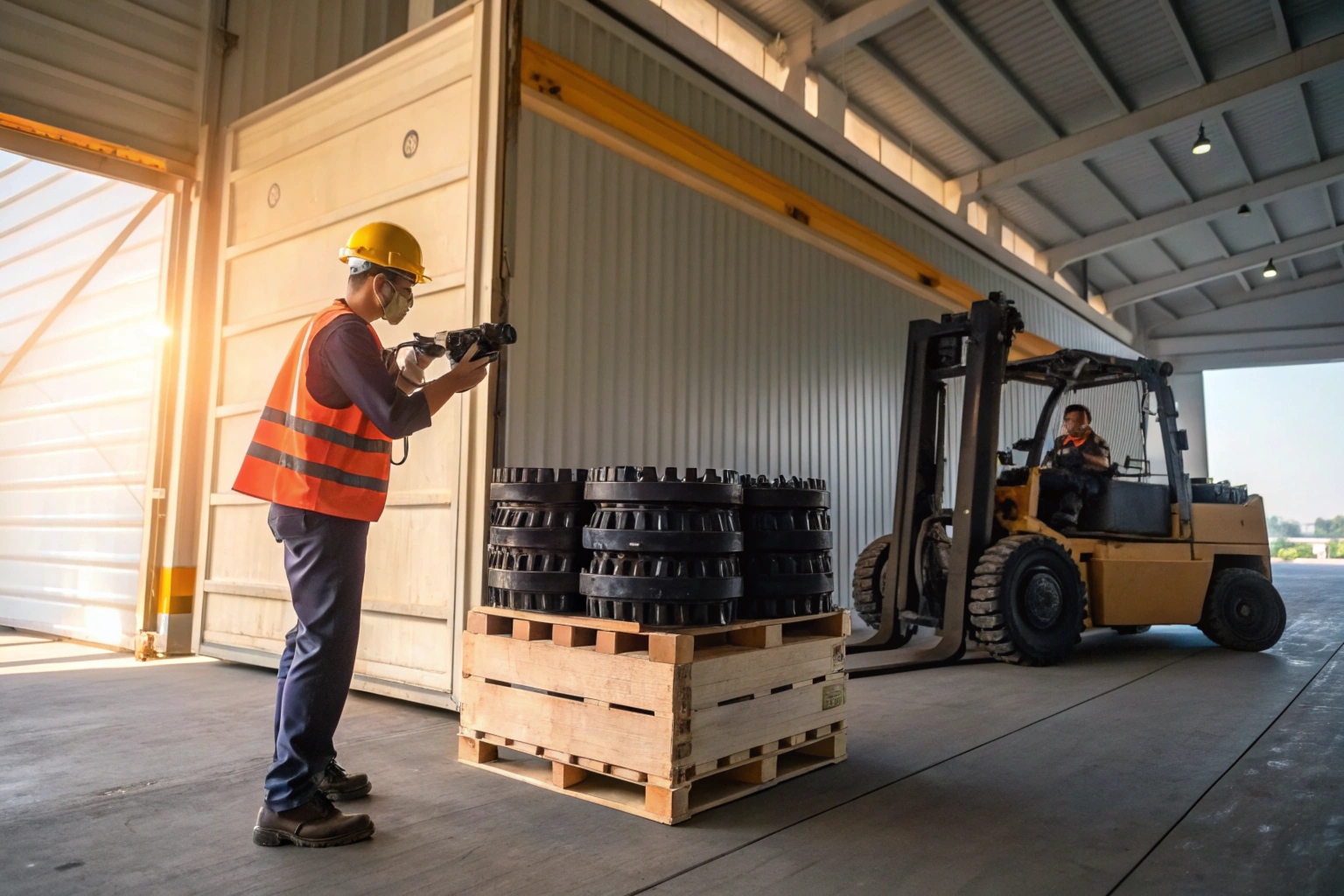
Paperwork is the passport for your products. I know that for a technical expert like you, the physical part is only half the product. The data proves the quality. We do not expect your inspector to take our word for it. We give them the evidence.
When we prepare for an inspection, we build a Technical Construction File (TCF). This folder sits on the desk waiting for the agent. It contains the history of your product from the mine to the final paint.
First, we include the Raw Material Certificates 9 (Mill Certs). These come from the steel plant and prove the chemical composition (Carbon, Manganese, etc.). We verify this against your requirements.
Second, we provide Heat Treatment Charts. Since undercarriage parts depend on proper hardening, we provide the graphs from our furnaces. These show the temperature curves and quenching times. It proves the core was treated correctly, not just the surface.
Third, we include our internal Dimensional Reports. My QC staff measures key dimensions (ID, OD, Pitch) on a statistical sample and records the actual values, not just "Pass/Fail."
The Data Package We Provide
| Document | Purpose |
|---|---|
| Mill Test Certificate | Proves the steel quality and chemistry. |
| Heat Treatment Graph | Proves the hardening process was consistent. |
| Hardness Report | Shows HRC values for surface and core depth. |
| Dimension Log | detailed measurements of critical fitment areas. |
| Magnetic Particle Test 10 | Proves there are no invisible cracks (NDT). |
We can email this package to you before the inspector arrives so you can review it first. If you want, we can also print a copy and place it inside the lead carton of the shipment. This transparency saves time. The inspector does not have to hunt for information. It is all right there, proving that Dingtai parts are built to last.
Conclusion
We handle the heavy lifting of inspections and certification so you don't have to. You get verified quality, complete data, and a smooth import process every time.
Footnotes
1. Official guide on US Customs regulations and compliance for importers. ↩︎
2. International standards for competence in testing and calibration laboratories. ↩︎
3. Searchable database of steel standards for industrial applications. ↩︎
4. Global regulation for wood packaging material in international trade. ↩︎
5. Official Saudi Standards, Metrology and Quality Organization website. ↩︎
6. Services ensuring products meet regulatory standards for destination markets. ↩︎
7. Resources on materials information and thermal processing technologies. ↩︎
8. Mandatory security filing requirements for US-bound ocean cargo. ↩︎
9. Explanation of documents certifying chemical and physical properties of metal. ↩︎
10. Standard practice for non-destructive testing using magnetic particles. ↩︎