
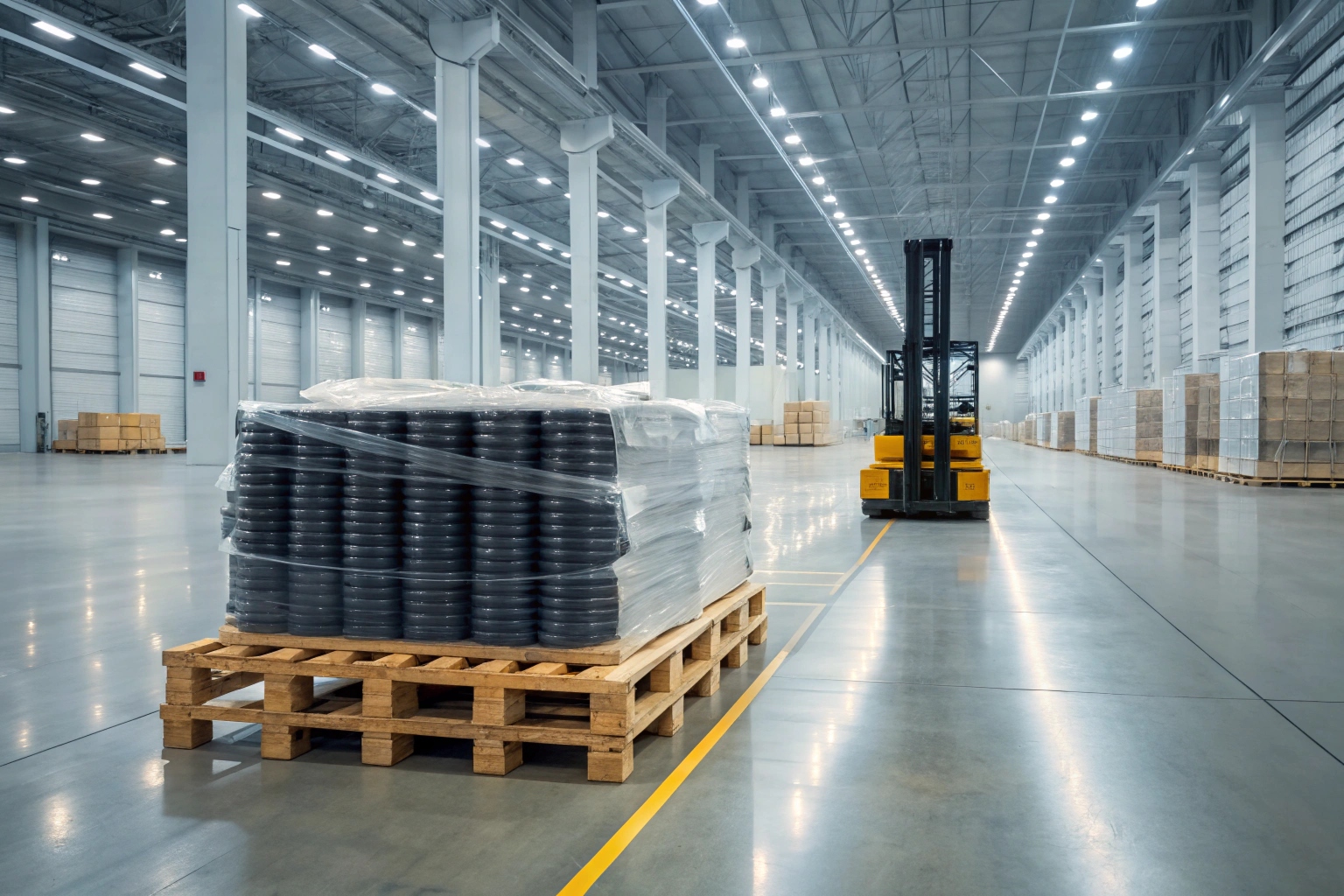
I know the frustration of having a shipment flagged for a simple document. You worry about storage fees 1 piling up while your parts sit at the port. I want to remove that stress for you completely.
Yes, I provide a standard Certificate of Origin (COO) for every track shoe assembly order. This official document verifies the manufacturing location, ensures compliance with US Customs regulations, and helps determine precise duty rates for your heavy machinery parts.
Let’s walk through the details of this document so you can feel confident that your shipment will clear customs smoothly and arrive at your warehouse on time.
Why does US Customs require a Certificate of Origin for goods from China?
I understand that it feels like unnecessary red tape when the product is clearly marked. You just want to clear your goods and get them to your customers without answering endless questions.
US Customs requires this document to strictly enforce trade laws and determine applicable tariffs. Since track shoe assemblies fall under specific trade agreements and Section 301 duties, the COO provides legal proof of the country of manufacture to prevent fraud.
The Critical Role of Origin Verification
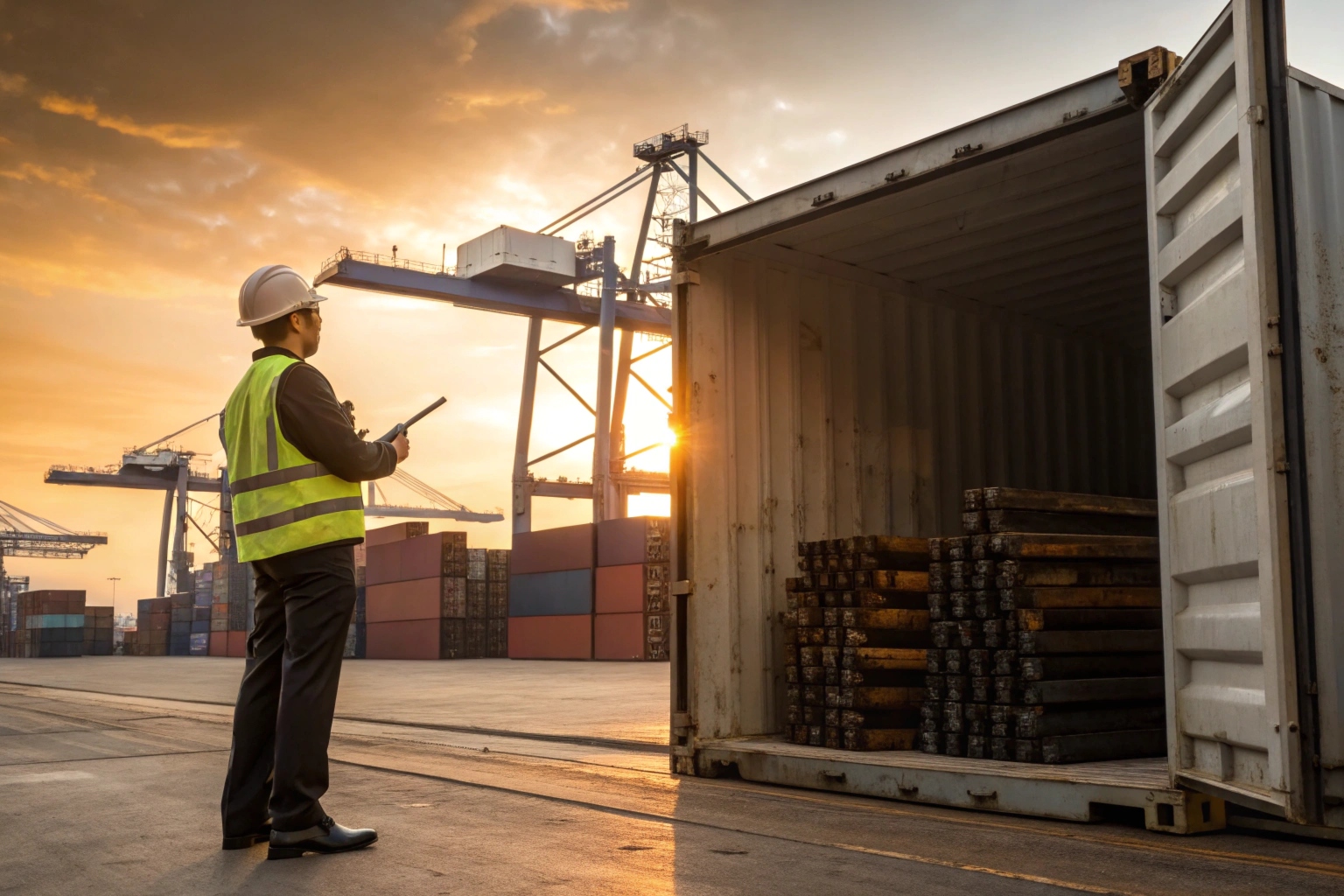
To understand why this document is so important, we need to look at the current trade environment. The Certificate of Origin (COO) is not just a formality; it is a primary tool for enforcement.
Determining Duty Rates and Section 301
Since the implementation of Section 301 tariffs 2, the duty rates for Chinese industrial products have increased. Customs officers must be absolutely certain where the goods originate to apply the correct tax. If a shipment of track shoe assemblies arrives without a valid COO, Customs may default to the highest possible duty rate or hold the cargo for an intensive examination. They need to verify that the goods are indeed from China and not transshipped through another country to evade taxes.
Preventing Transshipment and Fraud
There is a practice called transshipment 3, where a supplier might ship goods from China to a third country (like Vietnam or Malaysia), change the labels, and then ship them to the US to avoid tariffs. This is illegal. By providing a COO issued by the China Council for the Promotion of International Trade 4 (CCPIT), we provide a traceable, legal declaration that protects you. It proves you are importing transparently and complying with US law.
Liability and the Importer of Record
As the Importer of Record 5, you are legally responsible for the accuracy of the data provided to Customs. If an audit happens three years from now, you need a paper trail. The COO is your best defense. It matches the commercial invoice and bill of lading, creating a "perfect match" in your documentation that auditors look for.
Risks of Missing Documentation
| Risk Factor | Consequence for the Importer |
|---|---|
| Customs Hold | shipment sits at the port; storage fees (demurrage) accrue daily. |
| Duty Miscalculation | You may pay a higher "all others" duty rate instead of the specific rate. |
| Audit Trigger | Frequent missing documents flag your company for future inspections. |
| Supply Chain Delay | Your customer waits for parts, potentially cancelling their order. |
Is this a standard document you (Dingtai) provide for all your US shipments, and is there a fee?
I know you hate seeing surprise charges on your final invoice. It breaks trust when a supplier asks for extra money for something that should be basic and included.
I provide the standard Certificate of Origin as a complimentary part of our service for all US shipments. At Dingtai, we believe essential export documentation should be included in the order to ensure a seamless and cost-effective delivery experience.

Our Documentation Policy
At Dingtai, we view the Certificate of Origin as a standard component of the product, just like the paint on the track shoe or the pallet it sits on. We do not believe in "nickel and diming" our long-term partners for paperwork that is required for the sale to happen.
The Standard Process
When your order of track shoe assemblies is ready, my logistics team automatically applies for the COO through the Chinese government's "Single Window" system.
- We input the invoice details, HS code 6 (8431.43.90), and shipping information.
- The CCPIT reviews and approves the data.
- We print, stamp, and sign the document.
- We send you a digital copy for review and courier the original with the Bill of Lading 7.
This standard process incurs a small administrative cost on our end, but we absorb it. We want your experience to be "frictionless." You place the order, and the documents arrive correctly.
When Fees Might Occur
While the standard COO is free, I want to be transparent about the rare situations where a fee might apply. These are usually due to third-party requirements or changes made after the fact.
- Embassy Legalization: If you ever ship to a country that requires the COO to be physically signed and stamped by their embassy in Beijing (common for some Middle Eastern countries, but not the US), there is a significant third-party fee. We would pass this receipt cost to you.
- Courier Separation: If you need the COO sent to a different address than the Bill of Lading (for example, directly to a bank for a Letter of Credit), the extra courier fee would apply.
- Amendments: If you request a change to the Consignee Name or Gross Weight after the certificate has already been issued, the authorities charge a modification fee.
Fee Structure Comparison
| Document Type | Cost from Dingtai | Notes |
|---|---|---|
| Standard COO | $0.00 (Free) | Included with every order. |
| Form A / Form E | $0.00 (Free) | If applicable to the destination. |
| Embassy Legalization | At Cost | Only if required by specific country law. |
| Post-Issuance Edit | ~$25.00 | Fee charged by the issuing authority for corrections. |
What is the difference between a "GSP" or "Form A" and a standard COO?
Terminology in international trade can be confusing and outdated. You might hear old terms from brokers or read old articles that do not apply to today's regulations.
Form A was for the Generalized System of Preferences (GSP), which no longer applies to China. For current US imports, you only need the standard non-preferential Certificate of Origin to verify the goods were manufactured in China.

The Evolution of Trade Forms
It is crucial to use the correct terminology so you do not waste time requesting documents that are legally obsolete for your specific trade route.
The "Form A" (GSP) Era
Years ago, the Generalized System of Preferences 8 (GSP) allowed developing countries to export goods to wealthy nations (like the US or EU) with lower duties. The document used to claim this benefit was called "Form A." However, as China's economy grew, it was "graduated" from this program. The US no longer considers China a beneficiary of GSP. Therefore, a Form A from China to the US is useless today. It grants no tax benefits and might even confuse a customs officer.
The Standard Non-Preferential COO
Today, for US imports, we use the "Non-Preferential" Certificate of Origin.
- "Non-Preferential" means it does not claim a special low tax rate based on a treaty. It simply states facts: "This track shoe assembly was made in China."
- It serves to enforce quotas, anti-dumping laws, and accurate statistics.
- It is the standard requirement for almost all general trade where no Free Trade Agreement 9 (FTA) exists.
Why the Distinction Matters
If you ask for a "Form A," a supplier might say "yes" just to please you, but then issue a document that is invalid. This leads to a "discrepancy" in your paperwork. Banks often reject Letters of Credit if the document name does not match exactly. By understanding that you need a "Standard COO" (often just called a "CO"), you ensure your instructions are clear and your customs clearance is fast.
Key Differences at a Glance
| Feature | Form A (GSP) | Standard COO |
|---|---|---|
| Purpose | Claim duty reduction (tax break). | Verify origin for compliance. |
| China Status | Expired / Invalid for US | Valid & Required |
| Issuing Body | Customs Authority. | CCPIT / Chamber of Commerce. |
| Main Use | Developing nations to Developed nations. | General global trade. |
If I re-export these parts, can you provide other forms (like Form E) for other countries?
You might want to sell our parts to markets outside the US. Expanding your business globally requires flexible documentation to meet different regional rules.
Yes, I can provide specific forms like Form E for ASEAN countries if we ship directly to those regions. We verify the substantial transformation and regional value content to ensure your re-export projects qualify for available duty benefits.
Managing Global Logistics and Re-Exports
Many of our clients are not just end-users; they are global distributors. You might buy a container of track chains for your US warehouse, but also have a project in Vietnam or Chile. The documentation needs change based on the final destination.
The "Direct Consignment" Rule
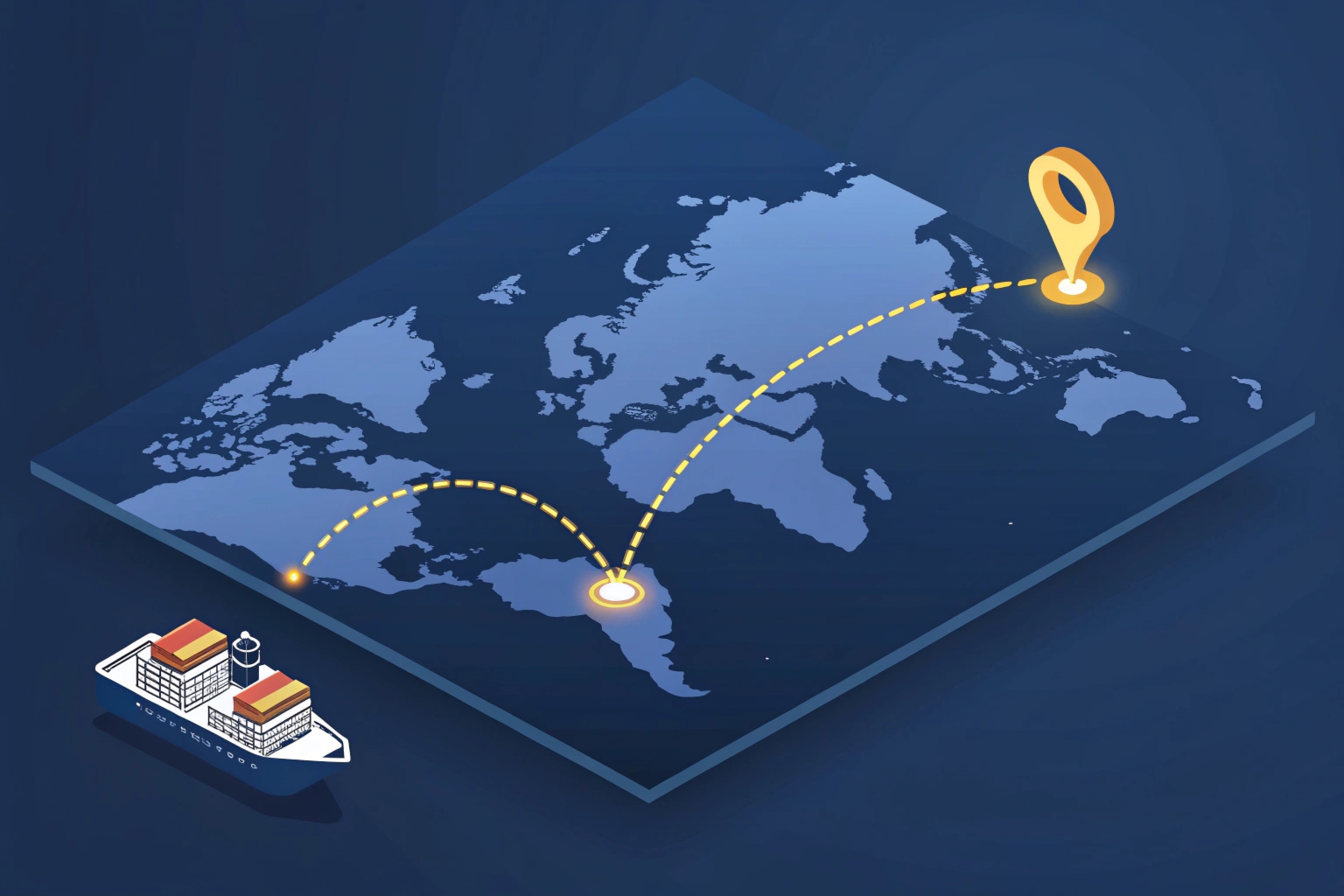
Most preferential trade certificates (like Form E for ASEAN or Form F for Chile) have a strict rule called "Direct Consignment." This means the goods must travel directly from China to the destination country to qualify for low duties.
- Scenario A: I ship to your warehouse in the US. You hold the stock, then sell it to Vietnam. In this case, I cannot issue a Form E. The goods have entered US commerce. You would need to issue a US Certificate of Origin stating "Chinese Origin."
- Scenario B (Drop Shipping): You sell to a customer in Vietnam, but you ask me to ship the container directly from China to Vietnam. In this case, I can issue a Form E. Your customer in Vietnam pays zero duty.
Regional Value Content (RVC)
To issue these special forms, we must prove "Substantial Transformation." For a track shoe assembly, this is easy for us to prove.
- Raw Material: We start with raw steel bars and plates.
- Process: We perform heating, forging, machining, drilling, heat treatment, painting, and assembly.
- Value Add: The cost of processing and labor in our factory adds significant value to the raw material.
- Result: We easily exceed the 40% Regional Value Content 10 (RVC) requirement for most Free Trade Agreements.
Available Certificates
We are registered to issue all major trade certificates. This flexibility supports your global expansion.
List of Specialized Forms We Support
| Form Name | Target Region | Benefit |
|---|---|---|
| Form E | ASEAN (Vietnam, Thailand, Indonesia, etc.) | Duty Free (0%) |
| Form F | Chile | Duty Reduction |
| Form R | RCEP Member Countries | Duty Reduction |
| Form B | Asia-Pacific Trade Agreement (APTA) | Duty Reduction |
| Form FTA | China-Australia / China-Korea | Duty Free |
Conclusion
Getting the documentation right is just as important as the quality of the steel. A missing Certificate of Origin can turn a profitable order into a loss due to customs delays. At Dingtai, I provide the standard COO for free with every US shipment to ensure your compliance. If you have global projects, I can also handle complex forms like Form E. I handle the paperwork so you can focus on growing your business.
Would you like me to email you a sample draft of a Certificate of Origin filled out with your specific company details for review?
Footnotes
1. Explanation of demurrage charges incurred when cargo remains at terminals too long. ↩︎
2. Official USTR information on Section 301 tariffs affecting Chinese imports. ↩︎
3. Definition of transshipment and its impact on trade enforcement. ↩︎
4. Official site of the agency responsible for issuing Chinese trade certificates. ↩︎
5. Breakdown of the legal responsibilities for the Importer of Record. ↩︎
6. Guide to the Harmonized System codes for product classification. ↩︎
7. Definition of a Bill of Lading and its role in logistics. ↩︎
8. Details on the Generalized System of Preferences and beneficiary countries. ↩︎
9. Overview of US Free Trade Agreements and their benefits. ↩︎
10. Explanation of how Regional Value Content is calculated for trade origin. ↩︎