
The logistics of handling large track shoe assembly orders can be quite complex. From maintaining cash flow to optimizing warehouse space 1, businesses face unique challenges that demand flexible solutions.
Split deliveries and a rolling production schedule offer viable strategies for large track shoe assembly orders. Both allow for better inventory management, avoid operational bottlenecks, and optimize transportation costs. By providing options for flexible shipment schedules, manufacturers can address varying project deadlines and logistical needs efficiently.
Production scheduling 2 is a vital component in managing large orders effectively. Both split deliveries and rolling production allow for transparency and flexibility, ensuring customer satisfaction with timely shipments.
Can I place a single, large annual PO and request 12 fixed monthly shipments?
Placing a single large annual purchase order (PO) for track shoe assemblies but expecting monthly deliveries poses its own set of challenges. Can producers adapt to such demands without quality or operational strain?
Yes, you can place a large annual purchase order and agree to monthly shipments. This arrangement helps in planning production and inventory management. However, it requires careful coordination between the supplier and buyer to ensure timely deliveries are met with the demanded quantity. Suppliers can adjust production capacity and logistics schedules to conform to these needs.

When such an agreement is implemented, production lines operate under a well-coordinated schedule that balances operational efficiency 3 and inventory needs. A table below illustrates potential planning factors for monthly shipments:
| Month | Production Capacity | Expected Deliveries | Constraints |
|---|---|---|---|
| January | High | 1000 units | N/A |
| February | Moderate | 1000 units | Supplier holidays |
| March | High | 1000 units | N/A |
| April | Moderate | 1000 units | Material lead times 4 |
Effective coordination with suppliers allows manufacturers to accommodate such demands, integrating advanced planning systems to effectively plan production without sacrificing quality.
How does a rolling schedule agreement affect my pricing and payment terms?
For many businesses, the pricing and payment terms of rolling production schedules can impact budget planning. Let's delve into these potential adjustments.
A rolling schedule agreement may slightly influence pricing due to changes in production logistics, but it often stabilizes cash flow with staggered payments. By offering monthly billing based on shipment instead of a single lump sum, buyers can better manage their financial obligations while suppliers gain greater predictability in their revenue streams.

Dive deeper into the effects of rolling schedules:
Flexibility in production scheduling can provide far-reaching benefits in logistics efficiency 5. Here's a breakdown of potential impacts:
| Factor | Effect on Costs | Payment Terms |
|---|---|---|
| Material Stocking | Reduced risk of overstocking | Staggered payments per shipment |
| Labor Allocation | Balanced workload distribution | Monthly billing adjustments |
| Transport Efficiency | Better freight optimization 6 | Standardized shipping costs |
Rolling schedules can improve financial stability for both buyers and suppliers by offering better terms. Establishing clear metrics to monitor delivery timelines and quality control 7 is essential in deriving the maximum value from this approach.
What is the benefit to me (e.g., cash flow, warehouse space) of a rolling schedule?
Financial stability and operational flexibility become crucial for businesses handling large orders. A rolling schedule might be the harbinger of such benefits.
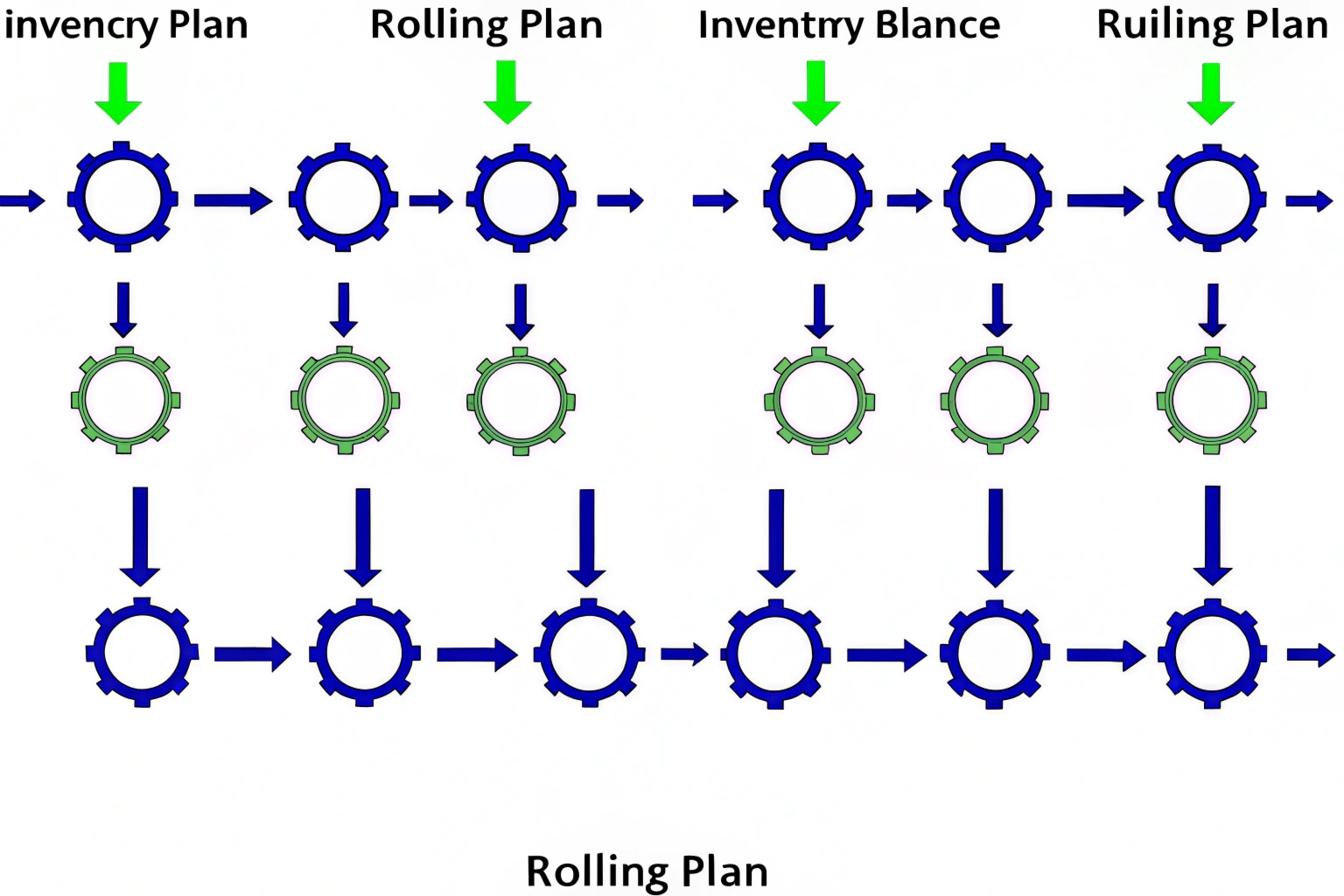
Rolling schedules provide significant advantages like improved cash flow and optimized warehouse space. By spreading out deliveries over a set period, customers can manage inventory more efficiently, reducing the pressure on storage facilities and ensuring steady cash flow through staggered payments.
The benefits extend beyond financial and logistical realms:
- Cash Flow Management: Avoiding large up-front payments allows businesses to maintain healthier economic conditions, redirecting capital effectively.
- Warehouse Space Optimization: Incremental deliveries reduce the pressure on storage areas, preventing costly overflow storage needs.
- Operational Agility: With continuous real-time adjustments in forecast planning 8, businesses can better align production schedules with demand patterns, mitigating risks associated with overproduction or sudden demand spikes.
Tables and performance metrics can present these advantages in a clearer perspective:
| Advantage | Description | Measurement |
|---|---|---|
| Cash Flow Optimization | Better capital distribution | Monthly investment retargeting |
| Warehouse Space Efficiency | Reduced storage costs | Decreased demurrage charges 9 |
| Operational Agility | Real-time scheduling adjustments | Production cycle adaptability |
How much flexibility do I have to change my monthly shipment quantities if my forecast changes?
In the dynamic business environments, forecasting changes are inevitable. Understanding the flexibility to adjust shipment quantities becomes indispensable.
Most manufacturers offer some flexibility in adjusting shipment quantities based on updated forecasts. This typically requires a timely request and confirmation through formal agreements. Buyers should communicate forecast changes at least several weeks ahead of planned shipments to allow suppliers to adjust their production schedules accordingly.

Here's how adjustments can unfold:
- Forecast Communication: Establish clear communication channels with suppliers for immediate adjustments in case of sudden demand changes.
- Advanced Planning Systems (APS): Utilize APS to convert updated demands into revised production schedules without disrupting other ongoing commitments.
- Contractual Terms: Flexibility often comes with predefined conditions within the contract, allowing modifications without complete upheaval of production plans.
Manufacturers could benefit from deploying dynamic APS and logistics setups that align well with varying delivery demands. Here's a representation of planning factors with varying shipment numbers:
| Month | Planned Shipment | Adjusted Shipment | Coordination Timeline |
|---|---|---|---|
| May | 800 units | 1000 units | 2-week advance notice |
| June | 1000 units | 900 units | 3-week advance notice |
| July | 1200 units | 1100 units | 1-week advance notice |
Adjusting shipments expeditiously requires robust system setups and agreed terms, fostering a responsive supply chain 10 capable of adapting to market demands.
Conclusion
Split deliveries and rolling production schedules provide vital flexibility and financial efficiency. The combination can yield significant advantages in logistics, cash flow, and warehouse space management for large track shoe assembly orders.
Footnotes
1. Strategies to maximize storage density and flow in industrial warehouses. ↩︎
2. Overview of planning processes for manufacturing allocation and timelines. ↩︎
3. Methods to reduce waste and improve business process speed. ↩︎
4. Understanding delays between ordering materials and their delivery. ↩︎
5. Best practices for streamlining transportation and distribution networks. ↩︎
6. Techniques to maximize cargo load and reduce shipping costs. ↩︎
7. Standards and procedures for ensuring product consistency and safety. ↩︎
8. Techniques for predicting future demand to plan production. ↩︎
9. Fees incurred for failing to unload shipping containers on time. ↩︎
10. Capability of a supply chain to adapt quickly to changes. ↩︎