
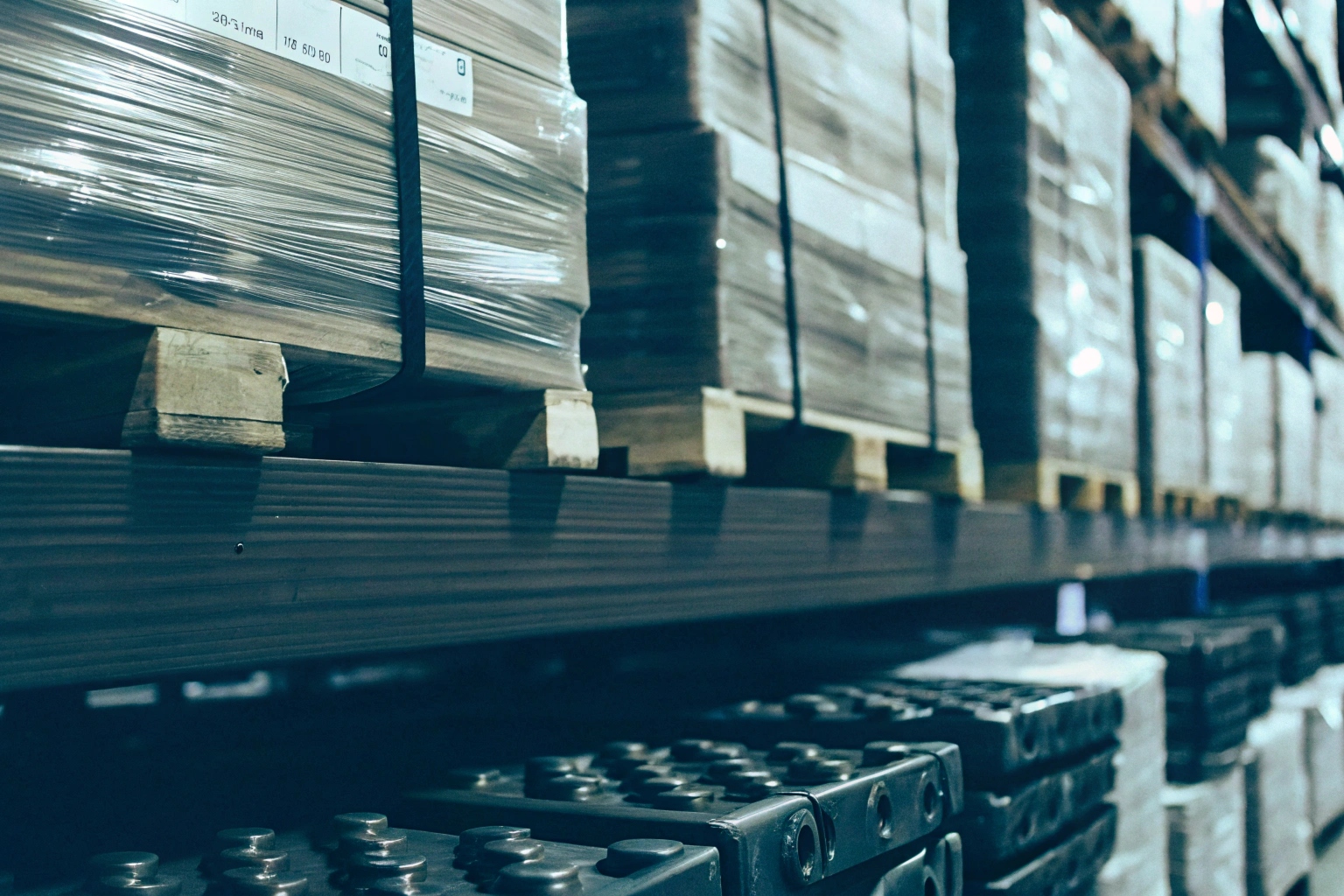
Waiting for parts hurts your bottom line and damages your reputation. You worry about delayed shipments, angry customers, and lost sales opportunities. I understand this stress because I see how much pressure procurement directors face every day.
Yes, we maintain a robust safety stock program to protect your supply chain. We keep high-demand parts for Caterpillar and Komatsu ready to ship immediately. We also offer dedicated inventory agreements, ensuring you get the parts you need exactly when you need them, without long manufacturing delays.
Every successful distributor knows that availability is just as important as quality. If you have the best product but cannot deliver it, your customer will go elsewhere. That is why we moved beyond just being a "make-to-order" factory. We now act as a strategic warehouse 1 partner for our clients. In the following sections, I will explain how our inventory system works, how we categorize our stock, and how you can lock in your supply with us.
Do you stock high-demand models (like for CAT or Komatsu) in your Dingtai warehouse?
You need to know if we have the most popular items ready to go right now. You cannot afford to wait forty-five days for a standard replacement part that you sell every week.
We stock popular models like CAT E320, PC200, and ZX200 in our Fujian warehouse. These "Grade A" items are always available. We keep enough stock to cover 15 to 30 days of regular market orders, so we can ship them to you immediately.
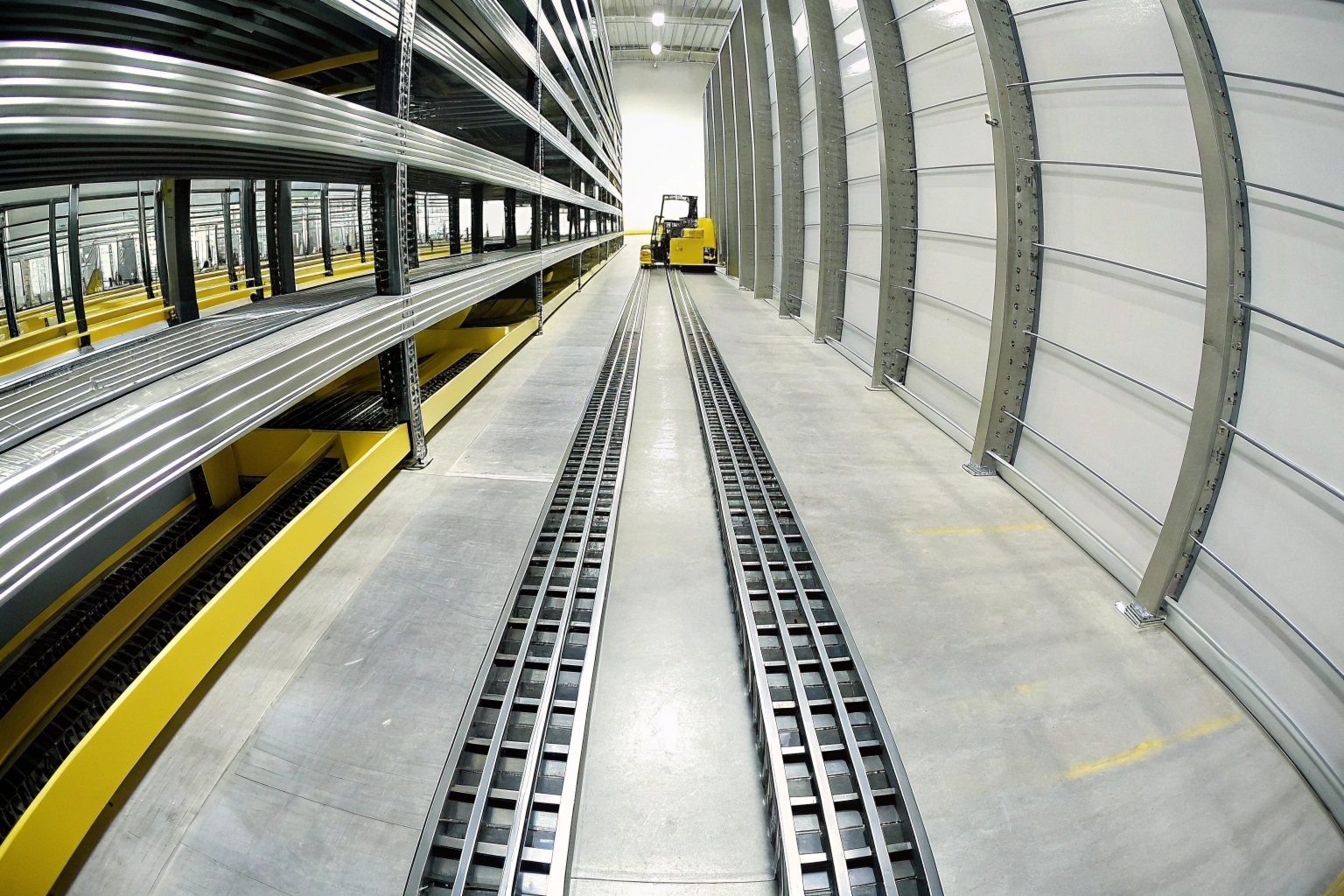
We treat inventory management as a science, not a guessing game. At Dingtai, we understand that about 20% of the machine models account for 80% of the market demand. Models like the Komatsu PC200 or the Caterpillar 2 D6 are the workhorses of the industry. Because of this, we cannot treat them the same way we treat a rare, custom order for a specialized mining machine. We have built a tiered safety stock system to manage this effectively.
How Our Tiered Inventory System Works
We divide our products into three distinct categories based on market data and historical sales. This helps us decide what to keep on the shelf and what to keep as raw material.
- Grade A (High Frequency): These are the fast movers. For these, we do not wait for an order to start production. We produce them continuously. Our goal is to always have at least one month of supply sitting in our warehouse in Nan'an. If you call me today for a standard PC200 track chain, I want to say "yes" instantly.
- Grade B (Medium Frequency): These items sell regularly but not daily. For these, we keep semi-finished goods. We might have the track links forged and heat-treated, but not yet assembled. This allows us to assemble and ship within 10 days.
- Grade C (Low Frequency): These are special orders. We keep the raw steel bars and materials in stock, but we do not start manufacturing until we get a confirmed order.
The Role of Technology in Stocking
We do not rely on manual counting. We use an Enterprise Resource Planning 3 system to monitor our levels. We set a "re-order point" for every Grade A item. For example, if our safe level for a specific track shoe assembly is 500 units, as soon as the stock drops to 550, the system automatically alerts our production manager. This triggers a new production run immediately.
This system is vital for you. It means we are replenishing our stock before we run out. You do not have to worry about us being empty when you send your purchase order. We also look at seasonal trends. We know that construction ramps up in March and September. So, in January and July, we artificially raise our safety stock 4 limits to prepare for that rush.
Quality Control for Stock Items
Some buyers worry that "stock items" might be older or less inspected. This is not true at Dingtai. Every single item that enters our safety stock goes through the exact same quality control process 5 as a custom order. We check the hardness, we check the dimensions, and we log the data. When you buy from stock, we simply pull the existing quality reports for that batch and send them to you. You get the same guarantee of quality, just faster.
| Stock Category | Examples (Models) | Readiness Level | Typical Lead Time |
|---|---|---|---|
| Grade A | CAT E320, PC200, PC60 | Finished Goods on Shelf | 3-7 Days |
| Grade B | D85, ZX450, Large Mining | Semi-Finished / Forgings | 10-15 Days |
| Grade C | Old Models, Custom Specs | Raw Material Only | 30-45 Days |
Can I enter a stocking agreement where you hold dedicated inventory just for my company?
General stock is good, but you have big contracts to fill. You worry that another buyer might take the stock before you do. You want a guarantee that specific parts are sitting there with your name on them.
You can absolutely enter a stocking agreement with us. We will hold specific inventory in our factory just for your company. This ensures your parts are ready whenever you place a release order, shielding you from shortages and price fluctuations.

For a professional distributor like you, a dedicated stocking agreement is the best way to secure your supply chain 6. This is different from our general safety stock. General stock is "first come, first served." If a big buyer from Europe comes in and buys all our PC200 chains, the shelf is empty until we refill it. A dedicated stocking agreement prevents this. It creates a private reserve that only you can touch.
Why You Should Consider Dedicated Stock
The biggest benefit is speed and reliability. Imagine you have a customer who needs a replacement undercarriage for a bulldozer immediately. If you have to wait for us to manufacture it from scratch, you might lose that sale. With a dedicated stock agreement, the parts are already made. You just send us a shipping instruction, and we load the container.
Another huge benefit is price stability. We manufacture the parts based on the raw material price 7 at the time of the agreement. If the global price of steel skyrockets three months later, it does not affect you. You have already locked in your price. This helps you manage your budget and profit margins much better.
How We Manage Your Private Inventory
When we sign this agreement, we physically segregate your stock in our warehouse. We label it with your company code. It does not show up as "available" to our other sales staff.
- Planning: We sit down and look at your annual sales. You tell me, "Grace, I usually sell 500 track groups a year."
- Production: We agree to produce a batch every quarter to keep your reserve full.
- Warehousing: We keep the goods in our Fujian facility. You do not have to pay for the storage space in the US. You save money on warehousing costs.
- Reporting: I will send you a monthly report showing exactly what you have in our warehouse. You know exactly what is available to ship.
The Problem This Solves
I have seen many distributors struggle when raw material shortages hit China. Environmental inspections or power rationing can sometimes slow down production across the country. If you rely on spot buying (buying only when you need it), you are vulnerable to these delays. But if you have a stocking agreement, your goods are already finished. You are immune to production delays because the work is already done. It is the ultimate insurance policy for your business.
Dedicated vs. General Stock Comparison
| Feature | General Safety Stock | Dedicated Stocking Agreement |
|---|---|---|
| Access | First come, first served | Exclusive to you |
| Price | Current market price | Locked at agreement time |
| Availability | High, but can run out | 100% Guaranteed |
| Storage Cost | Free | Free (within agreed term) |
| Risk | Low | Zero |
What are the terms (e.g., payment, commitment) for me to get a dedicated stocking program?
You are interested in the program, but you need to know the cost. You want to know what financial commitment you have to make and what risks you might face.
To start a dedicated program, we usually need a rolling forecast from you. Payment terms often involve a deposit for the reserved stock. We ask for a commitment to take the inventory within an agreed timeframe, usually six to twelve months.

We try to keep the terms as fair and simple as possible. We view this as a partnership. We invest our manufacturing capacity and storage space, and you invest your commitment to purchase. This mutual "skin in the game" ensures that both sides take the agreement seriously.
The Forecasting Requirement
The first thing we need is data. We cannot build a stocking program on a guess. We need you to share your sales history or your projected needs. We typically use a Rolling Forecast 8. This means you give us a plan for the next 12 months, and we update it every 3 months.
You do not have to be 100% perfect with your numbers. We understand that markets change. However, we need a baseline accuracy of around 80%. This helps us buy the right amount of steel and schedule our heat-treatment 9 furnaces efficiently. If you see a sudden drop in demand, we just need you to communicate that early so we can slow down production.
Financial Commitments
Since we are using our cash to buy materials and pay workers to build products that will sit on a shelf, we need some financial security.
- The Deposit: Usually, we ask for a 20% to 30% deposit on the value of the stock we hold for you. This confirms your intent to buy.
- Balance Payment: You pay the remaining 70% or 80% only when you actually "call off" (release) the goods. If you pull 100 track shoes out of the stock to ship to New York, you pay the balance for those 100 shoes then.
- Currency: We usually stick to USD to keep things simple for you.
Time Limits on Inventory
We cannot hold stock indefinitely. Steel can rust if left for years, and rubber seals can degrade. Also, we have limited space in our warehouse. Therefore, our agreements usually have a "must-take" clause.
Typically, the term is 6 to 12 months. This means if we produce a batch for you in January, you agree to ship it out by December. If December comes and you still have stock left, we will ask you to pay the balance and ship it, or we might negotiate a small storage fee to keep it longer. This prevents "dead stock" from piling up.
Flexibility is Key
We are not rigid robots. We know you deal with fluctuating markets. If you have a slow quarter, we can pause the next production batch. If you have a busy quarter, we can speed it up. The most important term in our agreement is communication. As long as we talk openly about what is happening in your market, we can adjust the terms to help you. We want you to sell these parts, not just store them.
Typical Agreement Structure
| Term | Standard Condition | Note |
|---|---|---|
| Deposit | 30% of Stock Value | Secures raw material |
| Duration | 6 - 12 Months | Maximum holding time |
| Re-Order Trigger | Min/Max Levels | Auto-replenish when low |
| Cancellation | 3 Months Notice | Depends on material status |
How quickly can you ship parts that you confirm are in your safety stock?
You have an urgent order. You need to know exactly how many days pass between saying "Go" and the container leaving our factory gate. Speed is everything.
If parts are in our safety stock, we can usually ship them within 3 to 7 days. This allows time for final quality checks, painting, and packing. We work fast to get your container on the water and moving toward your port.
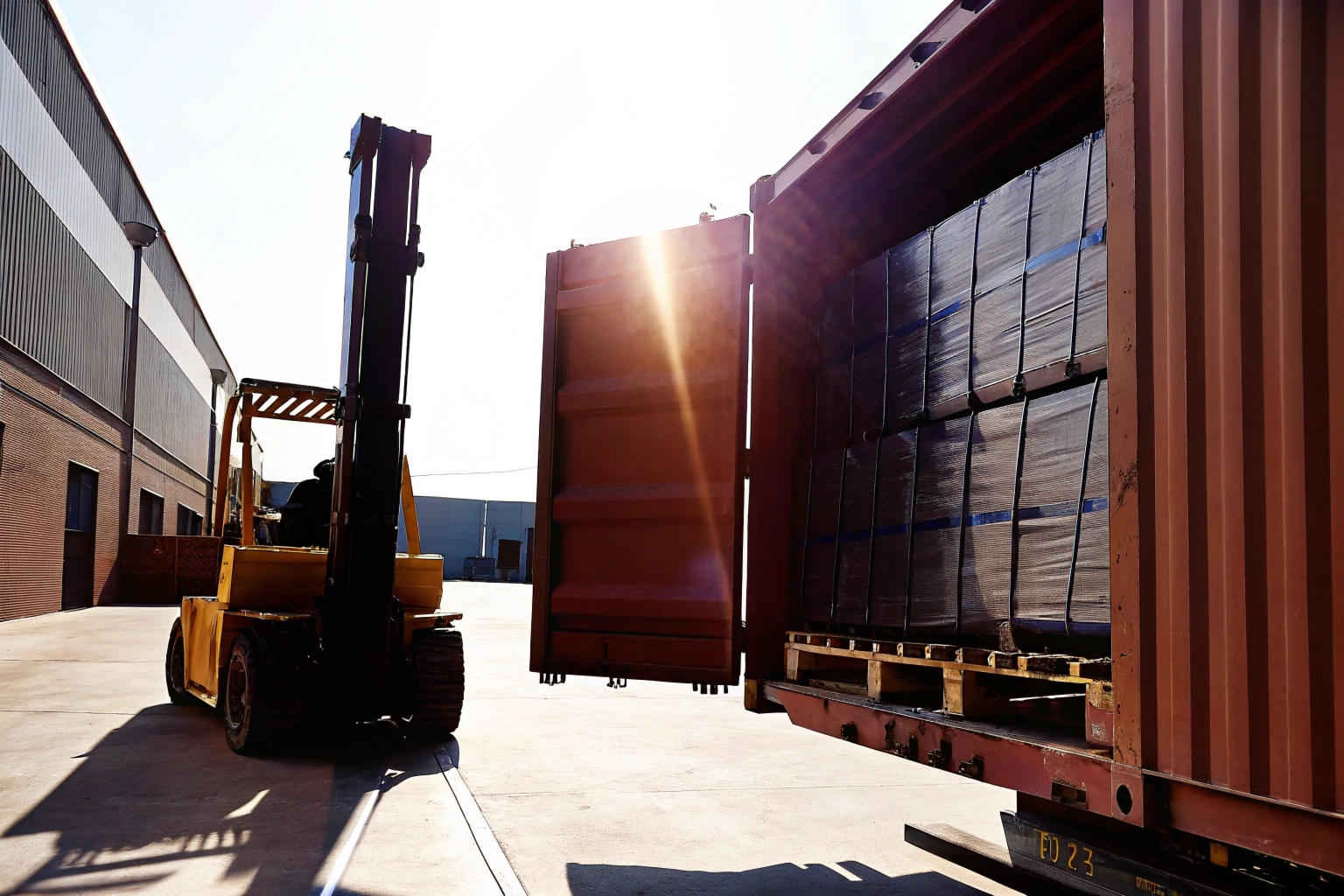
Many people think that "in stock" means we can snap our fingers and the goods appear on a ship. In reality, there is still a necessary logistical process to ensure the goods arrive safely and correctly. However, compared to the 45-60 day manufacturing cycle, a 3-7 day turnaround is incredibly fast.
The Process: From Your Email to the Truck
When you send an email saying, "Grace, ship the 200 track rollers from my stock," here is what happens on our end:
- Day 1: Order Processing & Picking. My team receives the order. We generate a "Picking List" for the warehouse staff. They locate your specific pallets.
- Day 2: Final Quality Check. Even though we checked the parts when we made them, we check them again. We look for any signs of rust or damage that might have happened during storage. We want to be 100% sure.
- Day 3: Painting & Finishing. Often, we store parts in a primer coat or with anti-rust oil. Before shipping, we give them a final coat of Dingtai yellow or black paint (or your custom color) so they look fresh and new. We let them dry.
- Day 4-5: Packing. This is crucial. We pack the heavy bottom rollers and chains onto strong, fumigated wooden pallets 10. We wrap them in weather-proof plastic. We attach your labels and barcodes.
- Day 6-7: Loading & Customs. We call the container truck. We load the pallets. We submit the paperwork to Chinese Customs.
Factors That Influence Speed
While 3 to 7 days is our standard, a few things can change this. The biggest factor is the size of the order. If you ask for one container, it is very fast. If you ask for ten containers at once, we might need a few extra days to pack everything and coordinate the trucks.
Another factor is customization. If you want us to laser-mark your brand logo onto the parts before shipping, this adds about 1 or 2 days to the process. It is a small delay for a big branding benefit.
Emergency "Green Channel"
We know that sometimes you have a "machine down" situation. A customer's bulldozer is broken on a job site, and they are losing money every hour. In these rare cases, we have an emergency protocol.
We can skip the repainting (if you agree). We can prioritize your packing over everyone else. We can work overnight. In these extreme cases, we have managed to get goods out of the factory in 24 to 48 hours. We do not recommend this for every order because it disrupts our flow, but for a loyal partner like you, we will do it when you really need it.
Shipping Mode Considerations
Please remember that "shipping" means leaving our factory. The time on the ocean depends on the shipping line. From Xiamen port to the West Coast of the USA, it usually takes about 16 to 20 days on the water. We help you book the fastest vessel available. We also send you photos of the loading process so you can see your goods are safe and on their way.
Conclusion
We do maintain a strong safety stock program to guarantee your supply. We stock high-demand models for immediate shipment, offer dedicated inventory agreements for your peace of mind, and ensure rapid 3-7 day processing for stock items. We are ready to be the stable partner you need.
Footnotes
1. Guide to best practices for warehouse management systems. ↩︎
2. Official site for Caterpillar equipment and specifications. ↩︎
3. Definition and benefits of ERP software for business. ↩︎
4. Explanation of safety stock for inventory control. ↩︎
5. Standards for maintaining quality in manufacturing processes. ↩︎
6. Overview of supply chain management strategies. ↩︎
7. Current market data for global commodity prices. ↩︎
8. How to use rolling forecasts for financial planning. ↩︎
9. Technical overview of metal heat treatment processes. ↩︎
10. International regulations for wood packaging materials (ISPM 15). ↩︎