
Key Features & Advantages of Excavator Carrier Rollers
- Premium Alloy Construction: Manufactured from high-strength 40Cr and 20CrMnTi alloy steel, these rollers undergo rigorous forging and quenching processes. This achieves a surface hardness of HRC50-58, providing exceptional resistance to abrasion and heavy shock loads.
- Superior Sealing & Lubrication: Equipped with a dual-seal structure and pre-filled with long-life grease, the rollers effectively prevent the intrusion of mud, sand, and water. This design eliminates the need for frequent maintenance and ensures durability in harsh conditions.
- Precision Engineering: High-precision machining guarantees optimal concentricity. This ensures the carrier roller properly supports the track chain to prevent sagging and maintains correct alignment during travel, significantly reducing wear on both the track links and the overall undercarriage system.
- Versatility & Performance: Designed for easy installation across various excavator tonnage classes, these rollers deliver stable performance in complex environments, from rocky mines to soft wetlands. They are a critical component for maximizing machine stability, operational efficiency, and undercarriage service life.
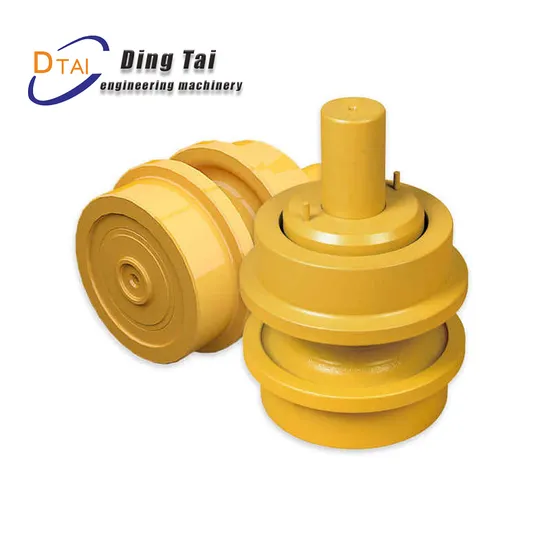
What is an Excavator/Bulldozer Carrier Roller?
The Carrier Roller (also widely known as a Top Roller or Upper Roller) is a fundamental support and guidance component within the undercarriage system. Typically mounted on the upper section of the track frame—positioned near the sprocket with one to two units per side—it serves as the structural link between the track frame and the track group. Manufactured from forged high-strength alloy steel and heat-treated for maximum wear resistance, these rollers feature a sealed, lifetime-lubricated design to withstand diverse and rigorous job site conditions.
Primary Functions
Support & Tension Maintenance: The roller’s core function is to support the weight of the upper track group, preventing excessive sagging or slack in the chain.
Guidance & Alignment: It guides the track chain to ensure straight, consistent movement, preventing track derailment and minimizing vibration during travel.
Operational Stability & Longevity: By providing smooth, high-precision rotation, the carrier roller reduces frictional wear between undercarriage components. This ensures stable machine operation on rough terrain or under heavy loads, significantly extending the service life of the track group and sprockets while improving overall equipment efficiency.
Excavator & Bulldozer Carrier Roller Specifications
| Part Number / Model | Teeth | Bolt Holes | Applicable Models | Applications |
|---|---|---|---|---|
| 140-4022 | 21 | 9 | Cat 302.5 / 302.5C Mini Excavator | Mini excavators, landscaping, and light earthworks. |
| 265-7675 | 24 | 8 | Cat 304CCR, 305CCR Series Mini Excavators | Light to medium soil and fine grading work. |
| 300-4611 | 27 | 12 | Cat 385C, 390D Medium/Large Excavators | Heavy construction, mining, and high-intensity applications. |
| 3T-4618 | 28 | 10 | Cat D8 Series Bulldozers | Medium/Large dozers, earthworks, and heavy-duty mining. |
| YNF17551 | 21 | 16 | Cat 320D and similar class excavators | Medium/Large excavators, heavy-duty mining, and construction projects. |
Common CAT Excavator & Bulldozer Carrier Roller Specifications
| Specification Type | Applicable Equipment | Key Specifications | Application Scenarios |
|---|---|---|---|
| Mini Excavator Carrier Roller | Light hydraulic excavators (e.g., PC20, PC30, etc.) | Small pitch (e.g., 171.45mm, 202.8mm); Lower load capacity. | Light soil work, landscaping, and small site construction. |
| Medium/Large Excavator Carrier Roller | Medium/Large hydraulic excavators (e.g., 30-ton+ equipment) | Larger pitch (215.9mm - 260.35mm); Strong load capacity. | Heavy construction projects, mining, and heavy-duty operations. |
| Small Bulldozer Carrier Roller | Small/Medium dozers (e.g., Shantui SD16, SD22, etc.) | Fewer rollers; Moderate size. | Light to medium earthworks, landscaping, and small land leveling. |
| Large Bulldozer Carrier Roller | Large bulldozers (e.g., Cat D9 series) | Large volume; High load capacity; Designed for heavy loads. | Mine heavy-duty dozing, large volume earthworks, and heavy industrial construction. |
What Key Factors Determine Excavator and Bulldozer Carrier Roller Pricing?
- Raw Material Costs: Carrier rollers are primarily engineered from high-strength steel. Consequently, fluctuations in the global steel market directly impact production costs. When raw material supplies are tight, these costs rise significantly, leading to higher final product pricing.
- Manufacturing Processes & Technology: The complexity of the manufacturing process—including forging, heat treatment, and precision machining—plays a major role in pricing. While advanced processing techniques increase manufacturing expenses, they are essential for ensuring the roller's structural integrity, wear resistance, and long-term durability.
- Specifications & Dimensions: Larger rollers naturally require greater material consumption and entail higher machining complexity (such as specific mounting configurations), which drives up costs. Furthermore, non-standard or custom-engineered models typically command a higher price point than standard off-the-shelf components.
- Brand Reputation: Established industry brands (such as OEM Cat carrier rollers) often carry a price premium. This additional cost reflects the value of guaranteed quality assurance, consistent reliability, and proven performance in the field.
- Market Supply & Demand: Pricing is heavily influenced by market dynamics. When demand spikes or supply chains are constrained, prices inevitably rise. Conversely, surplus inventory or weak demand can lead to price reductions.
- Logistics & Import Tariffs: For parts sourced internationally, logistical overheads—including freight charges and import duties—are significant factors that contribute to the final landed cost of the component.
Carrier Roller Maintenance and Installation Guide
Routine Inspection and Maintenance Protocol
- Visual and Operational Inspection: Regularly examine the carrier roller surface for cracks and verify rotational freedom. If the surface shows wear exceeding service limits, or if the roller seizes or rotates unevenly, replace the unit immediately to prevent secondary damage to the track system.
- Lubrication System Check: For sealed and lubricated rollers, inspect seals specifically for oil leaks. If leakage is detected, either top off with the specified lubricant or replace the roller assembly to ensure internal components remain protected.
- Debris Removal: Routinely clear packed mud, rocks, and debris from around the carrier roller. Material buildup between the roller and the track chain can cause "packing," which leads to increased abrasion and potential component binding.
- Mounting Integrity: Inspect the mounting bracket for structural integrity and check bolt torque. If loose hardware or bracket deformation is identified, re-torque to factory specifications or repair the assembly to ensure the roller is securely fastened.
Carrier Roller Replacement Procedure
- Preparation and Safety: Park the machine on level ground, engage the parking brake/safety lock, and power down the equipment to ensure a safe work environment.
- Track Slackening: Relieve tension on the track group using the track adjuster valve. Use a jack or suitable lifting device to raise the track chain off the carrier roller, creating sufficient clearance for removal and installation.
- Positioning: Align the new carrier roller with the mounting bracket holes. Ensure the mating surfaces are flush and the component is correctly oriented for installation.
- Fastening: Install bolts and washers. Tighten all hardware to the specific torque values outlined in the OEM service manual to ensure even clamping force.
- Installation Verification: Verify proper alignment between the roller and the track chain. Manually rotate the roller to ensure it spins freely without binding, wobble, or excessive play.
- Operational Testing: Remove lifting gear and re-tension the track to the manufacturer's specifications. Operate the machine at low speed to check for smooth rotation and ensure there are no abnormal noises before returning the equipment to full service.
Daily Maintenance Best Practices
- Undercarriage Hygiene: Keep carrier rollers and track chains clean. Remove mud and abrasive debris at the end of every shift to prevent material packing and premature wear.
- Track Tension Management: Regularly monitor track tension. Adjustments should be made based on operating conditions (e.g., soft vs. hard terrain) to prevent uneven loading and excessive shock loads on the carrier rollers.
- Environmental Protection: Minimize prolonged exposure to corrosive environments such as concrete slurry or acidic solutions. If contact occurs, immediately wash the undercarriage and apply rust inhibitors to extend component service life.
Custom Engineering Process for Excavator and Bulldozer Carrier Rollers
- Requirement Analysis & Specification: The process begins with defining the specific operational variables, including equipment model, terrain conditions, work cycle intensity, and payload requirements. Critical parameters are established at this stage, such as roller dimensions, flange configuration, mounting bolt patterns, and material metallurgy.
- Design & Engineering: Engineers develop the structural blueprint of the carrier roller, focusing on the shell, shaft, collar, and floating seal groups. CAD software is utilized to create detailed schematics, followed by Finite Element Analysis (FEA) to validate structural integrity and predict wear life under stress.
- Material Selection: Manufacturing utilizes high-grade alloy steels selected for their superior impact resistance and hardenability. All raw materials are sourced to meet strict metallurgical standards and the specific design requirements of the application.
- Precision Manufacturing: The fabrication process involves advanced forging, CNC machining, and differential heat treatment (induction hardening). The assembly phase ensures the precise installation of internal components, including heavy-duty bearings and Duo-Cone seals for lifetime lubrication.
- Quality Assurance (QA): Finished units undergo rigorous inspection, including dimensional verification, hardness testing (HRC), and Non-Destructive Testing (NDT) to identify internal defects. Load simulation and abrasion resistance tests are conducted to guarantee reliability.
- Prototyping & Field Validation: The custom carrier roller is installed on the machine for field trials. Technicians monitor rotational smoothness, alignment with the track chain, and thermal performance. Engineering adjustments are refined based on this operational feedback.
- Mass Production & Logistics: Once the design is validated and finalized, full-scale production is initiated. The final components are packaged and shipped according to contract logistics to ensure timely delivery.
After-Sales Service & Support
- 24-Hour Response Commitment: Should you encounter any technical challenges or quality concerns during operation, our After-Sales Service Team is available to assist. We commit to a 24-hour response time to provide rapid, professional support.
- Troubleshooting & Resolution: Upon receiving your inquiry, we provide remote troubleshooting guidance to isolate the issue. Based on the diagnosis, we coordinate on-site engineering support or implement a specific repair plan to ensure a swift resolution.
- Inventory & Availability: We maintain a comprehensive inventory of critical replacement parts to guarantee timely availability, strictly minimizing your equipment downtime.
- Warranty & Quality Assurance: Products with verified quality defects are subject to free repair or replacement in accordance with contract terms. We assume full responsibility for maintenance within the warranty period to safeguard your investment.
- Proactive Maintenance Support: Our team maintains regular communication to monitor equipment performance and provide preventative maintenance recommendations, helping you extend service life and maximize operational efficiency.
Why Choose Us
When you source Excavator and Bulldozer parts from us, you secure a professional, reliable, and cost-effective solution. As a direct manufacturer and supplier, we operate our own facility with years of specialized R&D and production experience, focusing on high-performance Carrier Rollers and undercarriage components. We adhere to rigorous quality control standards, ensuring that every part delivers exceptional durability and superior performance under load.
Our extensive inventory covers a wide range of major equipment models, ensuring complete compatibility for diverse project requirements. Furthermore, we offer comprehensive customization capabilities. We can tailor components to your specific technical needs, ensuring the product strictly matches your operating environment and performance standards.
Crucially, we provide a robust after-sales support system. Our rapid response times and expert technical assistance are designed to keep your equipment operating efficiently and minimize downtime. Additionally, our extensive experience in global exports allows us to navigate international trade workflows for a seamless procurement experience.
Choosing us means choosing peace of mind, quality, and professional assurance. We look forward to contributing to the success of your projects.