
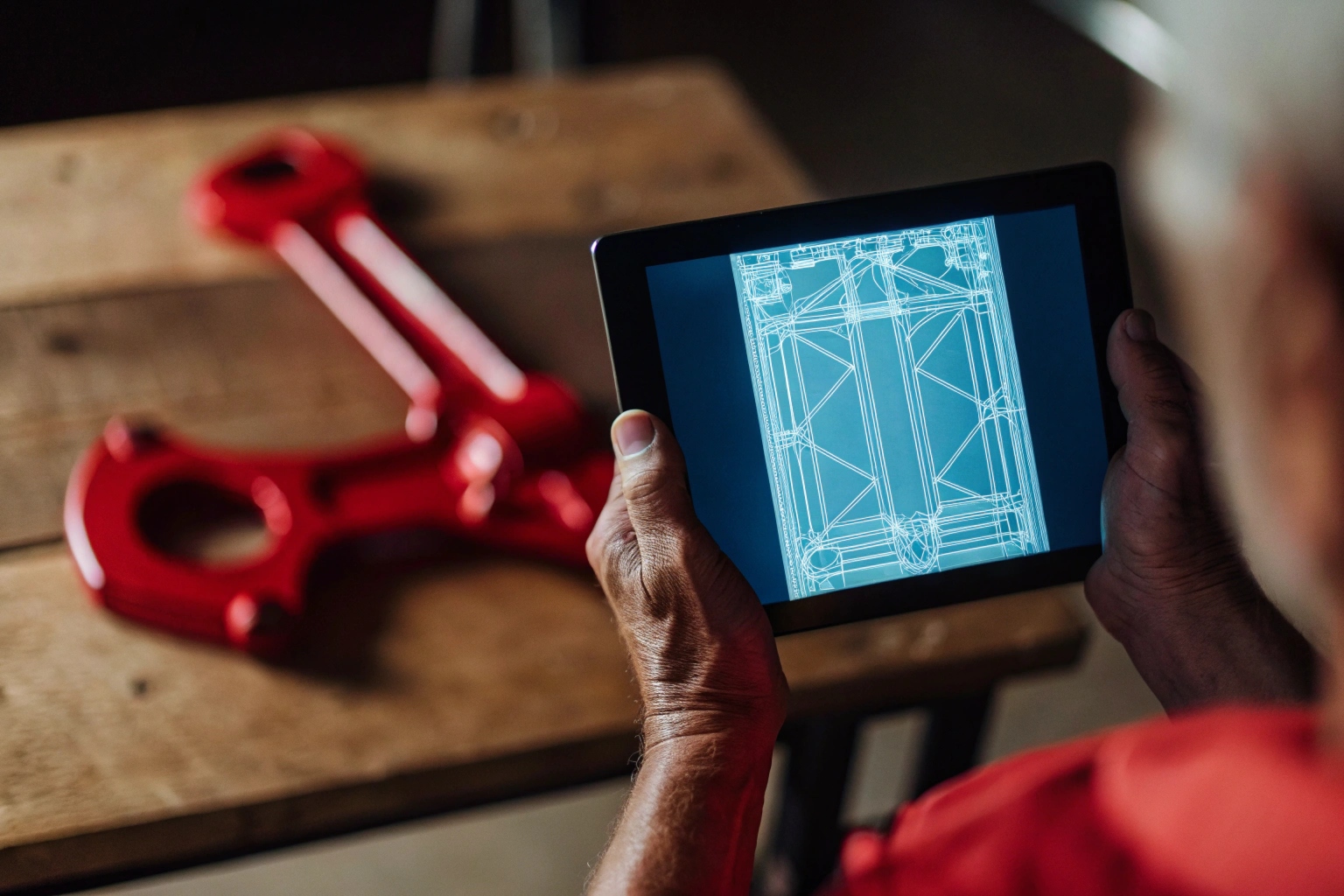
The track shoe assembly match 1 requires detailed information. As a supplier, I need specifics like machine model, drawings, and working conditions. These help ensure accuracy and efficiency in selecting the right parts.
The key to ensuring a precise track shoe assembly match lies in providing detailed information, including accurate drawings, CAD models 2, machine specifics, and environmental factors. This information helps in selecting the right size, design, and material for the assembly. By supplying these details, the correct fit and performance are guaranteed.
Many factors influence the exact match of a track shoe assembly. From machine specifics 3 to environmental conditions, each piece of information plays a critical role in ensuring successful outcomes in operations.
Is the Machine Model and Serial Number Always Enough to Guarantee I Get the Right Part?
Machine model and serial number appear to be straightforward details for part selection. However, relying solely on these can sometimes lead to mismatches. Have you ever faced issues because of this?
The machine model and serial number provide a starting point in identifying compatible parts. However, these alone might not assure correctness due to variations in model batches or updates. Supplementary information like drawings or specifications ensures greater compatibility reliability.
When selecting track shoe assemblies based solely on machine model and serial number, the risk lies in potential variations across different production batches or upgrades. The accuracy of parts matching goes beyond these numbers. Including technical data, drawings, and additional components’ specifics ensures precise alignment and fitment. The machine model essentially serves as a reference, enabling you to identify general compatibility. Supplementing it with detailed schematics and condition descriptions increases precision in part matching. Imagine relying on just numbers to catch the right match – supplementary details are crucial to circumvent fitting mismatches.
Here's an overview to clarify the importance of supplementary details:
| Factors | Details Needed |
|---|---|
| Machine-specific | Model, Serial number, Production year |
| Technical | Drawings, CAD files, Dimensions |
| Environmental | Terrain, Climate, Load |
| Parts-specific | Existing component details, Compatibility |
What If I Don't Have a Technical Drawing or an OEM Part Number for an Older Machine?
Your older machine might be missing specific technical documents. How do we adapt when drawings or part numbers aren't accessible? A track assembly match requires accuracy, but old machines lack this info. Does reversing parts in such cases help?
Missing technical documentation 4 or part numbers of older machines doesn't hinder track shoe assembly accuracy. Reverse-engineering worn-out samples can effectively identify specifications and dimensions necessary for matching. This technique ensures the correct part without existing technical documents.
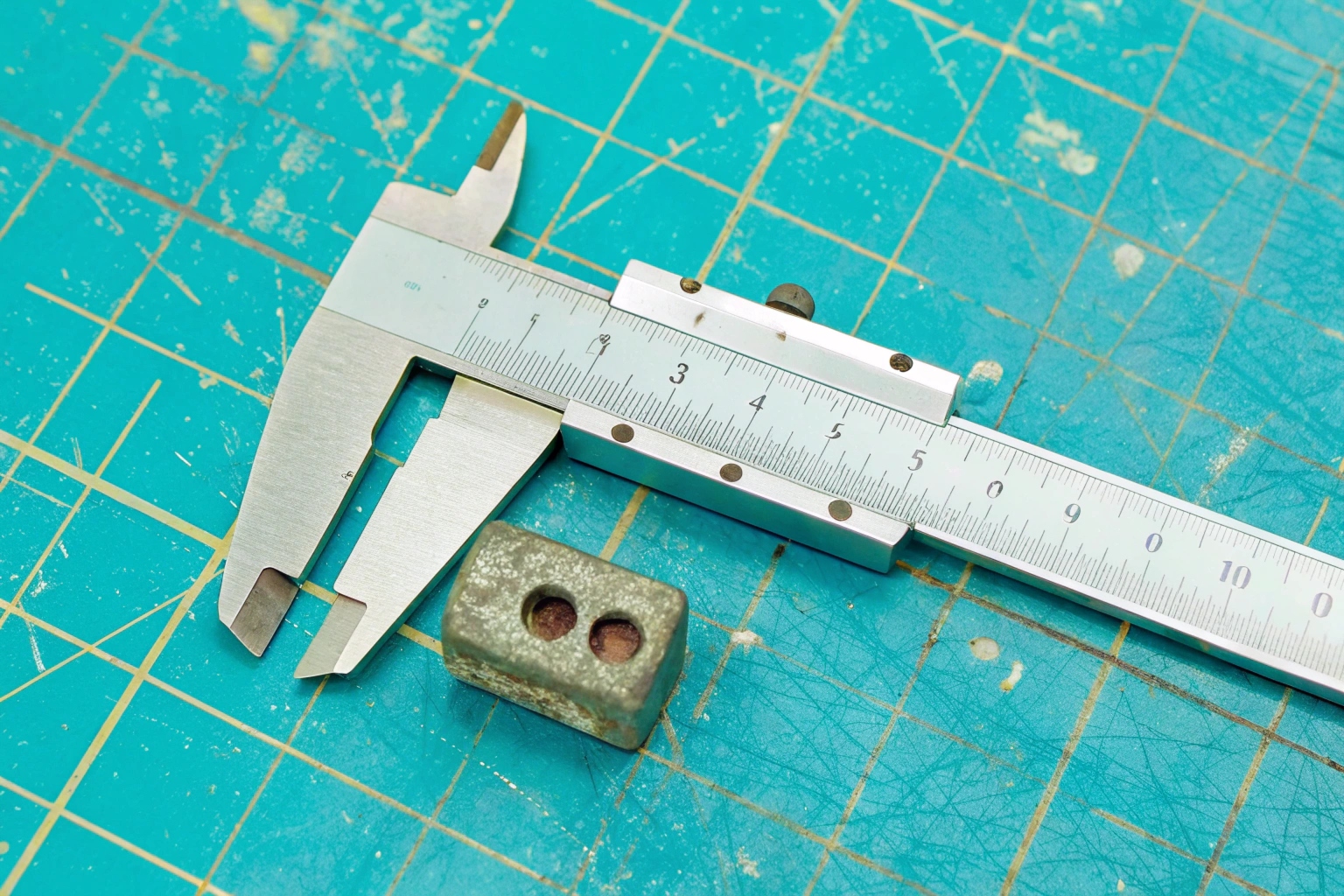
Reverse-engineering 5 emerges crucial when lacking technical documentation for older machines. By meticulously analyzing worn-out samples, insights into exact dimensions and compatibility surface. It involves measuring, recording component features like dimensions, bolt layouts, and material makeup from worn parts. This process bridges the absence of original drawings, facilitating precise duplication. Reverse engineering also capitalizes on inspecting wear patterns to improve durability in manufacturing replacements. This process necessitates technical proficiency in measurement and material analysis, ensuring replicas thrive in various operational contexts, including terrain and load variations. Thus, harnessing this approach restores older machines' functionality while circumventing drawing-driven limitations.
Why Is It So Important for You (the Supplier) to Know My Customer's Working Conditions (e.g., rock vs. mud)?
Understanding your customer's working conditions seems like an additional step in part selection. Why stress emphasis on terrain specifics? How does knowing about mud or rock environments make a difference in track assembly?
Knowing customer's working conditions is vital because terrain specifics dictate material selection 6, design features, and durability expectations. These factors affect wear, efficiency, and longevity of track shoe assemblies significantly. Partnering with customers by understanding their environment guarantees better product reliability.
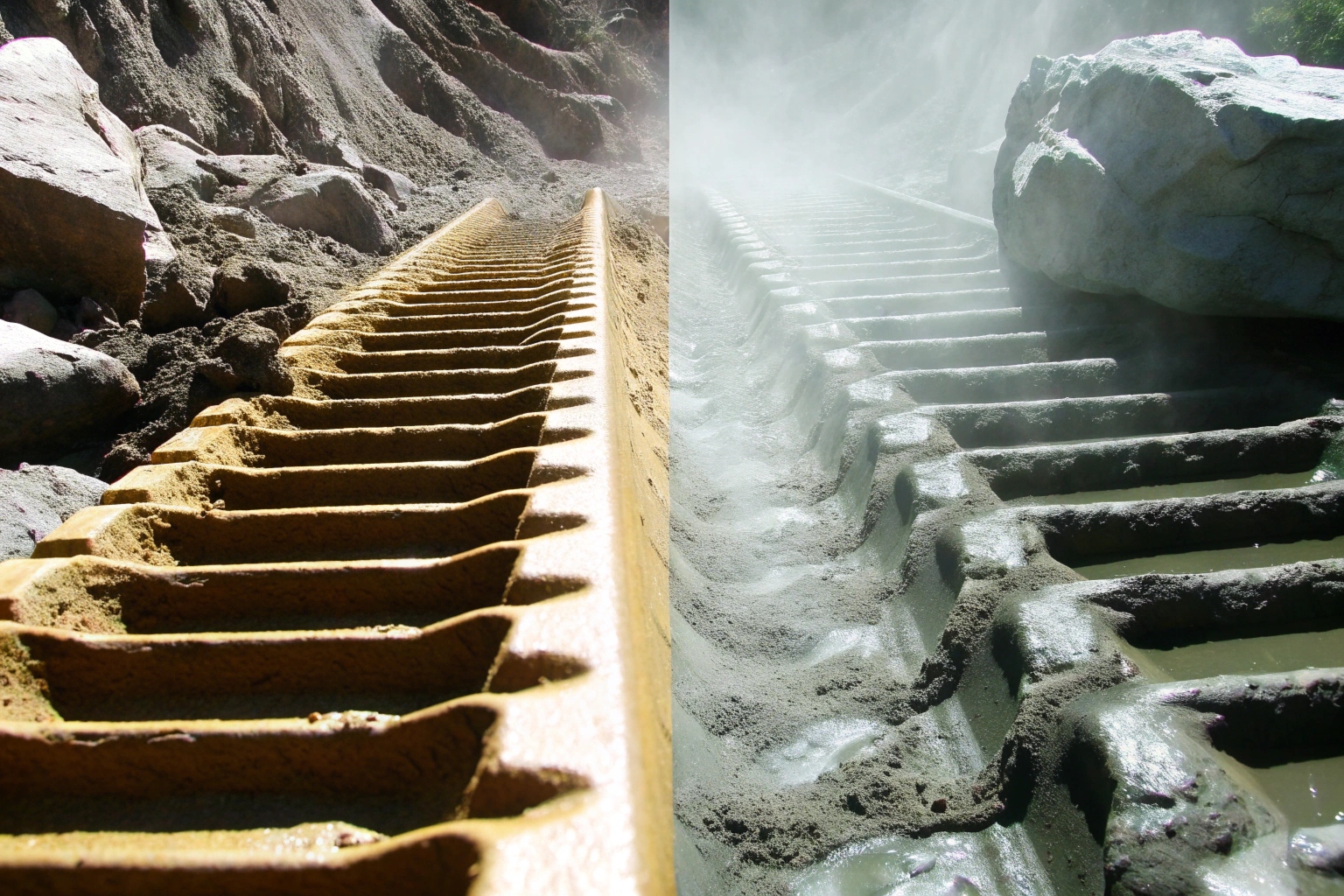
Dig deeper into customizing track shoe assemblies by emphasizing working conditions. Terrain types like rocky or muddy terrains influence the material and design choices significantly. These environments wield wear and operational stress on assemblies, influencing longevity and efficiency. Muddy terrains might demand sturdy material like hardened steel 7 with optimum groove patterns for effective traction. In contrast, rocky landscapes may benefit from reinforced designs with shock-absorption capabilities. Also, harsh climates and frequent load variations necessitate assemblies designed to endure natural elements. Incorporating terrain specifics allows suppliers to tailor track assemblies fitting operational demands effectively, guaranteeing superior reliability under such conditions. Consequently, suppliers optimize assembly designs ensuring environment-specific durability, reducing premature wear led by mismatched specifications. Therefore, integrating customer operation contexts attributes to holistic capacities in manufacturing tailored robust solutions.
Can You Reverse-Engineer the Part if I Send You My Old, Worn-Out Sample?
Facing issues with worn-out parts highlighted your need for reversal solutions. Ever pondered its feasibility? If you send a sample, could reverse engineering reveal the way forward to match the assembly?
Yes, reverse-engineering old, worn-out samples provides vital insights necessary for part recreation, even in the absence of original specifications. It involves measuring and analyzing existing samples to derive needed dimensions and specifications for precise replacement production.
Exploration of reverse engineering unveils opportunities in reconstructing parts accurately from worn samples. This technique signifies numerical evaluation of dimensions and surface conditions of samples offering insights needed to duplicate existing assemblies. Engineers analyze samples' wear patterns 8 to modify designs enhancing durability in replacements. Employing such evaluation also ensures material composition to match operational attributes from existing pieces accurately. In-depth assessment of degraded components helps rebuild profiles, understanding performance standards required. Further, reverse engineering makes recreating obsolete parts feasible, ensuring machines complete functional cycles despite original specification shortage. Thus, strategically converting worn samples into benchmarks ultimately aids manufacturers, yielding uniformity in replacements. It's crucial for suppliers to derive quality components 9 matching precise specifications from prior models.
Conclusion
Providing detailed machine specifics, drawings, and environmental conditions ensures accurate track shoe assembly selection, enhancing operational efficiency 10 and longevity.
Footnotes
1. Comprehensive guide to undercarriage parts and maintenance. ↩︎
2. Definition and applications of Computer-Aided Design software. ↩︎
3. ISO standards regarding heavy machinery specifications and compliance. ↩︎
4. Importance of technical docs in engineering and maintenance. ↩︎
5. Overview of reverse engineering processes in manufacturing. ↩︎
6. Principles of selecting engineering materials for specific loads. ↩︎
7. Explanation of hardened steel properties for wear resistance. ↩︎
8. Techniques for analyzing wear debris to improve machinery. ↩︎
9. Difference between quality assurance and control in production. ↩︎
10. Strategies to improve output and reduce operational waste. ↩︎