
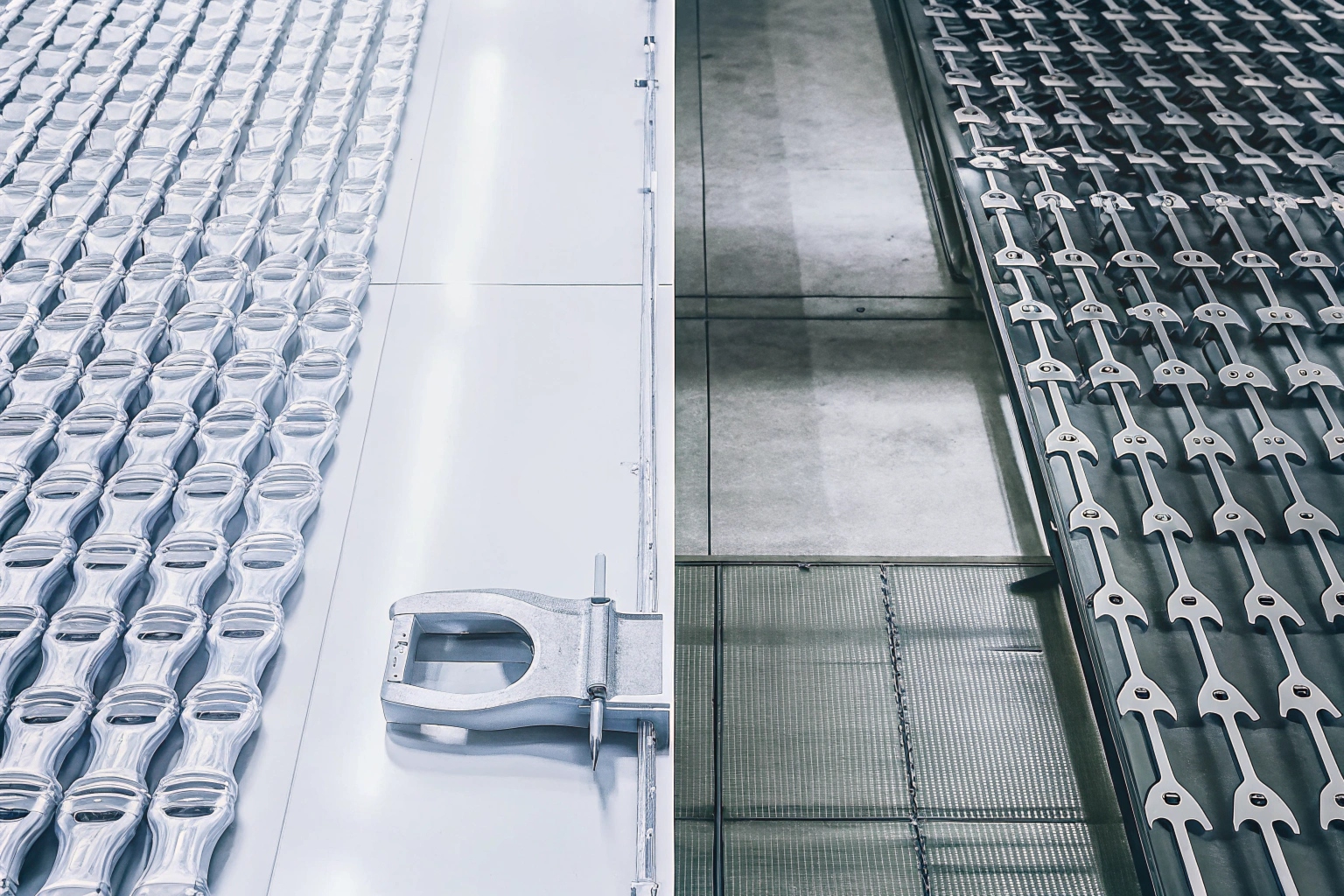
In my experience, understanding the lead times for both track shoe assembly samples and full mass production is crucial. It's something I've realized is a common concern among my clients who are eager to plan effectively.
The lead time for track shoe assembly samples is generally much shorter than for full mass production orders. While samples can often be sent within one week if designs and materials are ready, mass production 1 lead times typically range from 15 to 45 days. This variation mostly depends on the supplier, order complexity, and quantity.
When considering lead times, it's important to weigh factors such as the company's production capacity 2, existing backlog, and the intricacy of the order. These details often help decide whether an order will meet its anticipated delivery date. Let's go deeper into various aspects.
How Much Faster is the Lead Time if I Order One of Your Standard, High-Stock Models?
If you often find yourself puzzled by lead times, you're not alone. I too have encountered situations where timing is everything. Clients often wonder if ordering standard models can make a difference.
Ordering a standard, high-stock model can significantly reduce lead time, usually by up to 50%. This is because these models are typically kept in inventory, allowing for faster dispatch and reducing the need for special production scheduling.

However, this varies based on stock levels and current demand. Suppliers with robust inventory management 3 and efficient production lines often deliver standard models rapidly. Let's consider deeper insights into this efficiency.
Efficiency Analysis
Efficiency in order processing for standard models can be attributed to:
- Streamlined Production: Factories often have dedicated production lines 4 for popular models, speeding up processing times.
- Inventory Management: Regular audits and restocking ensure that high-demand items are readily available.
- Logistical Coordination: Established shipping routes reduce transit time, ensuring quicker delivery.
Inventory Control
| Inventory Factors | Impact on Lead Time |
|---|---|
| Stock Availability | High availability reduces wait time |
| Demand Forecasting | Accurate forecasts prevent stockouts |
| Reordering Process | Efficient reordering minimizes delays |
Understanding these factors helps in appreciating the dynamics behind fast shipping for standard models.
Does the Lead Time You Quote Start from the Date I Send the PO, or the Date My Down Payment is Received?
Navigating through lead time quotations can be tricky. In my interactions, I've found this question arises often because of timeline alignments with financial plans.
Lead times officially start from the date the down payment is received. This is a standard industry practice, as financial commitments initiate the production phase. It ensures the necessary resources are in place before work begins.

This means that the speed of the payment process directly influences the start of production. Let's explore how payment timelines affect production schedules.
Financial Transactions and Production
Production beginning at the payment receipt is influenced by:
- Payment Verification: Timely verification expedites order processing.
- Resource Allocation: Ensures resources are earmarked, aligning with production timelines.
- Contractual Obligations: Completes initial contractual checks enabling production commencement.
Payment Process Impact
| Payment Aspect | Effect on Production Timeline |
|---|---|
| Payment Verification Speed | Quick verification accelerates start |
| Financial Approval | Approval delays can postpone production |
| Down Payment Policies | Flexible policies improve efficiency |
These insights highlight the importance of strategic financial planning in supply chain management 5.
What Factors (Like Raw Material Shortages or Chinese Holidays) Could Unexpectedly Delay My Production?
I have often faced queries about unexpected delays. Knowing potential disruptions can help in preparing contingency strategies.
Unexpected factors such as raw material shortages 6 or national holidays like Chinese New Year 7 can disrupt production schedules. They lead to postponed timelines, requiring adjustments in expectations and plans.
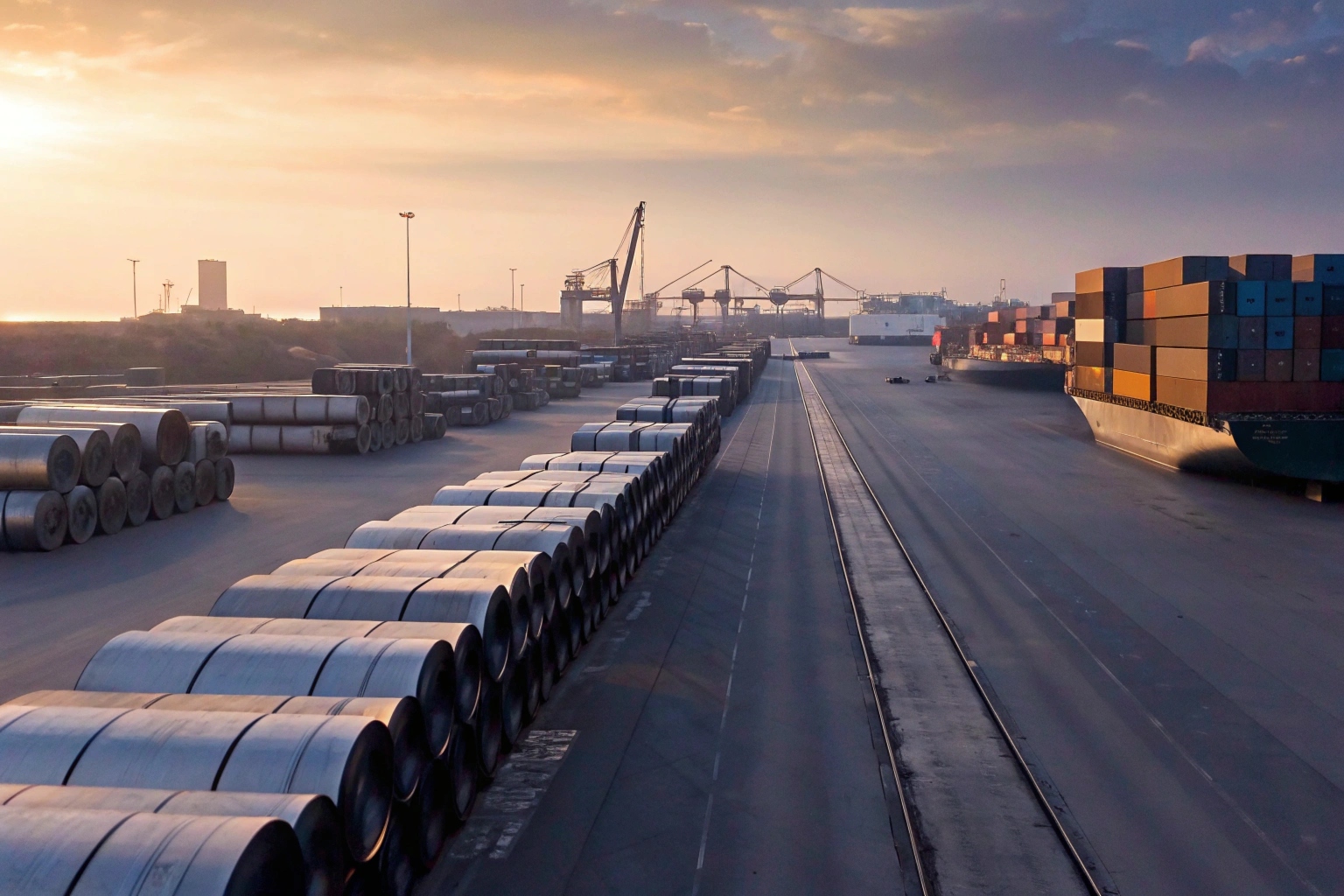
By identifying and understanding these dynamics, businesses can better manage and mitigate risks. Let's break down these potential production hurdles.
Managing External Influences
Key factors impacting production delays include:
- Supply Chain Disruptions: Fluctuating availability of raw materials can stall production initiatives.
- Holiday Schedules: National holidays can result in work stoppages leading to timelines needing renegotiation.
- Transportation Issues: Logistical challenges can further elongate shipping times.
External Impact Factors
| Disruption Type | Impact on Production |
|---|---|
| Material Shortages | Slows down manufacturing |
| Holiday Schedules | Causes operational pauses |
| Shipping Logistics | Can delay final deliveries |
By anticipating these challenges, companies can implement preemptive contingency strategies 8 for maintaining their schedule integrity.
Can I Get a Guaranteed "Ship-by" Date for My Order in Our Contract?
Finalizing contracts often involves addressing shipment assurances. I find that affirming these expectations provides clarity and trust between parties.
Yes, it's possible to stipulate a guaranteed ship-by date 9 in contracts. This assurance reflects mutual commitment but requires careful negotiation to account for potential variables that may shift timelines.
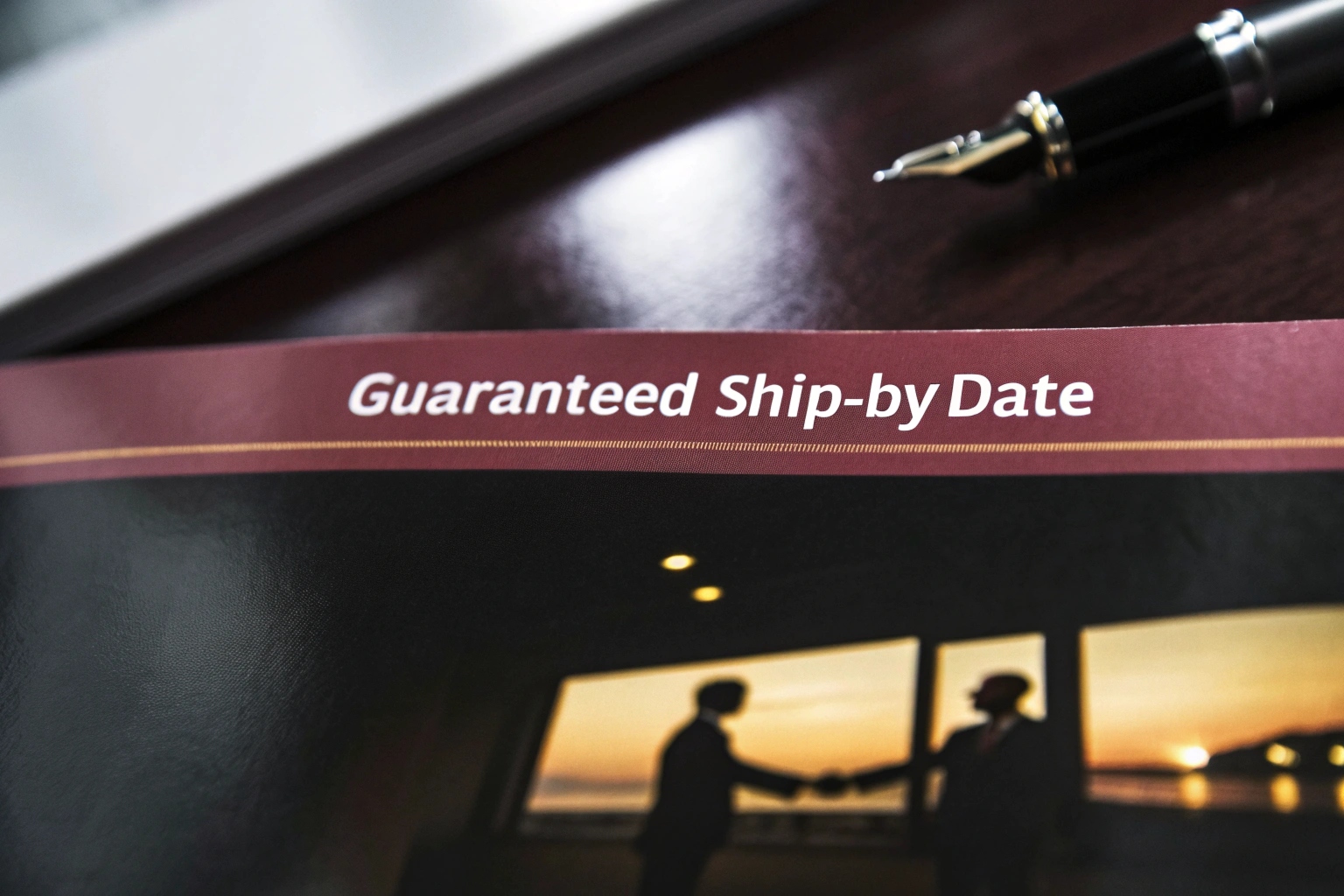
Such guarantees foster reliable partnerships, ensuring stakeholders are aligned in terms of expectations and delivery timelines. Let's expand on contractual considerations.
Structuring Contractual Guarantees
Providing "ship-by" assurances involves understanding:
- Risks and Penalties: Outlining consequences for non-compliance instills accountability.
- Contingency Clauses: Effective management of unforeseen challenges maintains timeline alignment via contingency clauses 10.
- Negotiation Dynamics: Defining expectations ensures both parties have clarity over delivery promises.
Contractual Elements
| Contract Aspect | Impact on Delivery Assurance |
|---|---|
| Defined Timelines | Sets clear expectations |
| Penalty Clauses | Enforces accountability |
| Contingency Management | Handles unforeseen disruptions |
These elements demonstrate how well-structured contracts can circumscribe shipping expectations productively.
Conclusion
Navigating lead times for track shoe assemblies requires understanding of production techniques, financial precision, and contingency planning. Awareness of these facets aids in aligning expectations and delivery realities effectively.
Footnotes
1. Understanding the scale and processes involved in large-volume manufacturing. ↩︎
2. How a factory's output limits influence delivery timelines. ↩︎
3. Techniques for tracking stock to ensure rapid order fulfillment. ↩︎
4. The role of assembly systems in speeding up manufacturing. ↩︎
5. Overview of optimizing goods flow from supplier to customer. ↩︎
6. Impact of global resource scarcity on manufacturing schedules. ↩︎
7. How this specific holiday affects global logistics and factory closures. ↩︎
8. Planning for unexpected events to minimize operational downtime. ↩︎
9. Legal definitions and implications of delivery deadlines in agreements. ↩︎
10. Contract terms that protect parties during unforeseen disruptions. ↩︎