
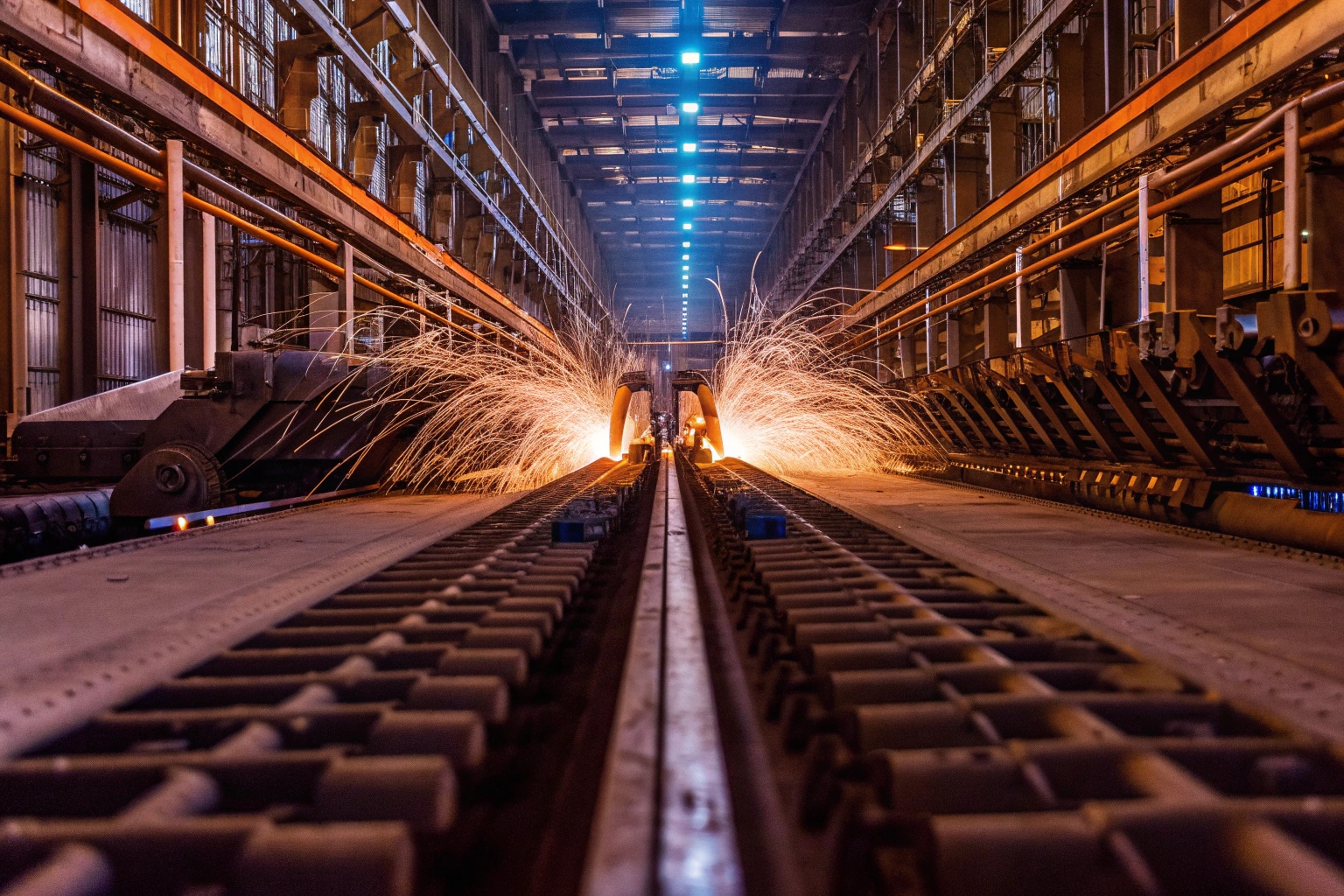
Manufacturing consistent track shoe assemblies can be challenging. Sometimes, I worry about batch inconsistencies that can cause performance issues in heavy machinery.
Ensuring quality consistency across different batches of track shoe assemblies is crucial for maintaining performance standards. This is achieved through standardized material selection 1, rigorous inspections, and precision processes that eliminate deviations. Regular training and automated systems play vital roles.
It's essential to align my needs with production processes and quality assurance measures to ensure the product meets expectations. Consistent quality is not just about following procedures but adapting to changes effectively.
Is there a lot number or batch tracking code permanently marked on the product or packaging?
Product traceability can often be overlooked. I find it frustrating when issues arise and it's tough to pinpoint their origin.
Products typically feature tracking codes 2 on packaging, allowing for easy identification. These codes are crucial for tracing issues back to production stages. They include details like batch number, production date, and supplier information, thereby ensuring accountability.
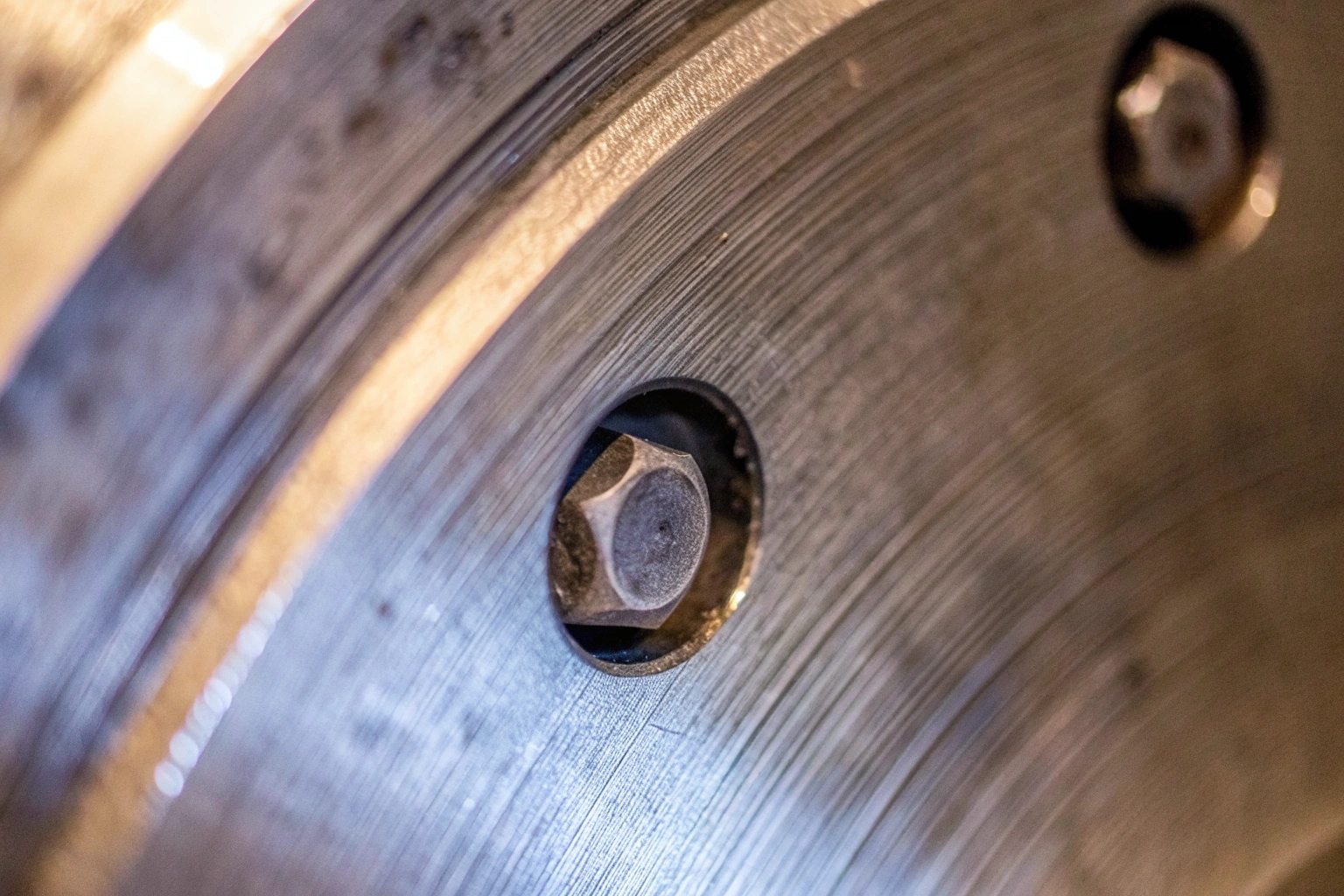
Traceability not only aids in accountability but provides insights into supply chain efficiency 3. Knowing that each product is traceable assures me of its reliability and supports swift resolution when concerns arise.
What does your traceability system allow me to track (e.g., raw material heat number, production date)?
Smooth operations often hinge on effective traceability systems. Without these, addressing quality issues can become a stressful ordeal.
A robust traceability system allows tracking of raw material details 4, production dates, and quality control results. This enables quick identification of potential issues in the production line when a batch malfunctions, ensuring corrective measures are timely and effective.

Table 1: Key Elements of Traceability
| Element | Description |
|---|---|
| Raw Material Heat Number | Identification of the initial material batch |
| Production Date | Exact date of manufacturing and assembly |
| Quality Control Checks | Results of inspections and tests conducted |
| Operator and Machine Records | Documentation of personnel and equipment used |
Understanding how traceability works helps me anticipate problems before they escalate. It reassures me that when issues are pinpointed, they can be effectively addressed using stored data.
If I have a quality problem with one batch, can you trace it back to the root cause in your process?
Encountering quality problems is unnerving. I worry over whether they'll cause downtime or hurt productivity.
If a batch shows quality issues, a structured root-cause analysis 5 is key. This involves cross-referencing manufacturing data, examining material reports, and investigating production equipment logs to pinpoint the specific stage or component causing the problem.

Table 2: Steps in Root-Cause Analysis
| Step | Action |
|---|---|
| Data Gathering | Collect reports from all stages of production |
| Cross-Checking Materials | Verify material specs and consistency |
| Process Examination | Review documented production sequence |
| Equipment Logs | Check calibration and maintenance records |
When a batch fails, I find comfort in knowing there is a structured approach to identifying issues. This proactive stance reduces risks and prevents large-scale failures.
How has your quality process (like ISO9001) prevented batch-to-batch variation for other customers?
Quality processes can be complicated, but effective ones are crucial. I need assurance that variations won't compromise product integrity.
ISO9001 6 and similar systems standardize procedures and define benchmarks for each phase of production. This includes material inspections, process controls, and periodic audits, keeping batch-to-batch variation to a minimum and ensuring consistent quality delivery.
Table 3: ISO9001 Quality Controls
| Control Type | Purpose |
|---|---|
| Material Inspection | Ensures raw material consistency |
| Process Control | Standardizes production protocols |
| Periodic Audits | Detects and corrects deviations |
| Staff Training and Awareness | Maintains quality standard throughout |
ISO standards implement structured checks throughout every stage of production. For me, knowing this enhances trust and confirms that quality remains consistent, no matter the challenges faced in manufacturing.
Conclusion
A strong commitment to quality consistency 7 reassures me that any track shoe batch meets the highest standards.
Footnotes
1. See how material selection impacts track shoe quality. ↩︎
2. Understand the importance of tracking codes for product traceability. ↩︎
3. Discover the role of traceability in supply chain efficiency. ↩︎
4. Explore the details tracked by robust traceability systems. ↩︎
5. Learn how root-cause analysis resolves batch quality issues. ↩︎
6. Find out how ISO9001 prevents batch-to-batch variation. ↩︎
7. Importance of ensuring quality consistency in manufacturing. ↩︎
8. Benefits of certifications like ISO9001 and SGS for quality assurance. ↩︎
9. Essential aspects of quality control and batch consistency. ↩︎
10. Importance of comprehensive technical support for suppliers. ↩︎