
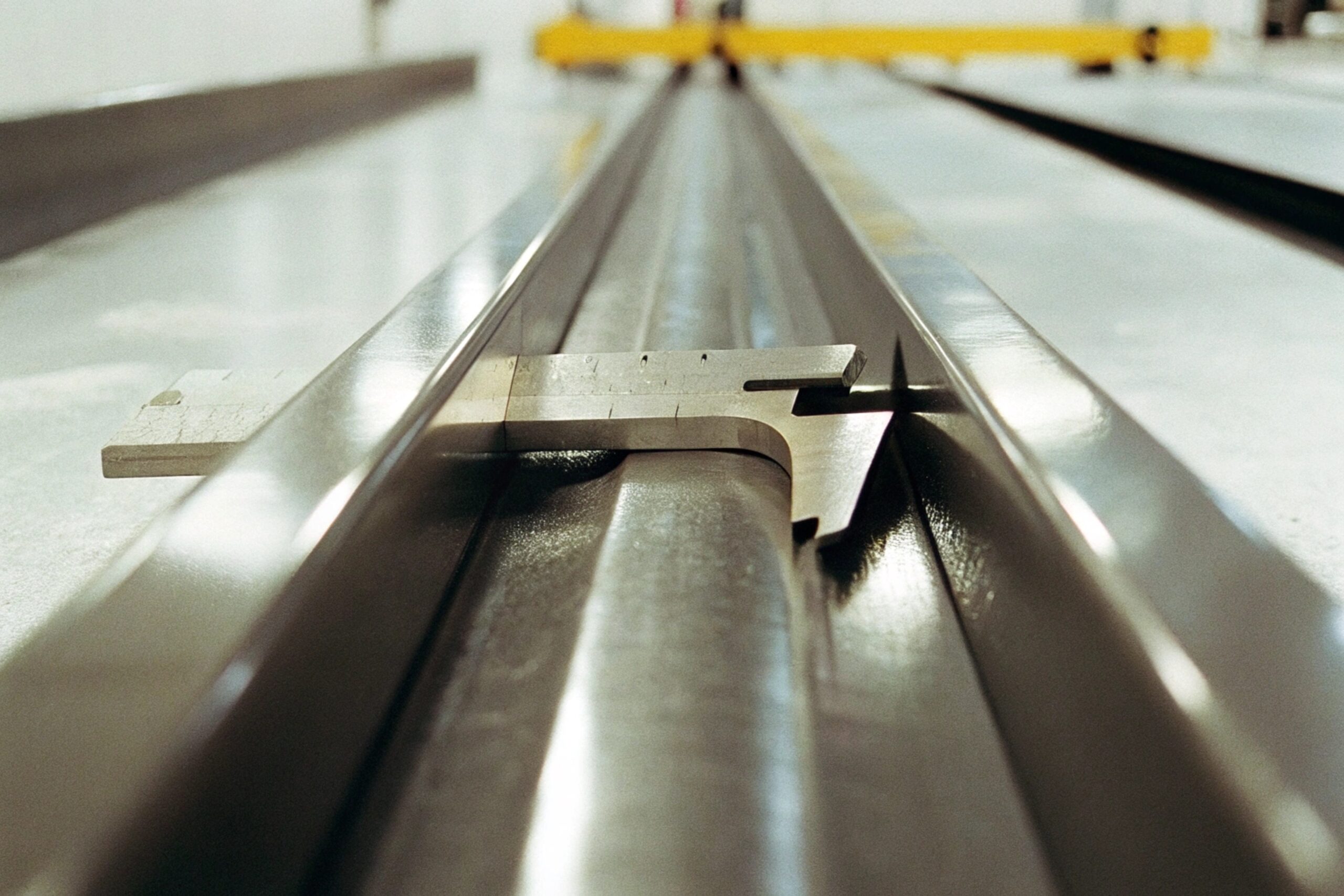
In the world of manufacturing, ensuring the highest quality of a product before it leaves the facility is crucial. As someone committed to delivering excellence, I understand the importance of each inspection step in the production of track shoe assemblies.
The inspection process for track shoe assemblies involves several critical checks to ensure quality and durability. These include dimensional inspection 1, hardness testing, magnetic particle inspection 2, surface finish verification 3, mechanical property testing, and packaging checks. All these steps collectively guarantee that the product you receive is top-notch and reliable.
The inspection doesn't end at just verifying the dimensions or checking hardness. Through advanced non-destructive testing methods 4, such as ultrasonic or radiographic examination, any hidden defects that might compromise the shoe's performance are identified. The final step includes ensuring the correct packaging and shipping standards 5 are met, maintaining quality throughout delivery.
What is Magnetic Particle (MT) or Ultrasonic (UT) testing used to find?
When dealing with the integrity of steel components in machinery, undetected defects can lead to catastrophic failures. I know this is a point of concern for many engineers and manufacturers like myself, who prioritize safety and durability.
Magnetic Particle Testing (MT) 6 is specifically used to detect surface and near-surface discontinuities, such as cracks, seams, and laps, in ferromagnetic materials. Ultrasonic Testing (UT) 7, on the other hand, is designed to discover internal flaws such as voids, inclusions, or unbonded areas which might not be visible externally. These testing methods ensure that the structural integrity of the track shoes is uncompromised.

Ensuring comprehensive testing, particularly MT and UT, allows for early detection of defects that could lead to unsafe operating conditions. MT uses magnetic fields and magnetic particles to reveal surface irregularities, while UT employs high-frequency sound waves that penetrate the material and reflect back discrepancies. By employing these techniques, manufacturers can prevent potential breakdowns and extend the equipment's lifespan.
What percentage of my order (how many pieces) will undergo these final inspections?
Nothing is more important than knowing the specifics of how your order is inspected, and as someone who values transparency in quality assurance, I can assure you, comprehensive inspections are our forte.
Typically, dimensions and hardness are checked for every piece. For MT and UT, sample testing applies 8, usually inspecting 5% to 20% of the batch depending on factors like order size and part complexity. Visual inspections are conducted across all items, ensuring consistency in appearance and assembly quality.

Through industry-standard sampling techniques, we maximize inspection efficiency while maintaining thoroughness. Here's a breakdown:
Inspection Coverage and Sampling
| Inspection Type | Coverage / Percentage | Frequency |
|---|---|---|
| Dimensional Check | 100% | Each piece |
| Hardness Testing | 100% | Each piece |
| Magnetic Particle | 10% - 20% | Sample basis |
| Ultrasonic Testing | 5% | Sample basis |
| Visual Inspection | 100% | Each piece |
By ensuring stringent quality checks, the distribution of MT and UT testing optimizes the reliability of the output, giving you peace of mind with each shipment.
Can I get a copy of the final, "passed" inspection report for my specific order?
Understanding the desire for full transparency and documentation, securing inspection reports is essential for your record keeping, which aligns with my commitment to delivering trustworthy products.
Yes, obtaining copies of the final inspection reports for your specific orders is possible. These reports contain detailed verification of dimensional accuracy, hardness results, and any NDT findings on the samples tested.
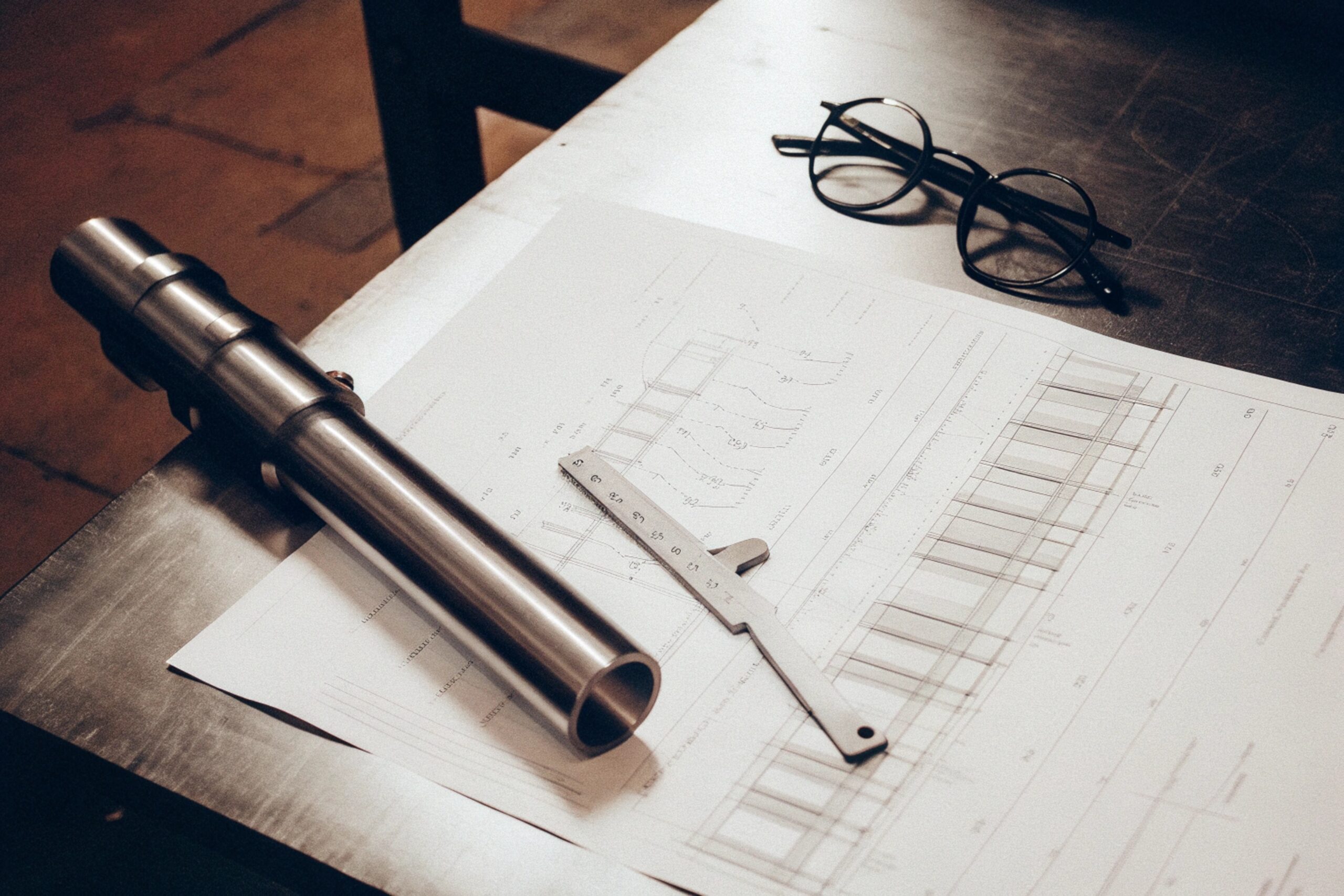
To facilitate this, every inspection report is custom-labeled with order specifications and batch numbers. This ensures traceability, quality compliance 9, and provides you with a valuable document certifying the product’s integrity. Here's what you can expect:
Inspection Report Contents
| Report Section | Information Provided |
|---|---|
| Order Details | Order number, batch identification |
| Dimensional Inspection Data | Measurements, tolerances checked |
| Hardness Result Summary | Surface hardness values |
| MT and UT Findings | Details of tests conducted |
| Visual Quality Assurance | Condition and appearance notes |
| COA - Certification of Quality | Formal quality certification |
These comprehensive reports not only facilitate quality adherence but also help in resolving any queries that might arise post-delivery.
If I order complete track groups, do you perform torque tests on the bolts before shipping?
Considering the crucial role of bolt integrity in assembly performance, verifying torque settings 10 belongs to the essential pre-shipping checks that I stand by for reliability.
In cases where entire track groups are ordered, torque testing on the bolts is indeed conducted prior to dispatch. This verification helps assure the correct tightening was achieved, maintaining stability during operation and minimizing maintenance needs.
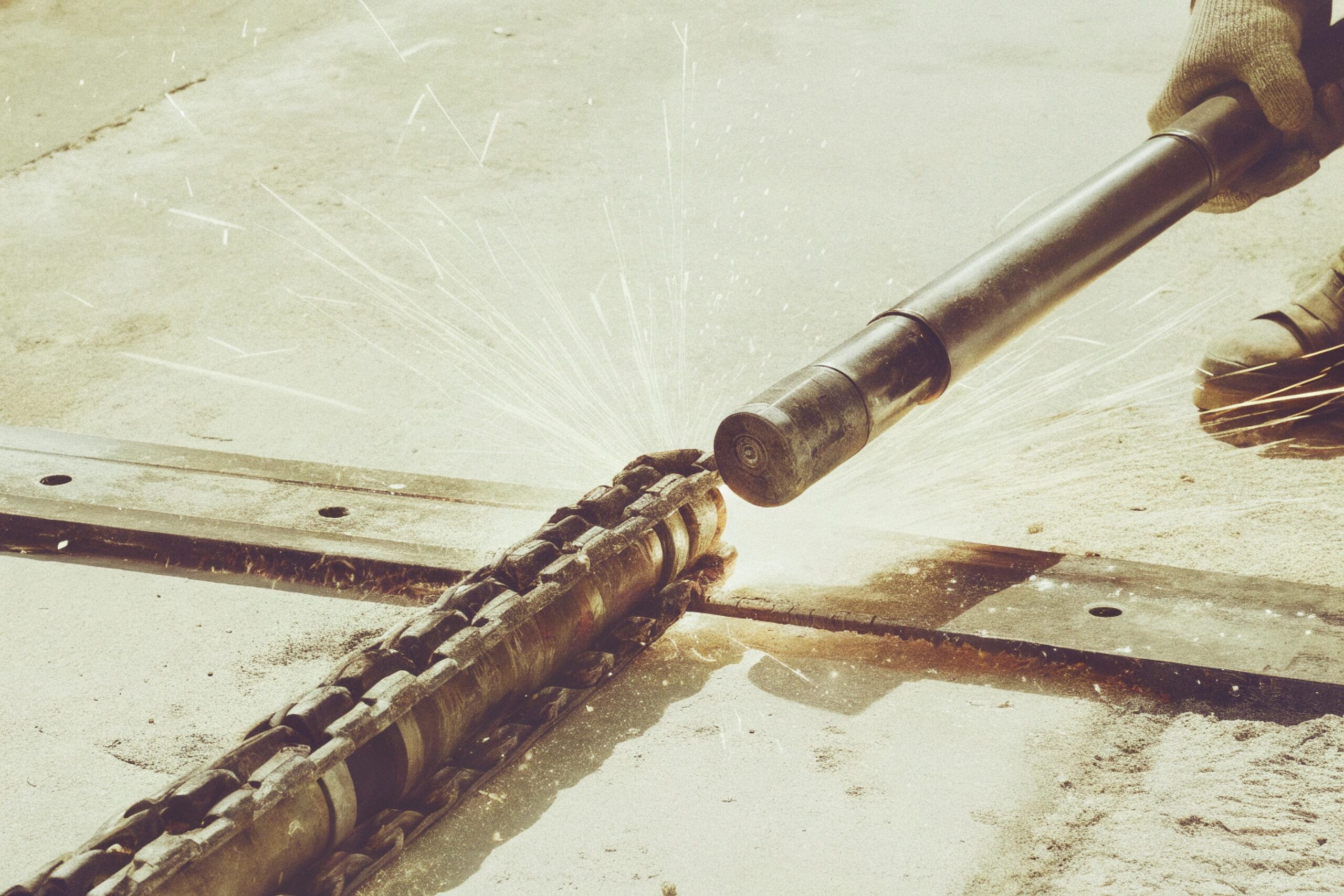
Before shipment, every bolt undergoes torque testing according to OEM specifications 11 using calibrated wrenches. This ensures proper load-bearing capability and secures all components optimally. Here's a closer look:
Torque Testing Protocol
| Test Element | Methodology | Outcome Validation |
|---|---|---|
| Bolts | Calibrated torque wrench | Optimal tightness confirmed |
| Fasteners | Torque settings checked | No slippage or loosening |
| Report on Test Results | Recorded adjustments | Conformance to standards |
By adhering to these practices, each track group’s structural strength is affirmed, providing you confidence and trust in the assembly’s lasting performance.
Conclusion
Ensuring meticulous inspection at every stage enhances product reliability and fulfills customer satisfaction. This approach, grounded in rigorous testing, secures dependable track shoe assemblies ready for durable use.
Footnotes
1. Detailed look at dimensions inspection importance. ↩︎
2. How magnetic particle testing ensures durability. ↩︎
3. Surface finish verification explained. ↩︎
4. Non-destructive testing methods for defect detection. ↩︎
5. Packaging standards to safeguard quality during shipping. ↩︎
6. Defect detection using magnetic field techniques. ↩︎
7. Use of ultrasonic waves for flaw detection. ↩︎
8. Efficient application of sample testing in quality control. ↩︎
9. ISO compliance benefits for product certification. ↩︎
10. Ensuring correct bolt torque for safety. ↩︎
11. OEM torque specifications for reliability. ↩︎