
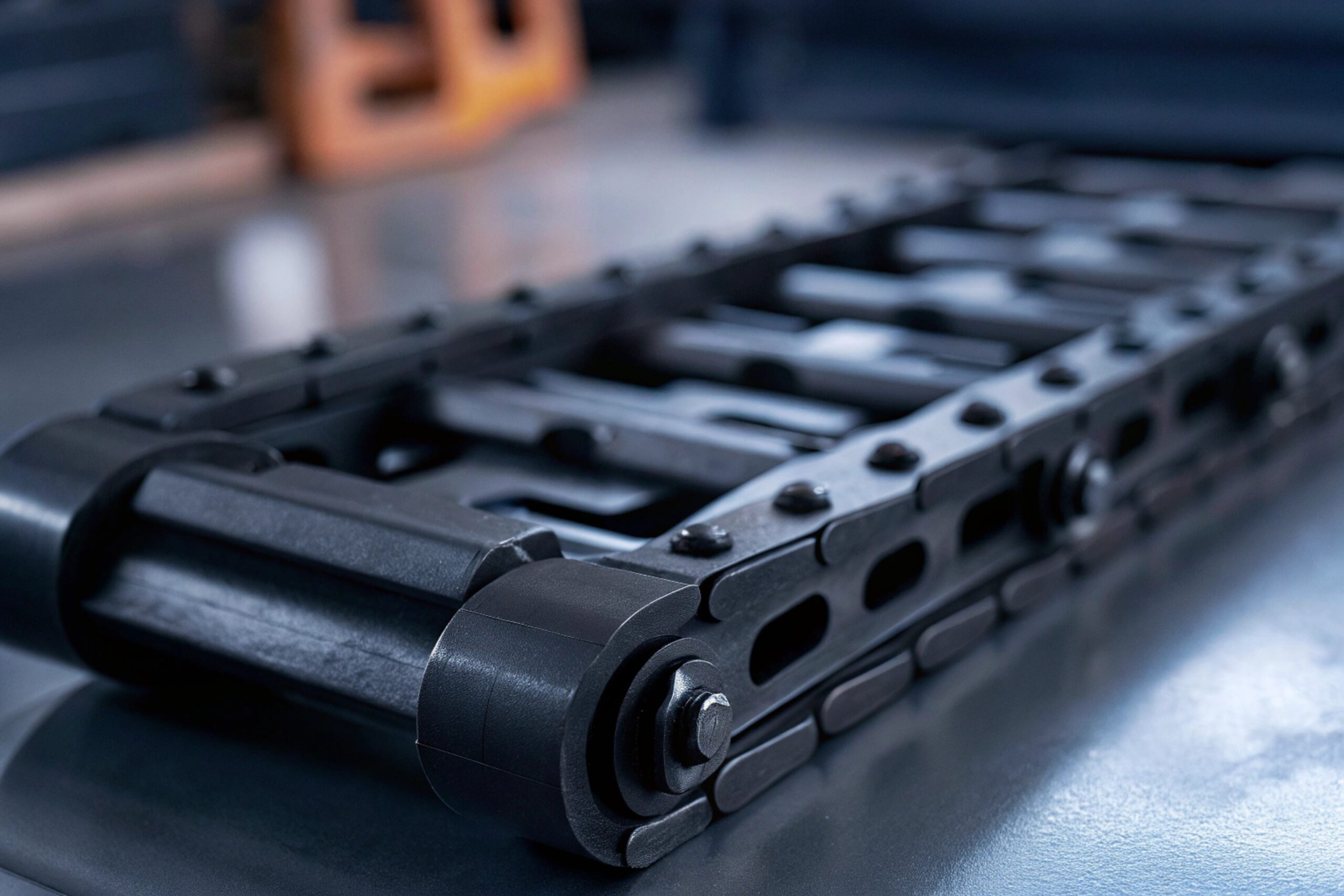
ISO9001 certification 1 is common for manufacturers of track shoe assemblies, assuring quality standard adherence in processes. As the market demands reliability and consistency, these certifications are crucial. Some manufacturers highlight ISO9001 as a core quality assurance asset, indicating its relevance to track shoe assembly.
Manufacturers adopt ISO9001 certification to ensure consistent product quality and control. This certification encompasses quality management systems 2 that cover essential manufacturing aspects like track shoe assembly. The market recognizes ISO9001 as a credible standard, streamlining operations and assuring product reliability, though specific verification of coverage requires direct supplier communication.
Suppliers might also pursue SGS certification 3, providing audits and testing for various sectors. Although primarily focused on footwear industries, SGS services can extend to manufacturing processes like track shoe assembly if tailored audits are requested. Yet, the explicit mention of such services for track shoe assembly is uncommon and requires supplier confirmation.
ISO9001 certification represents a global standard, encompassing various manufacturing processes 4, including track shoe assembly. SGS certification, while auxiliary, provides added credibility through thorough audits and tests. Suppliers highlight ISO9001 to show quality adherence, a significant factor in choosing reliable partners.
How can I independently verify if their ISO9001 certificate is valid, authentic, and not expired?
Verifying an ISO9001 certificate is essential for ensuring valid and current credentials. Multiple avenues exist for verification, preserving credibility and authenticity. I’ll explain this procedure, reminding you to prioritize accuracy in these checks. Trustworthy suppliers willingly provide verification details.
Many manufacturers provide direct ISO certification verification through recognized certifying bodies 5. Obtaining certification details like registration numbers and certifying bodies allows independent validation of authenticity and expiration status. Online platforms or direct contact with ISO-certified institutions can facilitate verification, emphasizing transparency and quality commitment.

Verification of certification typically involves contacting the certifying body responsible for issuing the ISO certificate. This body maintains registries and documentation, necessitating specific details from the certificate holder for cross-verification. Validating authentic certification strengthens reliability, establishing clear communication pathways with certifying institutions.
Verification Steps
Consider these essential steps for ISO certification verification:
- Request a copy of the ISO9001 certificate directly from suppliers.
- Check certificate details, including the certifying body, registration number, and expiration date.
- Contact the certifying body using official channels 6 for authenticity confirmation.
Remember, certificate validity contributes significantly to trust—the cornerstone of business partnerships.
Does the certificate's "scope of certification" actually list "manufacturing of undercarriage parts"?
Understanding the scope of ISO9001 certification 7 ensures the relevant manufacturing processes are covered. This scope should align with specific manufacturing needs, like those for undercarriage parts. Dive deeper into this subject with me, focusing on comprehensive coverage areas.
The scope of certification is determined by the processes directly impacted within supplier operations. Manufacturers include essential services within this scope, indicative of quality adherence to specified areas. It's important that undercarriage parts feature within this scope to assure quality management focus on pertinent manufacturing activities.

Importance of Scope Verification
Scope verification determines relevant manufacturing aspects covered under ISO standards. Suppliers are required to precisely outline processes included within the certification scope to validate quality focus.
- Scope encompasses all relevant operations under quality management systems.
- Focus on undercarriage parts ensures adherence to specific standards critical within industry expectations.
- Cross-reference scope details with supplier operations and ensure coverage relevance.
What is the difference between a factory's ISO9001 certificate and a specific product inspection report?
ISO9001 certification and product inspection reports 8 serve different purposes in assuring product quality. Let's explore these distinctions to understand their individual roles more comprehensively.
ISO9001 certification provides a broad framework for quality management systems applied across multiple processes. Manufacturers rely on it for managing entire operations, focusing on systematic approaches to maintaining consistency. Conversely, product inspection reports offer specific insights into individual product status at given production stages.

In determining product quality, contrasting methods effectively half core measures visible:
- ISO9001 certification lays a foundation for procedural integrity—ensuring system-wide consistency and control.
- Product inspection reports focus on individual product quality, assessing adherence to predetermined standards 9 during specific lifecycle stages.
- Both metrics significantly impact overall reliability, with systematic oversight and targeted insights improving decision-making.
- Recognizing distinctions between both approaches ensures a balanced focus on systemic and specific quality adherence.
Comparison Table
| Certification Type | Purpose | Application Area |
|---|---|---|
| ISO9001 Certification | Broad quality management framework | Multi-process operations, systematic focus |
| Product Inspection Report | Specific product-focused quality insights | Individual product assessment, targeted stage |
Understanding both ensures balanced evaluation between procedural and product-specific qualities.
Are there other industry-specific certifications (besides ISO) that I should be looking for?
Industry-specific certifications enhance credibility and confidence in service delivery—beyond ISO standards. I'll delve into these available certifications to quantify their roles in supplementing quality assurances. A comprehensive approach awards well-balanced oversight.
Industry-specific certifications like SGS 10, CE, and API augment reliability frameworks in various sectors. SGS certification certifications can offer recognized endorsements for product safety and compliance, while CE indicates conformity with European health, safety, and environmental standards—ensuring safe product placement within Europe.

Industry-specific certifications provide additional layers of assurance derived from contextual standards:
- SGS certification services audit operations, providing inspection backed by international recognition for quality assurances.
- CE certification signifies compliance with European directives concerning product safety—applicable within regulated environments.
- API certifications cater to petroleum sectors, applicable where relevant within rig equipment, enabling validated stability.
- Comprehensively scrutinizing available certifications fortifies product reliability within prescribed manufacturing contexts, dovetailing further into global acceptance factors.
Certification Overview Table
| Certification | Focus Area | Benefits to Industry |
|---|---|---|
| SGS | Product testing and safety auditing | International credibility and quality assurance |
| CE | European product compliance | Ensures safety, health compliance across EU |
| API | Petroleum equipment validation | Stability endorsement within regulated sectors |
Explore available certifications thoroughly to supplement ISO engagements further.
Conclusion
Certifications like ISO9001 and SGS bolster quality assurances, and deep verification ensures compliance, serving as pillars of reliability within manufacturing sectors. Proactively integrating these frameworks enhances overall product trustworthiness.
Footnotes
1. Learn how ISO 9001 ensures consistent quality standards. ↩︎
2. Explore the components of quality management systems. ↩︎
3. Discover how SGS provides industry audit solutions. ↩︎
4. Insights into manufacturing process integration. ↩︎
5. Essential steps in verifying certification bodies. ↩︎
6. Contact trusted channels for certification validation. ↩︎
7. Understand scope implications for ISO certification. ↩︎
8. Key benefits of product inspection services. ↩︎
9. Delve into predetermined standards and guidelines. ↩︎
10. Benefits of SGS certification for global relevance. ↩︎