
How can I reduce the risk of my track shoe assemblies cracking or breaking prematurely?
The performance and longevity of track shoe assemblies are influenced by various factors. As someone deeply involved in machinery maintenance, I find it crucial to not only recognize signs of wear and tear but also how operational techniques impact them.
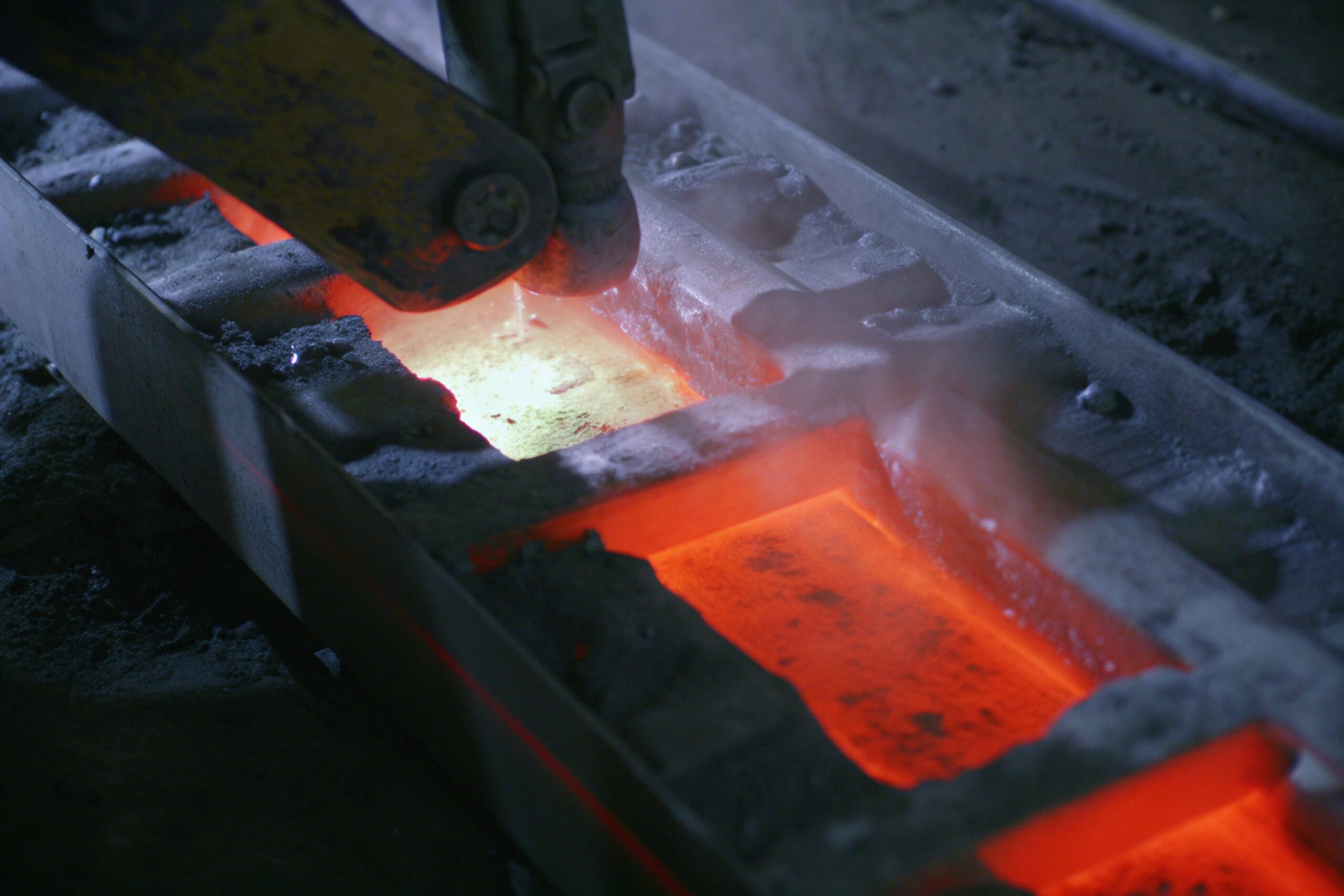
Using high-quality materials in track shoe manufacturing 1 significantly decreases the likelihood of premature cracking. Ensuring that the track shoes are made from superior alloys, subjected to rigorous heat treatments like quenching and tempering 2, can provide enhanced durability and stress resistance. Regular inspections and maintaining correct track tension 3 also play a vital role in preventing failures. Through consistent monitoring and addressing potential issues early, we mitigate risks efficiently.
For optimum durability, it's imperative to understand and counteract factors leading to stress concentrations 4 or uneven wear on track shoes. Implementing preventive measures ensures clump-free system function and prolonged track life.
Does operator behavior increase the risk of breakage?
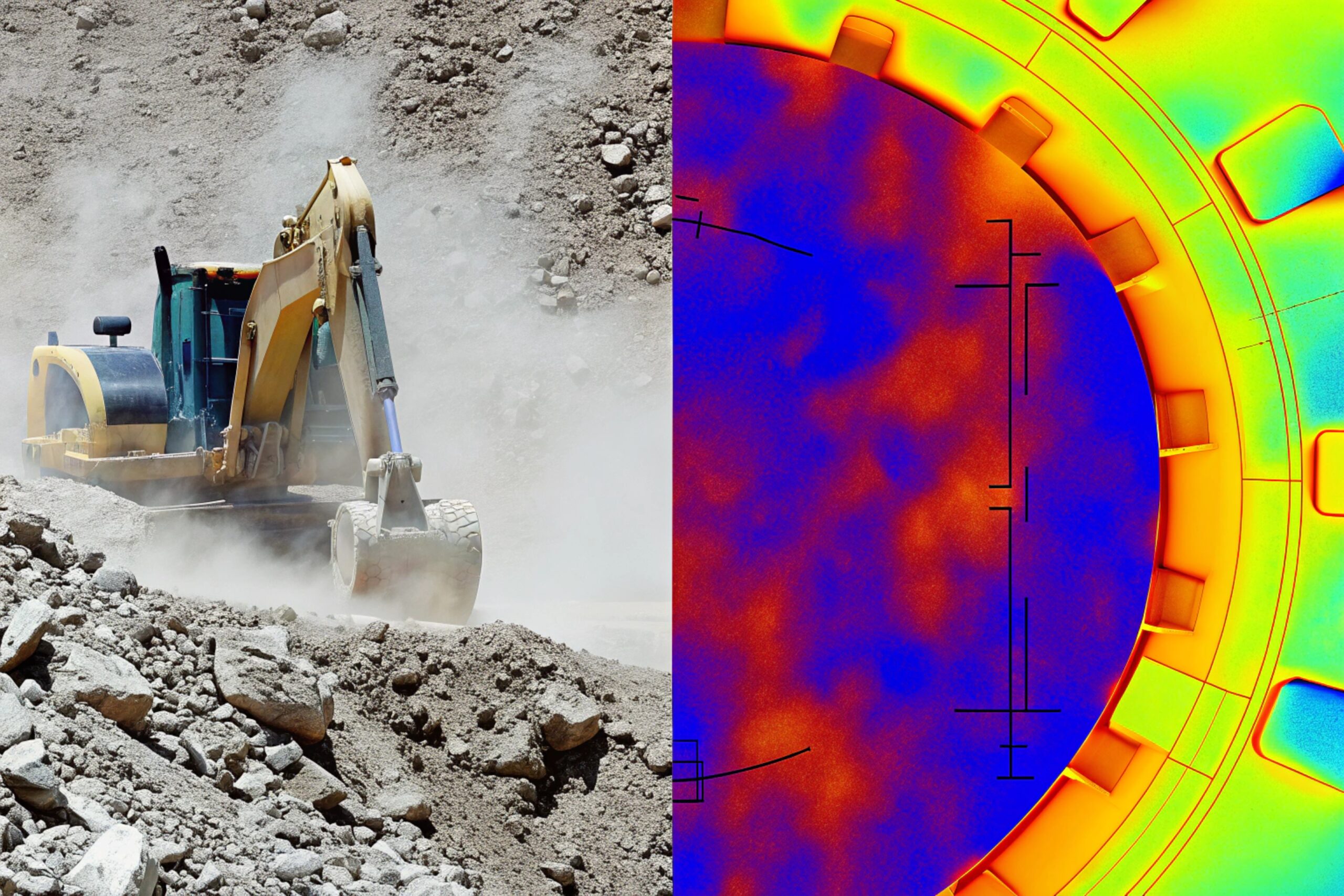
Operator behavior plays a crucial role in determining track shoe longevity. From my experience, behaviors like high-speed reversing or sudden pivoting pose significant threats to track integrity.
Such actions lead to increased stress and wear on track shoes. Sharp turns can exacerbate lateral stress 5, causing deformation or cracks. Ensuring operators make gradual turns, alongside minimizing high-speed reverse movements, conserves the track assembly and minimizes risk of breakage.
Understanding these risks empowers operators to modify their techniques. Comprehensive training in proper maneuvering 6 can prevent potential damage. Avoiding abrupt activities not only reduces stress but also effectively prolongs the life of machinery components.
Are certain grouser types more likely to break on hard surfaces?
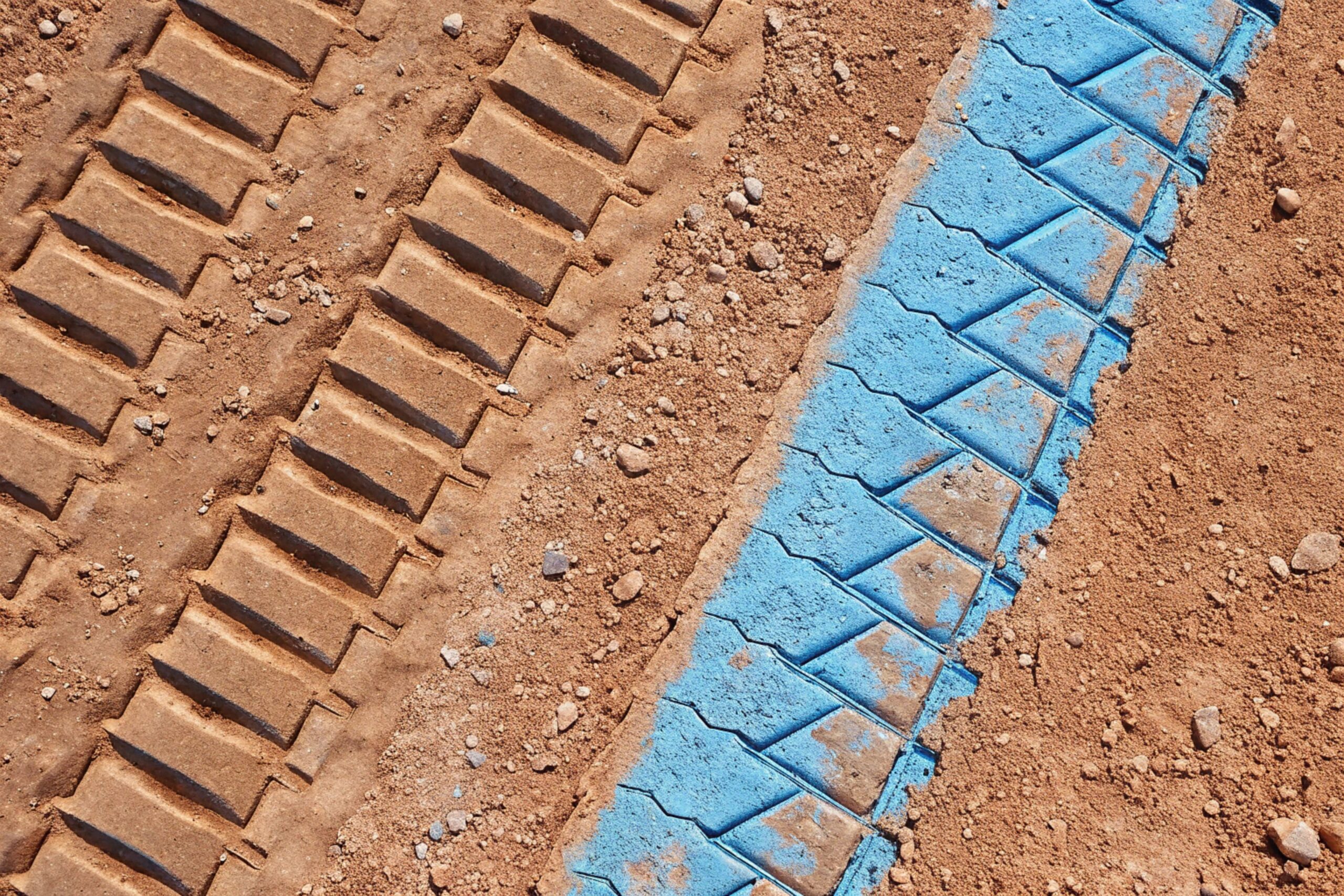
Choosing the right grouser type 7 is essential for durability on hard surfaces. In my experience, single grousers are typically more vulnerable when exposed to hard environments such as rocky terrain.
Single grousers, due to their design, concentrate more stress on smaller points. This makes them susceptible to breakage when encountering hard surfaces. Opting for grousers with wider distributions of stress or multi-grouser designs 8 can better withstand these challenges.
It's essential to select appropriate grouser designs based on operational conditions. Assessing the terrain and ensuring adequately reinforced designs can drastically reduce incidents of breakage. Experience in field conditions allows us to identify the most fitting grouser for specific environments and impacts.
How important is using the correct bolt torque procedure in preventing shoe breakage?
Proper bolt torque procedures 9 are integral to track shoe performance. From my professional encounters, incorrect torquing leads to loose connections, which accumulate stress and potential breakage.
Correct torque application ensures tight and secure connections, distributing stress evenly across the track shoe assembly. This reduces vulnerability to stress fractures and prolongs component lifespan.
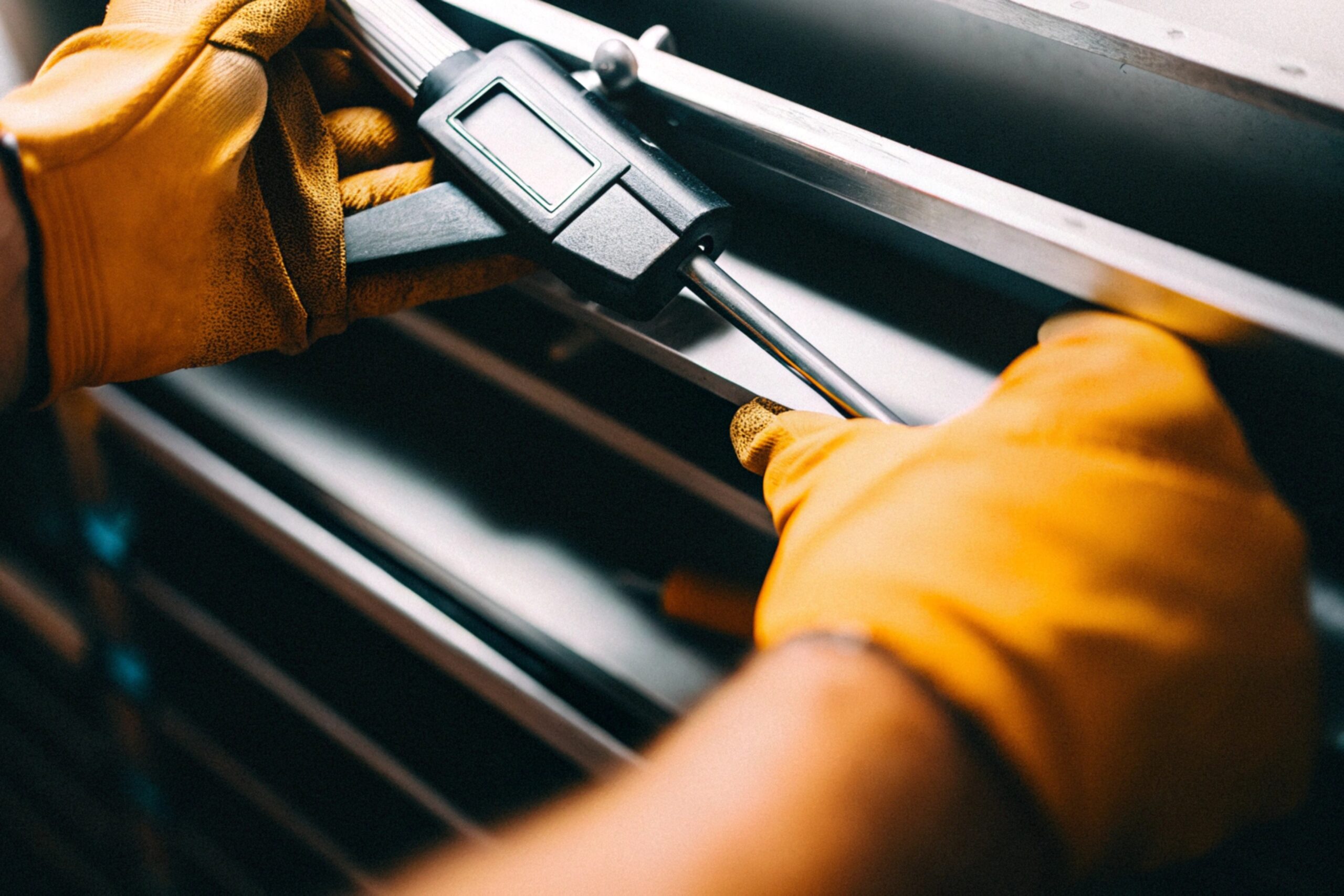
Adhering to manufacturer-defined torque specifications is crucial for performance. Regular inspections and recalibrations ensure consistent torque levels, maintaining assembly integrity. Comprehensive awareness of correct torquing techniques is pivotal in preventing track shoe failures.
What material and heat treatment combination offers the best resistance to cracking?
Selecting a material and heat treatment combination that resists cracking requires careful consideration. In my professional opinion, boron steel 10 combined with quenching and tempering processes offers optimal performance.
Boron steel, known for its toughness, when heat-treated provides excellent resistance against cracking. Comprehensive processes involving quenching followed by tempering enhance its structural integrity.
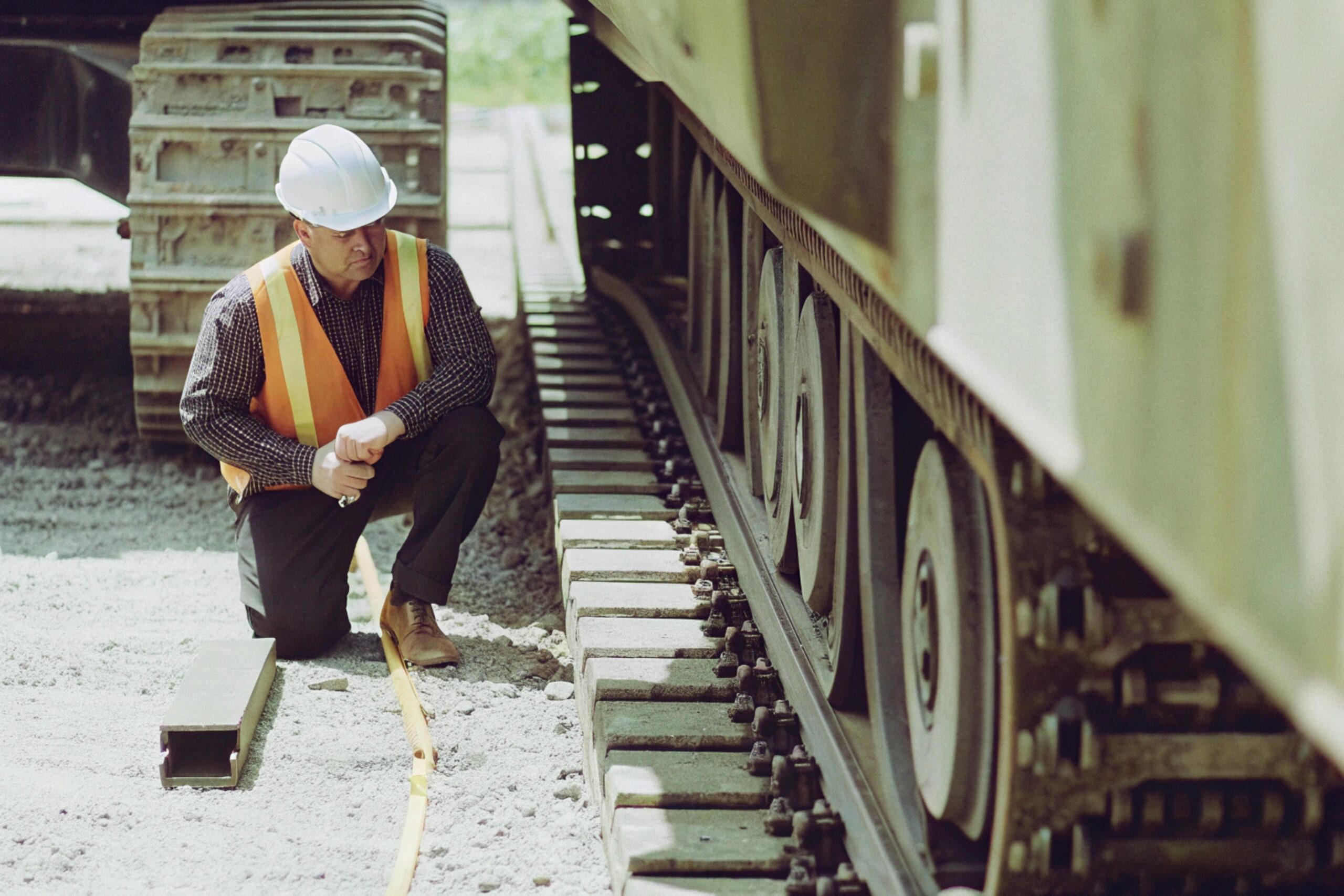
Examining metallurgical compositions and ensuring precise heat treatments gives us materials of superior resilience. We achieve increased strength and durability, vital for maintaining track shoe integrity under stress. Understanding the correlation between material properties and heat treatment enhances track shoe lifespan.
Conclusion
Properly addressing factors leading to track shoe breakage ensures enhanced durability. Consistent maintenance paired with suitable operational techniques significantly reduces premature failures.
Footnotes
1. Overview of the track shoe manufacturing process and materials. ↩︎
2. Explanation of the quenching and tempering heat treatment process. ↩︎
3. Guide on how to check and adjust for correct track tension. ↩︎
4. Learn what stress concentrations are in engineering materials. ↩︎
5. Understanding the impact of lateral stress on machinery components. ↩︎
6. Benefits of operator training for heavy equipment longevity. ↩︎
7. A guide to different grouser types and their applications. ↩︎
8. Comparing single vs. multi-grouser designs for hard surfaces. ↩︎
9. The importance of following correct bolt torque procedures. ↩︎
10. Properties and advantages of using boron steel in heavy machinery. ↩︎