
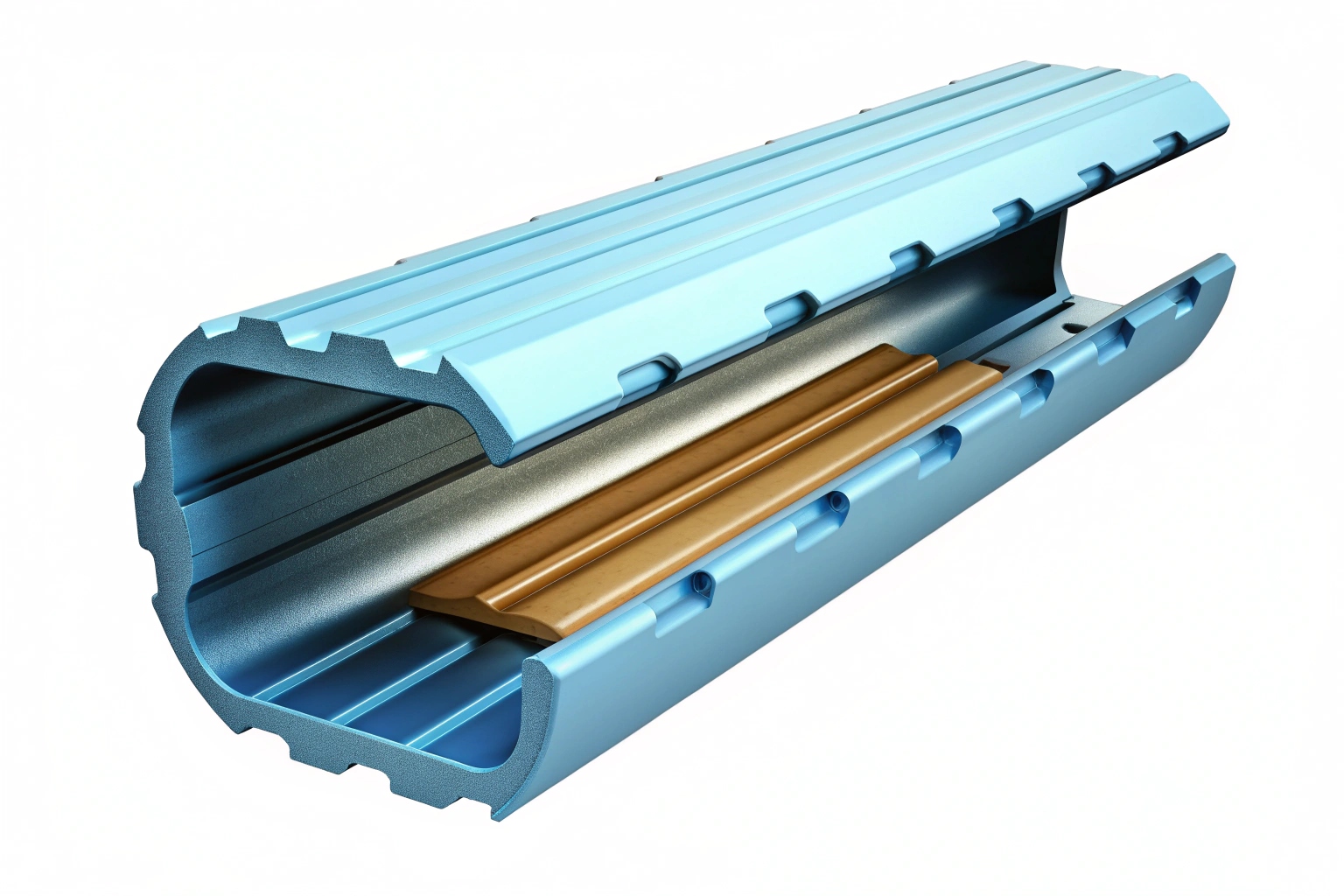
Selecting the right hardness levels for a track shoe assembly 1 is critical for performance and longevity. Having worked with various track shoe assemblies, I know that finding the perfect balance between surface hardness 2 and core toughness is essential.
Typically, premium track shoe assemblies have a recommended surface hardness range of 45-55 HRC and core hardness of 15-25 HRC. This range ensures that the track shoe can withstand rigorous usage while maintaining the necessary toughness to avoid brittleness.
When considering surface and core hardness levels, the focus should be on optimizing performance under demanding conditions. The ideal hardness profile usually blends high wear-resistant surface characteristics 3 with a softer, tough core to prevent breakage. Premium track shoes often adopt this dual-property structure. Let's dive deeper into why this combination is important.
Why is it so important for the track shoe to have a softer, more ductile core (core toughness)?
A track shoe's core toughness 4 is often undervalued by those who prioritize surface hardness alone. Through my experiences, I've come to realize that core toughness is crucial for the track shoe's reliability. It prevents fractures and allows the structure to absorb impact 5.
Core toughness is essential because it provides the necessary flexibility to prevent brittleness, which can lead to premature breakage of the track shoe under stress. By ensuring a softer core, the assembly gains resilience, making it less prone to catastrophic failures.
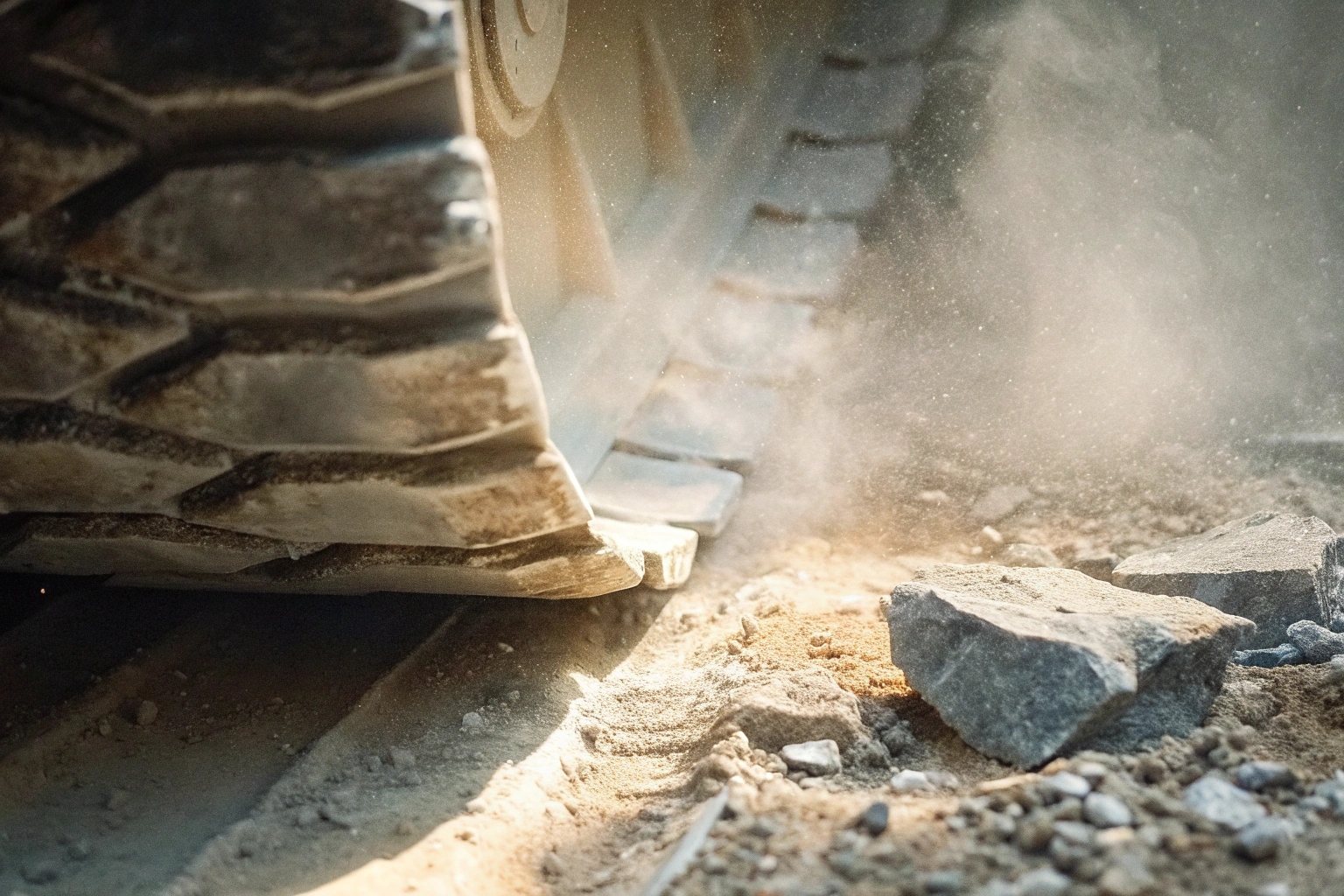
A track shoe must balance surface hardness with core toughness. The core's ductility 6 helps the shoe absorb shocks from rocky or uneven surfaces, making it an integral part of the assembly. Having a softer core allows for controlled deformation, preventing cracking. Here's a typical hardness comparison chart:
| Property | Surface Hardness (HRC) | Core Hardness (HRC) |
|---|---|---|
| Premium Track | 45-55 | 15-25 |
| Regular Track | 42-49 | 25-35 |
| Extreme Duty | 52-58 | 30-35 |
| Cast Type | 29-35 | 20-30 |
How does this hardness profile (e.g., HRC 42-48) compare to the original OEM specifications?
Understanding OEM standards 7 offers valuable insight into the ideal hardness profile for track shoes. Drawing from my role, I actively seek this information to ensure compliance and quality.
The typical hardness range of HRC 42-48 aligns closely with OEM specifications aimed at balancing wear resistance and material toughness. This alignment with OEM standards ensures consistency and expected performance across applications.

Comparing these hardness levels with OEM specs highlights their effectiveness. OEM specifications can vary based on intended use but generally emphasize wear resistance and impact durability. Aligning with these specs can help ensure optimal track shoe functionality.
Comparative Hardness Specifications
| Condition | Recommended Hardness (HRC) | OEM Specs Example (HRC) |
|---|---|---|
| General Application | 42-48 | 40-50 |
| Heavy-Duty Use | 48-52 | 45-55 |
| Specific Reinforcements | 51-52 | 50-55 |
What testing methods (like Rockwell or Brinell) should my supplier be using to verify these hardness levels?
When evaluating hardness levels, reliable testing methods are crucial. From experience, testing not only validates quality but reinforces trust in the supplier.
Suppliers should utilize Rockwell and Brinell tests to confirm track shoe hardness, as both methods provide precise, consistent measurements crucial for verifying that hardness meets specified standards. These checks ensure the durability and reliability of the components.
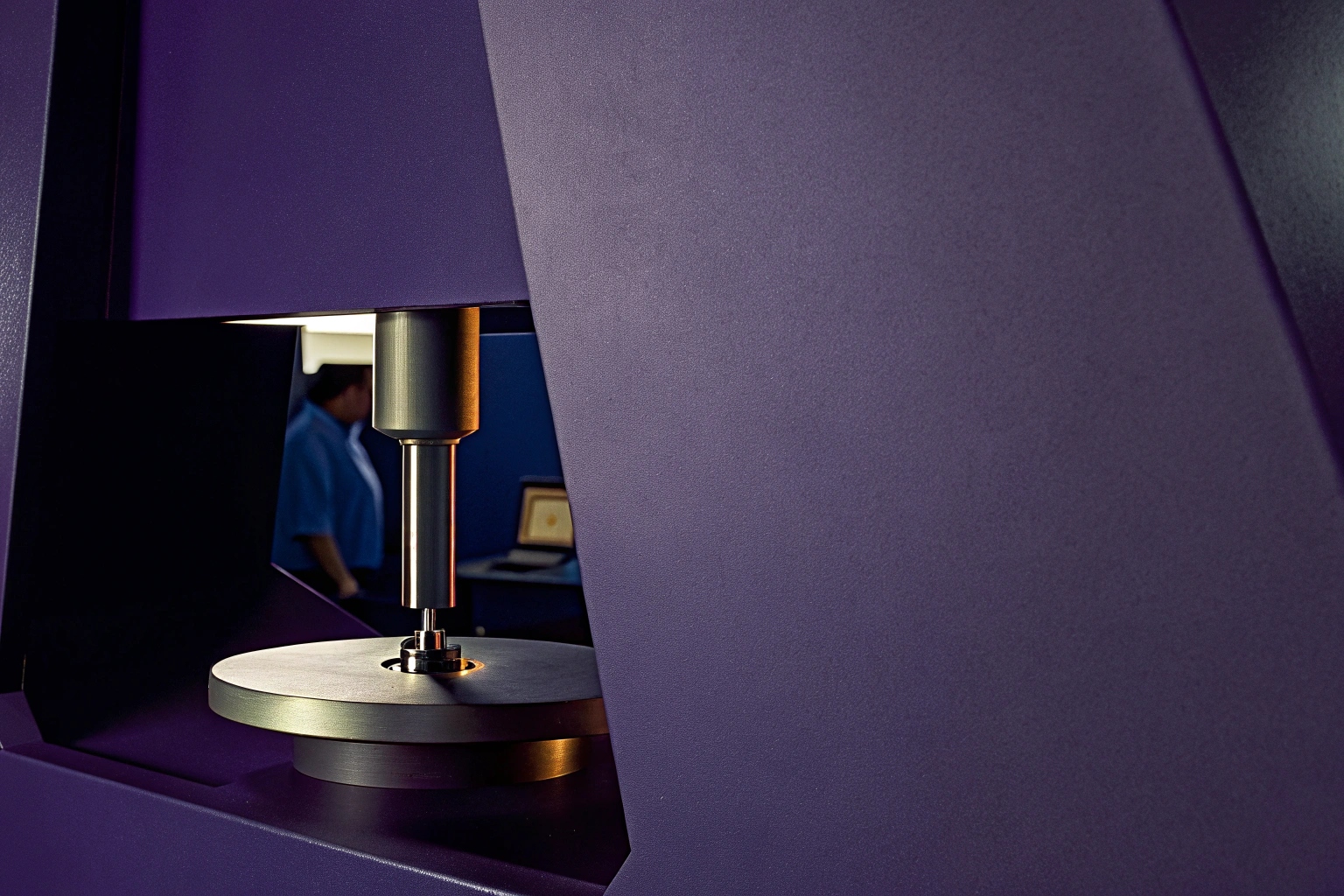
For accurate hardness verification, both Rockwell and Brinell testing methods are recommended due to their proven track records. The Rockwell test 8 is known for its speed and practicality, while Brinell offers deeper insights into material structure. It's important for suppliers to document these test results as part of quality assurance 9.
Testing Methods
| Method | Ideal Application | Accuracy |
|---|---|---|
| Rockwell | Rapid surface checks | High |
| Brinell | In-depth material analysis | Moderate to High |
| Vickers | Microhardness verification | Very High |
Can I get a guarantee in my contract that 100% of my order will meet these specific hardness ranges?
Guarantees in contracts are a decisive factor when selecting a supplier. Drawing from my past negotiations, such assurances can prevent potential disputes and ensure reliability in the supply chain 10.
Yes, contractual guarantees can be negotiated to ensure 100% of the track shoe order meets specific hardness ranges, providing reassurance of quality and consistency. This safeguard emphasizes quality control measures within the production process.

When engaging suppliers, look for comprehensive agreements that include hardness specifications, testing proof, and obligations. This practice mitigates risk and underscores a commitment to high standards. Included guarantees not only uphold seller accountability but solidify trust in the partnership.
Conclusion
Balanced hardness is crucial to track shoe performance. Emphasizing surface and core hardness ensures durability, while proper testing methods help verify quality. Contracts with guarantees add assurance, creating a solid foundation for reliable supply.
Footnotes
1. Overview of the components and function of a track shoe assembly. ↩︎
2. Learn about surface hardness and its importance in material science. ↩︎
3. Techniques for creating wear-resistant surfaces on metal parts. ↩︎
4. Explanation of core toughness and its contrast with surface hardness. ↩︎
5. Explore how different materials are designed to absorb impact energy. ↩︎
6. Understand the definition of ductility and its role in preventing fractures. ↩︎
7. Guide to Original Equipment Manufacturer (OEM) standards in manufacturing. ↩︎
8. Detailed guide on how the Rockwell hardness test is performed. ↩︎
9. See the principles and practices of quality assurance (QA) in production. ↩︎
10. Strategies for building and maintaining reliability in a global supply chain. ↩︎