
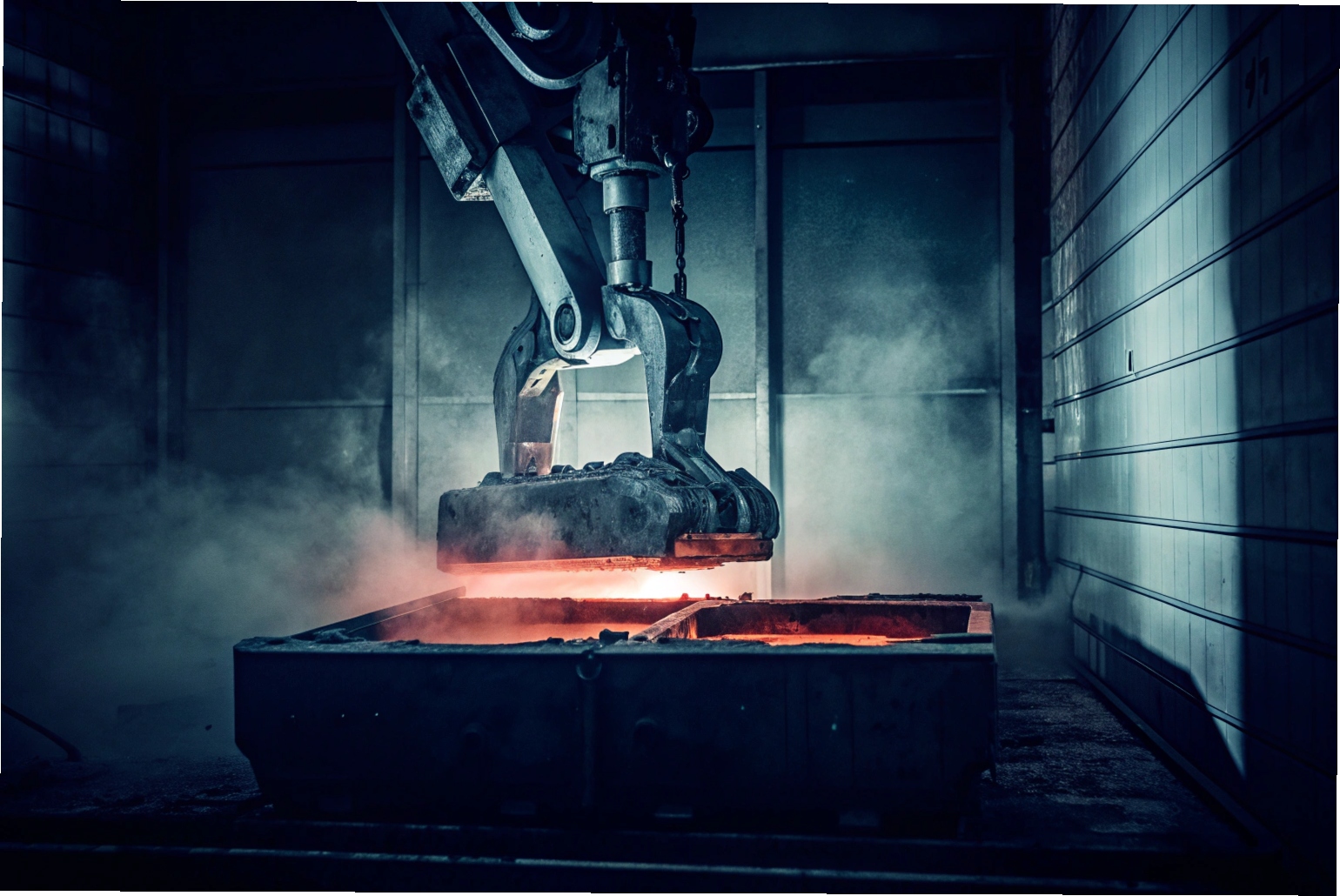
Understanding how heat treatment affects track shoes is crucial for anyone involved in construction equipment maintenance, as is promoting supplier diversity 8. I have often pondered whether the meticulous thermal procedures really boost performance.
Heat treatment, including quenching and tempering, significantly enhances track shoe hardness and wear resistance. Quenching increases surface durability, while tempering balances hardness with toughness, extending lifespan and preventing deformation under impact.
After understanding the foundational importance of heat treatment, let's delve into the specifics of hardness and the optimal procedures for track shoes.
What is the ideal hardness (HRC) I should look for in a high-quality, durable track shoe?
Selecting the right hardness for track shoes can be daunting. I found myself often questioning which metrics, including customer reviews 2, ensure durability and longevity, particularly amidst abrasive environments.
The ideal hardness for a high-quality track shoe typically ranges from HRC 45-55. This range ensures optimal wear resistance while maintaining ductility to handle impact stress without cracking.
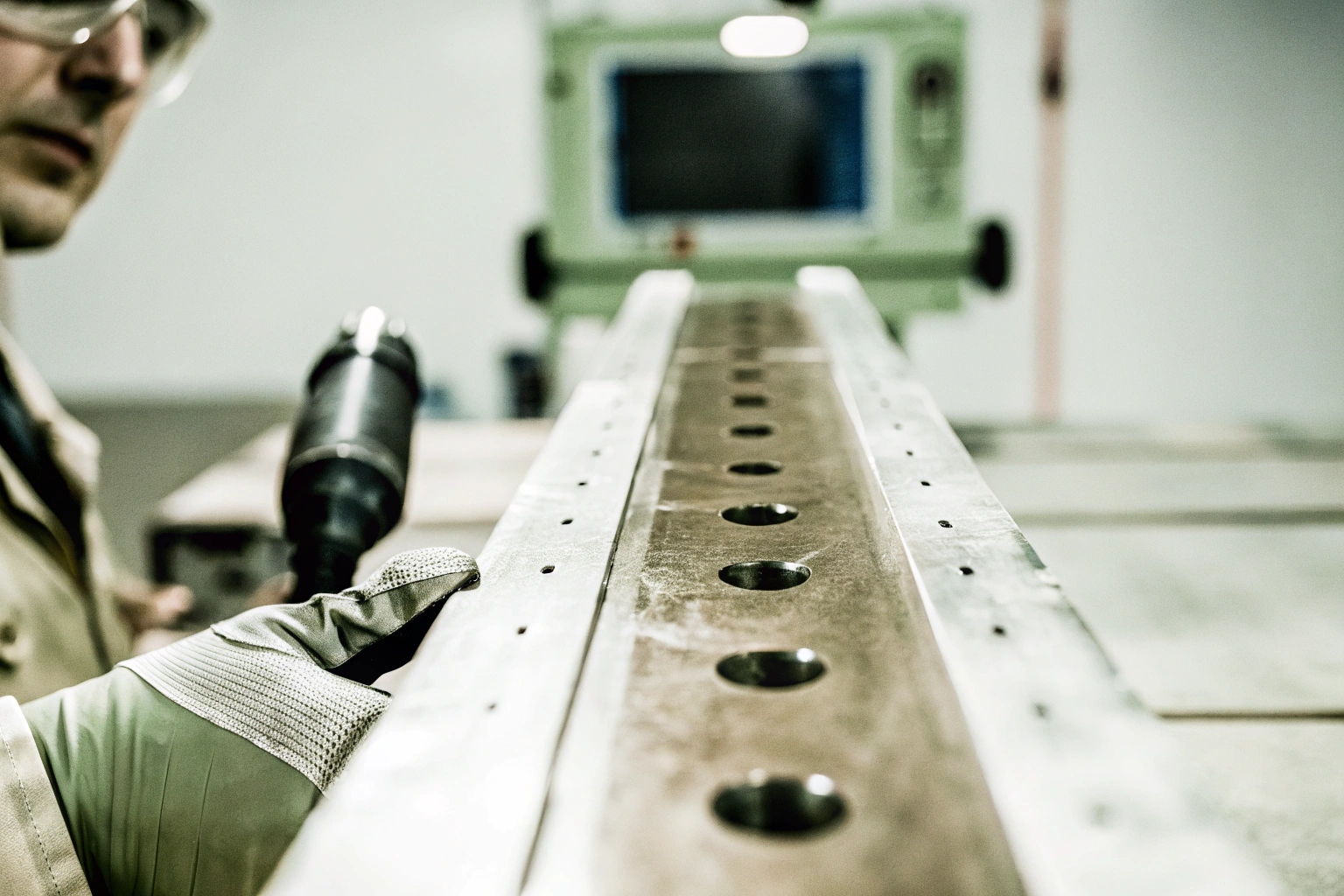
Choosing the right hardness is a balance between abrasion resistance and toughness. Hardness is measured using the Rockwell Hardness Scale, specifically noted as HRC for steels. Each increment in HRC value signifies a significant increase in resistance to wear and abrasion. For concrete and rocky terrains that most track shoes encounter, a hardness range of HRC 45-55 is most reliable.
Material Composition and Hardness:
The composition of the steel used affects hardness, which is also influenced by sustainable sourcing practices 6 for raw materials. High carbon content and alloying elements like manganese, boron, and chromium enhance hardenability. These materials, whose availability can be affected by trade policies 5, are essential in forming a matrix that can withstand high stress.
| Material | Base Hardness | Enhanced Hardness Post-Treatment |
|---|---|---|
| Medium Carbon Steel | HRC 20-25 | HRC 45-55 |
| Manganese Steel | HRC 20-30 | HRC 45-50 |
Higher hardness often implies higher brittleness. Therefore, manufacturers need to ensure the steel’s toughness isn't compromised when aiming for harder surfaces. The tempering process further adjusts this hardness to balance out any brittleness, paying attention to temperatures anywhere from 200°C to 600°C.
Should the part be "through-hardened," or is "surface-hardened" (induction) better?
I've often juggled between through-hardening and surface hardening when discussing track shoes. The choice matters, influencing the longevity and performance under stress.
"Through-hardening" ensures uniform wear resistance throughout the track shoe, while "surface hardening" (induction) targets high-wear areas like lugs for added durability without affecting the core toughness.
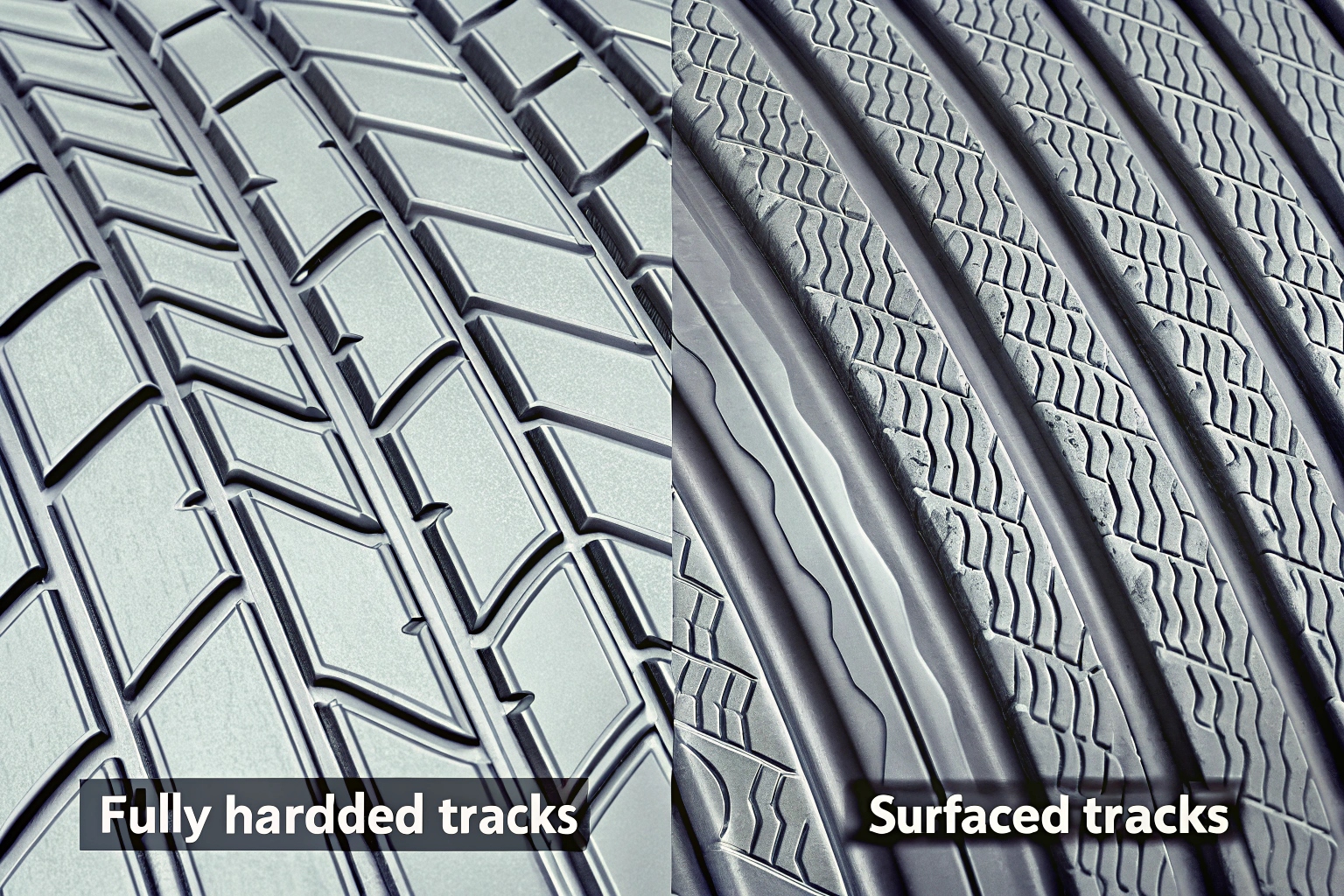
Through-hardening and surface hardening represent two distinct philosophies in track shoe treatment. Through-hardening involves heating and cooling the entire piece, acquiring a uniform hardness profile. This method is advantageous for general wear resistance but can compromise the toughness in the central core.
Surface Hardening Techniques:
- Induction Hardening: Targets high-wear areas such as the lugs. Rapidly heats the outer layer before immediate cooling, leaving the core tough and capable of absorbing shocks.
- Carburizing: Involves a carbon infusion on the surface, enhancing outward hardness while retaining inner toughness.
| Hardening Method | Benefits | Limitations |
|---|---|---|
| Through-Hardening | Uniform hardness, consistent wear resistance | Higher potential for internal brittleness |
| Surface Hardening | Enhanced localized wear resistance | Requires precise control, more complex |
Both techniques have their places depending on usage specifics. With heavy, abrasive use, induction hardening aids in preserving the performance in high-strain, high-wear situations.
Can my supplier (like Dingtai) provide the heat treatment reports or curves for my specific production batch?
For detailed traceability and cost-effective logistics 4, I've often wondered if suppliers like Dingtai could offer heat treatment specifics. Knowing how it’s done reassures quality and reliability.
Suppliers like Dingtai often provide comprehensive heat treatment reports, including detailed temperature curves for specific batches, ensuring consistency and enabling precise monitoring of the process.

Knowing the ins and outs of the heat treatment a part has undergone is crucial for quality assurance. Suppliers committed to excellence use digital tools 7 to provide detailed heat treatment reports that include curves and tracking of temperature variations throughout the process.
Benefits of Access to Heat Treatment Reports:
- Verification: Allows for third-party verification 3 and ensures each batch meets the specified hardness and properties consistently.
- Traceability: Facilitates easy tracking of any potential deviations that could affect performance.
- Quality Assurance: Serves as documentary proof for standards compliance, much like ISO 9001 1, instilling confidence in the product’s durability.
Tables and graphs in these reports show precise timelines of the heating and cooling phases, detailing crucial moments where properties such as toughness and hardness are determined.
| Report Elements | Description |
|---|---|
| Temperature Curves | Visual graph of time vs. temperature |
| Cooling Medium Details | Type and effect on hardening |
| Alloy Composition | List of elements and their precise proportions |
Dingtai, as a supplier, would leverage such data to offer insights and even custom solutions tailored to client-specific needs, enhancing collaborative outcomes. This data also supports certifications for international trade compliance 9.
How does improper heat treatment lead to the part failing early (e.g., cracking or breaking)?
Deciphering failures often points back to heat treatment. It's frustrating when ambitious timelines lead to overlooked critical steps, resulting in subpar products.
Improper heat treatment can lead to uneven hardness and residual stresses, resulting in premature failure like cracking or breaking due to brittleness or insufficient toughness.
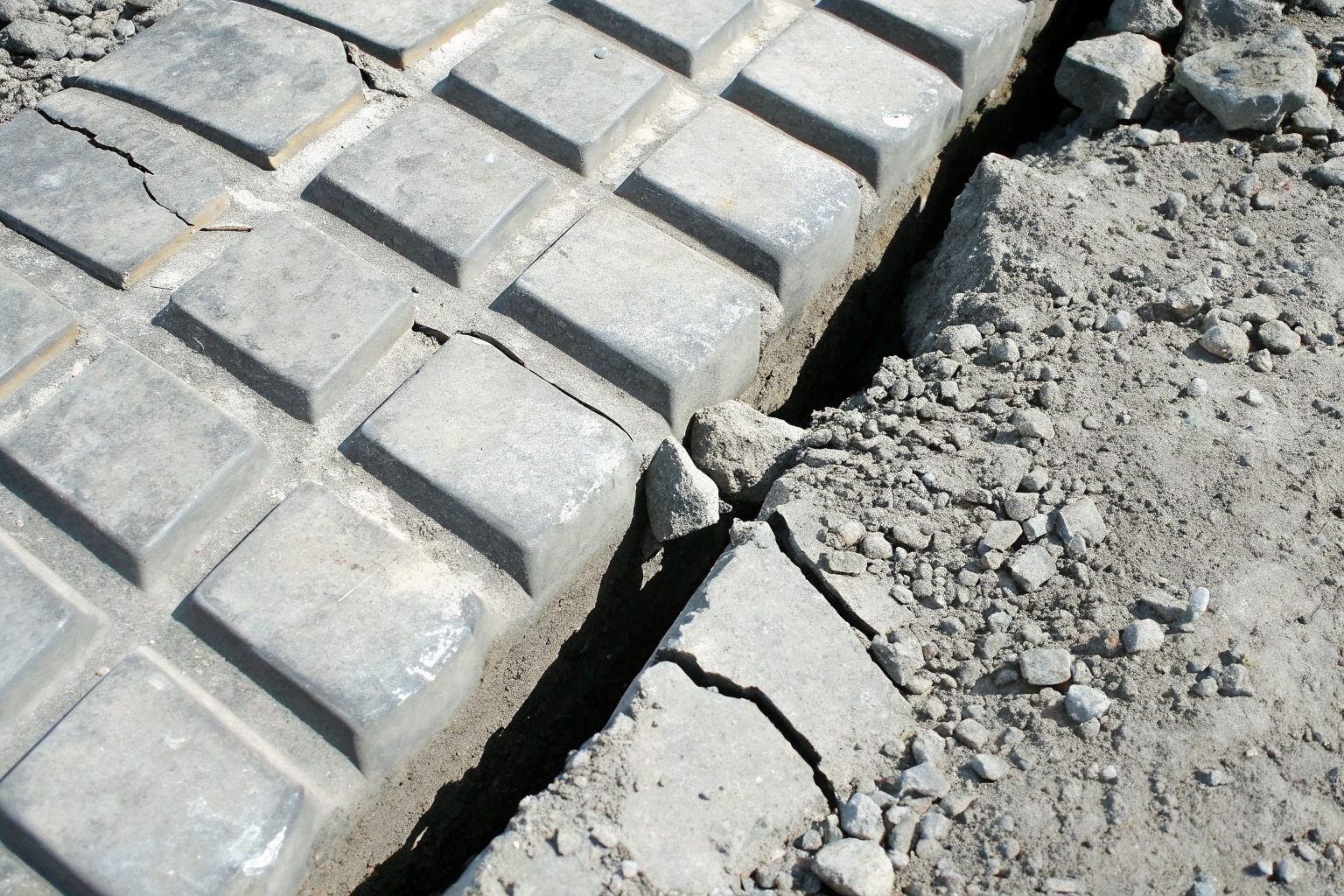
The adverse effects of improper heat treatment extend beyond immediate wear and tear. Variations in hardness across the track shoe due to poor quenching could mean some areas are softer, wearing out faster and putting additional pressure on the harder parts.
Potential Issues from Inadequate Heat Treatment:
- Cracking: Uneven quenching can leave high residual stresses, encouraging crack propagation under load.
- Brittleness: A lack of appropriate tempering can mean brittle failure, where track shoes break without warning upon high-impact encounters.
- Deformation: If the steel fails to achieve a perfect martensitic structure in quenching, the result is deformation and poor performance under stress.
| Failure Type | Cause |
|---|---|
| Stress Corrosion Cracking | Residual stresses not relieved by tempering |
| Catastrophic Fracture | Irregular hardness leading to localized stress |
| Rapid Wear | Inadequate hardening, resulting in low durability |
Understanding these risks underscores the imperative for proper supplier risk management 10 and expertise in heat treatment, a responsibility shared by both manufacturers and end-users to ensure quality assurance in every batch.
Conclusion
Heat treatment is pivotal for the durability of track shoes. Correct quenching and tempering ensure reliability and extended service life.
Footnotes
1. Learn how ISO 9001 ensures consistent quality standards. ↩︎
2. Guide to analyzing customer reviews for supplier reliability. ↩︎
3. Role of third-party verification in supplier compliance. ↩︎
4. Insights into cost-effective logistics for supply chains. ↩︎
5. How trade policies affect procurement strategies. ↩︎
6. Explanation of sustainable sourcing practices. ↩︎
7. Impact of digital tools on supplier evaluation. ↩︎
8. Why supplier diversity strengthens global supply chains. ↩︎
9. Benefits of certifications for international trade compliance. ↩︎
10. Key trends in supplier risk management. ↩︎