
When it comes to choosing the right track shoe assembly 1, understanding the specific working conditions they are suited for is crucial. As an excavator operator 2, I've often been faced with the challenge of selecting the appropriate grouser type for various terrains (rocky, muddy, smooth).
The type of grouser affects the machine's ability to handle specific terrains efficiently. Single grouser track shoes are best for rocky terrains needing high penetration, while double grousers work well on softer grounds offering balanced traction. Triple grouser assemblies suit grassy areas, minimizing ground disturbance. It's important for customers to match the grouser type with their operational needs, ensuring effectiveness and minimizing equipment wear 3. This decision impacts the machine's performance on different surfaces.
| Grouser Type | Best Suited Conditions | Key Characteristics |
|---|---|---|
| Single Grouser | Rocky terrains, high penetration | Strong traction, high surface disturbance |
| Double Grouser | Softer grounds, general work | Balanced traction and maneuverability |
| Triple Grouser | Grassy, sensitive areas | Minimal ground disturbance, less penetration |
Which grouser type offers the best traction for my customers working in soft ground like mud or clay?
For those working in soft ground conditions 4 such as mud or clay, choosing a grouser type that offers optimal traction is critical. Stuck machinery is not only frustrating but can cause project delays and increased costs.
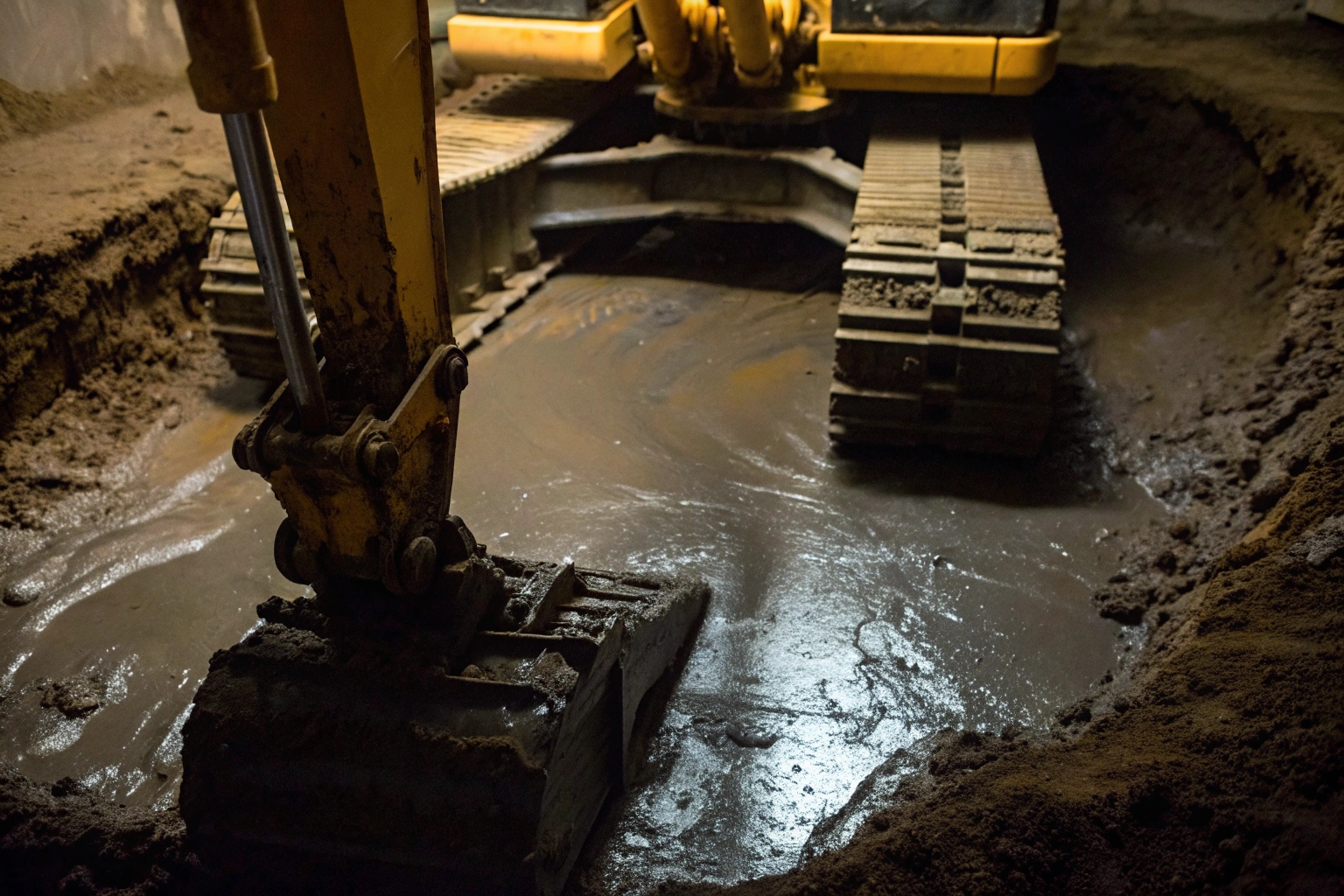
Single grouser shoes provide maximum traction and ground penetration, ideal for soft soils, mud, and uneven terrain. They excel in muddy or clay soils, offering substantial grip and preventing slippage or sinking.
In-depth analysis
Single grousers are designed with high, prominent grousers that penetrate deeply into softer terrains. This results in excellent traction, crucial for preventing bogging down in slippery conditions. The aggressive design of these shoes ensures strong grip, but it's worth noting they are more prone to ground disturbance 5 than other types. Their structure provides exceptional pushing capability, especially in uneven environments where traction is paramount.
Furthermore, the heavy-duty nature of single grousers makes them less suitable for delicate or sensitive land where minimal impact is desired. They exert significant pressure on the ground, which can lead to increased wear and tear on finished surfaces or softer soils if not appropriately managed. Nevertheless, in terms of traction, single grousers excel on soft ground by ensuring efficient, continued operations, significantly reducing downtime tied to terrain limitations.
If my machine operates on hard, abrasive rock, which grouser type will provide the longest wear life?
Operating on hard, abrasive surfaces 6 requires a shoe assembly that can withstand substantial wear while still delivering traction. The wrong choice can lead to premature wear and costly replacements 7.
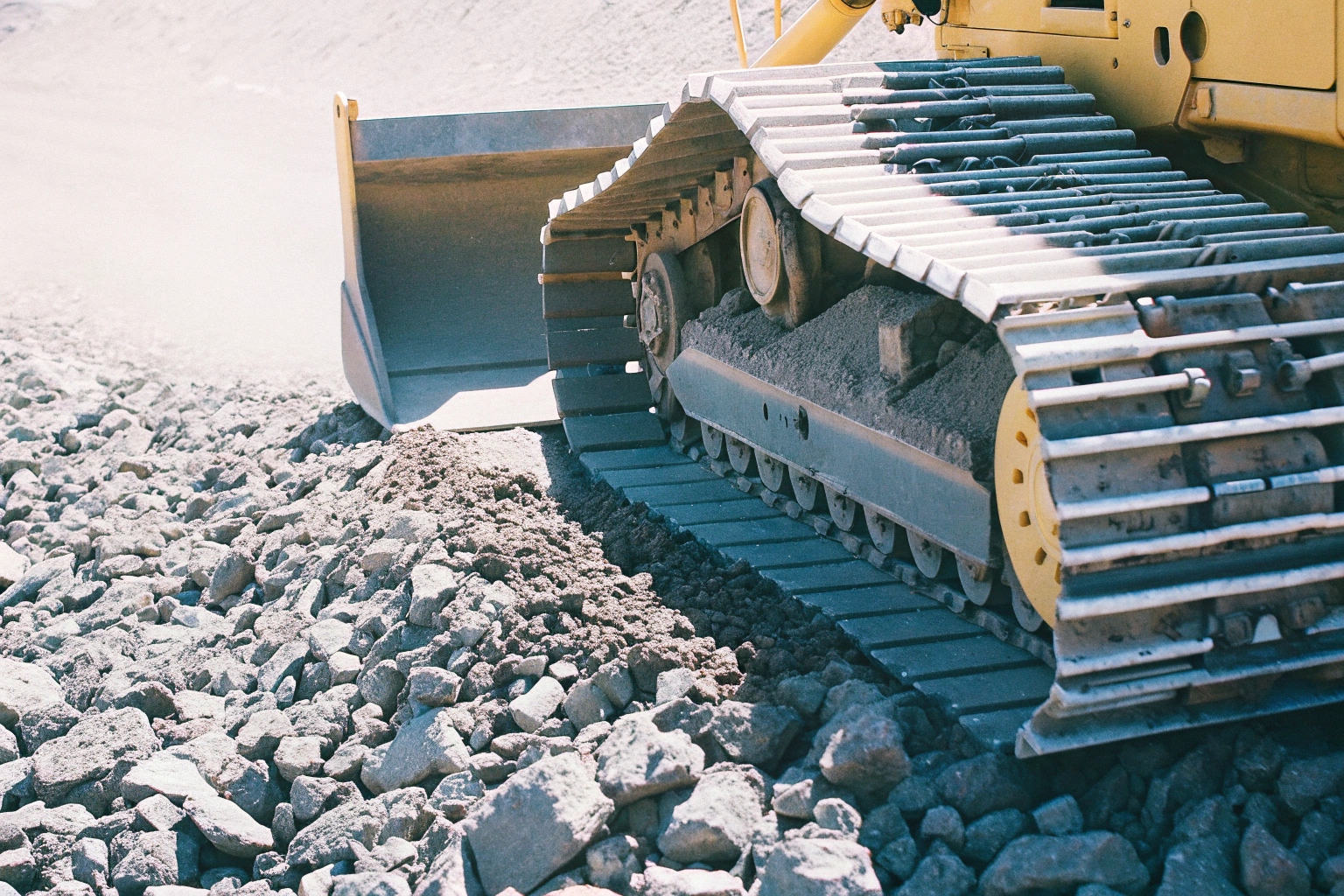
Double grouser shoes are effective on hard, rocky, or compacted soils. When faced with abrasive surfaces, these shoes strike a balance between longevity and performance, ensuring a longer wear life.
Durable choices for rocky terrains
Double grousers are characterized by two parallel ridges on each shoe. This configuration provides reliable traction while reducing excessive ground penetration and the wear associated with single grousers. As stones and rocks impact the shoe, double grousers distribute these forces, significantly lowering damage and extending wear life.
| Grouser Type | Terrain Type | Wear Life | Traction |
|---|---|---|---|
| Single Grouser | Soft, muddy | Moderate | High |
| Double Grouser | Rocky, abrasive | Long | Medium |
| Triple Grouser | Hard, flat | Long | Low |
The configuration is particularly suited for extreme environments such as quarries or mines 8 where surfaces are abrasive. While single grousers might chip and erode quickly, double grousers handle such conditions with finesse. This durability makes them a preferred choice for operators whose machinery encounters frequent rocky interference.
Comparative studies of shoe wear indicate that while single grousers might feature larger initial traction, double grousers maintain consistent performance over longer periods. This not only benefits operators through reduced shoe replacement frequency but also ensures predictable, stable operation during continuous use on challenging terrains.
How much does the grouser type affect the maneuverability and turning of my machine?
Maneuverability is key in environments requiring frequent machine adjustments. The right grouser type will provide optimal control without sacrificing performance.
Triple grouser shoes offer the highest maneuverability and the lowest turning resistance. Their design is suited for applications demanding swift movement and minimal ground impact.
Maneuverability and control
Triple grousers distribute the machine’s weight over a larger contact area, reducing ground pressure 9. This design minimizes turning resistance, making machines with triple grousers highly maneuverable, particularly suitable for operations in confined spaces or soft soils.
Unlike single or double grousers, triple grousers exert less force on surface penetration, decreasing disturbance and allowing for smoother turning. They are favored in settings requiring delicate operation, such as landscaped environments or areas with restricted soil penetration needs.
With reduced turning resistance, triple grousers enhance operational efficiency, particularly in settings where constant movement is required. This is vital for tasks demanding precision, ostensibly reducing the operator's fatigue and optimizing machine performance.
For tasks requiring swift transitions and gentle terrain interaction, triple grousers provide an invaluable advantage, striking an optimal balance between movement fluidity, surface impact, and adaptability across diverse applications.
| Grouser Type | Maneuverability | Turning Resistance |
|---|---|---|
| Single Grouser | Low | High |
| Double Grouser | Medium | Medium |
| Triple Grouser | High | Low |
For general-purpose excavation, what is the most common and safest grouser type I should stock?
Selecting the most versatile and safe grouser type for excavation is essential for stock management. With various terrain encounters, versatility reigns supreme.
Triple grouser shoes are the standard for hydraulic excavators 10. Their configuration balances traction needs with the capability to handle diverse terrains, ensuring safe and consistent performance in general-purpose excavation.
Versatility and safety in general excavation
Triple grouser shoes feature multiple ridges that distribute the equipment's weight efficiently, reducing ground disturbance and providing stable operations on varied surfaces. This design is highly trusted among operators for its ability to ensure balanced traction without over-penetrating or causing significant ground wear, making them ideal for general excavation.
From soft mud to packed clay, triple grousers offer adaptability, ensuring machinery moves efficiently without compromising safety or function. Their wide contact area makes them favorable for machines operating in scenarios demanding care and balance.
They remain an investment-worthy option because of their versatility in meeting excavation demands partly due to their comprehensive coverage on soft and hard terrains, enhancing operator confidence and machinery safety during extensive operations.
Conclusion
Selecting the right grouser impacts performance and wear. Triple grousers provide versatility across terrains, while single offers traction for soft ground.
Footnotes
1. A comprehensive guide to understanding track shoe assemblies. ↩︎
2. Learn about the career path and responsibilities of an excavator operator. ↩︎
3. Tips from Equipment World on reducing undercarriage wear and tear. ↩︎
4. Best practices for operating heavy machinery on soft ground. ↩︎
5. Understand ground disturbance regulations and best practices in construction. ↩︎
6. See specialized equipment solutions for rocky and abrasive applications. ↩︎
7. Analysis of undercarriage maintenance and replacement costs. ↩︎
8. Explore equipment solutions designed for quarries and aggregates. ↩︎
9. Wikipedia's technical explanation of ground pressure and its mechanics. ↩︎
10. A detailed overview of what a hydraulic excavator is and how it works. ↩︎