
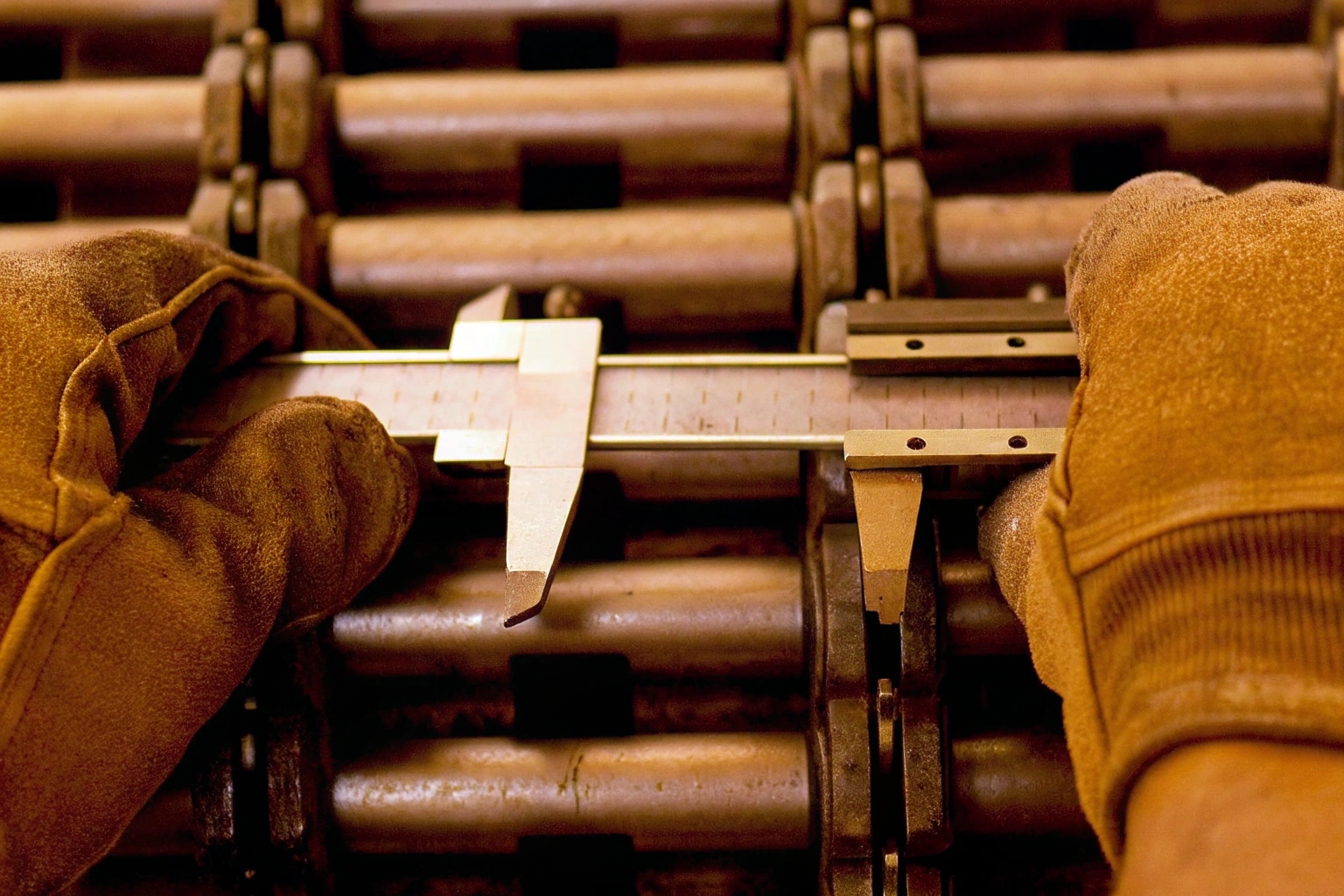
How often have you wondered whether your methods for measuring track shoe assembly parts are correct? Proper measurement of these components ensures smooth operation and minimizes maintenance costs.
Accurate measurement of track pitch 1, bolt size, and shoe thickness is crucial during assembly purchases. The pitch 2 is determined by the distance between pin centers; bolt size includes diameter and length; shoe thickness is the depth at its thinnest point for uniform assembly.
The complexity of measurements often leads to confusion. Maintaining accuracy helps avoid complications like chain misalignment 3, incompatibility, and premature wear. Let's delve deeper into understanding these measurements correctly.
Can the supplier (like Dingtai) provide a detailed technical drawing for me to verify against my requirements?
Ever found yourself squinting at vague technical documents? Clear and detailed technical drawings are priceless for verifying component compatibility and specifications.
Yes, suppliers like Dingtai 4 can offer technical drawings detailing the dimensions and requirements to ensure compatibility. Providing high-resolution plans can assist clients in verifying every technical aspect of the components.

Having detailed drawings simplifies verification, preventing errors before purchase. These documents, when contrasted with existing parts, assure clients of a precise fit, enhancing track reliability and longevity. Verifying with technical drawings reduces risks of mismatches, wasted resources, and downtime.
Sample Data for Technical Drawings:
| Component | Dimension Type | Example Measure (mm) |
|---|---|---|
| Track Pitch | Pin Center-to-Center | 203.2 |
| Bolt Size | Diameter x Length | M16 x 50 |
| Shoe Thickness | Minimum Thickness | 22 |
What tools do I need to get these measurements accurately from my existing parts?
Do fuzzy measurements from worn parts make you nervous? Using the right tools can provide clarity and ensure precision in measuring components.
Tools like calipers 5 gauge diameters and lengths accurately, while depth gauges 6 measure shoe thickness precisely. Accurate tools enhance precision, reducing doubts and ensuring reliability.
Tools and Their Measurements:
| Tool | Used For | Measurement Example |
|---|---|---|
| Caliper | Bolt Diameter and Length | M16, 50mm |
| Depth Gauge | Grouser Height and Shoe Thickness | 15mm, 22mm |
| Thread Gauge | Thread Count | 2mm per thread |
Picking the right tools ensures correct measurement and alignment. Using a caliper, measure bolt diameters and thread counts. Employ a depth gauge for grouser height assessment and verify shoe thickness separately. These tools help measure from centers to edges accurately and confirm manufacturing standards.
Does the "pitch" refer to the bolt hole spacing on the shoe or the pitch of the track chain link?
Ever confused the shoe bolt hole spacing with the chain link pitch? Understanding the correct definitions prevents costly mistakes during assembly.
Pitch refers to the distance between centers of adjacent chain links, not bolt hole spacing. This ensures accurate track tension 7 and alignment.
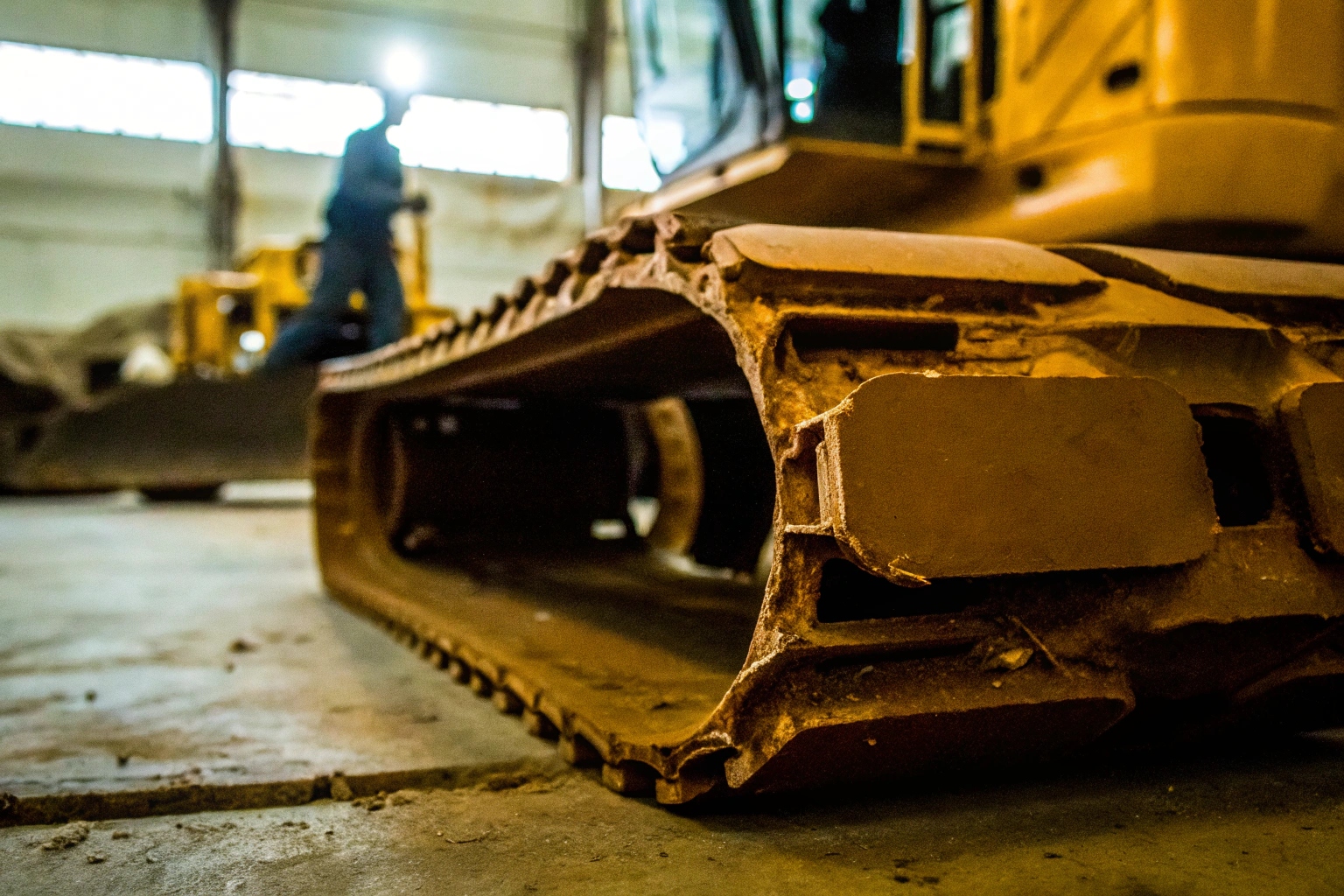
Correctly identifying pitch helps synchronize track chains, preventing misalignments or tensions. Measure from pin center to adjacent pin center, ensuring consistency with existing machinery. Misinterpretation can lead to chain issues and increase maintenance needs, elevating costs.
Key Distinctions:
| Term | Definition |
|---|---|
| Track Pitch | Distance between chain link pin centers |
| Bolt Hole Spacing | Distance between centers of bolt holes on shoe |
What are the standard industry tolerances for these dimensions that I should accept?
In search of standard tolerances, baffled by varied industry specs? Knowing the accepted ranges helps assure quality and compatibility.
Standard tolerances include minor deviations from exact measurements as laid down by industry standards 8 to ensure reliability and functionality.

Understanding tolerances clarifies expectations and assimilates industry standards. Typically, bolt sizes and link pitch measurements adhere to minimal deviation rules for industry-standard parts; this assures manufacturers and clients of compatibility. Knowing these tolerances helps manage expectations and safeguards against assembly discrepancies.
Example Standard Tolerances:
| Measurement | Tolerance (mm) |
|---|---|
| Track Pitch | ±1.5 |
| Bolt Diameter | ±0.1 |
| Shoe Thickness | ±0.5 |
Conclusion
Precision in measuring and verifying track shoe assemblies is essential for optimal performance and longevity. Thorough measurement ensures compatibility, reduces costs, and enhances reliability.
Footnotes
1. Overview of track pitch measurement methods. ↩︎
2. Guide explaining the significance of pitch in assemblies. ↩︎
3. Solutions for preventing chain misalignment issues. ↩︎
4. Access comprehensive technical drawings from suppliers. ↩︎
5. Tools used for precise measurement of dimensions. ↩︎
6. Depth gauge specifications for shoe thickness measurements. ↩︎
7. Importance of maintaining correct track tension. ↩︎
8. Standard industry tolerances for component dimensions. ↩︎