
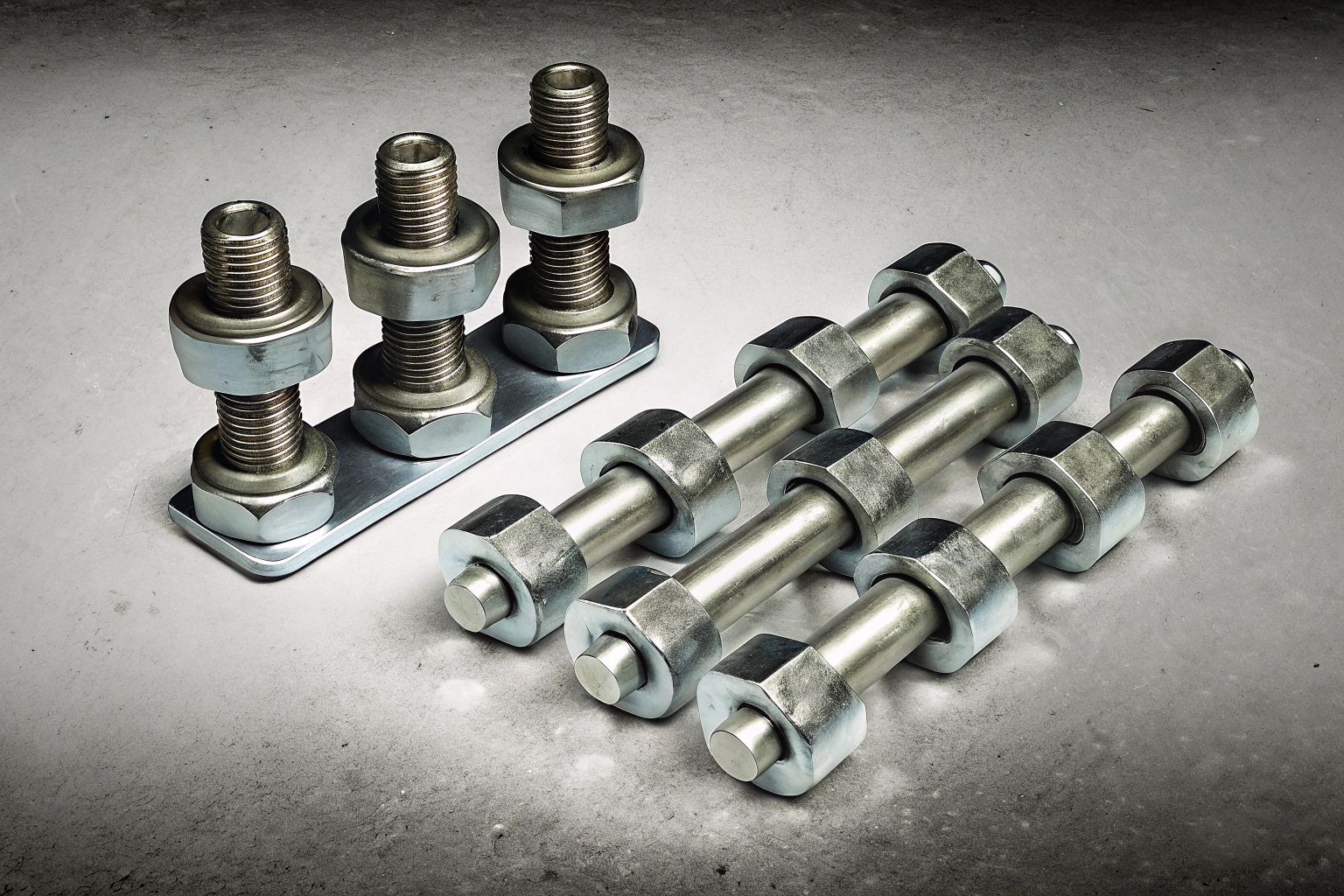
Understanding the critical role of track shoe assemblies 1 is essential for anyone dealing with tracked machinery. As someone who often juggles various machine components, I know firsthand the frustration of not knowing which part is right for the task. The real question is, what exactly comprises a track shoe assembly?
A track shoe assembly consists of essential parts like the shoe (or pad), bolts, nuts, and links. These components work together to support and move heavy machinery effectively. The assembly's role is crucial as it provides both traction and flotation for equipment, making it stable on various terrains while ensuring the machine's mobility.
A track shoe assembly generally includes track shoe pads 2 paired with the necessary bolts and nuts. This means you won’t have to separately order these fasteners. However, the track link 3 (or chain) is not part of this assembly—it is a separate component. Knowing whether to order the complete assembly or just replacement pads depends on the specific wear and tear on your machinery's parts.
What is the Difference Between Ordering a "Track Shoe" (Pad Only) and a "Track Shoe Assembly"?
Aligning the nuances between track shoes and track shoe assemblies 4 is pivotal in avoiding costly mistakes. Personally, I've had instances where ordering the wrong component led to unnecessary downtime.
A "track shoe" refers solely to the pad 5 that makes contact with the ground. On the other hand, a "track shoe assembly" includes the pad along with necessary hardware like bolts and nuts. The latter provides a comprehensive solution, preventing the disconnect between parts that might lead to instability or damage.
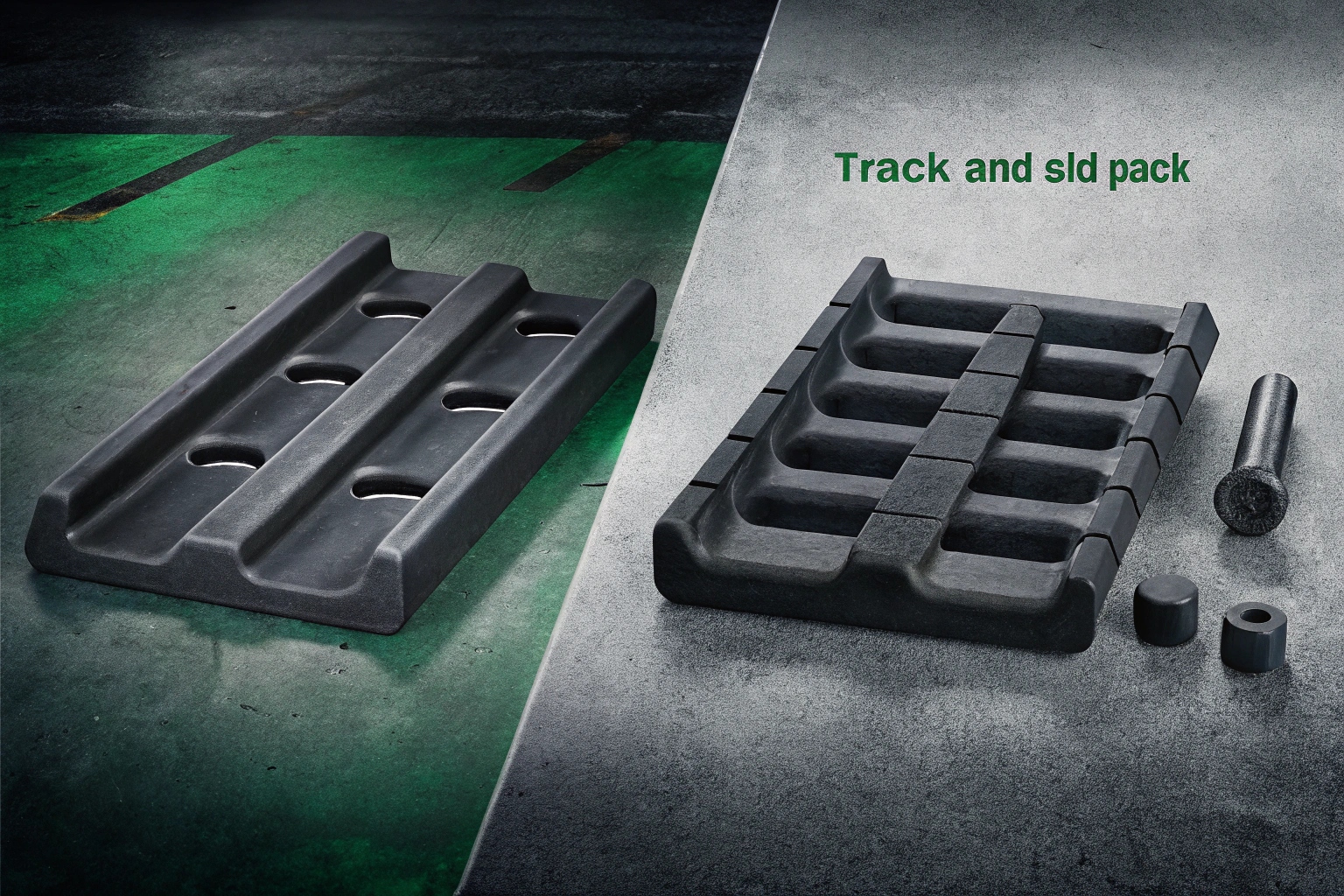
Detailed Comparison
| Aspect | Track Shoe | Track Shoe Assembly |
|---|---|---|
| Components | Pad only | Pad, bolts, nuts |
| Functionality | Replaces wear on specific ground contact parts | Provides full set needed for secure attachment |
| Cost | Generally lower | Typically higher due to included components |
The choice depends on your current operation needs. If your bolts and nuts are still in good condition, opting for individual pads might be sufficient. However, when facing extensive wear, ordering the full assembly 6 ensures everything fits as it should without unexpected failures.
Does the Assembly I Buy Typically Come with the Track Bolts and Nuts Already Included?
Replacing damaged parts can be daunting. Trust me, I've been there—scrambling for the right bolts while risking exceeding deadlines isn't pleasant. Does the assembly solve this?
Yes, when you purchase a track shoe assembly 7, it generally includes bolts and nuts. This is beneficial because it means everything you need for installation is bundled together, reducing the risk of ill-fitted replacements.
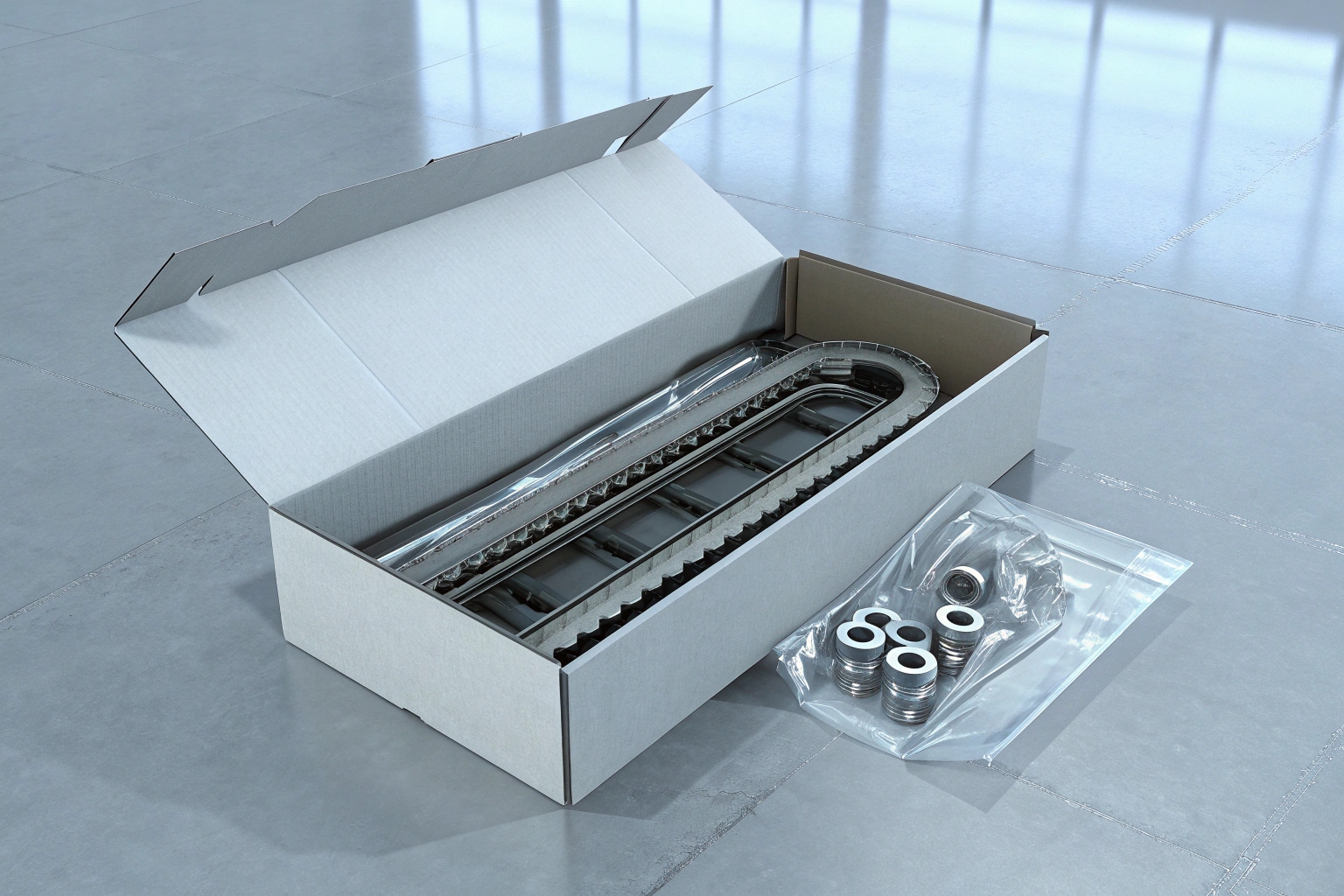
Understanding the Package
Providing everything necessary simplifies maintenance processes:
- Bolts and Nuts: High-tensile, heat-treated to withstand heavy loads. Essential for stable attachment.
- Ease of Replacement: All parts are pre-packaged, saving time in sourcing and installation.
This all-in-one approach minimizes errors during repairs and ensures each part complements the others, crucial for maintaining machinery efficiency under rigorous conditions.
Is the Track Link (Chain) Considered Part of this Assembly, or is That a Separate Component?
Deciphering the boundary between components can save both time and money. Previously, confusion about chain and assembly interactions 8 led to unnecessary purchases in my work environment.
The track link 9, or chain, is a separate component from the track shoe assembly. It forms the continuous loop around your machinery's undercarriage, linking individual shoes together.
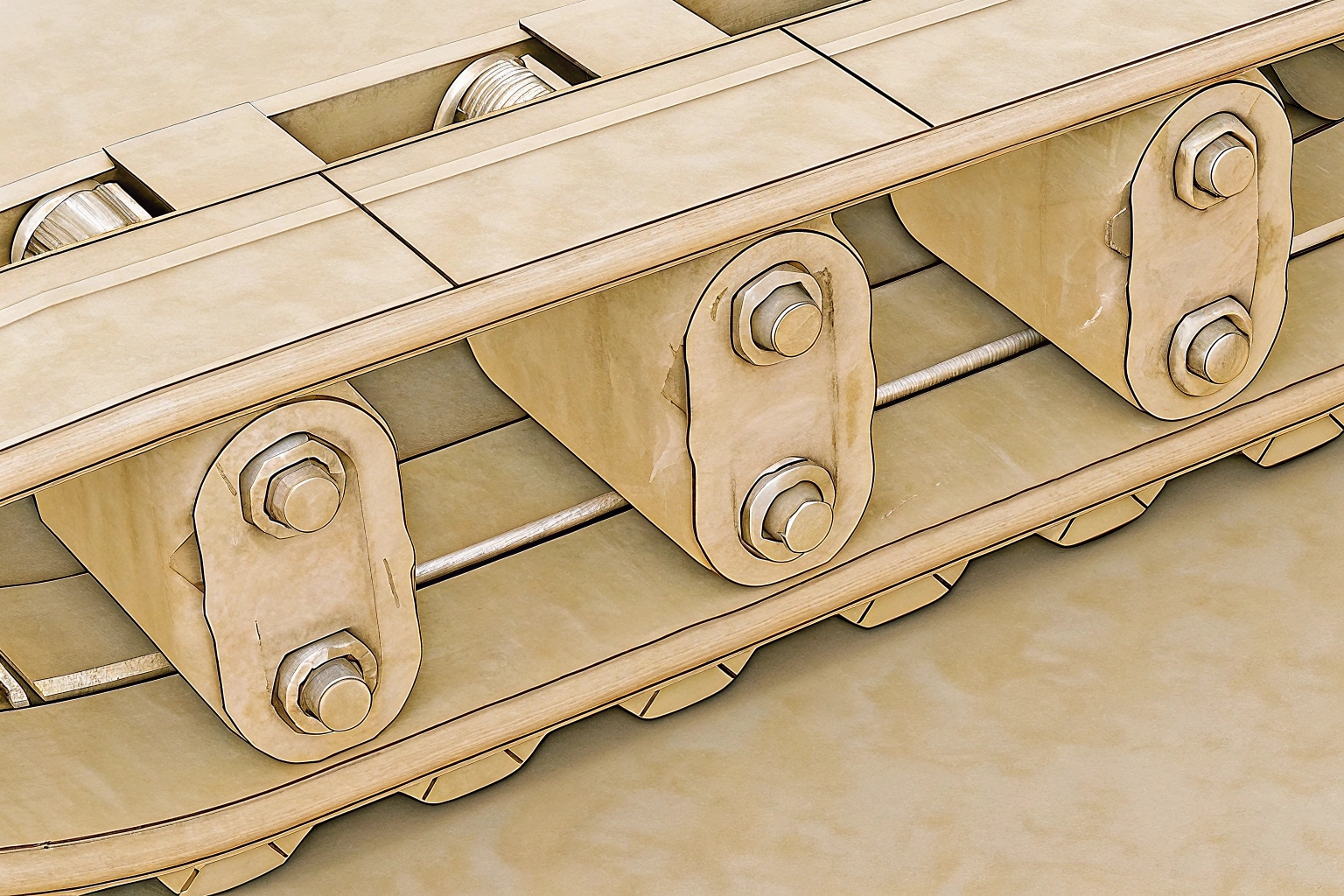
Track Link Dynamics
Understanding the connection between links and shoes is key to maintaining operational integrity:
- Links: Provide flexibility, enabling the track to contour to surfaces.
- Separateness: Orders usually exclude links unless specified, focusing on track shoe integrity.
- Integration: Links must match the assembly’s specifications to function optimally.
Knowing this distinction helps in identifying whether you face issues with your track shoes or with the linking chain, directing you to the right replacement.
How Do I Know if I Need to Order the Complete Assembly or Just the Individual Replacement Track Pads?
Navigating through repair decisions can be intricate. In my journey, gauging component wear precisely has been crucial for procurement strategy.
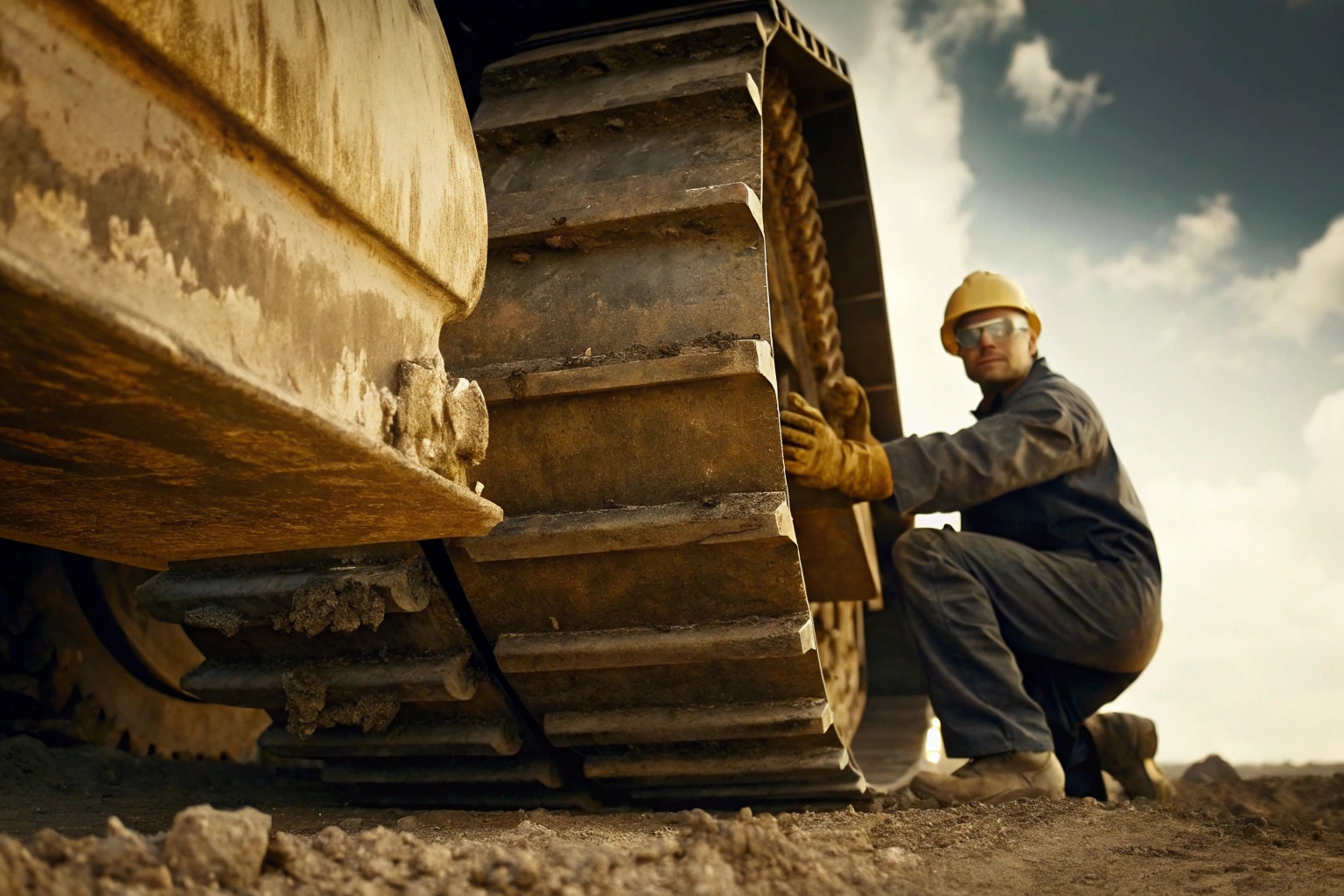
Determining if you need a full assembly 10 or just pads depends on the condition of your existing parts. Regular inspections are critical—they reveal whether the bolts and nuts are worn, suggesting a complete assembly replacement, or if only the pads are deteriorated.
Decision-Making Guide
Consider these when faced with replacement decisions:
| Criteria | Replace Pads Only | Replace Full Assembly |
|---|---|---|
| Wear Level | Pads show signs of wear, bolts/nuts are intact | Bolts, nuts, and pads are compromised |
| Cost Efficiency | Cheaper if bolts/nuts are reusable | Costly but ensures uniform replacement |
| Urgency | Immediate replacement with minimal downtime | Longer process due to larger component integration |
Selecting the right option streamlines your maintenance efforts, ensuring efficiency and continuity in machine operations.
Conclusion
Selecting between track shoe assemblies and individual pads depends on your equipment's specific needs and conditions. Regular assessments and clear understanding of part interdependencies guide effective decisions.
Footnotes
1. Discover why track shoe assemblies are vital for machinery operation. ↩︎
2. Explanation of track shoe pads and their role in machinery. ↩︎
3. Details on track links and their importance apart from assembly. ↩︎
4. Comparison guide on assemblies to prevent component mismatch. ↩︎
5. Insight into track pads and ground contact mechanics. ↩︎
6. Case study on choosing complete track shoe assemblies. ↩︎
7. Learn about included components within track shoe assemblies. ↩︎
8. Discusses potential issues with track link compatibility. ↩︎
9. Guide on assessing track link and assembly needs. ↩︎
10. Effective strategies for assembly and pad selection. ↩︎