
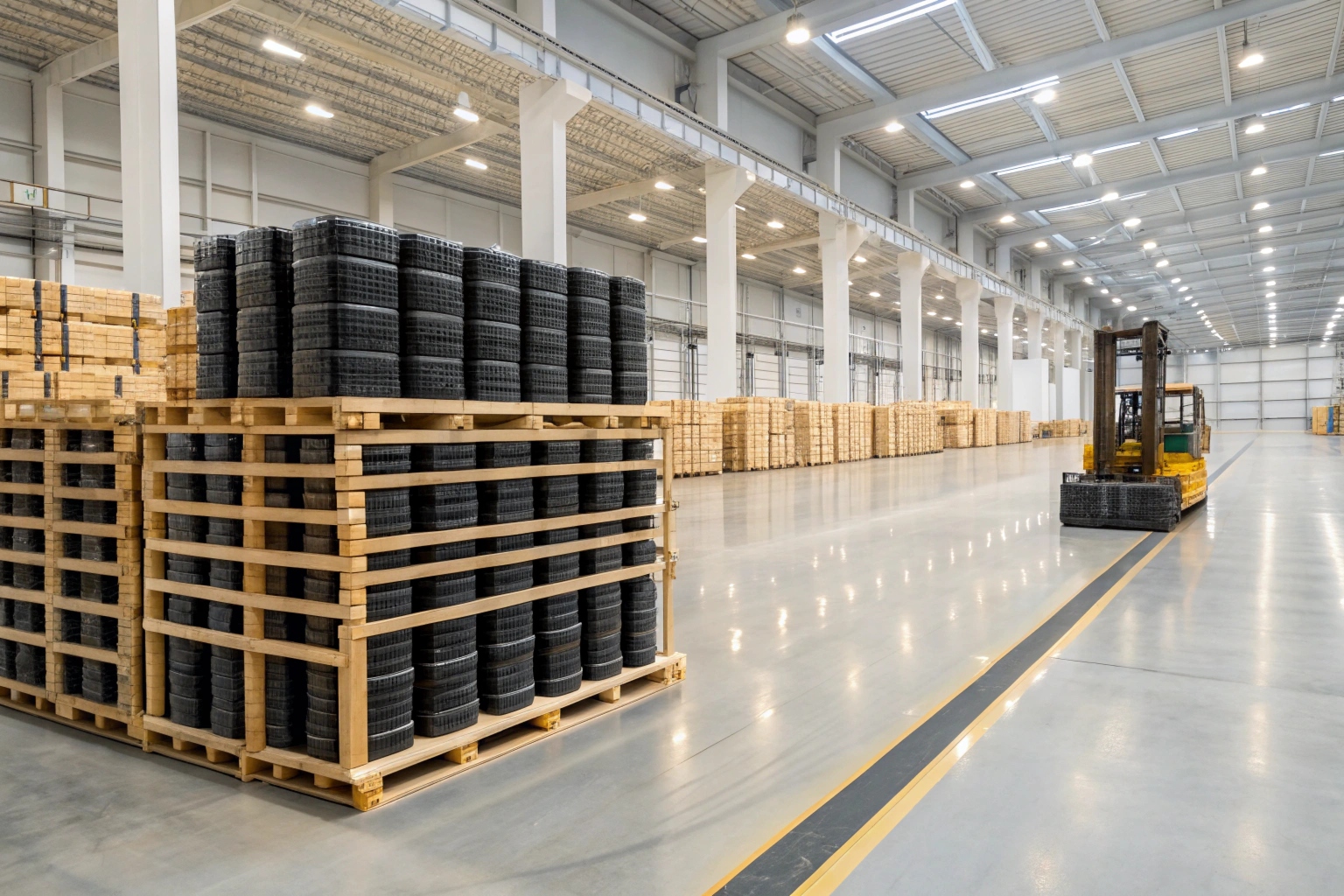
Ordering parts from China can feel like a big risk. You might worry that the parts won't fit your machine when they finally arrive. I understand this fear because I see it every day.
Yes, I can reliably match the correct track shoe assembly using your machine's serial number or the OEM part number. At Dingtai, I use a verified database to link these numbers to the exact factory drawings, ensuring the pitch, width, and bolt patterns fit your excavator or dozer perfectly.
However, simply having the number is not enough. You need to know how we verify that data to ensure your machine keeps working.
How comprehensive and accurate is your (Dingtai's) cross-reference database?
You cannot afford to deal with a supplier who just guesses. You need a partner who knows exactly what part goes with which machine, even for older models.
My database covers over 95% of mainstream global models, including Caterpillar, Komatsu, and Hitachi. It links OEM part numbers directly to detailed technical blueprints, and we update it weekly to track part number changes, ensuring we can identify the right parts for both new and old equipment.
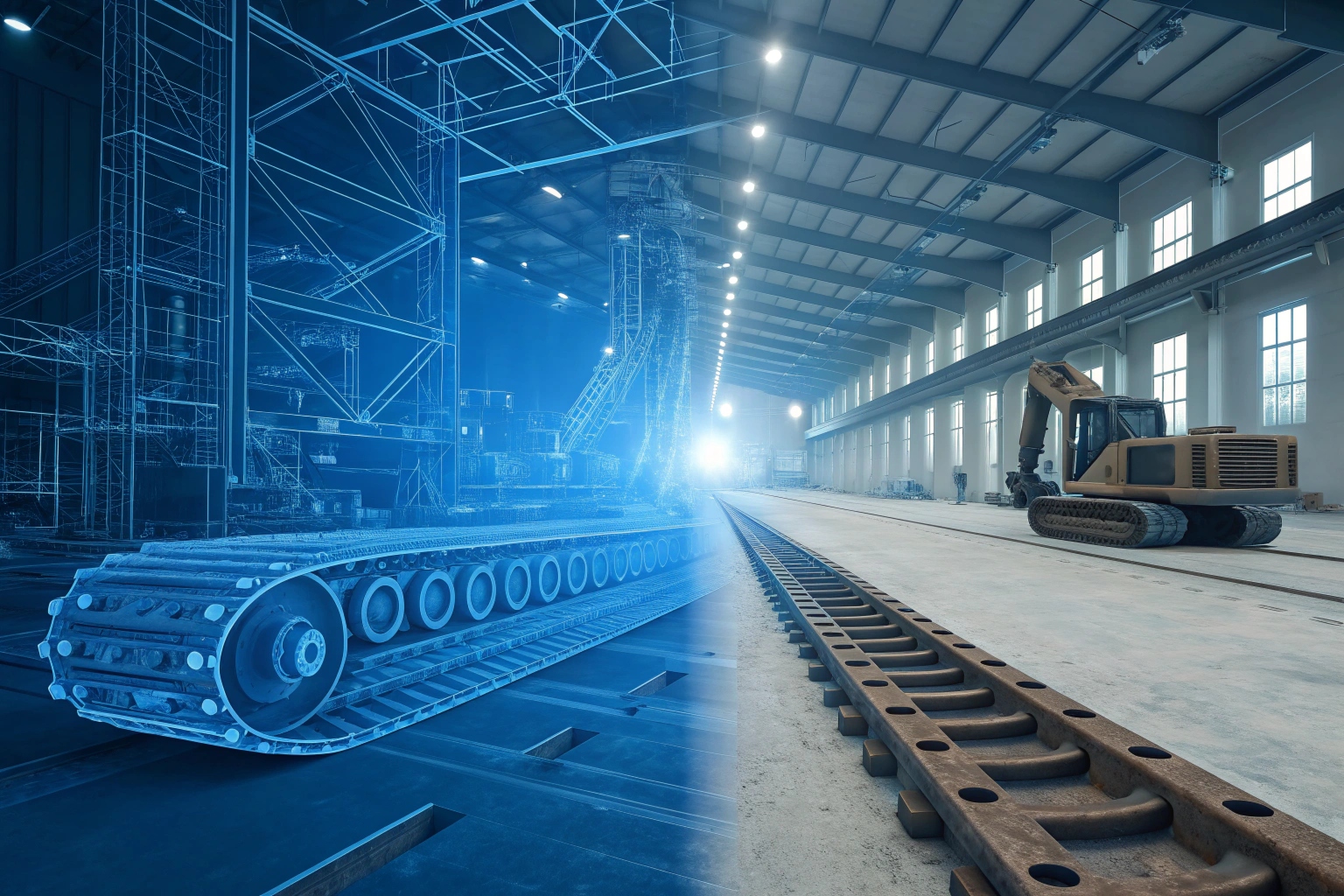
Our database is the brain of our operation at Dingtai. We do not just use Google to find part numbers. Over the last 20 years, we have built a massive internal library. This library connects the simple part number you give me to a complex set of technical blueprints 1. When you send me a number like "20Y-32-00010," I do not just see a price. I see a blueprint. I see the steel grade required, the heat treatment depth, and the exact weight. This depth of data prevents mistakes.
Many smaller trading companies rely on public lists they find online. These lists are often wrong or outdated. They might sell you a track shoe that "fits" but is made of the wrong material. My system is different. It includes data from original service manuals 2 and physical measurements we took from real machines. We also track "supersessions." This means when a manufacturer changes a part number, my system knows. If you order an old number that is no longer made, I can instantly find the newer, better version for you.
We also focus on reverse engineering 3 data. Sometimes, a customer has a machine that is very old or very rare. The data plate is gone, and the part number is unreadable. In these cases, we use casting numbers 4. These are the numbers stamped into the steel of the link or shoe. My database maps these casting numbers back to the correct part number. This allows me to save you when other suppliers say they can't help. We turn a piece of rusty metal into a clear order.
Database Capability Comparison
| Feature | Dingtai Database | General Trading Company |
|---|---|---|
| Data Source | Factory Blueprints & Physical Logs | Public Internet Lists |
| Update Frequency | Weekly (New models added) | Irregular or Never |
| Legacy Support | Maps old numbers to new ones | Often "Out of Stock" |
| Technical Detail | Includes material & hardness specs | Only dimensions |
What if my machine's serial number falls in a "model split" where the undercarriage parts changed?
It is frustrating when a manufacturer changes parts in the middle of a production year. You might worry that your serial number is in a "danger zone" where the parts don't match the manual.
If your machine is in a "model split," I will flag it immediately and ask for a photo of the sprocket or a specific measurement. We verify the pitch and bolt pattern visually to ensure we supply the correct version, rather than guessing based on the serial number alone.
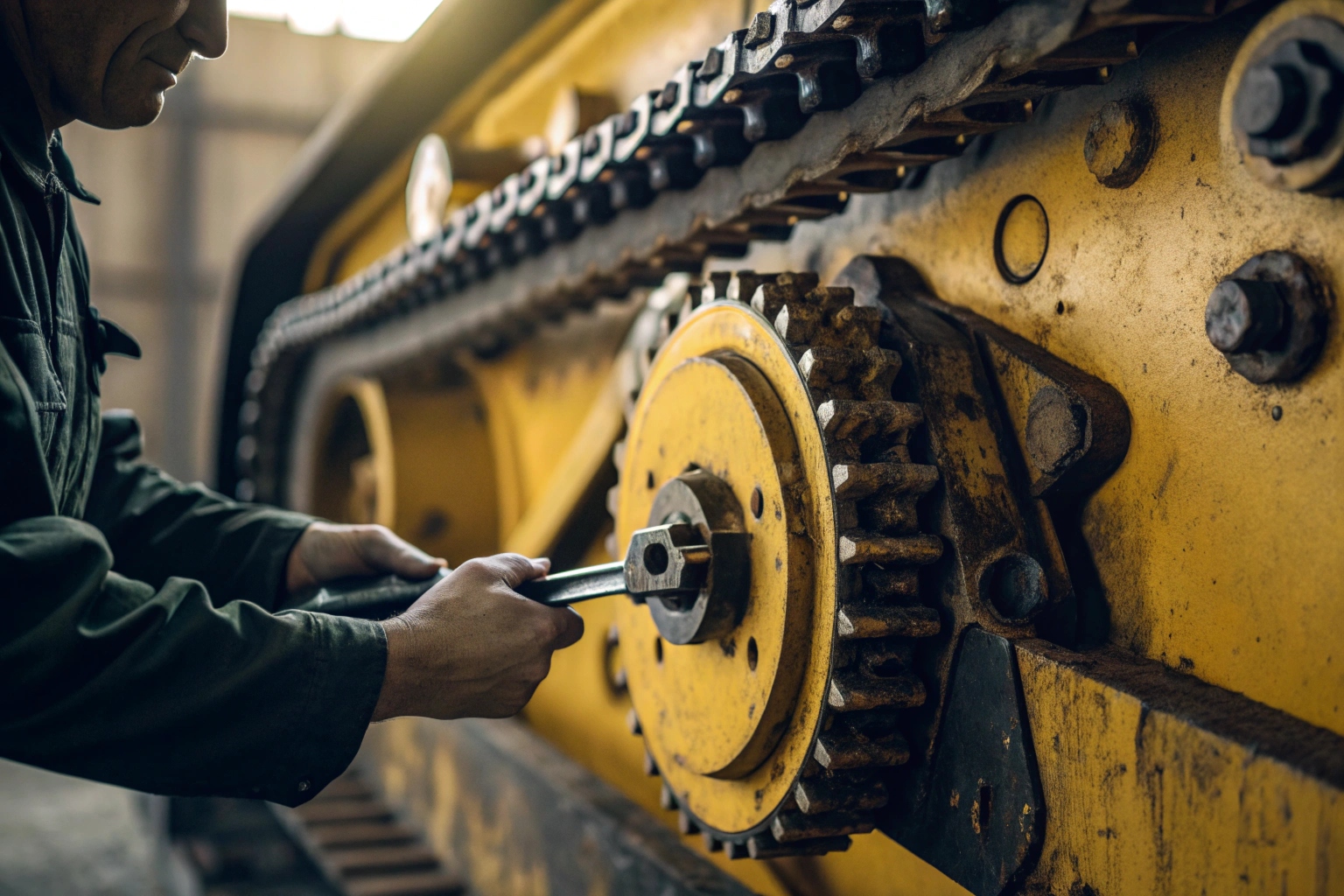
A "model split" happens when a brand like Komatsu or Cat upgrades a machine but keeps the model name the same. For example, they might change the track pitch from 190mm to 203mm to make the machine stronger. If your machine's serial number is near this change point, the data book might be wrong. The factory might have used old parts on a new frame, or new parts on an old frame. This is a trap for lazy suppliers.
I treat these serial numbers with extreme caution. When my system alerts me to a split, I stop and contact you. The best way to solve this is not to guess. I will ask you to look at the drive sprocket 5. The sprocket tells the truth. If the pitch changed, the sprocket teeth changed. A simple photo from your phone can tell me which version you have. I might also ask you to measure the bolt hole diameter on the track shoe. These small clues guarantee the big parts fit.
We also use this opportunity to check for field modifications 6. Sometimes, a previous owner changed the undercarriage. They might have put a heavy-duty undercarriage on a standard machine. A serial number lookup cannot see this history. But by asking the right questions about the sprocket and idler, I can figure it out. This extra step takes me ten minutes, but it saves you months of downtime and return shipping costs. I want to get it right the first time.
Key Identifiers for Split Models
| Component to Check | What We Look For | Why It Matters |
|---|---|---|
| Drive Sprocket | Tooth count & Bolt pattern | Confirms the track chain pitch. |
| Track Shoe | Bolt hole size & shape | Ensures shoes fit the links. |
| Master Pin | Press-fit vs. T-type | Identifies chain generation. |
| Idler | Running surface width | Must match chain width. |
Is matching by the OEM part number the most reliable and safest method for me?
You might think that having the OEM part number guarantees a perfect part. But in the aftermarket world, a number is only as good as the factory that produces it.
Matching by the OEM part number is the safest method, but only if the manufacturer strictly follows the engineering specs. At Dingtai, we use the OEM number to dictate the material, hardness, and dimensions, ensuring our parts perform exactly like the original, not just look like them.
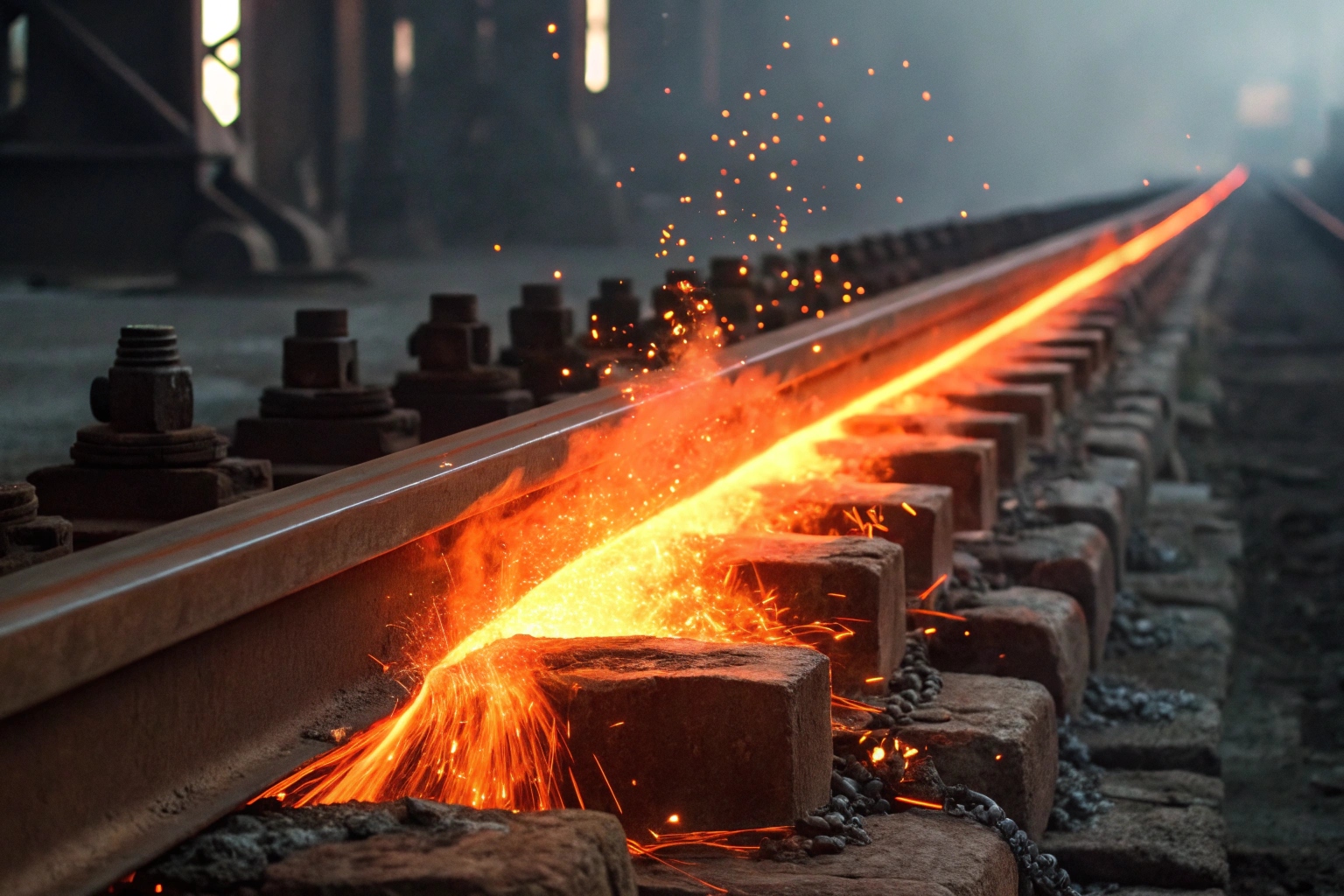
The OEM part number is the "gold standard" for identification. It removes ambiguity. However, you must be careful. Some factories use the OEM number just to match the shape. They might make a track shoe that fits the bolt holes but is made of soft steel. They sell it as a replacement for part "123-456," but it wears out in 500 hours. That is not a real match. That is a fake match.
When you give me an OEM number, I use it to set the production standard. If the number calls for 25MnB steel, we use 25MnB steel. If it requires induction hardening 7 to HRC 55, we do that. We do not cut corners. We ensure that the "interchangeability" is functional, not just physical. This is crucial for you because your customers rely on these parts to work in tough conditions like mining or road construction. A weak part destroys your reputation.
Also, we handle part consolidation 8 carefully. Some aftermarket factories try to make one "universal" part fit three different OEM numbers. They might make the bolt holes huge so they fit different patterns. We do not do this. Loose bolts cause the shoes to loosen and crack. If the OEM number specifies a tight fit, we make it a tight fit. We respect the engineering behind the number. This attention to detail is why our parts last as long as the originals.
OEM vs. Generic Aftermarket Standards
| Specification | Dingtai (Our Standard) | Cheap Generic Aftermarket |
|---|---|---|
| Steel Grade | 25MnB (Boron Steel) 9 | 45# Carbon Steel (Softer) |
| Hardening | Deep Induction Hardening | Surface Flame Hardening |
| Fitment | Exact OEM Tolerance | Loose "Universal" Fit |
| Weight | Matches OEM Weight | Often 10-15% Lighter |
How fast can I get a quote from you (Linda) if I provide this information?
Speed matters when you have a machine down or a bid to submit. You cannot wait days for a supplier to check with another supplier.
If you provide the serial number or OEM part number, I can usually send you a full quote within 24 hours. Since we are the manufacturer, I have direct access to inventory and production schedules, allowing me to calculate prices and shipping weights immediately.

My goal is to make your job easier. I know you are busy. When you send me an email, I act fast. First, I verify the part in our system. Then, I check our warehouse in Fujian. We keep a large stock of popular items for brands like Cat and Komatsu. If the parts are on the shelf, I can give you a price instantly. I do not have to call a middleman. I am the source.
If the parts need to be made, I check our factory schedule. I can tell you exactly when they will be ready. Usually, production takes 15 to 30 days. I will be honest about the time. I will not promise 10 days if it takes 20. Honesty builds trust. My quote will also include everything you need. I include the price, the gross weight, the volume (CBM), and the HS code 10.
This detail helps you calculate your shipping costs and profit margin right away. You do not need to send five emails to get the weight. I give it to you in the first email. This speed allows you to reply to your customer faster than your competitors. In this business, the fast reply often wins the deal. I want to help you win.
Conclusion
Using your machine's serial number or OEM part number is the best way to get the right track shoes. We use verified data to ensure a perfect fit every time.
Footnotes
1. Explanation of engineering drawings and technical standards. ↩︎
2. Overview of service manuals for machinery maintenance. ↩︎
3. Definition and process of reverse engineering in manufacturing. ↩︎
4. How casting numbers identify metal parts accurately. ↩︎
5. Function and types of sprockets in tracked machinery. ↩︎
6. Legal and technical definition of equipment field modifications. ↩︎
7. Scientific principles behind induction hardening for steel. ↩︎
8. Strategies for consolidating parts in supply chains. ↩︎
9. Properties and benefits of using Boron steel. ↩︎
10. Official harmonized system codes for international trade. ↩︎