
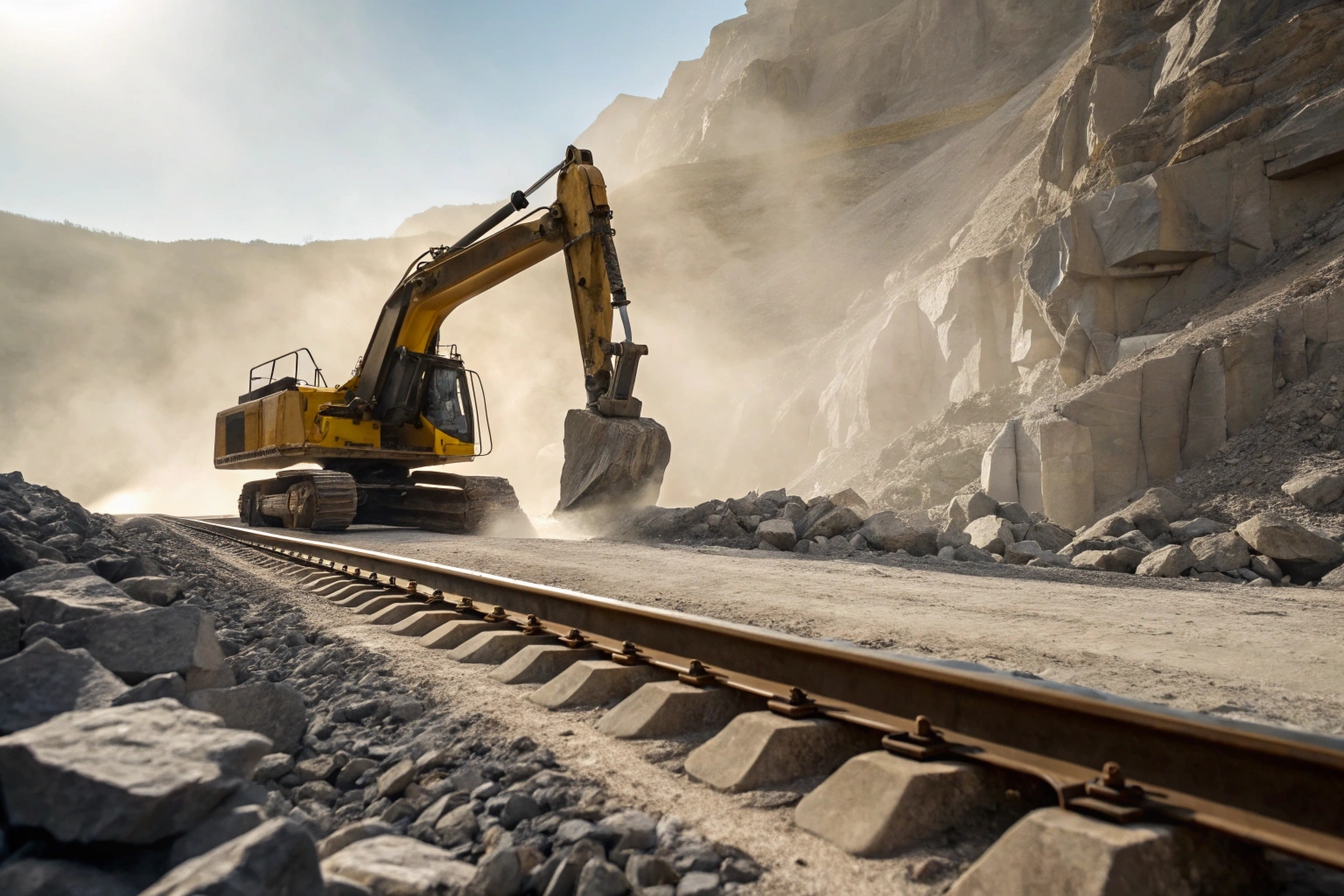
I know how frustrating it is to see your profit margin disappear because your undercarriage parts 1 are wearing out too fast. In my years of manufacturing track shoes, I have seen many site managers struggle with standard parts that just cannot handle abrasive granite.
Yes, we can upgrade your material. To withstand extreme mining conditions, I recommend switching from standard carbon steel to a high-boron alloy steel (like 25MnB) with specialized heat treatment. This upgrade significantly improves surface hardness and depth, allowing the shoe to resist abrasive wear while maintaining the core toughness needed to prevent cracking.
You need a solution that keeps your machines moving and your maintenance costs low. Let's look at the specific materials we use, the extra life you will get, the costs involved, and how we can get these parts to your facility.
What specific material (e.g., high-boron alloy steel, custom formulation) do you recommend for abrasive granite or ore?
I have tested many different steel compositions in our lab and out in the field. When you are dealing with sharp quartz or iron ore, standard structural steel 2 is simply not strong enough.
I specifically recommend upgrading to Modified High-Boron Alloy Steel (Grade 25MnB or 30MnB). For the most extreme granite environments, we use a custom formulation that includes added Chromium and Molybdenum, heat-treated to achieve a surface hardness of HRC 50-55 and a deep effective hardening case.
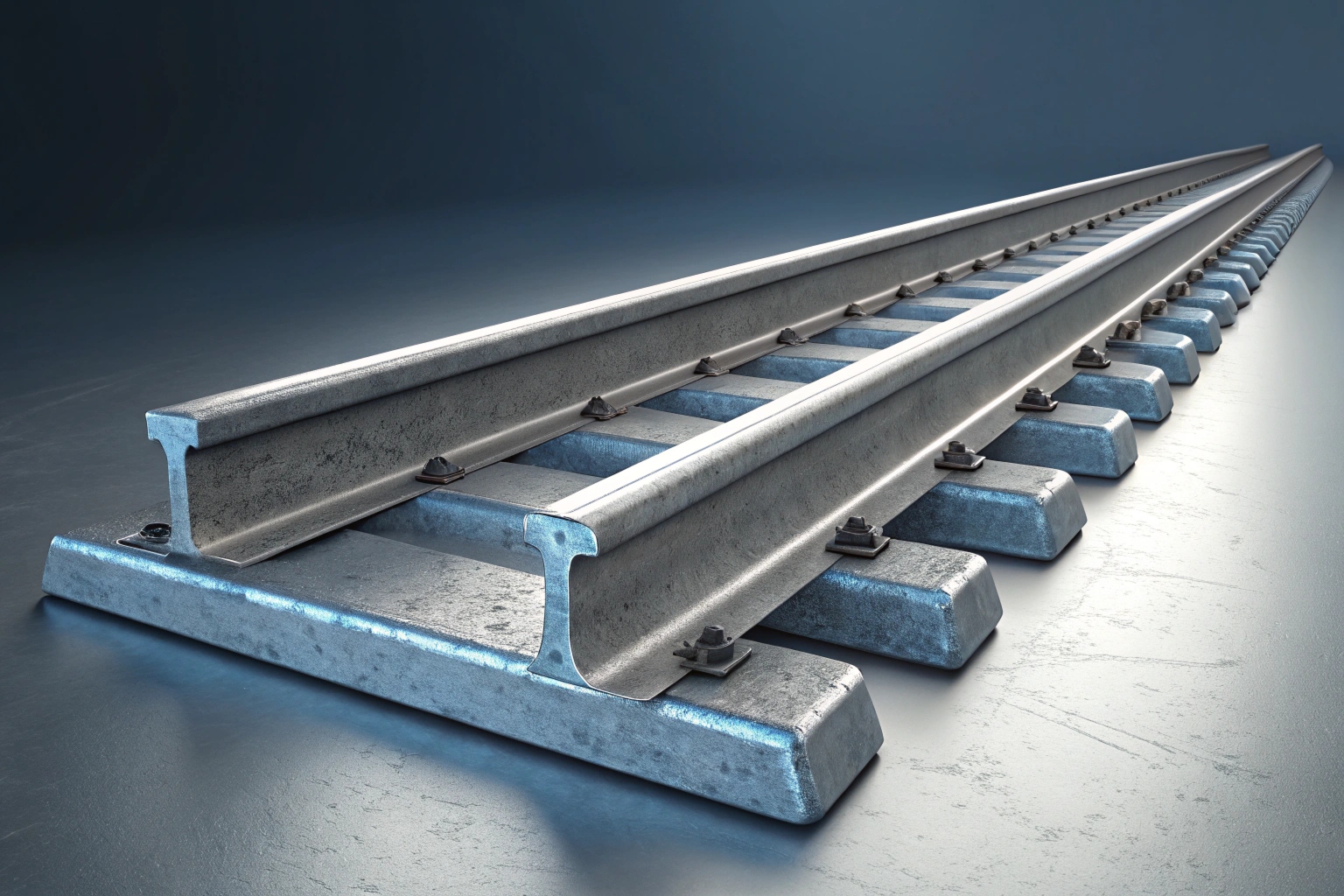
To understand why this recommendation is the best choice for you, we need to look deeper into the metallurgy of track shoes. Standard track shoes are often made from steels like 23MnB or even simpler carbon steels. These work fine for soil or soft clay. However, granite is harder than these standard steels. When the rock grinds against the shoe, it cuts into the metal surface easily. If we simply made the steel harder by adding more carbon, it would become brittle. In a mine, brittle steel is dangerous because a heavy impact could cause the shoe to snap in half.
The solution lies in the element Boron. By adding a small, precise amount of Boron to the steel (typically around 0.001% to 0.003%), we change how the steel reacts to heat treatment. Boron increases the hardenability 3 of the steel. This means that when we heat the shoe and quench it, the hardness goes much deeper into the metal, not just on the very surface.
The Role of Chromium and Molybdenum
For your specific "extreme" condition, we go a step further. We add Chromium (Cr) and Molybdenum (Mo).
- Chromium: It forms hard carbides 4 inside the steel structure. Think of these as tiny, microscopic diamonds embedded in the metal. They provide excellent resistance against the scratching and grinding of abrasive dust.
- Molybdenum: This element helps the steel keep its strength even when it gets hot. Friction in dry, abrasive conditions creates heat, and Molybdenum ensures the steel does not soften.
Heat Treatment: The Secret Ingredient
The material recipe is only 50% of the solution. The other 50% is the Quench and Temper 5 process. For your mining shoes, we heat the steel to over 900°C and then cool it rapidly with high-pressure water. Then, we temper it (heat it again gently) to relieve stress.
For your application, we adjust the tempering temperature to prioritize hardness while ensuring the core remains tough (impact energy 6 ≥ 15J at -40°C). This creates a "composite" effect: a super-hard outer shell to stop the wear, and a tough inner core to absorb the shock of heavy rock impacts.
Material Comparison Table
| Material Grade | Key Elements | Surface Hardness | Core Toughness | Recommended Terrain |
|---|---|---|---|---|
| Q355B (Standard) | C, Mn | HRC 30-35 | Medium | Soft soil, Sand, Clay |
| 23MnB (Common) | C, Mn, B | HRC 42-46 | High | General Construction, Gravel |
| 25MnB (Premium) | C, Mn, B, Cr | HRC 48-52 | Very High | Hard Rock, Quarry, Mining |
| 30MnB (Extreme) | C, Mn, B, Cr, Mo | HRC 52-56 | High | Extreme Abrasive Ore, Granite |
This 25MnB or 30MnB upgrade is the sweet spot. It gives you the durability of a premium mining part without the extreme brittleness of cast iron.
You are making an investment, so you need to know the return. I always tell my clients to look at the "cost per hour" rather than just the price tag.
With the upgrade to high-boron alloy steel and optimized heat treatment, you can expect a service life increase of 30% to 50% compared to standard shoes in abrasive conditions. This means if your current shoes last 2,000 hours, the new ones will run for 2,600 to 3,000 hours.
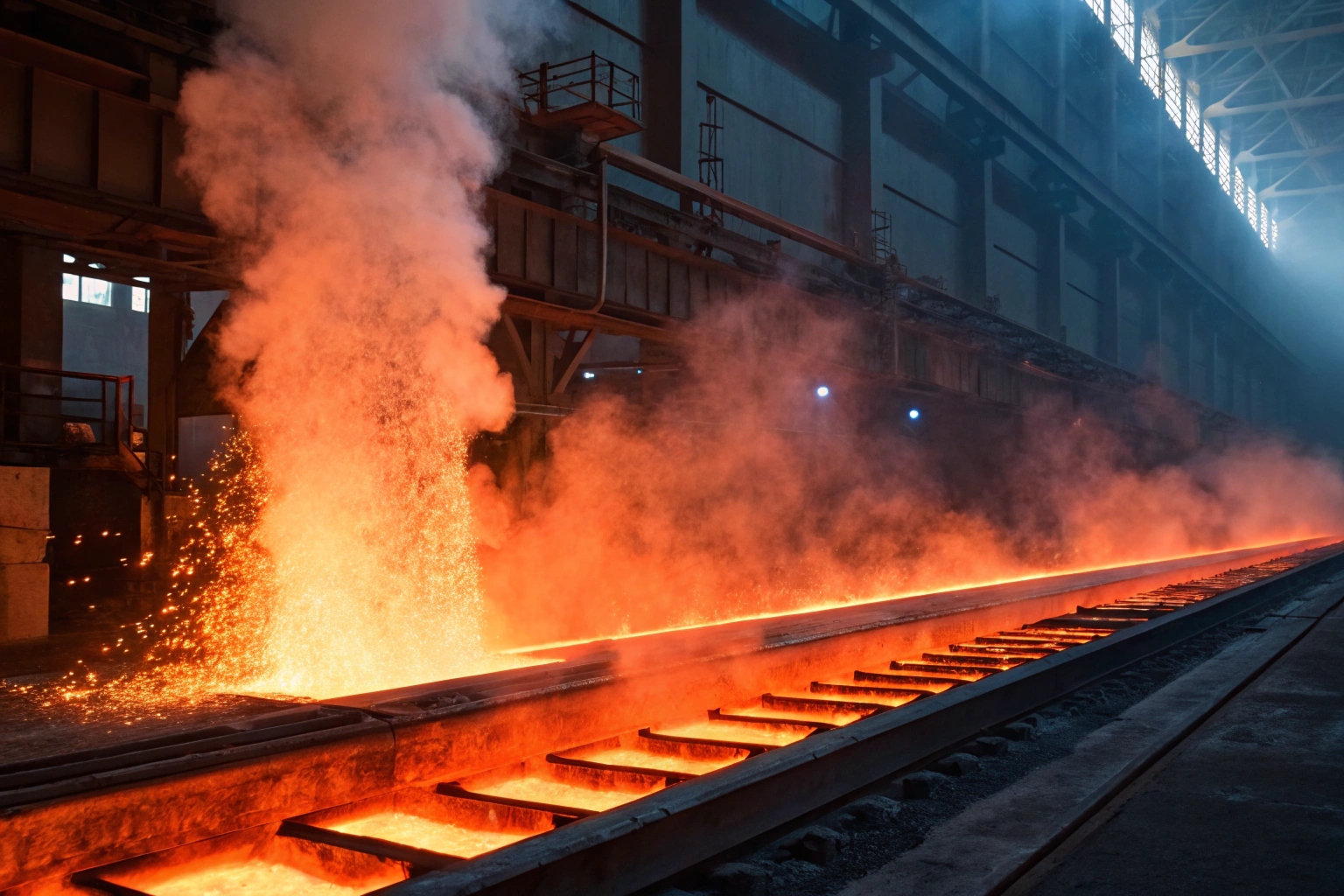
Let's dig deeper into where this "30% to 50%" number comes from. It is not a guess; it is based on the physics of wear 7.
The "Effective Hardness" Factor
The life of a track shoe is determined by how much "wear material" you have available before the shoe becomes too thin to support the machine. Standard shoes have a shallow hardened layer, perhaps only 3 to 5 millimeters deep. Once the granite grinds through that thin skin, it reaches the softer core metal. The soft core wears away very quickly—sometimes twice as fast as the surface.
With the Premium 25MnB upgrade, the hardened layer is much thicker, often 8 to 12 millimeters deep (depending on the shoe thickness). This means the shoe stays hard for a much larger percentage of its life. It resists the grinding action of the granite for longer periods.
Real-World Scenarios
The actual percentage increase depends heavily on your specific site conditions.
- Scenario A: High Impact, Medium Abrasion. If your mine has large blasted rocks, the main threat is bending or breaking. The premium material's higher yield strength prevents bending. You might see a 30% life increase because the shoes maintain their shape better.
- Scenario B: High Abrasion, Low Impact. If you are working in crushed granite fines or silica sand, this is pure grinding. This is where the Boron and Chromium shine. The hard carbides resist the scratching. In these cases, we often see life extensions of over 50%.
Variable Factors
I must be transparent with you: the material upgrade is powerful, but it is not magic. Several external factors will influence your final results:
- Track Tension: If your operators run the tracks too tight, the internal friction 8 will kill the bushings and accelerate wear on the shoes, regardless of the material.
- Operator Skill: Spinning the tracks on hard rock acts like a grinding wheel. Even the hardest steel will wear down if an operator spins the tracks constantly.
- Soil Moisture: Wet, sandy paste acts like a grinding compound (lapping paste) that increases wear rates compared to dry rock.
However, all things being equal, the chemical and physical superiority of the 25MnB steel guarantees a significant jump in performance. You will change parts less often, which also means your mechanics spend less time on track maintenance and more time on other critical repairs.
Life Expectancy Estimates
| Application | Standard Shoe | Premium Upgrade Life | Improvement |
|---|---|---|---|
| Sand/Clay Mix | 4,000 Hours | 5,500 Hours | +37% |
| Crushed Rock | 2,500 Hours | 3,500 Hours | +40% |
| Abrasive Granite | 1,800 Hours | 2,700 Hours | +50% |
I know you have a budget to manage. It is important to compare the upfront cost against the long-term savings to see the true value.
The price for the premium high-boron material upgrade is typically 15% to 25% higher than the standard model. This increase covers the cost of the alloy elements (Boron, Chromium) and the extended furnace time required for the deep-hardening heat treatment process.
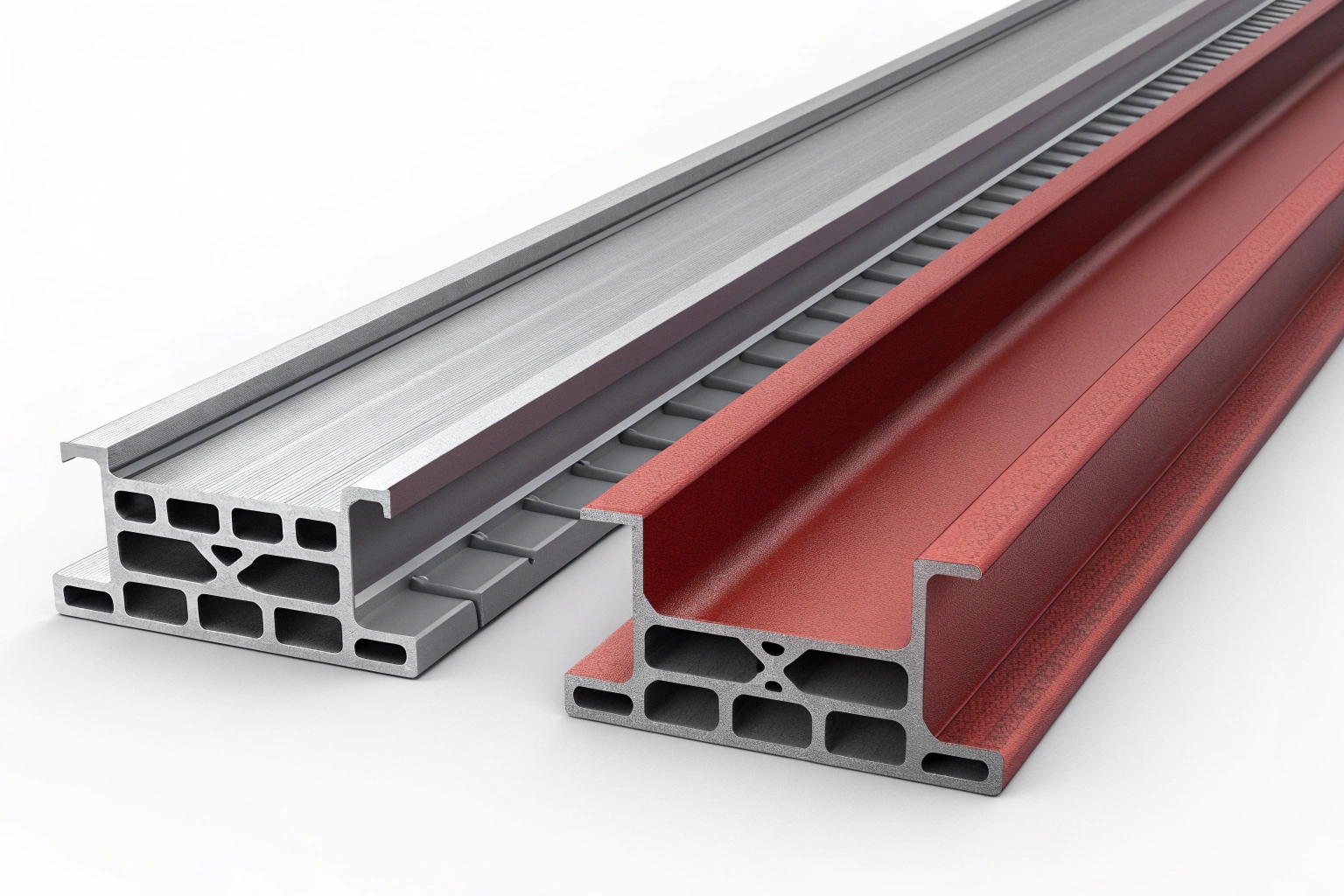
Let's break down exactly what you are paying for. Understanding the cost structure helps you explain the decision to your finance team.
The Cost Drivers
- Raw Material Premium: Boron steel billets cost more to buy from the steel mill than standard carbon steel. The addition of alloy elements 9 like Chromium and Molybdenum also adds to the raw tonnage price.
- Manufacturing Energy: To get the deep hardness we discussed, the "tempering" cycle in our heat treatment ovens must be longer and more precise. This uses more electricity.
- Tooling Consumption: Because the steel is harder, it wears out our cutting tools, drills, and molds faster. We have to replace our own tooling more often when producing your order.
Total Cost of Ownership (TCO) Analysis
While a 20% price hike sounds like a lot, let's look at the math for a single machine. Suppose you have a large dozer.
- Standard Set: Costs $10,000. Lasts 2,000 hours. Cost = $5.00/hour.
- Premium Set: Costs $12,500 (25% more). Lasts 3,000 hours (50% more). Cost = $4.16/hour.
By spending $2,500 more upfront, you save $0.84 every hour the machine runs. Over the 3,000-hour life of the tracks, you save $2,520 in pure parts cost.
The Hidden Savings: Downtime
The calculation above only includes the parts. It does not include the cost of downtime.
- Changing a set of tracks takes a full day or more.
- You need a crane, heavy tools, and two technicians.
- Your machine is not producing revenue during that time.
With the premium upgrade, you extend the replacement cycle. Instead of changing tracks every 8 months, you might change them every 12 months. This eliminates one entire service event every two years. If your machine earns $200 per hour, avoiding one day of downtime saves you nearly $2,000 in lost revenue.
When you combine the lower cost-per-hour with the savings on labor and downtime, the 25% price increase is actually a discount in disguise. It is the most economical choice for any high-abrasion site.
Cost vs. Value Table
| Cost Item | Standard Shoe | Premium Shoe | Difference |
|---|---|---|---|
| Purchase Price | $10,000 | $12,500 | +25% |
| Installation Labor | $1,000 | $1,000 | 0 |
| Downtime Cost | $5,000 | $5,000 | 0 |
| Lifespan | 2,000 Hrs | 3,000 Hrs | +50% |
| Total Cost / Hour | $8.00 | $6.16 | -23% Savings |
Is there a minimum order quantity (MOQ) for me to get this special material run?
This is a very common concern. You do not want to fill your warehouse with stock just to try a new product.
For a completely custom chemical formulation, the MOQ is usually one steel mill "heat" (about 20-30 tons). However, because 25MnB is a popular premium grade, we keep stock of the raw material. This allows us to accept smaller trial orders, often as low as one machine set (approx. 80-100 pieces).
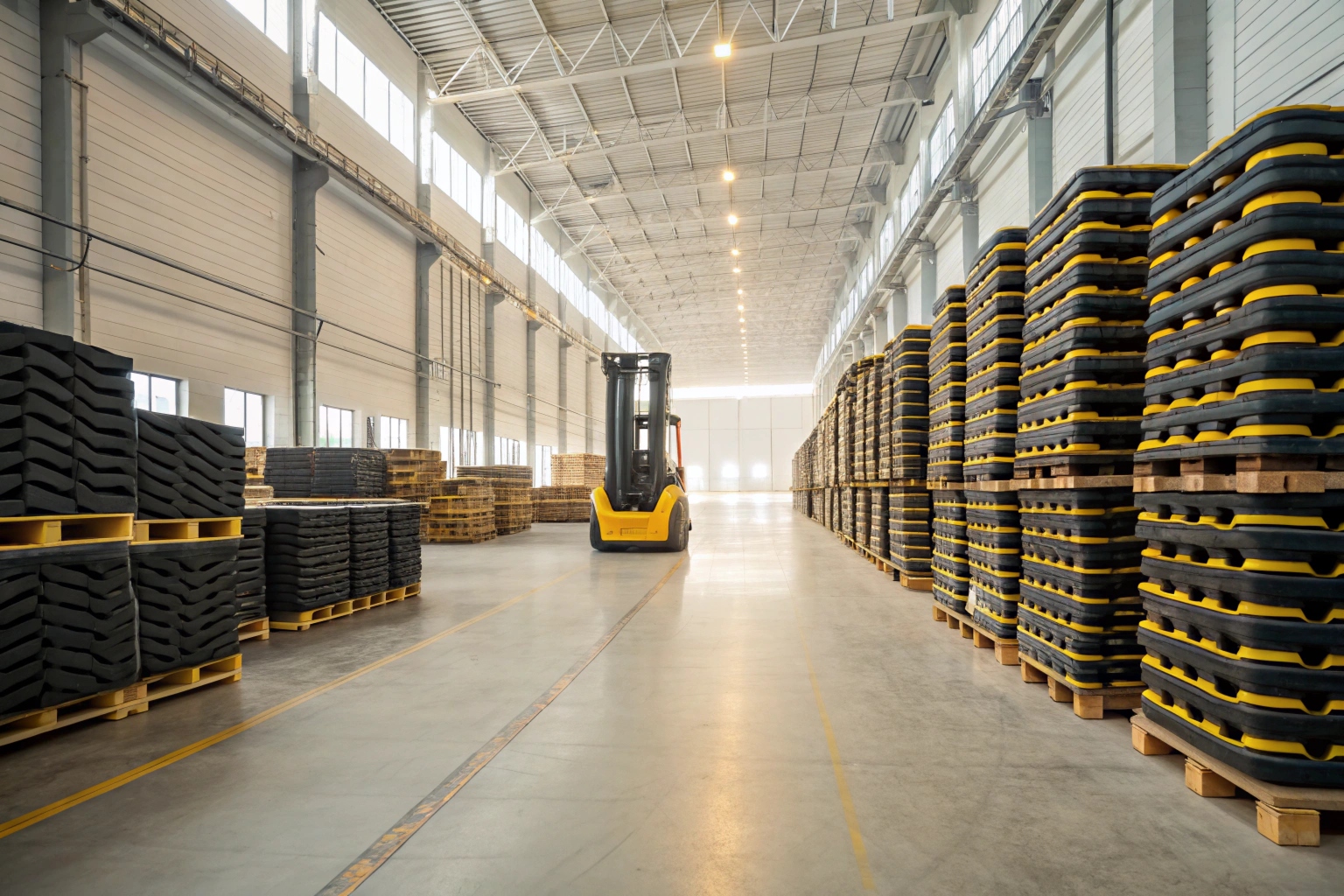
In the steel industry, mills produce steel in giant batches called "heats." One heat is typically around 30 tons. If you wanted a completely unique recipe that no one else uses—for example, adding a very specific percentage of Nickel—we would have to buy the entire 30-ton batch. That is a huge commitment for a first order.
How We Solve the MOQ Problem
At Dingtai, we understand that you need flexibility. We have structured our production to help you avoid these huge MOQs.
- Stocking Strategy: Since 25MnB is the "gold standard" for mining, we have other customers who use it. We buy the raw material in bulk and keep it in our yard. This means you don't have to pay for the whole mill run. You can just buy the slice you need.
- Trial Order Policy: I want to prove the quality to you. For new customers like you, I am willing to waive the standard MOQ rules for the first order. We can produce a single set for one dozer. This lets you run a "side-by-side" test against your current supplier.
- Consolidated Shipping: A small order (like 5 tons) is less than a full container load (FCL). Shipping it alone can be expensive per kg. We can ship it as Less than Container Load 10 or combine it with other orders going to your region to save on freight.
Logistics and Planning
If you decide to move forward, here is how the numbers look for shipping:
- One Machine Set: Usually weighs between 3 to 6 tons, depending on the machine size. This is perfect for an LCL shipment or an air-freight emergency order (though air freight is very costly).
- Full Container: A 20-foot container holds about 27 tons. This is roughly 4 to 5 machine sets. This gives you the best shipping rate.
Recommendation for Your First Step
I recommend we start with a single machine trial.
Pick your machine that works in the worst area of the mine. We will manufacture one set of premium 25MnB shoes for it. We can mark them with a special code so your maintenance team can track them easily.
This approach minimizes your financial risk. You don't have to buy a year's supply. You just buy enough to get the data. Once you see the wear report after 1,000 hours, you will have the evidence you need to upgrade the rest of the fleet.
Conclusion
Upgrading to high-boron 25MnB steel is the most effective way to combat the extreme abrasion in your granite mine. You will gain 30-50% more service life for a manageable 15-25% cost increase. We can support you with a low MOQ trial order so you can validate the performance yourself.
Footnotes
1. Importance of proper maintenance for heavy equipment undercarriage systems. ↩︎
2. Properties and common applications of standard structural steel grades. ↩︎
3. Technical explanation of how steel responds to heat treatment. ↩︎
4. Role of chromium carbides in enhancing wear resistance. ↩︎
5. Overview of the quench and temper heat treatment process. ↩︎
6. Guide to Charpy impact testing for material toughness. ↩︎
7. Scientific breakdown of abrasive wear mechanisms in metals. ↩︎
8. How internal friction affects mechanical system longevity. ↩︎
9. Common alloying elements in steel and their specific benefits. ↩︎
10. Explanation of LCL shipping for smaller freight volumes. ↩︎